The Art of Perfect Umami: Mastering Depth and Richness in Every Dish
The journey into the world of flavor often necessitates a deeper understanding of the elusive concept known as umami. Discovered as one of the five fundamental tastes alongside sweet, salty, sour, and bitter, umami adds a level of complexity and richness that can transform an ordinary dish into a remarkable culinary experience. This savory sensation, often described as "meaty," "brothy," or "satisfying," is fundamentally about balance. As a home cook, achieving perfect umami requires knowledge of what ingredients evoke this taste and how best to combine them, leveraging techniques that draw out these flavors effectively. Mastering umami isn't merely for professional chefs; it’s an essential skill for anyone who wants to elevate their home cooking to new heights.
One crucial aspect of achieving umami is understanding its sources. Various ingredients are rich in natural glutamates, which contribute to this deep, savory flavor. Foods like tomatoes, mushrooms, aged cheeses, soy sauce, and even certain types of fish and meats can infuse dishes with a profound umami quality. Moreover, how these ingredients are treated and combined plays a critical role. Techniques such as slow roasting, braising, fermenting, and even simple methods like salting can intensify umami flavors, allowing cooks to craft deeply satisfying meals. In this exploration, we’ll take a closer look at these ingredients and methods, breaking down a complex world into actionable steps for your kitchen.
As we embark on this flavorful journey, we'll discuss not only the ingredients that contribute to umami but also how to thoughtfully layer and build flavors throughout your cooking process. From the initial selection at the market to the final touches on your plate, it's about making conscious choices that lead to a harmonious blend of ingredients. The overarching goal is to help you create dishes that resonate on a deeper level, satisfying not just hunger but also the craving for rich, deeply complex tastes. Let’s dive deep into the principles and techniques of embracing umami in your cooking.
Understanding Umami
Umami might seem like an abstract concept, but it can be broken down into easily digestible components. At its core, umami is associated with the presence of glutamate, an amino acid that imparts a savory character and enhances the overall taste of food. This compound can be found in various natural foods. Here are some of the most common sources of umami:
The Science Behind Umami
Understanding the science behind umami can empower cooks to unlock its potential in their dishes. Research shows that the flavor is triggered by the combination of glutamate and certain nucleotides, which can be found in foods like fish and mushrooms.
This interaction enhances flavor perception. Interestingly, umami is most powerful when present in conjunction with other basic tastes. For instance, a dish that contains both salt and sweetness can amplify the umami flavor, leading to a more satisfying culinary experience. As you prepare your meals, consider how these flavors can be balanced to create a depth that pleases the palate.
Tasting Umami
To cultivate your palate for umami, you can conduct a simple tasting exercise. Gather ingredients known for their umami properties, such as:
Taste each ingredient (or a portion of a dish containing them) independently and note the differences in their umami characteristics—some might be more pronounced or subtle. This practice will help develop your sensory understanding, making it easier when combining flavors in your cooking.
Techniques for Enhancing Umami
With a foundational understanding of umami, it's crucial to explore the various techniques that enhance its flavor profile in dishes. Each cooking method can manipulate the ingredients to maximize that savory depth.
Slow Cooking
One of the most effective techniques for enhancing umami in dishes is slow cooking. This method breaks down the proteins in meat and releases their flavors while allowing the ingredients to meld together. To effectively utilize slow cooking:
For example, a braised beef recipe might call for 2-3 hours of slow cooking at 300°F (about 150°C) to achieve the perfect texture and flavor depth.
Fermentation
Fermentation is another powerful technique that can unlock umami potential in ingredients. It introduces new flavor compounds, making items like miso, kimchi, or even fermenting your own vegetables at home an exciting avenue to explore.
The fermentation process breaks down food, releasing flavors that would otherwise remain dormant.
Roasting
Roasting is a fantastic method to enhance umami flavors, particularly with vegetables and meats. This technique caramelizes the natural sugars in the ingredients while concentrating flavors, leading to deeper, sweeter profiles.
If you roast tomatoes, for example, you’ll notice their sweetness and umami profiles intensify dramatically as they break down.
Layering Flavors
Layering is critical in culinary practice to achieve complexity in taste. When you combine various umami-rich ingredients, you not only enhance depth but also create harmonious flavors. Here’s how to effectively layer flavors within a dish:
Integrating various umami ingredients can elevate even simple preparations. A basic risotto becomes extraordinary with the addition of a mushroom broth and aged cheese.
The Best Umami Ingredients to Stock
To truly master the art of umami cooking, it's essential to have a good selection of umami-rich ingredients stocked in your pantry. Let’s explore the best options and how they can be used effectively.
Dried Mushrooms
Dried mushrooms, particularly shiitake and porcini, are powerhouses of flavor. They can be rehydrated in water to make a robust broth, perfect for soups and risottos.
#### Usage Tips:
Aged Cheeses
Cheeses like Parmesan, Pecorino, and Gruyere can elevate a dish's umami profile due to their aging process, which concentrates flavors.
#### Usage Tips:
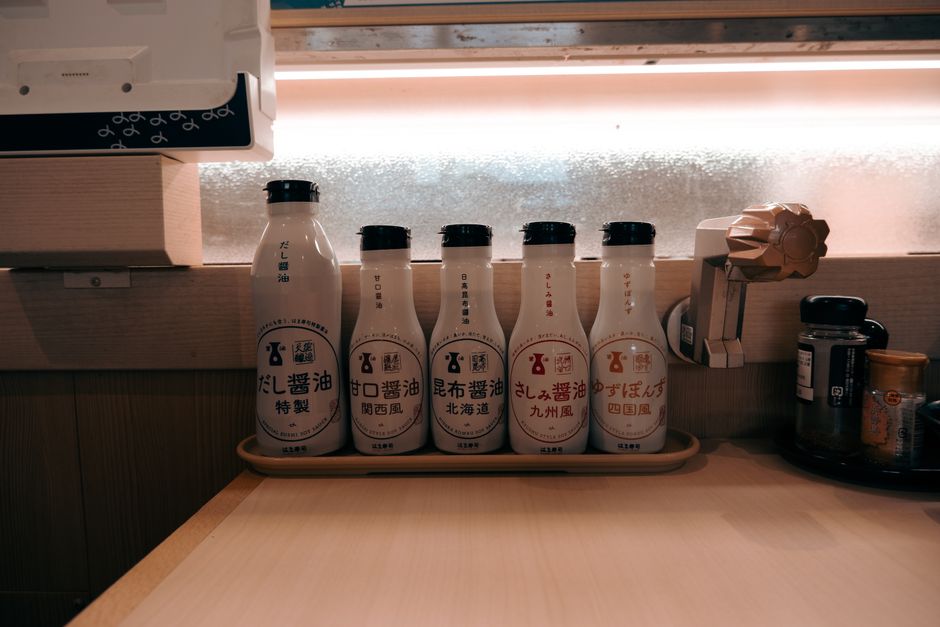
Soy Sauce and Miso
These ingredients are staples in many kitchens for a reason. They pack a punch when it comes to taste and can be added to countless dishes, highlighting their umami nature.
#### Usage Tips:
Tomatoes
Whether fresh, sun-dried, or in the form of paste, tomatoes contribute their natural glutamates, especially when cooked.
#### Usage Tips:
Seaweed
Seaweeds like kombu are integral to traditional Japanese cuisine and are filled with umami. Adding it to stocks and sauces can enhance complexity.
#### Usage Tips:
Building Umami in Vegetarian Dishes
For those who prefer vegetarian or plant-based meals, building up umami is not only possible but also exciting. Several vegetables are naturally rich in umami or can be prepared in ways that enhance their savory qualities.
Key Umami-rich Vegetables
Cooking Methods to Elevate Vegetarian Umami
Using Plant-based Condiments
Employing condiments like soy sauce, tamari, or nuoc mam (Vietnamese fish sauce) can significantly enhance the umami flavor in vegetarian dishes. Additionally, consider enriching your meals with miso-based dressings or sauces.
Practical Examples of Umami in dishes
To illustrate how umami translates in practical cooking, let's break down several recipes that capitalize on these principles.
Umami-Rich Tomato Sauce
A classic tomato sauce can be easily elevated to umami glory. Here’s how to create a sauce that’s bursting with depth:
- 2 tablespoons olive oil
- 2 cans of whole peeled tomatoes
- 1 tablespoon tomato paste
- 1 onion, chopped
- 4 cloves garlic, minced
- 1 tablespoon dried oregano
- 1 tablespoon soy sauce
- Salt and pepper to taste
1. Heat olive oil in a pan over medium heat.
2. Sauté onions until translucent, then add garlic and cook until fragrant.
3. Stir in the tomato paste and cook until caramelized.
4. Add canned tomatoes, break them up, and add oregano.
5. Finish with soy sauce, simmer on low for at least 30 minutes, stirring occasionally. Adjust seasoning.
This sauce can be used over pasta, as a pizza base, or as a topping for meats.
Braised Short Ribs
This dish takes full advantage of slow cooking to amplify umami flavors.
- 4 pounds short ribs
- 2 tablespoons salt
- 1 onion, chopped
- 4 cloves garlic, minced
- 1 cup beef broth
- 1 cup red wine
- 1 cup chopped tomatoes
- 2 tablespoons soy sauce
1. Preheat your oven to 300°F (about 150°C).
2. Season short ribs with salt and sear in a heavy pot over medium-high heat until browned on all sides.
3. Add onion and garlic, cooking until softened.
4. Pour in beef broth, red wine, and diced tomatoes, scraping up any brown bits.
5. Stir in soy sauce, bring to simmer, then cover and transfer to the oven. Cook for 3 hours, until tender.
6. Let rest before serving with the sauce poured over the meat.
This dish is ideal for gatherings and boasts an incredible layer of flavor.
Mushroom Risotto
A delectable risotto that showcases the flavors of mushrooms and provides a rich umami profile.
- 1 cup Arborio rice
- 1 small onion, diced
- 2 cups vegetable broth
- 1 cup white wine
- 1 cup mushrooms, sliced
- 1 tablespoon soy sauce
- 1/4 cup Parmesan cheese, grated
1. Heat broth in a saucepan and keep it warm.
2. In a separate pan, sauté onions in oil, then add mushrooms and cook until browned.
3. Add Arborio rice, stirring for about 2 minutes until lightly toasted.
4. Pour in white wine and allow it to absorb.
5. Gradually add broth, one ladle at a time, until absorbed, stirring often (about 18 minutes).
6. Stir in soy sauce and grated cheese before serving.
This risotto is creamy and delectable, perfect for a comforting meal.
Conclusion
Mastering the art of umami is more than knowing what ingredients to use; it's about understanding the intricate dance of flavors that creates depth and richness in food. A chef's expertise shines through not only in the selection of ingredients but also in their ability to apply cooking techniques, allowing natural properties of umami to develop. By embracing the nuances of slow cooking, roasting, fermentation, and flavor layering, home cooks can create dishes that are not only satisfying but also curiously delicious.
Equipping your pantry with umami-rich ingredients ensures that you are poised to create flavors that resonate on a deeper level. Whether you are crafting comforting risottos, savory sauces, or revitalizing vegetarian dishes, the principles of umami can guide you every step of the way. In this culinary expedition, you will discover that perfect umami is not just a taste; it's an experience that elevates every meal into something truly extraordinary. Embrace these techniques and savor the journey of flavor; your palate and your guests will thank you.

Get the Next Recipe
Weekly recipes, techniques, and gear picks — straight to your inbox.
