The Art of Perfectly Seared Salmon: Temperature, Timing, and Technique
Techniques

The Art of Perfectly Seared Salmon: Temperature, Timing, and Technique

C
By The Chef
|April 17, 2026|11 Min Read

The world of home cooking is a vast landscape filled with countless techniques and endless possibilities. Among the myriad dishes you can prepare, seared salmon stands out as a prime example of culinary finesse. A beautifully seared piece of salmon showcases not only the chef’s skill but also the quality of the ingredients used. A well-executed salmon dish can elevate a simple meal into something extraordinary, serving as a reminder of the transformative power of cooking with care and precision.

While the notion of perfectly seared salmon may intimidate some home cooks, it’s a technique that can be mastered with a deep understanding of temperature, timing, and the right techniques. The key to achieving that golden-brown crust lies in several factors: the quality of the fish, the type of fat used for cooking, and, crucially, the temperature at which the salmon is cooked. In the realm of culinary arts, knowledge begets confidence, and confidence fuels the pursuit of perfection.

For those eager to embark on this gastronomic journey, this comprehensive guide will delve into the nuances of preparing perfectly seared salmon. We’ll look at selecting the right type of salmon, understanding the science behind temperature and timing, exploring various cooking techniques, and rounding off with tips for plating and presenting your beautifully seared steak. By the end of this article, you’ll not only feel equipped to make salmon that rivals your favorite restaurant but also gain insight into the artistry of cooking itself.

Selecting the Right Salmon

Before you even think about the cooking process, the first step toward achieving perfectly seared salmon begins with selecting the right fish. The quality and type of salmon you choose can profoundly impact the final outcome of your dish. This section will guide you through the different types of salmon available and what to look for when purchasing.

Types of Salmon

When considering salmon, most cooks encounter several common varieties: Atlantic, King, Sockeye, Coho, and Pink salmon. Each offers a unique flavor and texture:

●Atlantic Salmon: This salmon is often farmed and highly praised for its rich, buttery flavor. Its higher fat content makes it forgiving to cook.
●King Salmon: Also known as Chinook, this type is prized for its high oil content and luxurious texture. It is often considered the best-tasting salmon.
●Sockeye Salmon: Known for its deep red color, Sockeye has a more robust flavor and a firmer texture, making it ideal for grilling or broiling.
●Coho Salmon: With a milder flavor than Sockeye, Coho is versatile and works well in various recipes.
●Pink Salmon: This is often the least expensive and has a lighter taste. It's commonly used in canned products or in salads.

When selecting salmon, look for the following characteristics:

●Freshness: Ensure it smells sweet and clean, similar to the ocean. Avoid any fish that has a strong, fishy odor.
●Appearance: The flesh should be vibrant in color with firm skin and a moist, shiny appearance.
●Texture: Press gently with your finger; if the flesh springs back, it’s fresh. If it leaves an indentation, it may not be the best quality.

"The quality of the fish is just as important as the cooking technique; a great piece of salmon deserves to be treated with respect."

Preparing Salmon for Cooking

Once you've selected your salmon, preparing it properly is vital. This includes not only cleaning it but also ensuring that it's cut correctly for searing.

1.Thawing: If you're using frozen salmon, make sure to thaw it gradually in the refrigerator overnight. Quick thawing using hot water will lead to uneven cooking.
2.Removing Skin (Optional): Some prefer to cook the salmon with its skin on, as it helps retain moisture. However, if you prefer skinless, use a sharp knife to remove it, gliding between the skin and flesh without losing too much meat.
3.Portioning: Cut your salmon into uniformly sized fillets. A standard serving is about 6-8 ounces per person, but you can adjust this based on the appetite of your guests.

Seasoning Your Salmon

Despite its rich flavor, salmon benefits from a touch of seasoning. This enhances its natural taste without overwhelming it. Here’s a simple yet effective guideline for seasoning:

●Salt: Use kosher salt for an even distribution. Sprinkle it generously on all sides about 30 minutes before cooking to allow it to penetrate the fish.
●Pepper: Freshly cracked black pepper adds just the right hint of spice without overpowering.
●Herbs and Zest: Fresh herbs like dill, parsley, or chives make wonderful complements. A sprinkle of lemon zest can brighten the dish.

Understanding Temperature

Temperature control is paramount when it comes to cooking salmon perfectly. Achieving the right internal temperature allows you to strike a balance between a crispy exterior and a tender, moist interior.

Ideal Internal Temperature for Salmon

According to the USDA, the safe minimum internal temperature for cooked fish is 145°F (63°C). At this temperature, the salmon is fully cooked, the flesh becomes flaky, and any harmful pathogens are eliminated. However, many chefs prefer cooking salmon to a slightly lower temperature for better texture and flavor:

●Cooked to Medium-Rare: 125°F (52°C) - Warm and pink in the center
●Cooked to Medium: 130°F (54°C) - Pinkish but mostly opaque
●Cooked to Medium-Well: 140°F (60°C) - Less moisture but still tender

For those reluctant to use a thermometer, the "finger test" or visual cues can help determine doneness. The flesh should be opaque but still slightly translucent in the center.

Preparing for Cooking

The temperature of your cooking surface also plays a crucial role in the searing process. If using a skillet, heat it to a medium-high temperature. A well-heated pan allows for a quick sear that achieves the coveted golden crust without overcooking the inside.

1.Preheat the Skillet: Ensure that the skillet or pan is hot before adding the oil and salmon. A drop of water should sizzle upon contact.
2.Choose the Right Fat: Opt for cooking oils with high smoke points, such as grapeseed oil, canola oil, or a blend of olive oil and butter, to add richness without burning.
3.Let the Salmon Rest: Before cooking, allow the seasoned salmon to sit at room temperature for about 15-20 minutes. This helps it cook evenly.

The Cooking Technique

Now that you have the right salmon and temperature knowledge, it’s time to dive into the cooking techniques that will yield the perfectly seared salmon.

Pan-Seared Salmon

Pan-searing is one of the most popular methods for achieving a crisp exterior while maintaining juicy flesh. Here's how to do it right:

1.Heat the Pan: Start with a heavy-bottomed skillet or frying pan over medium-high heat for even cooking.
2.Add Oil: Once the skillet is hot, add 1–2 tablespoons of your chosen cooking oil. Swirl it to evenly coat the surface.
3.Placing the Salmon: Carefully place the salmon fillet skin-side down in the pan. You should hear a satisfying sizzle.
4.Searing: Sear the salmon without moving it for about 4–5 minutes, allowing it to develop a golden crust. Use a spatula to gently check for doneness. Look for the crust to change color and become crispy.
5.Flip the Salmon: Once the fillet is easily released from the pan, it’s time to flip. Cook for an additional 3–4 minutes on the other side until it reaches your desired doneness.
6.Basting (Optional): For added flavor, you can baste the salmon with butter and herbs during the last minute of cooking. Tilt the pan slightly and spoon the melting butter over the top of the fish.

Grilling Salmon

Grilling offers a wonderful smoky flavor that can’t be replicated with other techniques. Here’s how to grill salmon to perfection:

1.Preheat the Grill: Heat your gas or charcoal grill to medium-high heat (about 375–400°F or 190–204°C).
2.Prepare the Salmon: Season your salmon fillets as mentioned previously. If using skin-on fillets, grilling skin side down will hold the fish together better.
3.Oil the Grate: To help prevent sticking, oil the grill grates or brush the salmon lightly with oil before placing it on the grill.
4.Grill Code: Place the salmon fillets directly on the grill, skin-side down. Grill for 4–5 minutes, then carefully flip them using a wide spatula.
5.Monitor Cooking: Cook for an additional 3–4 minutes, checking for doneness using an instant-read thermometer.

Broiling Salmon

Broiling is an excellent technique for quickly achieving a crispy top while keeping the insides moist. Its high, direct heat provides ideal conditions for searing.

1.Preheat Broiler: Set your oven’s broiler to high and allow it to preheat for at least 5 minutes.
2.Prepare the Fillets: Season the salmon, then place it on a baking sheet lined with aluminum foil for easy cleanup.
3.Broil: Position the baking sheet on the top rack, about 6 inches from the heat source. Broil for about 6–10 minutes, depending on the thickness of the fillet, until the top is caramelized and the fish is flaky.
4.Watch Closely: Keep an eye on the salmon to prevent burning. Rotate the baking sheet if your oven doesn’t brown evenly.

Plating and Presentation

Presentation is as important as flavor when it comes to cooking. A beautiful dish is sure to impress and uplift the dining experience. Follow these tips to plate your seared salmon like a pro.

Choosing the Right Plate

The right plate can make all the difference. Opt for plates with a wide rim or contrasting colors, which help highlight the salmon's color and texture. White plates often allow the colors of the food to pop, drawing focus to the dish’s presentation.

Plating Steps

1.Start with a Base: Consider using a base of sautéed greens, grains, or a light salad to provide texture and flavor. This also serves as a cushion, preventing the fish from sitting in any liquid that gathers.
2.Positioning the Salmon: Place the salmon fillet on the plate at an angle to highlight its shape. You can slice it slightly to reveal the beautiful, clock-like rings of its flesh.
3.Adding Garnish: A sprig of fresh herb, a drizzle of sauce, or a wedge of lemon can enhance plate appeal. A light sprinkle of salt or microgreens can also elevate the presentation.
4.Saucing: If you're using a sauce, such as a dill sauce or a light beurre blanc, spoon it either under the fish or artistically on one side of the plate.

"Great presentation is about creating a beautiful experience, but remember—taste also has to be at the forefront."

Serving Suggestions

Pair your perfectly seared salmon with sides that complement its rich flavor profile. Here are a few suggestions:

●Roasted Vegetables: Seasonal vegetables like asparagus, Brussels sprouts, or green beans add color and crunch.
●Grain Salads: Quinoa or farro salads with fresh herbs and citrus dressing offer a light and refreshing contrast.
●Potato Dishes: Variants like garlic mashed potatoes or crispy roasted baby potatoes can add heartiness to the meal.
●Wine Pairing: Opt for a crisp white wine like Sauvignon Blanc, Chardonnay, or even a Pinot Noir, depending on your seasoning choice.

Conclusion

The art of searing salmon is a journey that combines selecting high-quality ingredients, mastering temperature, and employing effective cooking techniques, all culminating in a dish that tantalizes the taste buds. By refining your skills in these areas and paying attention to the details, you can elevate your home cooking and impress your guests with dishes that rival fine dining.

From understanding the importance of selecting the right salmon to mastering the various techniques and perfecting presentation, each step is equally essential. As you practice this technique, don’t hesitate to experiment with different flavors, seasoning, and cooking methods. Every seared salmon you create represents not just a meal but a testimony to your evolving culinary abilities.

Embrace the process, understand your ingredients, and let the art of seared salmon take you on delightful culinary adventures. Remember, even seasoned chefs continue to learn and refine their skills. So blame it on the chef if things don’t turn out perfectly at first—or better yet, take each experience as a stepping stone towards mastering the art of cooking.

As you embark on your journey to create beautifully seared salmon dishes, remember to savor the moments—and the flavors that come with them—with every bite. Happy cooking!

Word Count: 2,112
🧰 Gear for this recipe
Tools our chefs reach for when cooking this
ThermoWorks Instant-Read Thermometer
Thermometers
ThermoWorks Instant-Read Thermometer
★★★★★4.7
$25-$35
View on Amazon
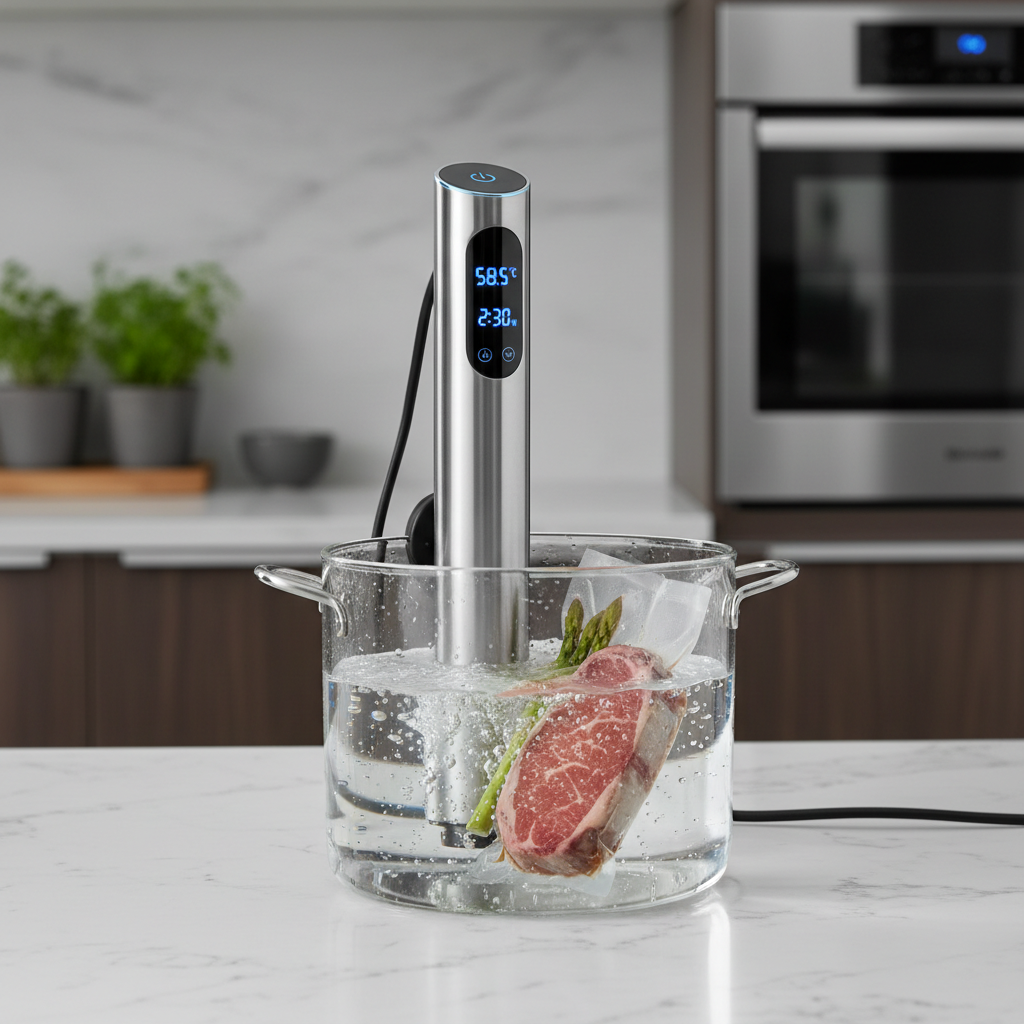
Anova Culinary Sous Vide Precision Cooker
Small Appliances
Anova Culinary Sous Vide Precision Cooker
★★★★★4.6
$100-$130
View on Amazon
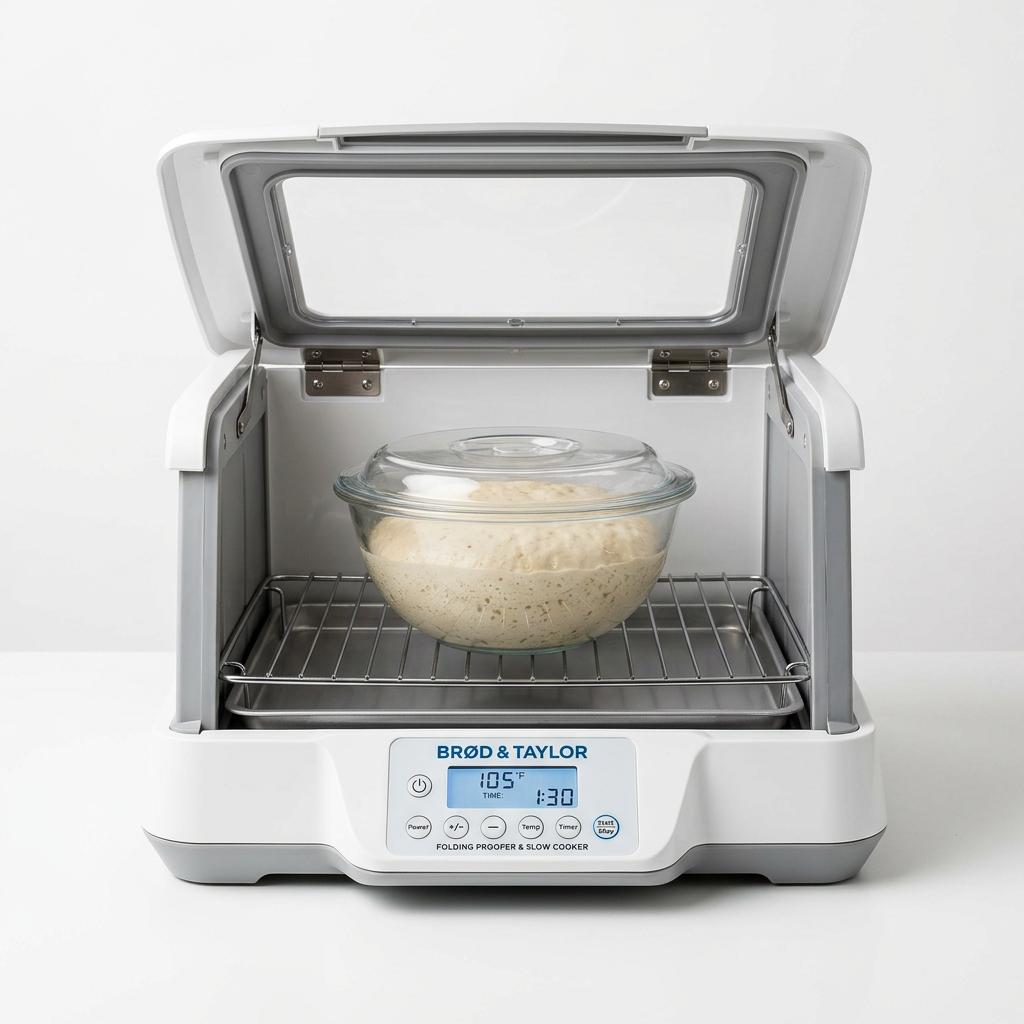
Brød & Taylor Folding Bread Proofer
Baking
Brød & Taylor Folding Bread Proofer
★★★★★4.7
$150-$190
View on Amazon

As an Amazon Associate we earn from qualifying purchases.

🍳

Get the Next Recipe

Weekly recipes, techniques, and gear picks — straight to your inbox.

No spam, ever. Unsubscribe anytime.

YesChef - Learn from the world's best chefs
© 2026 Blame The Chef
🍳

Never Miss a Recipe

Weekly recipes, kitchen tips, and gadget picks — straight to your inbox.

No spam, ever. Unsubscribe anytime.