
The Art of Poaching: Gentle Heat for Silky, Tender Proteins Every Time
There is a quiet elegance to poaching that often escapes the home cook, overshadowed by the loud sizzle of a searing pan or the aggressive roar of a roasting oven. Many associate this technique with bland, hospital-style fare, but in reality, it is the secret weapon of the professional kitchen. By utilizing gentle heat and a submerged environment, you are essentially insulating your proteins from the harsh, drying effects of direct contact with metal or air. When executed correctly, poaching preserves the structural integrity of delicate ingredients, ensuring that they remain succulent, moist, and infused with the nuanced flavors of your poaching liquid. It is a masterclass in patience and precision, rewarding those who take the time to understand the physics of temperature control.
To master the art of poaching, one must first discard the notion that this is merely "boiling on low." True poaching is a delicate dance between liquid and protein, usually occurring at temperatures far below the boiling point of water. We are looking for the sweet spot—typically between 160°F and 180°F—where the convection currents are barely visible. When you poach, you are creating an environment of even heat distribution, which prevents the uneven cooking often found when using high-heat methods. This technique is remarkably forgiving once you learn to trust your thermometer, allowing you to achieve a texture that is nearly impossible to replicate through frying or grilling.
At "Blame The Chef," we believe that once you internalize the principles of poaching, you unlock a new dimension of culinary freedom. This isn't just about fish or chicken breasts; it is about learning how to manipulate heat to enhance the natural characteristics of your ingredients rather than overwhelming them. Whether you are prepping for a delicate salad, a sophisticated dinner party, or a healthy weeknight meal, poaching provides a level of consistency and tenderness that will make you look like a seasoned pro in your own kitchen. Let us peel back the layers of this essential technique and transform the way you approach your proteins, turning every meal into a testament to patience and finesse.
The Science of the Submerged Protein
At its core, poaching is a method of moist-heat cooking that relies on the thermal conductivity of water or broth to transfer energy into food. Unlike dry-heat methods, which rely on the Maillard reaction to create crusts and deep, roasted flavors, poaching celebrates the inherent quality of the raw ingredient. By submerging the protein entirely, you ensure that heat penetrates from every direction simultaneously, which minimizes the risk of a "gray ring" or overcooked edges surrounding a raw center. The key is to keep the liquid below the point where the proteins tighten too rapidly, which is the primary cause of rubbery textures in chicken or fish.
Understanding Temperature Thresholds
For most culinary applications, we distinguish between shallow poaching and submerged poaching. Submerged poaching requires enough liquid to cover the item completely, which is ideal for maintaining shape and preventing the protein from sticking to the bottom of the pan. The target temperature range of 160°F to 185°F is the industry gold standard. Anything above 190°F begins to cross the threshold into simmering, where aggressive bubble agitation can break apart fragile fish fillets or cause chicken fibers to seize and become tough. Using an accurate, instant-read digital thermometer is non-negotiable here; relying on visual cues like "gentle bubbles" is often unreliable for beginners.
The Role of Aromatics and Stock
Your poaching liquid—frequently referred to as a court-bouillon—is your canvas. Because poaching is a subtle process, the liquid must be well-seasoned, but not so salty that it draws out the natural juices of the protein through osmosis. A classic poaching liquid should include a base of water or light stock, an acid to brighten the flavor (such as white wine, lemon juice, or a splash of vinegar), and a bouquet of aromatics like onions, carrots, celery, peppercorns, and fresh herbs.
Aromatics:* Shallots, smashed garlic cloves, and fennel are excellent for seafood.
Acids:* Dry white wine (like a Sauvignon Blanc) adds necessary acidity that keeps the flesh of fish bright and firm.
Herbs:* Parsley stems, tarragon, and thyme add a subtle, earthy depth.
"Poaching is the ultimate act of culinary humility; you are not forcing the heat upon the ingredient, but rather inviting it to cook slowly within a gentle, flavorful embrace."
Perfecting the Poached Chicken Breast
The humble chicken breast is the most frequent victim of kitchen error, often suffering from a chalky, dry texture. By switching to a poaching method, you can transform it into the juiciest protein imaginable. The trick is to start with a room-temperature breast and use a liquid that is heavily infused with aromatics to permeate the meat. Because chicken can be bland, the poaching liquid must act as a marinade that penetrates the meat as it slowly comes up to temperature.
Step-by-Step Execution
The Importance of the Rest
Just as with roasting or grilling, the resting period is critical. As the chicken cools slightly, the internal fibers relax, allowing the juices—which have been redistributed throughout the meat during the poaching process—to stabilize. If you cut into the chicken immediately, the juices will run out onto the cutting board, leaving the meat dry. This is a common mistake that home cooks make, inadvertently ruining a perfectly cooked piece of protein.
Seafood: The Gentle Touch
Fish is perhaps the protein most suited to poaching, as its delicate collagen structure is highly susceptible to the harsh heat of a skillet. A perfectly poached salmon fillet should be buttery and flaky, with a texture that practically melts on the tongue. Because fish cooks so rapidly, the window of perfection is small, making precise temperature management essential. When you poach fish, you are effectively "steaming" it in liquid, which keeps it succulent without the risk of charring or breaking the skin.
Selecting the Right Liquid
For seafood, you want to avoid heavy stocks that might mask the clean, oceanic flavor of the fish. Instead, lean toward a fumet or a highly acidic court-bouillon. A mixture of white wine, water, and lemon slices works wonders. For an extra layer of sophistication, try poaching in a liquid infused with star anise or ginger if you are working with an Asian-inspired flavor profile. The goal is to season the fish from the inside out while maintaining its structural integrity.
Firm White Fish:* Halibut, cod, or sea bass hold up well to poaching and can take slightly longer cook times.
Oily Fish:* Salmon or trout benefit from poaching as it prevents the fat from rendering too quickly and leaving the meat feeling oily.
Shellfish:* Shrimp and scallops can be poached, but they require much less time—often as little as 3-5 minutes.
"When poaching fish, think of the liquid as a delicate perfume. It shouldn't scream with spice; it should whisper, adding just enough depth to elevate the sweetness of the flesh."
Troubleshooting Common Poaching Pitfalls
Even with the best intentions, things can go wrong. The most common issue is the "boil-over" or, conversely, the "stalled cook." If you see the poaching liquid beginning to bubble rapidly, you have effectively turned your poaching vessel into a boiling pot. This is disastrous for proteins, as it will cause the exterior to toughen before the interior is finished. Always keep a cup of cold water or extra stock nearby to immediately lower the temperature if the heat gets away from you.
Texture and Flavor Issues
If your protein tastes bland, the issue is almost always a lack of seasoning in the liquid. Since the poaching liquid is your only source of flavor infusion, it should taste slightly "over-seasoned" to the tongue. Think of it like pasta water; it should be assertive. If your protein comes out rubbery, you have likely cooked it at too high a temperature for too long. If the protein is falling apart before it is fully cooked, the liquid was likely too acidic or the heat was slightly erratic.
Managing Liquid Volume
Always use a pan that fits your proteins snugly. If the pan is too large, you will waste aromatics and struggle to maintain an even temperature. If the pan is too small, the temperature of the liquid will drop drastically when you add the cold protein, making it difficult to regulate the cook. Aim for a pan where the protein occupies about 70-80% of the surface area, and ensure there is enough liquid to submerge the ingredients by at least one inch.
The Versatility of Cold Poaching
There is a sub-technique called cold poaching (or "poaching from cold") that is particularly useful for certain types of poultry or tough cuts that require a very slow elevation of heat. In this method, you place the protein into the pan with cold liquid and bring both up to the poaching temperature together. This allows for an exceptionally uniform cook, as the center of the protein has time to warm alongside the exterior. It is a slower process, but it is virtually foolproof for beginners who are worried about overcooking.
Why Cold Poaching Works
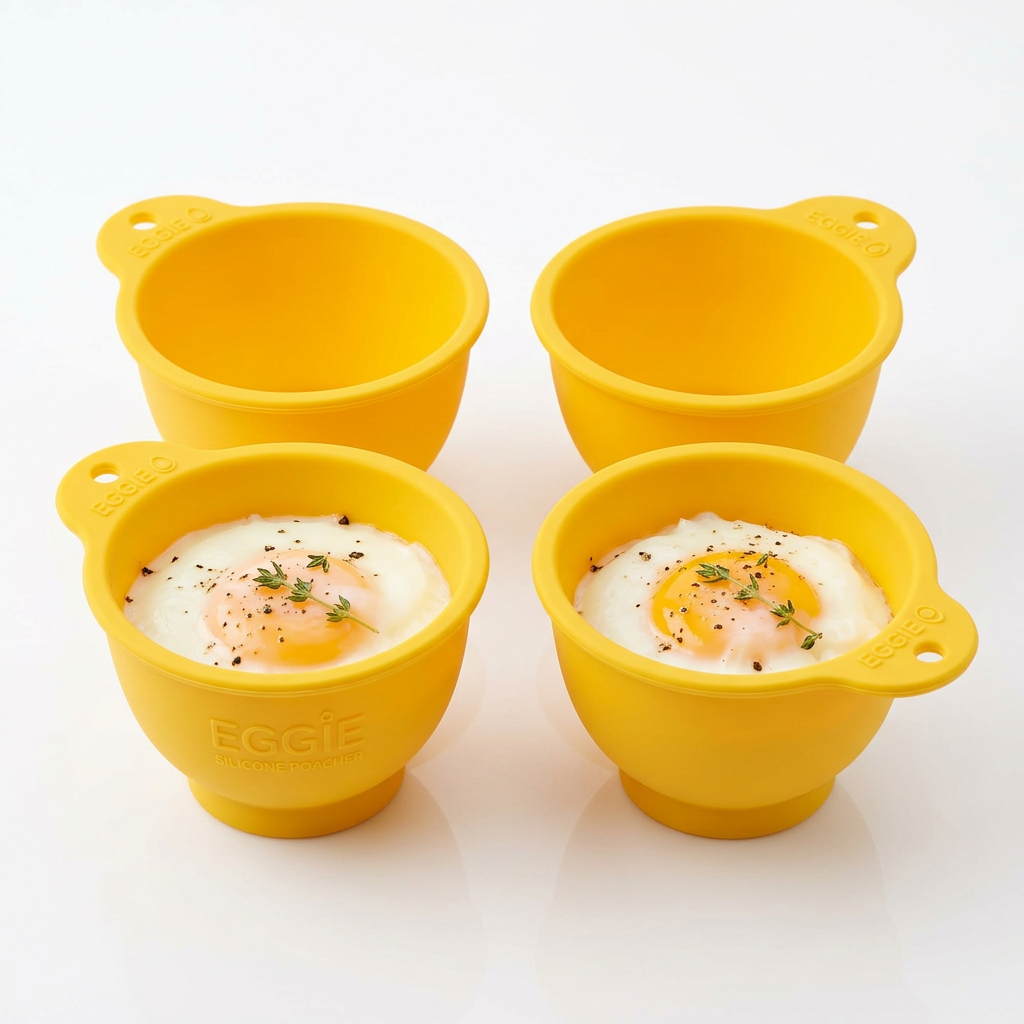
By starting cold, you are mitigating the thermal shock that occurs when cold meat hits hot water. This thermal shock is what causes proteins to seize and toughen. With cold poaching, the fibers gently expand as the heat increases, leading to a much more tender outcome. This is a technique often used in professional catering when large quantities of chicken or turkey need to be kept succulent for extended periods. It is also an excellent way to poach eggs, as the gentle rise in temperature prevents the whites from becoming rubbery or stringy.
Uniformity:* Every part of the meat reaches the target temperature at roughly the same time.
Efficiency:* You don't have to wait for the stock to come to temperature before you begin the process.
Predictability:* It is much easier to manage a steady rise in temperature than it is to hold a constant temperature.
Advanced Techniques: Infusions and Emulsions
Once you are comfortable with the basics, you can begin to treat your poaching liquid as a base for a sauce. In a professional kitchen, we rarely discard the poaching liquid. Instead, we strain it, reduce it, and mount it with butter to create a silky, emulsified sauce. This creates a cohesive dish where the sauce and the protein share the same flavor profile, resulting in a dining experience that feels intentional and well-structured.
Creating the Sauce
To transform your poaching liquid into a reduction, simply remove the protein once it is cooked and increase the heat to a rapid boil. Reduce the volume of the liquid by about two-thirds until it becomes syrupy. Then, whisk in cubes of cold, unsalted butter—a technique known as monter au beurre. This adds a beautiful sheen and a luxurious mouthfeel to the sauce. This final step turns a simple home-cooked meal into a restaurant-quality presentation that highlights your mastery of technique.
Incorporating Aromatics at the End
Another professional tip is to add fresh, delicate herbs only at the very end of the poaching process. Herbs like chervil, parsley, and cilantro lose their vibrant flavor and color if boiled for too long. By adding them to the liquid just before you take it off the heat, you impart a fresh, bright note that really lifts the dish. It is this attention to detail that differentiates a "meal" from a "culinary experience."
"The sauce is the secret link between the technique and the plate. A reduction of your poaching liquid brings all the components of the dish back into harmony."
Conclusion
The art of poaching is, at its heart, an exercise in respect for your ingredients. By choosing to cook gently rather than aggressively, you are acknowledging the delicate nature of proteins and allowing their natural beauty to shine through. It requires you to step away from the high-octane methods we are often taught are necessary for "real" cooking and instead embrace the quiet, slow, and intentional process of thermal regulation. As you practice these techniques, you will find that you no longer need the crutch of high heat or heavy spice to make a dish flavorful.
Consistency is the ultimate goal in the culinary arts, and poaching provides the most reliable pathway to that result. When you master the temperature of your liquid and the timing of your protein, you eliminate the guesswork that causes so much stress in the home kitchen. You stop worrying about whether the chicken is dry or the fish is overdone, and instead, you start focusing on the nuances of texture and the delicate layers of flavor you have created. It is a liberating way to cook, and it will undeniably elevate every meal you serve.
As you move forward, keep experimenting. Try different poaching liquids: coconut milk for a Thai-inspired chicken, vegetable broth with citrus for a light white fish, or even a spiced cider for a unique take on poached pears or pork. There are no limits to the variations you can create once the core technique is firmly in your grasp. Remember to keep your thermometer close, your liquid at a gentle whisper, and your patience high. You are now equipped with the knowledge to create silken, tender proteins that will impress even the most discerning guests. Happy cooking, and remember—if anything goes wrong, you can always blame the chef, but after this, there won't be much to blame.
Reflecting on the culinary journey, one realizes that the most impactful techniques are often the simplest. Poaching forces us to slow down, to pay attention to the bubbles, and to respect the internal evolution of the food we prepare. It is a craft that rewards the observant and the patient. In a world that demands speed and intensity, taking the time to gently poach a piece of salmon or a chicken breast is a quiet form of rebellion. It is a reminder that the best flavors are often coaxed out, not forced.
If you find yourself struggling, return to the basics. Check the temperature of your liquid, ensure your aromatics are fresh, and don't rush the process. The transition from home cook to a confident kitchen artist is paved with these small, incremental improvements. Each time you poach a protein successfully, you are building a foundation of knowledge that will serve you for years to come. Do not be afraid to fail, to experiment with new liquids, or to refine your timing. The process is the reward, and the perfect bite is the ultimate validation of your persistence.
In closing, never underestimate the power of a gentle heat. Whether you are hosting a dinner for friends or preparing a quiet meal for yourself, the elegance of poaching will always deliver a result that feels special. It is a technique that transcends trends and fads, remaining a timeless pillar of high-level cookery. Take these lessons, head into your kitchen, and start crafting those tender, flavorful dishes that you deserve. You have the tools, the technique, and the authoritative voice of experience—now all that remains is to put it into action. Go forth and poach with confidence, knowing that you are mastering the art of subtle, transformative heat.
As you continue to refine your skills, look for ways to integrate poaching into your weekly routine. It is a technique that yields healthy, nutritious, and incredibly flavorful results with minimal effort once understood. The ability to control heat, manage flavor infusions, and deliver consistent, high-quality proteins is the mark of a true culinary enthusiast. May your liquids be flavorful, your temperatures stay within the sweet spot, and your proteins always come out silky, tender, and perfectly prepared. There is no greater satisfaction than the one found in a perfectly poached meal, executed with the precision and grace that only a dedicated cook can provide. Keep pushing, keep experimenting, and keep cooking—the art of the kitchen is yours to master.
Ultimately, the beauty of the kitchen lies in the intersection of science and intuition. Poaching sits right at that nexus. It demands an understanding of heat transfer (science) but also relies on your senses to monitor the subtle changes in the liquid and the texture of the protein (intuition). Over time, you will find that you don't even need to look at the thermometer as often; you will simply know by the way the liquid shimmers or the way the meat yields to the fork. That is the moment you move from following a recipe to truly cooking. Enjoy that progression, for it is the most rewarding part of the culinary life. Always stay curious, stay engaged, and never lose your love for the process. Your kitchen is your studio, and every meal is a chance to perfect your craft. The art of poaching is just the beginning; there is an entire world of technique waiting to be explored, and you have already taken the most important step by choosing to master the foundations. Keep up the great work, and see you in the next technique breakdown.

Get the Next Recipe
Weekly recipes, techniques, and gear picks — straight to your inbox.
