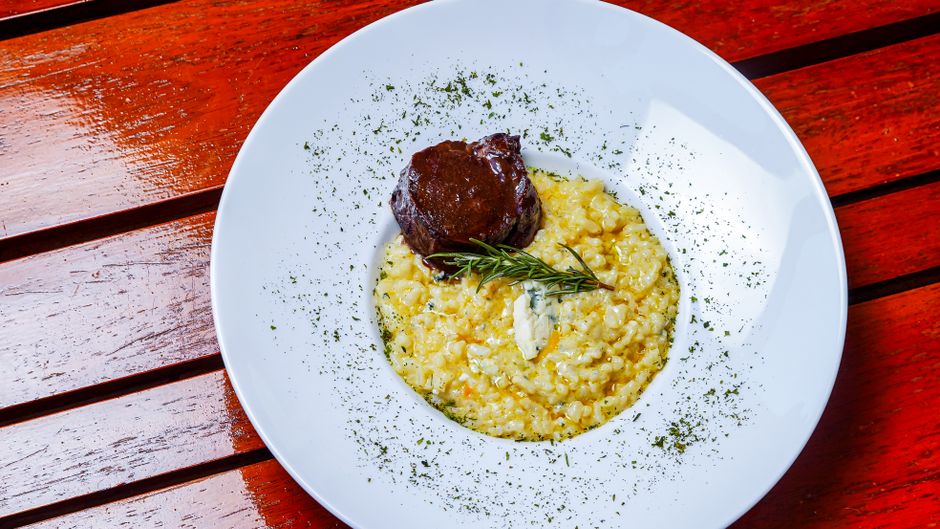
The Art of Risotto: Creating Creamy Perfection Without Cream
Risotto, with its creamy texture and rich flavor, has captivated palates worldwide, yet many shy away from making it at home, fearing the complexity that this Italian staple is often associated with. The truth, however, is that making a perfect risotto is less about skill and more about technique and the right mindset. Once you understand the underlying principles — the choice of rice, the importance of timing, and the magic of slow cooking — you’ll find that preparing this dish becomes not only manageable but an incredibly rewarding endeavor.
At its core, risotto is a dish that embodies the heart of Italian cooking: simplicity, quality ingredients, and a commitment to enjoying the process of cooking. What many home cooks don’t realize is that you don’t need cream to achieve that luscious, creamy consistency that risotto is famous for. Instead, the creaminess comes from a specific method of cooking rice, combined with the careful addition of broth and the release of starch from the rice itself. The texture achieved through this traditional method is not only satisfying but also encourages a deeper appreciation for the ingredients’ flavors.
Embarking on a risotto adventure invites you into the realms of flavor building and patience. This dish offers endless possibilities for creativity and customization while honing your culinary skills. By the end of this guide, you will not only feel confident in making a sumptuous risotto but also empowered to experiment with various ingredients and flavors to make it uniquely yours.
Understanding Risotto Rice
To begin your risotto journey, it's crucial to start with the right type of rice. The texture and quality of the rice used plays a significant role in the final outcome of the dish. The two most common varieties used for risotto are Arborio and Carnaroli, with Vialone Nano also being an excellent choice. Each type has unique characteristics, but all share a high starch content that helps create that signature creamy texture.
Arborio Rice
Arborio rice is the most common variety found in supermarkets around the world. This short-grain rice has a large grain size and absorbs flavors well. While it is forgiving for beginner cooks and yields a relatively creamy risotto, it does have a tendency to become mushy if overcooked. The general rule of thumb is to use about 1 cup of Arborio rice for every 4 cups of broth. This ratio allows the rice to absorb enough liquid without compromising its integrity.
Carnaroli Rice
Often referred to as the "king of risotto rice," Carnaroli is a favorite among chefs for its ability to stay firm during cooking while still achieving that creamy texture. It has a slightly higher starch content compared to Arborio, which means you get a richer consistency without the risk of the rice becoming mushy. Use the same rice-to-broth ratio as with Arborio, and you will find that the final dish has more depth of flavor and a slightly firmer bite.
Vialone Nano Rice
Vialone Nano is less commonly found outside of Italy but deserves a mention for its unique qualities. It is known for its ability to absorb flavors deeply, providing a very creamy risotto with a delicate texture. Similar to the other two varieties, you can use the same ratio of rice to broth, making sure to monitor the cooking time closely for optimal results.
“Choosing the right rice is the foundation of a great risotto. It’s about understanding how each type behaves and how that will affect your final dish.”
The Perfect Broth
The flavor of your risotto will largely depend on the broth used. While many recipes might suggest store-bought options for convenience, making your own broth can significantly elevate the dish’s overall flavor profile. Homemade broth allows you to control the seasoning and ensures that no artificial flavors interfere with the natural taste of your ingredients.
Making Homemade Broth
You can make a simple vegetable broth or a more complex chicken or beef broth, depending on the desired flavor profile. For a basic vegetable broth, consider the following ingredients:
Store-Bought Broth:
If time constraints lead you to use store-bought broth, look for low-sodium options, as they allow you to have better control over the saltiness of your finished dish. Opt for organic varieties if available, as they will often have cleaner flavors.
Regardless of whether you use homemade or store-bought broth, it is essential to keep it warm on the stove during the rice cooking process. This ensures that the temperature change when adding it to the rice is minimal, which can help maintain the cooking process's consistency.
“A well-made broth is the heartbeat of your risotto. It should complement your dish without overpowering it.”
Cooking Technique: The Fundamental Steps
Cooking risotto involves a specific method that utilizes the rice’s starch for creaminess. It’s not a passive process; rather, it requires attention and care. Here’s a breakdown of the fundamental steps to ensure your risotto is perfectly cooked every time.
Step 1: Toast the Rice
Start by heating a heavy-bottomed pot or a wide skillet over medium heat. Add a splash of olive oil or a combination of butter and olive oil for more flavor. Once the fat is hot but not smoking, stir in your rice.
Step 2: Add Aromatics
Once the rice is lightly toasted, introduce aromatic ingredients such as finely chopped onions or shallots. Stir them in and cook until they become translucent, about 4-5 minutes.
Step 3: Deglaze with Wine
To enhance the flavors further, deglaze the pan with white wine. A dry white wine works best as it adds acidity which balances the richness of the dish.
Step 4: Gradually Add Broth
Now, it's time to start adding your warm broth. Using a ladle, add just enough broth to cover the rice.
Step 5: Master the Finishing Touches
Once the rice is al dente and layered in flavors, it’s time for the finishing touches. Off the heat, stir in a good amount of butter and Parmesan cheese for richness and a creamy finish.
“A great risotto is a balance of technique and quality ingredients. Master the basics, and the possibilities are endless.”
Flavor Variations: Elevating Your Risotto
While the foundational risotto method is robust and versatile, there are countless ways to elevate it with various flavor profiles and ingredient additions. The following variations are classics and showcase how simple adjustments can lead to extraordinary results.
Mushroom Risotto
Mushroom risotto is a beloved classic that takes advantage of umami-filled ingredients.
Seafood Risotto
For a luxurious twist, try incorporating seafood like shrimp, scallops, or calamari.
Pea and Mint Risotto
This variation is a fantastic spring dish full of fresh flavors.
Pumpkin Risotto
Pumpkin risotto offers a fantastic earthy flavor and striking color, perfect for fall.
“Flavor is where your creativity as a home cook shines. Don’t be afraid to experiment with seasonal ingredients to create something uniquely delightful.”
Common Mistakes to Avoid
Creating the perfect risotto can be a balancing act. Here are some common pitfalls to watch out for to ensure your dish comes out beautifully every time.
Using the Wrong Rice
As discussed earlier, using non-specialty rice such as long-grain or instant rice is a surefire way to miss the mark. Always choose high-starch, short-grain varieties to ensure that signature creaminess.
Cooking Too Quickly
Risotto needs your full attention. If you try to hasten the process by cranking up the heat, you risk undercooked rice with an uneven texture. Maintain medium heat and allow the rice to release its starch properly.
Adding Cold Broth
Always keep your broth warm while cooking. Adding cold broth can shock the cooking process, resulting in a less creamy risotto.
Overcooking the Rice
Monitoring the texture of the rice is crucial. Cooking the risotto until it is fully soft will lead to a mushy texture. Instead, aim for an al dente bite; it will continue to cook slightly when finished off the heat.
Skipping the Finishing Touches
Finishing your risotto with butter and cheese isn’t just tradition; it adds essential flavor and creaminess. Don’t rush this step, and allow your risotto to develop its full potential.
Conclusion
Mastering the art of risotto opens up a world of culinary possibilities. With the right techniques, you can create a beautifully creamy and flavorful dish without the need for heavy cream. Understanding the importance of rice selection, broth quality, and cooking techniques empowers you to step into the kitchen with confidence each time you whip up this classic Italian dish.
Experiment with different ingredients and adapt flavors to fit your personal style. Whether you decide to echo the flavors of seasonal vegetables, delve into the ocean with delightful seafood, or celebrate the comforts of creamy cheese, risotto is an opportunity to express your culinary creativity.
So the next time you find yourself craving something comforting and sophisticated, remember that you have all the tools you need to create the perfect risotto. The kitchen is your canvas — let it be filled with the love and care that only you can provide. Happy cooking!

Get the Next Recipe
Weekly recipes, techniques, and gear picks — straight to your inbox.