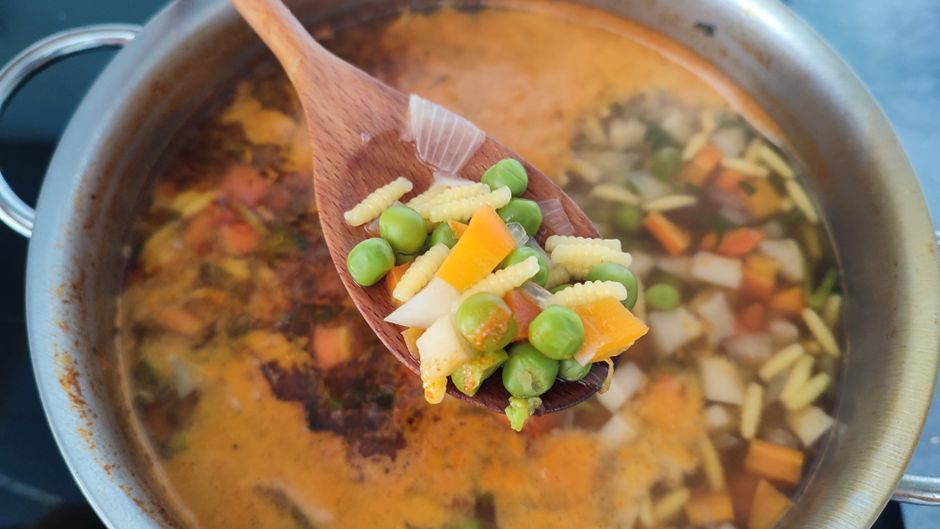
The Art of Soup Making
Soup is one of the oldest culinary creations known to humankind, a versatile dish that transcends seasons, cultures, and regions. Its ability to transform simple ingredients into a wholesome meal speaks volumes about the creativity and resourcefulness of cooks throughout history. Whether sipped from a bowl as a warm comfort in winter or enjoyed chilled as a refreshing starter in summer, soup embodies a breadth of flavors, textures, and colors that appeal to a diverse palate. It is no wonder that making soup is considered a fundamental skill for every home cook.
At its core, soup is about enhancing flavors through the careful combination of ingredients and techniques. While it may seem straightforward, the nuances involved in crafting a great soup can turn a simple dish into something extraordinary. Mastering the art of soup making requires knowledge of various techniques, an understanding of how ingredients work together, and a willingness to experiment. This blog post endeavors to guide you through the intricacies of soup making, empowering you to create your own signature soups that are not only satisfying but resonate with the flavors of your own culinary journey.
In this exploration, we will delve into the various types of soups, the essential ingredients that form the backbone of soup making, and the steps to elevate your soup game. From comforting purees to hearty broths, every category offers its own set of techniques and flavors to learn. The goal is to help you appreciate soup not just as a meal, but as a canvas for creativity and exploration. So grab your ladle, prepare your pot, and let's get started on this flavorful adventure!
The Basics of Soup Types
When it comes to soup, understanding the different types can profoundly influence your cooking style and flavor combinations. Broadly speaking, soups can be categorized into two main groups: clear soups and thick soups. Each type has its own characteristics, ingredients, and cooking techniques.
Clear Soups
Clear soups, often referred to as broths or consommés, are made by simmering meat, vegetables, or fish in water to extract their flavors. The key to a good clear soup is to maintain a clean and clear liquid, which often requires careful straining. Here are some popular examples of clear soups:
To achieve a perfectly clear broth, start by bringing your ingredients to a boil, then reduce to a simmer. Skim the foam that rises to the top, and let it simmer gently for hours to develop depth. Remember to season towards the end of cooking to ensure balance.
Thick Soups
Thick soups, on the other hand, have a more substantial mouthfeel and often incorporate pureed ingredients, cream, or starches for added body. Chowders, creamy soups, and purees fall into this category. Here are popular examples:
For thick soups, cooking techniques vary; however, the process typically involves building a flavor base through sautéing and then simmering your ingredients with broth until tender. Using a blender can create the desired smoothness after cooking.
Essential Soup Ingredients
The beauty of soup lies in its simplicity and adaptability, yet certain essential ingredients typically form the backbone of a great recipe. Familiarizing yourself with these ingredients can help you understand how to balance flavors and textures effectively.
Aromatics
Aromatics are the foundation upon which flavor is built. Commonly used aromatics include:
When preparing soup, it’s crucial to sauté your aromatics before adding liquids. This process, known as sweating, allows the flavors to bloom and creates a more robust base.
Liquids
The choice of liquid plays a significant role in defining your soup's character. Options include:
When adding liquid, consider the intensity of flavor; a well-made broth can greatly enhance the final dish.
Proteins and Vegetables
Soups can also be hearty or light, depending on the inclusion of proteins and vegetables:
A chef tip: Combining different vegetables can create a complex flavor profile. For example, pairing leeks with potatoes can yield a delightful result, while mushrooms can add an earthy richness that elevates even the simplest broth.
Soup-Making Techniques
While the ingredients are crucial in creating great soup, mastering the techniques of soup-making is equally important. Understanding how to execute each step will ensure a well-balanced and flavorful dish every time.
Sautéing and Sweating
The foundation of many soups begins with sautéing aromatics. Here’s how to do it effectively:
By sweating your aromatics, you help release their natural oils, creating a fragrant base for your soup.
Simmering
After browning your aromatics, the next step is to add your liquid and other ingredients. Here are some tips for effective simmering:
Straining and Pureeing
If you’re making a clear soup, straining is essential. For purees, blending techniques are crucial. Here’s a brief guide:
This step can drastically change the texture of your soup, transforming it from a rustic dish to a refined option.
Recipe Variations and Flavor Pairings
Each type of soup offers countless variations depending on ingredients and flavor combinations. Here’s how to play with your recipes to create a unique dish tailored to your preferences.
Classic Tomato Soup
One could argue that tomato soup is a staple in many households. Here’s how to make it:
Ingredients:
Instructions:
This classic dish can be paired with a grilled cheese sandwich for a comforting meal.
Chunky Vegetable Soup
For a hearty option that celebrates the bounty of seasonal vegetables, try a chunky vegetable soup. Consider the following ingredients:
Ingredients:
Instructions:
Feel free to swap in any seasonal vegetables or grains like quinoa to personalize this dish.
Garnishes and Serving Suggestions
The finishing touches on a soup can elevate it from good to great. Why not explore some garnish options to add depth to your final presentation?
Herbs and Spices
Fresh herbs can brighten up a bowl of soup and provide an aromatic layer:
In addition, consider spices that can amp up the flavor profile, such as:
Cream and Oils
A drizzle of cream or high-quality olive oil can add richness and visual appeal:
Crunchy Toppings
Textures play a vital role in soups as well. Consider these toppings:
Combining these garnishes can create a multifaceted dish that not only tastes great but also looks inviting.
Nutritional Aspects of Soup
Homemade soup provides a fantastic opportunity to create nutrient-dense meals that can support a healthy lifestyle. Understanding and applying these nutritional components can enable you to tailor your soups based on dietary needs.
Veggie-Packed Options
To maximize nutritional value, aim to incorporate a variety of colorful vegetables. Each color tends to indicate different vitamins and minerals. For instance:
Lean Proteins
Incorporating lean proteins can help make a soup more filling and nutritious, such as:
Low-Sodium Considerations
Many store-bought broths can be high in sodium, which could be harmful in the long run. Making your own broth allows you full control over salt content. Aim to use:
“Making soup from scratch opens the door to a world of flavors that pre-packaged options just cannot offer.”
Conclusion
The art of soup making is a delicious journey that every home cook should embark upon. It brings together comfort, creativity, and nourishment in one warm bowl. By mastering the different types of soups, familiarizing yourself with key ingredients, and perfecting essential techniques, you can elevate your cooking and delight friends and family alike.
As you continue to experiment with flavors, textures, and seasonings, you will discover your unique voice in the culinary world. From classic recipes to innovative concoctions, soup making allows you to express your creativity and versatility as a cook. So, gather your ingredients, don your apron, and embrace the joys of crafting your very own soups. In the end, remember that every pot of soup is a story waiting to be told, one ladle at a time. Enjoy the process, and don’t hesitate to blame the chef—that could very well be you!
Total Words: 2,151


Get the Next Recipe
Weekly recipes, techniques, and gear picks — straight to your inbox.
