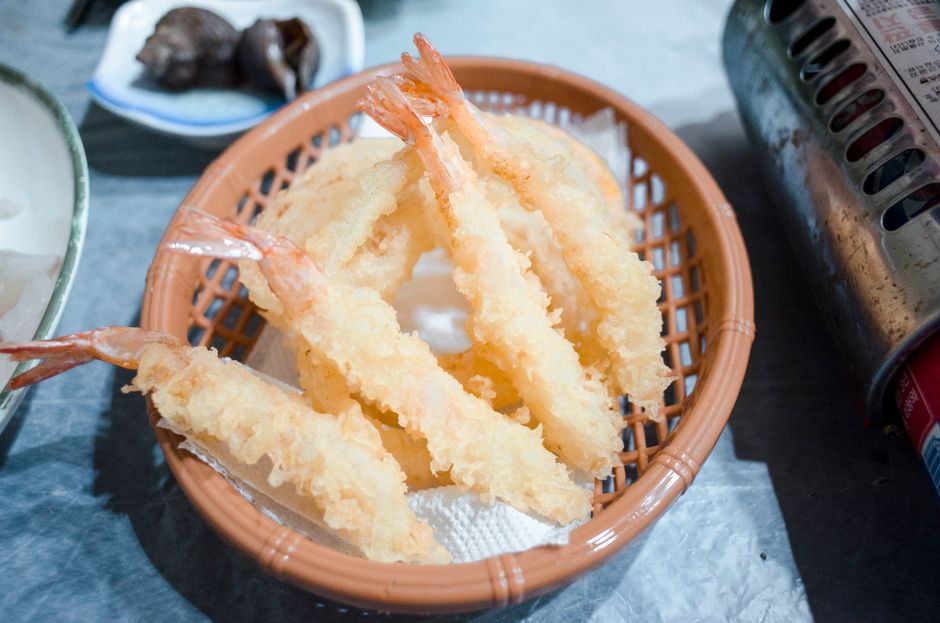
The Art of Tempura: Achieving the Lightest, Crispiest Japanese Fry
The pursuit of the perfect piece of tempura is often a journey of frustration for the home cook, frequently ending in a soggy, greasy mess that bears little resemblance to the ethereal, glass-like coating found in Tokyo’s finest specialized kitchens. Many assume that tempura is simply deep-frying at its most rudimentary level, yet it is actually a delicate exercise in thermal management and hydration control. When executed with precision, the batter should bloom into a web of tiny, crisp protrusions that shatter upon the first bite, leaving the interior ingredient perfectly steamed in its own juices. The goal is not a heavy crust, but a protective, whisper-thin veil that elevates the natural flavors of seafood and seasonal vegetables. Mastery requires an understanding of the relationship between temperature differentials, protein development in wheat, and the science of vaporization.
To achieve this culinary feat, one must first dismantle the myths surrounding the batter, which is perhaps the most scrutinized element of the process. Most failures occur because of gluten development, which is the silent enemy of the crisp fry; when flour meets water, the proteins form long, rubbery strands that result in a bready or chewy coating rather than a shattered glass effect. By using low-protein flour and ice-cold liquids, we stunt this development, ensuring the starch granules swell without creating a structural web of gluten. Furthermore, the introduction of carbonated liquid can provide additional lift, acting as a leavening agent that expands the moment it hits the blistering oil. Understanding these subtle chemical reactions transforms the act of frying from a chore into a highly disciplined craft.
Finally, we must address the medium in which the magic happens: the oil itself. Most home cooks struggle because they lack a dedicated thermometer and rely on intuition, which is often dangerously inaccurate. Tempura requires a precise window of temperature control, typically hovering between 340°F and 360°F, depending on the thickness of the ingredient. If the oil is too cool, the batter will absorb the fat before the crust can set, resulting in an oily, heavy coating. If the oil is too hot, the exterior will incinerate before the center is cooked through, leading to an unbalanced bite. In the following guide, we will break down the essential techniques, the importance of ingredient selection, and the professional-grade workflow required to turn your home kitchen into a shrine of Japanese fry mastery.
The Chemistry of the Batter
The soul of tempura lies in the batter, a mixture so deceptively simple that its complexity is often overlooked. The standard ratio is delicate, and even minor deviations in liquid volume or agitation can lead to a disastrous texture. The primary objective is to maintain a cold environment. Before you even reach for the flour, your mixing bowl should be chilled in the freezer, and your water should be essentially slush. When the flour meets the icy liquid, the low temperature prevents the wheat proteins from linking up, keeping the batter essentially "relaxed." Any unnecessary stirring, which provides kinetic energy, will encourage gluten formation, so the batter must be mixed with a set of chopsticks until just combined, leaving visible lumps of flour—these lumps are actually a desirable sign that you haven't over-worked the mixture.
The Role of Starch and Flour
While cake flour or specialized tempura flour (which often contains added cornstarch or baking powder) is the industry standard, you can refine your own results by blending high-quality pastry flour with a touch of cornstarch. The cornstarch acts as a stabilizer, interfering with the gluten network and adding a distinct crunch that wheat flour alone cannot provide. Professional chefs often swear by a ratio of 80 percent low-protein wheat flour to 20 percent starch. This mixture creates a barrier that is resistant to moisture migration, meaning your food stays crisp long after it leaves the fryer.
Carbonation as a Leavening Agent
Using sparkling water or club soda is more than just a culinary hack; it is a way to introduce tiny air bubbles into the matrix of the batter. As the batter hits the hot oil, these bubbles expand instantly, creating a lightweight, lace-like structure. It is vital that the carbonated liquid is added at the very last second. If you mix your batter ahead of time, the gas escapes, and you are left with a flat, dense slurry. Always prepare your mise en place fully, heating the oil and prepping the vegetables before even opening the bottle of sparkling water.
The secret to great tempura is not just the ingredients, but the temperature differential between the freezing batter and the scorching oil.
Mastering Thermal Dynamics and Oil Management
The choice of oil is critical for achieving a clean, neutral finish that doesn't mask the delicate flavor of fresh shrimp or seasonal greens. While heavy vegetable oils or discarded peanut oils can work, experienced chefs typically gravitate toward toasted sesame oil mixed with a base of neutral oil like grapeseed or refined canola. The sesame oil adds a nutty, aromatic quality that is synonymous with authentic Japanese frying. Regardless of your choice, the smoke point must be high enough to withstand the 350°F range without breaking down or developing off-flavors, which can happen if you reuse oil too many times.
Maintaining the 340°F to 360°F Range
Monitoring the temperature is the most important mechanical task you will perform. When you drop a cold ingredient into the fryer, the oil temperature drops significantly. If you crowd the pan, the temperature will plummet, and the food will boil in the oil rather than fry. To mitigate this, fry in small batches, and always wait for the thermometer to return to the target temperature before adding the next piece. Invest in an infrared or high-quality probe thermometer; guessing with a wooden chopstick or a bread cube is simply not precise enough for the caliber of tempura we are aiming to achieve here.
Filtration and Impurity Control
As you fry, small bits of batter, known as tenkasu, will fall into the oil. These particles contain water and flour, and they will burn quickly, imparting a bitter, acrid taste to your oil. You must keep a fine-mesh skimmer by your side and clear the oil after every single batch. This is a common point of failure for home cooks who get lazy midway through the process. A clean oil environment ensures that every piece of tempura is golden and bright, not speckled with black, carbonized bits of old batter.
Ingredient Preparation and Moisture Control
The ingredient is the star; the batter is merely the stage. Because tempura is essentially a steaming process disguised as a fry, the ingredient must be prepared in a way that minimizes excess surface moisture. If a shrimp is wet, the batter will slip off during the cooking process. Pat every vegetable and protein dry with paper towels before dipping. For root vegetables like sweet potato or kabocha squash, ensure they are sliced into uniform thicknesses to ensure even cooking, as a thin slice of mushroom will cook in seconds while a thick slice of root vegetable requires much more time.
The Art of the Shrimp
Shrimp is the quintessential tempura ingredient, but it requires a specific technique to ensure it doesn't curl into a ball when it hits the oil. You must make a series of shallow, horizontal incisions along the underside of the shrimp's belly to sever the connective tissues. After scoring, gently press down on the shrimp until you hear the fibers snap. This keeps the shrimp perfectly straight, allowing for a beautiful presentation and a uniform cook. This tiny detail is what separates a backyard fry from a professional preparation.
Vegetable Selection and Slicing
Select vegetables that have high water content but are structurally sound. Asparagus, shishito peppers, and lotus root are fantastic choices. However, avoid watery vegetables like tomatoes or thin-skinned fruits that will dissolve under the intense heat. When slicing vegetables, consider the surface area. A flat slice of eggplant provides a great canvas for the batter to cling to. Remember that every ingredient releases steam; if you put too many items in the fryer at once, you will create a localized humid environment that prevents the batter from becoming crispy.
The Technique: The Dry Dredge and The Dip
The dry dredge is an often-skipped step that is absolutely essential for a professional result. Before dipping your ingredient into the wet batter, you must lightly dust it with a thin layer of dry flour or cornstarch. This layer acts as a mechanical bridge, creating a porous surface that allows the wet batter to "grab" onto the food. Without this, the wet batter is prone to sliding off the ingredient as soon as it enters the oil, leaving behind exposed food and a messy fryer.
The Precision Dip
When dipping, use your fingers or chopsticks to lightly coat the ingredient. You want a very thin, almost translucent coating. If your batter is too thick, you will end up with a heavy, doughy texture that masks the ingredient. The goal is for the batter to be barely visible, creating a thin, crisp shell that shatters upon contact. If you find your batter is too thick, whisk in a tablespoon of extra ice-cold sparkling water. Remember: the thicker the batter, the heavier the result.
The Fryer’s Gesture
The way you drop the food into the oil is a matter of technique. Do not simply drop it from a height; hold the item with your fingers or chopsticks and lower it into the oil at a 45-degree angle. Move it slightly through the oil to create a "wave" of movement, which helps the batter expand outward into that signature lace-like pattern. If you are adventurous, take a spoonful of extra batter and drizzle it over the ingredient as it fries to add extra crisp texture. This is a common chef’s trick in Tokyo to maximize the "crunch factor" of the crust.
"A great piece of tempura should feel like a whisper of flavor encased in a fortress of glass."
Managing the Finished Product
Once the tempura is removed from the oil, it is in its most vulnerable state. It needs to rest, but not on paper towels. Paper towels trapped beneath the food will create steam, and that steam will immediately soften your hard-earned crust. Always use a wire cooling rack set over a tray. This allows air to circulate underneath the food, preventing condensation from forming on the bottom. The residual heat will finish the cooking process of the ingredients inside without compromising the integrity of the crust.
The Importance of Immediate Service
Tempura is not meant to be a dish that sits on a buffet table. It begins to degrade the second it leaves the oil. The ideal scenario is to serve the tempura as it is finished, piece by piece, or at most, in small batches. If you are serving a group, aim to keep the first batch warm in a very low oven while you work on the second, but do not rely on this for long. The texture is time-sensitive; within ten minutes, the crunch will begin to fade as the residual moisture from the interior of the ingredients migrates into the crust.
Proper Seasoning and Dipping Sauces
While many people reach for traditional tentsuyu (a mix of dashi, soy sauce, and mirin), purists often prefer a high-quality sea salt or a mixture of salt and matcha powder. Salt allows the natural flavor of the vegetable or seafood to shine through without the interference of a heavy sauce. If you choose to make a dipping sauce, keep the concentration light. The sauce should be an accent, not a bath. A small mound of freshly grated daikon radish added to the sauce provides a cooling, peppery contrast that cuts through the richness of the fried coating.
Troubleshooting Common Failures
Every chef has faced the heartbreak of a batch of tempura that didn't turn out right. If your tempura is greasy, the oil temperature was almost certainly too low, or you overcrowded the pan, preventing the batter from setting quickly. If your tempura is doughy, you likely over-mixed the batter or failed to use ice-cold water. If your tempura has no flavor, it is usually because the seasoning of the batter or the ingredient itself was neglected. Treat the flour, the water, and the oil as three distinct pillars of your culinary foundation.
When the Batter Is Too Thin
If you dip your ingredient and the batter runs off completely, your ratio is off. You may need to add a bit more flour to your slurry. Conversely, if your batter feels like pancake batter, you have already failed the "lightness" test. It should have the consistency of heavy cream—thin enough to coat, but not thick enough to coat a spoon heavily. Always perform a test fry with one small piece of vegetable before committing your entire batch of high-quality shrimp or seasonal ingredients to the oil.
Oil Quality and Flavor Transfer
If your oil tastes like the previous batch of fish, you have either not filtered it properly or you are not maintaining a clean fry environment. While it is acceptable to reuse oil once or twice, once it develops a dark, cloudy appearance or begins to smoke at lower temperatures, it is time to discard it. Fresh oil has a neutral profile that allows the subtle sweetness of, for example, a carrot or a slice of lotus root, to remain the primary flavor profile of the dish.
The Cultural Context of Tempura
While we often associate tempura with Japanese cuisine, it actually has roots in Portuguese influence, brought to Japan by Jesuit missionaries in the 16th century. The name itself comes from the Latin quatuor tempora, referring to the Ember Days when meat was forbidden, leading the Portuguese to fry fish in a light batter. Over the centuries, the Japanese adapted this technique, refining it into the high art form we recognize today. It is a testament to how culinary traditions travel, adapt, and eventually reach a level of sophistication that far surpasses their origins.
Elevating the Home Experience
To truly elevate your home tempura, consider the seasonality of your ingredients. In spring, utilize wild ramps or mountain vegetables. In autumn, focus on mushrooms like maitake or shimeji. By aligning your ingredients with the seasons, you are following the traditional Japanese philosophy of shun, which emphasizes eating ingredients at their peak. This makes the cooking process feel more intentional and connects the final result to the natural world. It moves the experience from being just "fried food" to being a thoughtful representation of the time of year.
The Professional Mindset
Professional chefs do not fry by accident; they fry by calculation. They understand the density of the ingredient, the exact temperature of the oil, and the precise moment of extraction. If you approach your home kitchen with this same level of mental rigor, you will find that your success rate increases dramatically. Keep a notebook of your trials—note the ratio of flour to water, the temperature of the oil, and the results you achieved. Over time, you will develop an intuitive sense for the "doneness" of the batter, identifying the specific sound the oil makes as the water content drops and the crust tightens.
Final Thoughts
The art of tempura is, at its core, an exercise in patience and precision. It is a dish that demands your full attention, leaving no room for multitasking or distractions. By mastering the delicate balance of an ice-cold, low-gluten batter, maintaining a strict temperature range in your oil, and focusing on the moisture content of your ingredients, you can achieve a result that rivals the top-tier tempura-ya in Tokyo. Do not be discouraged by the learning curve; even the most seasoned chefs spent years refining their technique to reach that perfect, glass-like crunch.
As you step away from this guide and into your kitchen, remember that the goal is not perfection on the first try, but the cultivation of a skill that will serve you for a lifetime. Every failed batch is simply a lesson in thermodynamics, and every successful batch is a victory of technique. Invest in a good thermometer, keep your ingredients cold, and treat your flour with the respect it deserves. When you finally pull that perfectly golden, airy, and shatteringly crisp piece of tempura from the oil, you will understand why this humble fry is considered one of the most sophisticated dishes in the culinary world. Enjoy the process, respect the ingredients, and—above all—blame the chef if it doesn't turn out right the first time; there is always the next batch to get it perfect. Happy frying.

Get the Next Recipe
Weekly recipes, techniques, and gear picks — straight to your inbox.
