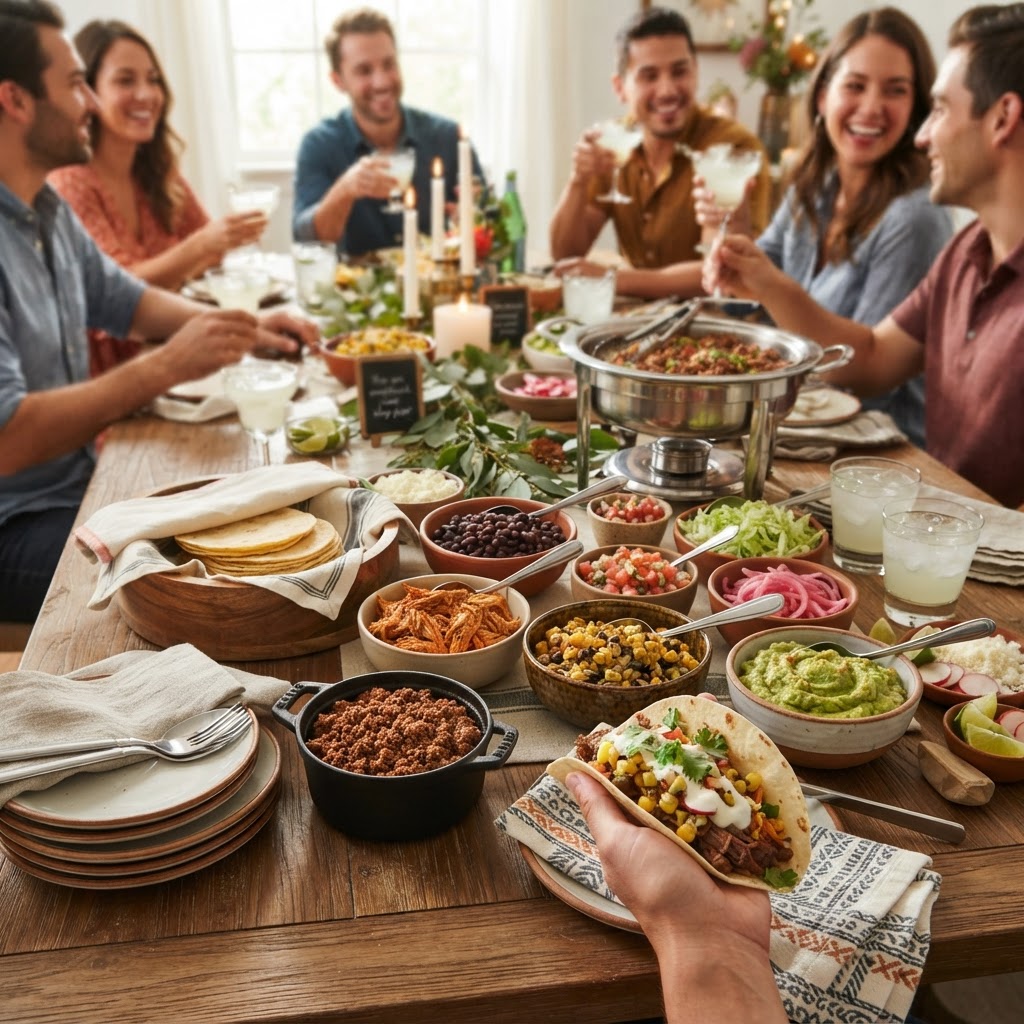
The Art of the "Build-Your-Own" Taco Bar: Mastering Component Ratios and Temperature Retention for Stress-Free, Interactive Hosting
The humble taco, in its myriad forms, has long been a beloved staple in kitchens around the globe. Yet, hosting a taco night can often feel more like a culinary triathlon than a convivial gathering. The scramble to keep fillings warm, the anxiety of under or over-preparing, and the sheer logistical ballet of serving can leave even the most seasoned home cook feeling frazzled. But what if I told you there's a way to transform this potential chaos into an effortless, interactive culinary adventure for both you and your guests? Enter the "build-your-own" taco bar, a concept that, when mastered, elevates taco night from a mere meal to an engaging dining experience. It's about empowering your guests, allowing them to curate their perfect bite, and freeing you, the chef, to actually enjoy the party.
The secret to a truly successful taco bar lies not just in the variety of delicious components, but in the meticulous planning and execution of its presentation and temperature management. It’s a symphony of textures, flavors, and, crucially, temperatures, that needs careful orchestration. Imagine succulent, slow-cooked meats still steaming, vibrant, crisp salsas offering a refreshing counterpoint, and creamy, cool toppings that tie everything together. Achieving this balance requires a deep understanding of how different ingredients behave and how to keep them at their ideal eating temperature throughout the serving period. This isn't about advanced molecular gastronomy; it's about practical kitchen wisdom and a few clever tricks that even professional chefs rely on to ensure every guest's taco is a masterpiece.
This post is your ultimate guide to conquering the taco bar. We'll delve into the art of component selection, focusing on creating a harmonious interplay of flavors and textures that caters to a range of palates. More importantly, we'll unpack the critical elements of temperature retention and component ratios, transforming you from a stressed-out host into a confident culinary conductor. By the end of this guide, you’ll have the knowledge and confidence to host a taco night that is not only delicious and memorable but also remarkably stress-free, allowing you to savor the company and the incredible food you’ve created.
The Foundation: Tortilla Triumph
The tortilla is the unsung hero of any taco, the edible vessel that cradles all the deliciousness within. Yet, it’s often an afterthought, relegated to a cold, stiff cornucopia of disappointment. A truly exceptional taco bar begins with a commitment to serving tortillas that are as warm, pliable, and flavorful as the fillings themselves. This isn't a difficult feat, but it requires a conscious effort and a few simple techniques that make a world of difference. Overlooking this crucial element is like building a magnificent house on a shaky foundation – the whole experience suffers.
Warming Techniques: Beyond the Microwave
While the microwave offers a quick fix, it often results in rubbery, unevenly heated tortillas. For superior results, we need to explore more nuanced methods. Steaming is a fantastic option for corn tortillas, helping them regain their pliability and imparting a subtle moisture. You can achieve this by wrapping a stack of corn tortillas in a damp paper towel and microwaving for 30-60 seconds, or more elegantly, by using a steamer basket over simmering water for a few minutes. For flour tortillas, a dry skillet or griddle is your best friend. A gentle heat, around medium-low, is key. Place a tortilla on the hot surface for about 15-30 seconds per side, just until it becomes soft and slightly puffed. Avoid overcrowding the pan; cook them in batches as needed.
"The tortilla is not just a delivery system; it's an integral part of the taco's flavor profile and texture. Treat it with the respect it deserves, and your guests will notice."
Another highly effective, albeit slightly more hands-on, method is to warm them directly over a gas flame. This is particularly effective for corn tortillas, imparting a slight char and a wonderfully smoky aroma. Hold the tortilla with tongs, rotating it over a medium-low flame for about 10-15 seconds per side, until it’s pliable and slightly blistered. Be cautious, as this method requires attention to avoid burning. For larger gatherings, consider investing in a tortilla warmer, a specially designed insulated container that keeps tortillas warm for an extended period. Alternatively, a slow cooker on the "warm" setting can also be adapted by placing a layer of clean kitchen towels inside, then adding the warmed tortillas.
Keeping Them Toasty: The Logistics of Warmth
The real challenge with tortillas, especially for a larger group, is keeping them warm throughout the serving period. This is where thoughtful staging comes into play. If you're serving immediately, a stack wrapped in a clean kitchen towel inside a lidded container works well. For longer events, the aforementioned tortilla warmer or a modified slow cooker is ideal. The key is to insulate them. Avoid leaving them exposed to the air for too long, as they will inevitably cool and stiffen. If you’re using a large serving platter, consider placing a layer of foil on the bottom, then a stack of tortillas, and covering them tightly with foil and then another towel.
Tortilla Ratios: How Many is Enough?
A common pitfall is underestimating the number of tortillas needed. It’s a guest's prerogative to go back for seconds, or even thirds! A good rule of thumb is to plan for at least 3-4 tortillas per person. This accounts for different appetites and the possibility of guests experimenting with various filling combinations. Remember to offer both corn and flour tortillas to cater to dietary preferences and flavor profiles. Corn tortillas, with their slightly nutty and earthy notes, pair beautifully with bolder, spicier fillings, while flour tortillas offer a softer, more neutral canvas for a wider array of ingredients.
The Stars of the Show: Protein Powerhouses
The heart of any taco bar lies in its protein offerings. This is where you can truly showcase your culinary prowess and cater to diverse tastes. The goal is to provide a selection that offers variety in flavor, texture, and cooking method, ensuring there’s something for everyone, from the adventurous eater to the mild-mannered. Think beyond the standard ground beef taco; aim for a curated selection that elevates the entire experience.
Slow-Cooked Wonders: The Magic of Time
Proteins that benefit from slow, moist cooking are ideal for taco bars because they become incredibly tender and flavorful, and are relatively easy to keep warm. Carnitas, for instance, a Mexican braised pork, is a showstopper. Traditionally slow-cooked in lard, a more accessible home version involves braising pork shoulder (Boston butt) in its own juices, broth, and aromatics like citrus, onion, and garlic until fork-tender, typically for 3-4 hours at around 300-325°F (150-160°C). Once tender, the meat can be shredded and then crisped up under the broiler or in a hot skillet. This allows for a beautiful contrast between tender, juicy interior and crispy, caramelized edges.
Another excellent slow-cooked option is barbacoa. Traditionally made with lamb or goat, beef cheek or chuck roast is a readily available substitute. It’s typically braised with chiles, spices, and sometimes a touch of vinegar until it melts in your mouth. The braising liquid is often rich and flavorful, and can be spooned over the shredded meat to keep it moist. Shredded chicken or turkey, braised in a flavorful broth with spices and perhaps some diced tomatoes or salsa verde, also works wonderfully. The key with all slow-cooked meats is to braise them in enough liquid so that you can spoon some of that flavorful liquid over the meat when serving, preventing it from drying out.
Quick-Cooked Favorites: Flavor in a Flash
For those times when you have less prep time, or to offer a lighter option, quick-cooked proteins are a great addition. Ground meat is a classic, but elevate it by using a blend of beef and pork for richer flavor, or by incorporating robust seasonings like chili powder, cumin, smoked paprika, and a pinch of cayenne. Sautéing onions and garlic before adding the meat builds a deeper flavor base. Don’t be afraid to add a splash of beef broth or tomato sauce towards the end of cooking to keep it moist.
Shrimp is another excellent quick-cooking option. Sautéing shrimp with garlic, lime juice, and a touch of chili powder takes mere minutes. For a taco bar, cook them à la minute (just before serving) to prevent them from becoming tough and rubbery. Alternatively, you can marinate and quickly grill or pan-sear them. Blackened fish (like tilapia, cod, or mahi-mahi) seasoned with a bold spice blend and seared in a hot cast-iron skillet also makes for a delicious and visually appealing taco filling. The key here is high heat and quick cooking to retain moisture and texture.
Vegetarian & Vegan Stars: Beyond the Basics
A truly inclusive taco bar offers compelling vegetarian and vegan options. Black beans are a taco bar staple, but elevate them by simmering them with sautéed onions, garlic, cumin, and a touch of smoked paprika, rather than just serving them plain. Refried beans (ensure they are made with vegetable oil for a vegan option) are also a crowd-pleaser. For a heartier vegan protein, consider spiced lentils, which can be simmered until tender and seasoned similarly to ground meat. Roasted sweet potatoes or butternut squash, tossed with chili powder, cumin, and a drizzle of maple syrup, offer a naturally sweet and savory element.
"Don't treat vegetarian options as an afterthought. A well-seasoned and thoughtfully prepared plant-based filling can be just as, if not more, exciting than its meat counterparts."
A fantastic plant-based filling is seasoned jackfruit. Young green jackfruit, when cooked down, has a texture remarkably similar to pulled pork. Sauté it with onions, garlic, and then braise it in a BBQ sauce or a smoky taco seasoning blend until tender and shreddable. Cauliflower, roasted with taco spices, can also mimic the texture of shredded chicken and is a delicious, healthy option. The goal is to create fillings that are flavorful, textured, and satisfying on their own.
The Supporting Cast: Salsas, Creams, and Crumbles
Beyond the tortillas and proteins, the supporting cast of toppings is what truly allows guests to personalize their tacos and create unique flavor experiences. This is where you can play with vibrant colors, refreshing acidity, and creamy textures. Think of these as the accent pieces that complete the culinary mosaic.
Salsas: A Spectrum of Spice and Freshness
Salsas are non-negotiable for any taco bar. Aim for at least two, ideally three, to offer a range of heat levels and flavor profiles. Pico de gallo is a must-have fresh salsa. It’s a simple, no-cook mix of finely diced fresh tomatoes, white onion, jalapeño (seeds removed for less heat), cilantro, and lime juice. The key to great pico de gallo is the quality of your tomatoes and the fineness of the dice. Let it sit for at least 15-20 minutes before serving to allow the flavors to meld.
For a cooked salsa, salsa roja (red salsa) is a classic. This can range from a simple blend of roasted tomatoes, onion, garlic, and chili peppers (like arbol or guajillo) puréed and simmered, to a more complex mole-inspired sauce. A salsa verde, made with tomatillos, onion, garlic, and jalapeño or serrano peppers, offers a delightful tangy and bright counterpoint to richer fillings. Roasting the tomatillos and peppers before blending intensifies their flavor. Consider a spicy salsa for the heat-seekers, perhaps a habanero or a ghost pepper salsa (use with caution!).
"Variety in salsa is key. Offer a spectrum from mild and fresh to smoky and spicy to cater to every palate and to complement the diverse protein options."
Creamy Coolers: Balancing the Heat
To temper the spice and add richness, creamy elements are essential. Sour cream is a classic, but consider offering Mexican crema, which is slightly richer and less tangy. For a dairy-free option, avocado crema is fantastic. Blend ripe avocados with lime juice, a touch of water or plant-based milk, cilantro, and a pinch of salt until smooth and creamy. This also doubles as a delicious dairy-free topping. Guacamole is another winner, though it can be time-consuming and prone to browning. If you include it, prepare it as close to serving time as possible, or press plastic wrap directly onto its surface to minimize air exposure.
Crunchy Bits & Fresh Herbs: Texture and Aroma
Don't forget the textural elements that add crunch and visual appeal. Shredded lettuce (iceberg for crispness, romaine for a bit more substance) is a classic. Pickled red onions are a revelation – thinly sliced red onions soaked in a mixture of vinegar, sugar, and salt for at least an hour. They add a beautiful pink hue and a delightful sweet-tart crunch. Crumbled cotija cheese (a salty, firm Mexican cheese) or queso fresco provides a salty, savory element. For a vegan alternative, a sprinkle of nutritional yeast or a seasoned almond ricotta can work. Finally, fresh cilantro is a must for its bright, herbaceous flavor.
Mastering the Art of Temperature Retention
This is arguably the most critical, yet often overlooked, aspect of a successful taco bar. Serving cold fillings alongside warm tortillas, or vice versa, is a culinary faux pas that can ruin the entire experience. The goal is to keep each component at its optimal serving temperature for the duration of the meal. This requires strategic planning and the use of appropriate tools.
Hot Holding: The Warm Embrace
For your hot fillings – the proteins and any warm salsas – effective hot holding is paramount. Slow cookers are your best friends here. Most slow cookers have a "warm" setting which is perfect for maintaining food temperature without overcooking. For braised meats like carnitas or barbacoa, simply transfer them to a slow cooker on the "warm" setting after shredding and crisping (if applicable). Spoon some of the braising liquid over them to keep them moist. Ensure the slow cooker is filled at least halfway to maintain an even temperature.
"The 'warm' setting on your slow cooker is a game-changer for taco bar success. It provides consistent, gentle heat to keep your fillings perfect without drying them out."
Another effective method for cooked items is using chafing dishes. While more common for catering, they can be a great investment for frequent entertainers. The water bath (bain-marie) system used by chafing dishes provides even heating and prevents scorching. If you don't have chafing dishes, you can create a makeshift bain-marie by placing a heatproof bowl over a pot of simmering water on the stovetop. This is ideal for keeping things like refried beans or warm salsas at temperature, though it requires more active management. For proteins that you want to keep hot but don't want to sit in liquid, oven-safe dishes placed in a low oven (around 200°F / 95°C) can also work.
Cold Holding: The Chilled Counterpoint
The opposite is true for your cold components: salsas (like pico de gallo), guacamole, shredded lettuce, cheese, and sour cream. These need to be kept refreshingly cool. Ice baths are the most effective and practical method for home entertaining. Place your serving bowls inside larger bowls or trays filled with ice. This will keep your salsas, creams, and chopped vegetables chilled and crisp. For larger gatherings, consider using insulated serving containers designed to keep food cold.
For salsas that are intended to be room temperature but not warm (like some simpler chopped vegetable salsas), simply placing them on the serving table is fine, but ensure they are not in direct sunlight or near a heat source. For items like guacamole that are particularly sensitive to oxidation and temperature, preparing them closer to serving time and keeping them in a chilled environment (like the refrigerator) until the last moment is key.
The Art of Assembly: Staging for Success
The way you arrange your taco bar also plays a role in temperature retention and guest flow. Place your warm elements together and your cold elements together. This creates distinct zones and prevents the cold from migrating to the warm and vice versa. Position the tortillas at the beginning of the line, followed by the proteins, then the salsas, creams, and finally the crunchy toppings and garnishes. This logical flow ensures guests can build their tacos efficiently.
The Golden Ratios: Balancing Flavors and Textures
Beyond just having a variety of ingredients, the real magic of a build-your-own taco bar lies in the thoughtful ratios of components. This ensures that every taco, regardless of how it’s assembled, offers a balanced and delicious experience. It’s about creating a harmonious interplay of flavors, textures, and temperatures that delights the palate.
The Meat-to-Topping Equilibrium
A common mistake is to have an overwhelming amount of protein compared to toppings, or vice versa. Aim for a generous but not excessive amount of protein per person. As a general guideline, plan for 4-6 ounces (about 115-170 grams) of cooked protein per person. This ensures that guests can create at least two hearty tacos, with potential for more if they choose.
For toppings, the ratio is more about variety and opportunity for layering. You want enough salsa to provide moisture and flavor, enough creamy elements to add richness and temper spice, and enough crunchy elements for textural contrast. A good starting point is to have roughly 1/3 the volume of toppings as protein. So, for every 10 ounces of cooked protein, you’d aim for about 3-4 ounces of combined toppings (salsas, creams, etc.). This is a flexible guideline, of course, but it ensures you’re not short on the accouterments that make a taco sing.
The Tortilla's Role: The Perfect Hug
The tortilla is the foundation, and its size and pliability significantly impact the taco experience. Offer two sizes of tortillas if possible: standard 6-inch for a classic taco, and smaller 4-inch for mini tacos or for those who prefer a lighter bite. Ensure they are consistently warm and pliable. The tortilla should be large enough to hold the fillings without spilling, but not so large that it becomes unwieldy. A good rule of thumb is that the filling should comfortably fit within the circumference of the folded tortilla.
Flavor Profiles: The Symphony of Taste
When selecting your components, think about how they will interact. If you have a spicy protein, offer a cooling crema or a mild salsa. If your protein is rich and fatty, provide a bright, acidic salsa or pickled onions to cut through the richness. A good taco bar should offer a spectrum of flavors:
Savory:* Proteins, refried beans, cheeses.
Spicy:* Salsas, jalapeños.
Tangy/Acidic:* Salsa verde, lime juice, pickled onions.
Fresh/Herbaceous:* Cilantro, pico de gallo, shredded lettuce.
Creamy/Rich:* Sour cream, guacamole, cheese.
Sweet:* Roasted sweet potatoes, a hint of sugar in pickled onions.
The goal is to give guests the tools to create a balanced bite with every combination they choose.
Professional Chef Tips for Effortless Entertaining
As a chef, the goal is to create delicious food while maintaining your sanity. The taco bar, when approached with a strategic mindset, is a fantastic vehicle for exactly that. It’s about leveraging make-ahead components and efficient staging to minimize last-minute stress.
The Power of Prep: Mise en Place Elevated
The cornerstone of effortless entertaining is thorough mise en place. For a taco bar, this means doing as much as possible before your guests arrive.
Proteins:* Slow-cook your braised meats the day before. Shred them and store them in their braising liquid. On the day of, gently reheat them and, if desired, crisp them up. Ground meats and quick-cooked proteins should be prepared just before serving, but all chopping and seasoning should be done in advance.
Salsas:* Pico de gallo and other fresh salsas benefit from resting, so make them a few hours ahead. Cooked salsas can be made the day before and gently reheated.
Toppings:* Chop onions, lettuce, cilantro, and any other vegetables well in advance and store them in airtight containers in the refrigerator. Pickled onions should be made at least a day ahead. Grate cheese ahead of time.
Sauces/Creams:* Prepare guacamole and avocado crema shortly before serving. Sour cream or Mexican crema can be put out as is.
"The secret to stress-free hosting isn't about magic; it's about **relentless mise en place**. Do as much as you possibly can the day before."
Staggered Cooking and Serving
Don't try to have everything piping hot and perfectly assembled at the exact moment guests arrive. Stagger your cooking and serving times. For instance, your slow-cooked meats can be kept warm in their slow cookers throughout the serving period. Quick-cooked items like shrimp or blackened fish should be prepared in batches right before guests start serving themselves, or even have guests serve themselves the other items first while you finish these last-minute additions.
Presentation is Key: A Visually Appealing Spread
A well-presented taco bar is more inviting and makes the food look even more delicious.
Use attractive serving dishes:* Ceramic bowls, colorful platters, and small ramekins can elevate the look.
Label everything:* This is especially important if you have dietary options (vegan, gluten-free) or varying spice levels. Small chalkboards, cute tents, or even simple handwritten cards work well.
Consider height and layers:* Use risers or cake stands to create visual interest and make it easier for guests to access all the components.
Garnishes:* A few extra sprigs of cilantro or lime wedges can add a professional flourish.
The "Chef's Choice" Taco
Consider preparing one signature taco for yourself or as an example for your guests. This can be a great way to showcase a particularly delicious combination or a special ingredient. It also takes the pressure off you to constantly be assembling tacos while guests are there.
The Interactive Element: Engaging Your Guests
The beauty of a build-your-own taco bar isn't just in the food; it’s in the interactive experience it creates. It transforms dining from a passive activity into a collaborative and fun culinary adventure. This element of choice and personalization is what makes it a truly memorable hosting occasion.
Empowering the Diner
By providing a diverse array of high-quality components, you empower your guests to become the chefs of their own tacos. They can cater to their specific cravings, experiment with different flavor combinations, and adjust the spice level to their liking. This level of control is incredibly satisfying for diners and ensures that everyone leaves happy, having created their perfect taco. It's a democratic approach to dining that fosters engagement and conversation.
Conversation Starter and Connection
A taco bar naturally encourages mingling and conversation. Guests will often discuss their taco creations, share topping recommendations, and even exchange "secret ingredient" tips. It breaks down social barriers and provides a common, enjoyable activity for everyone to participate in. It’s a relaxed and informal way to connect with friends and family, making your gathering feel more like a party and less like a formal dinner.
"A build-your-own taco bar isn't just a meal; it's an event. It fosters interaction, encourages creativity, and ensures every guest leaves with a personalized culinary masterpiece."
Catering to Dietary Needs with Ease
This format is incredibly forgiving when it comes to dietary restrictions and preferences. With thoughtful planning, you can easily accommodate vegetarians, vegans, gluten-free eaters, and those with other allergies. By clearly labeling your components (e.g., "Vegan," "Gluten-Free," "Spicy"), you make it simple for guests with specific needs to navigate the bar confidently and safely. This inclusivity makes everyone feel welcome and cared for, a hallmark of exceptional hosting.
Final Thoughts
Hosting a taco night doesn't have to be a stressful undertaking. By embracing the "build-your-own" taco bar concept and mastering the art of component ratios and temperature retention, you can transform a potentially chaotic meal into an effortlessly elegant and highly interactive dining experience. It’s about preparation, strategic staging, and understanding how to keep your ingredients at their absolute best. From the perfectly warmed tortilla to the slow-cooked, tender protein, and the vibrant, fresh salsas, every element plays a crucial role in creating a harmonious and delicious taco.
Remember that the key to success lies in preparation. Do as much as you can in advance, from braising meats to chopping vegetables and preparing salsas. Utilize tools like slow cookers and ice baths to maintain optimal temperatures for both hot and cold components. Don't underestimate the importance of a good variety of toppings – they are the building blocks of a truly personalized taco. And finally, remember that the interactive nature of a taco bar is its greatest asset. It encourages guests to engage, experiment, and connect, making your gathering memorable for all the right reasons. So, embrace the art of the taco bar, and let your next hosting event be a delicious triumph.

Get the Next Recipe
Weekly recipes, techniques, and gear picks — straight to your inbox.
