The Art of the Cheese Board
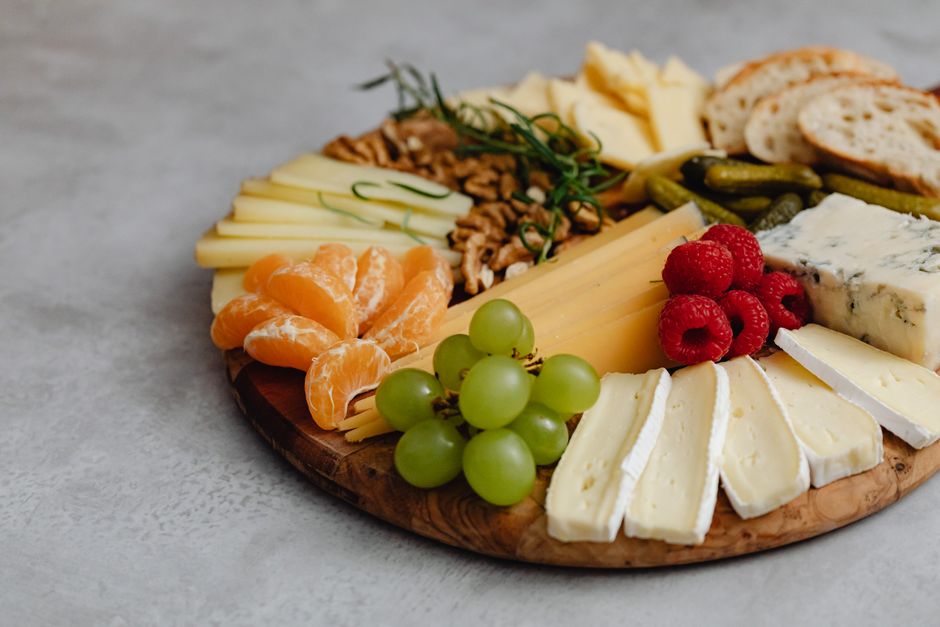
When it comes to entertaining, a well-crafted cheese board can be the centerpiece that elevates an ordinary gathering into an extraordinary experience. A cheese board is not just a simple platter of cheese and crackers; it’s a canvas that allows you to showcase your creativity and palate. The art of assembling a cheese board lies in balancing flavors, textures, and colors to create an inviting display that encourages social interaction. As guests gather around, the cheese board becomes a delectable focal point, sparking conversation and engagement, ultimately enhancing the joy of your event.
Whether you're organizing a formal dinner party or a casual get-together with friends, a thoughtfully curated cheese board can impress and delight your guests. The beauty of cheese boards is that they cater to various tastes and dietary preferences, promoting inclusivity in your culinary offerings. By incorporating different types of cheeses, accompaniments, and aesthetics, you can build a cheese board that reflects your style while showcasing seasonal ingredients and local products. Additionally, creating a cheese board can be an enjoyable process, allowing you to experiment with pairings and combinations that surprise the taste buds.
To master the art of the cheese board, you'll want to consider several fundamental aspects, including the selection of cheese, the balance of flavors, presentation, and complementary accompaniments. In this comprehensive guide, we'll navigate through these essential elements, providing tips and tricks that can help you become not just a host but the star of your own culinary gathering. So, let’s dive in, and uncover the secrets to designing a stunning cheese board that will leave your guests raving long after the last bite.
Understanding Cheese Types
A successful cheese board starts with the selection of cheese. Understanding the types of cheese available and how they work together is essential in creating a harmonious platter. There are essentially four main categories of cheese to consider:
1. Fresh Cheese
Fresh cheeses are unaged and have a creamy texture with a mild flavor. Some popular examples include:
These cheeses are fantastic for adding creaminess to your board and often work well with sweet accompaniments like honey, fruits, or jams.
2. Soft Cheese
Soft cheeses contain more moisture and are spreadable, offering a richer taste. Think of:
Soft cheeses can be complemented by crackers, breads, or even fruits like apples and pears that can balance their strong flavors.
3. Semi-Hard Cheese
These cheeses have a firmer texture and a more complex flavor profile. This category includes varieties like:
Semi-hard cheeses are versatile and pair beautifully with both sweet and savory accompaniments, making them essential staples on your board.
4. Hard Cheese
Hard cheeses are aged for longer periods, giving them robust and intense flavors. Some excellent examples are:
These cheeses should be paired with hearty accompaniments, such as flavorful nuts and cured meats, adding depth and satisfaction.
Understanding these categories will guide you in selecting cheeses that complement each other and add variety to your board. When choosing cheeses, aim for a selection that covers different milk types (cow, goat, sheep) and textures to create a well-rounded experience.
"A great cheese board is all about contrast; mix soft with hard, and mild with bold."
Selecting Accompaniments
Once you've assembled your cheese choices, the next step is to select the perfect accompaniments. This can elevate your cheese board by adding flavor, texture, and visual appeal. Here’s how to select accompaniments that will create a memorable experience.
1. Bread and Crackers
A cheese board should always include an assortment of breads and crackers that complement your selected cheeses. Here are some ideas:
2. Fruits
Fresh and dried fruits bring sweetness and acidity that can enhance the flavors of the cheeses. Consider these options:
3. Nuts and Seeds
Nuts can add crunch and earthy flavors, harmonizing with the saltiness of cheeses. Choose from these popular options:
You may also consider adding seeds like pumpkin or sunflower seeds for additional variation and health benefits.
4. Spreads and Dips
Spreads can act as flavor enhancers, creating a delightful experience when matched with certain cheeses. Options include:
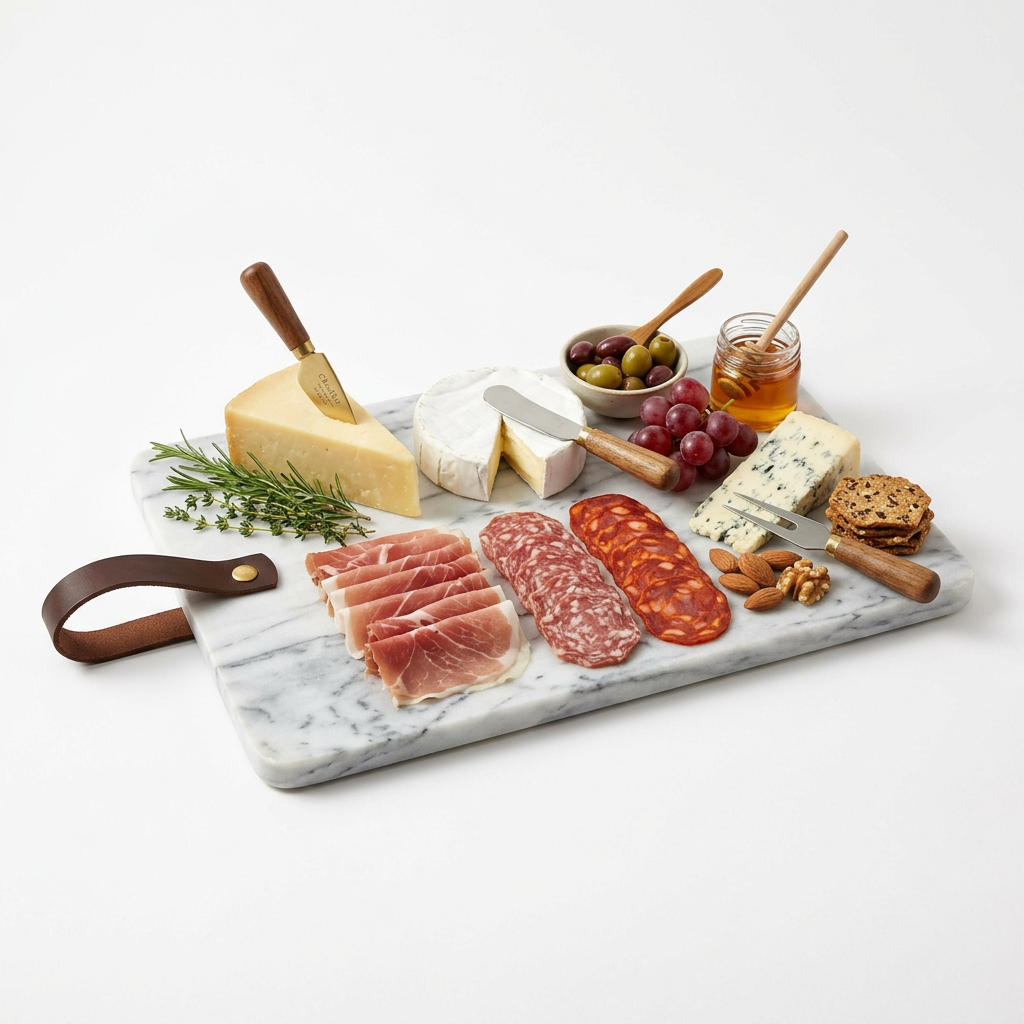
5. Charcuterie
For those wanting a heartier cheese board, consider including charcuterie to introduce savory richness. Options like:
These meats can add flavors that contrast cheese beautifully, providing an all-around captivating palate.
By thoughtfully choosing these accompaniments, you can enhance the taste of the cheeses while also providing your guests a variety of flavors and textures to enjoy. A well-curated assortment ensures that every bite is distinct and memorable.
"The best cheese boards are built on balance; sweet, salty, crunchy, and creamy should all find their place."
Presentation is Key
Once you've gathered your cheese and accompaniments, the final piece of the puzzle is creating a stunning presentation. A visually appealing cheese board can whet the appetite before your guests even take their first bite. Here's how to achieve an impactful display:
1. Selecting the Right Board
Start by choosing a suitable serving board. Here are some tips for selecting the perfect board:
No matter the option you choose, ensure the board is large enough to hold all components without overcrowding.
2. Arranging the Cheeses
When placing the cheeses on your board, consider these layout techniques to keep everything visually engaging:
3. Filling in the Gaps
After arranging cheese, it’s time to fill in the gaps with your accompaniments:
4. Adding Garnishes
To take your presentation a step further, consider adding garnishes or unique elements:
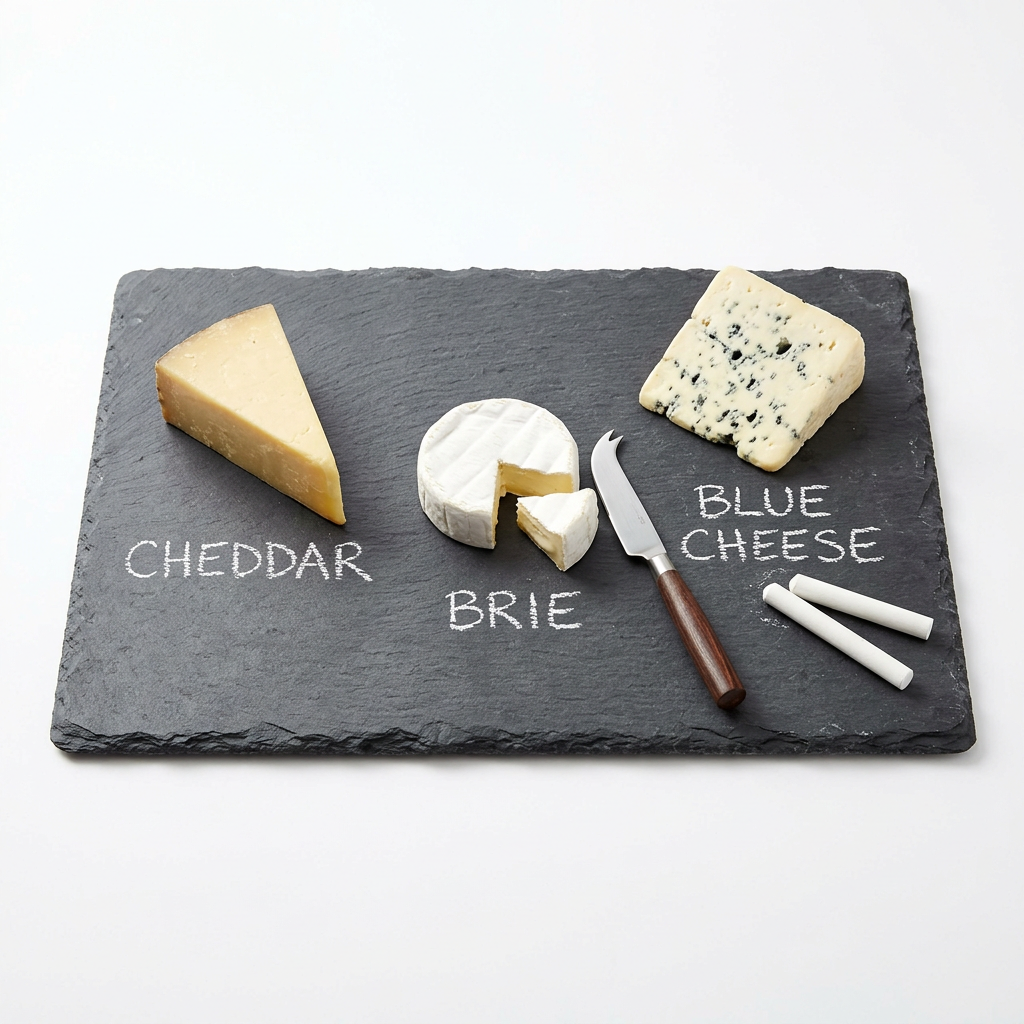
5. Signage
If you’re serving several varieties of cheese, thoughtful signage can enhance your board’s appeal. Using small labels, note the cheese names and flavor profiles. This encourages your guests to explore and makes the experience more interactive.
6. Proper Temperature
Serve your cheeses at their best qualities. Most cheeses should be brought to room temperature approximately 30-60 minutes before serving. This allows the flavors and aromas to fully develop, creating an even more delightful tasting experience.
By taking the time to focus on presentation, you can create an inviting and mouthwatering display that your guests won’t forget. Remember, the aesthetics of your cheese board can speak as loudly as the flavors, signaling to your guests that you’ve put effort into enhancing their experience.
Pairing Drinks with Your Cheese Board
A well-curated drink selection can elevate your cheese board even further. Finding the right beverages to accompany your carefully arranged platter is essential for enhancing flavors. Here’s a look at some popular drink pairings:
1. Wine Pairings
Certain wines can create unparalleled combinations with cheese. Here are some classic pairings to consider:
2. Beer Pairings
For beer enthusiasts, certain styles work exceptionally well with a wide range of cheeses:
3. Non-Alcoholic Options
For those who prefer non-alcoholic beverages, consider serving:
4. Creative Cocktails
For a more adventurous route, you can craft specific cocktails that bring out the best in your cheeses. Think citrusy cocktails for fresh cheeses, or herbal-infused drinks that go hand-in-hand with earthy flavors.
5. Serving Suggestions
Regardless of choices, consider how you serve these beverages with your cheese board:
Integrating complementary beverages creates a cohesive tasting experience that will enhance your guests’ enjoyment of the cheese board. Tailoring each drink to match specific cheeses ensures that every bite provides a burst of flavor, igniting conversations and creating lasting memories.
Seasonality and Themed Cheese Boards
One of the most exciting aspects of crafting cheese boards is the opportunity to align them with different seasons or themes. This can encompass everything from ingredient selection to presentation choices. Tailoring your cheese board to the time of year can elevate the experience and encourage creativity in the kitchen.
1. Seasonal Ingredients
Incorporating foods that are in season adds significant value to your cheese board:
2. Holiday Themes
Consider curating cheese boards that align with specific holidays or celebrations:
3. Cultural Themes
Explore global flavors by selecting cheeses and accompaniments inspired by different cultures:
By harnessing the seasons and cultural influences, you can create unique and memorable experiences around cheese boards that resonate with guests and provide a deeper culinary connection for all.
Conclusion
The art of crafting a beautiful cheese board is an exciting culinary adventure that combines creativity, knowledge, and artistry. By understanding the types of cheeses, selecting appropriate accompaniments, mastering the presentation, and pairing drinks thoughtfully, you will be well on your way to impressing your friends and family.
Moreover, embracing the concepts of seasonality and themes allows you to innovate and personalize your cheese presentations, making them not merely a platter but an impressive reflection of your culinary style.
With practice, you will discover your preferences and develop your techniques, enabling you to elevate any gathering into an exceptional occasion. Remember that the cheese board is not just about the ingredients; it’s about the connections formed and the joyous moments shared around a lovingly crafted culinary centerpiece. So gather your cheeses, unleash your imagination, and get ready to mesmerize your guests!
Happy entertaining!


Get the Next Recipe
Weekly recipes, techniques, and gear picks — straight to your inbox.
