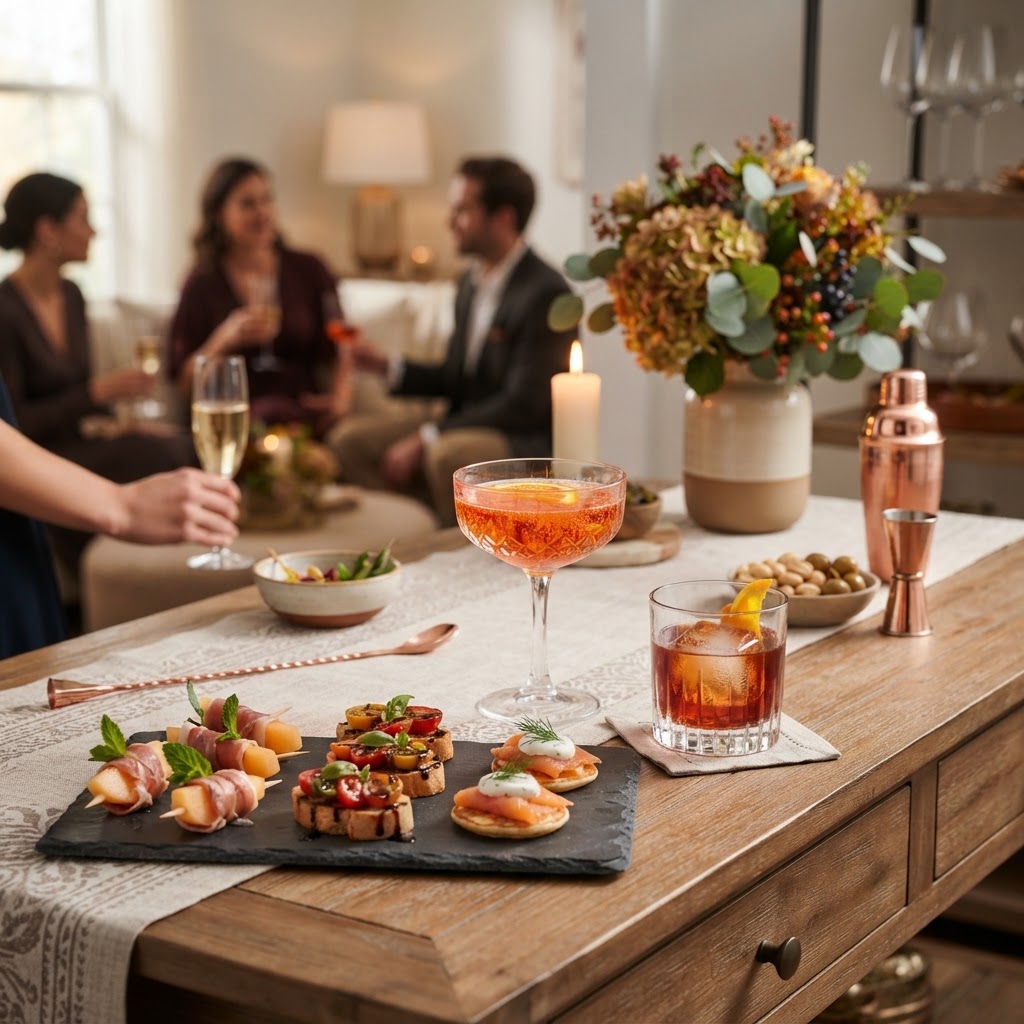
The Art of the "Cocktail Hour" Pairing: Mastering Small Bites and Drink Modalities for a Seamless Dinner Party Arrival
The modern dinner party is often viewed through the lens of the main course, yet seasoned hosts know that the true magic happens the moment the doorbell rings. The cocktail hour acts as the culinary overture to your evening’s symphony, setting a rhythmic pace that dictates the mood for the rest of the meal. By curating a selection of small bites paired with thoughtful drink modalities, you transform a potentially awkward arrival into a seamless, sophisticated transition. This phase of the evening is not merely about suppressing hunger; it is an exercise in sensory hospitality that bridges the gap between the frantic energy of the workday and the intentional stillness of a shared table.
When we talk about the "cocktail hour," we are really talking about the management of expectations and the establishment of flow. A successful transition requires the host to be present, relaxed, and armed with preparations that do not tether them to the kitchen stove. The goal is to curate a space where guests feel immediately welcomed, anchored by a beverage that awakens the palate and a bite that offers a whisper of what is to come later in the evening. By mastering these pairings, you elevate the humble act of "having people over" into a refined ritual that builds anticipation without inducing the heavy fatigue that often accompanies over-served appetizers.
The art of the pairing lies in the delicate balance of acid, salt, fat, and heat. You aren't looking to fill your guests, but rather to stimulate their appetites and provide a tether for the conversation. From the crisp snap of a chilled sparkling wine to the herbaceous depth of a well-balanced gin cocktail, each drink requires a partner that complements its profile rather than competing with it. As we delve into the nuances of timing, temperature, and technique, remember that the most successful host is the one who plans with professional precision and executes with a light, warm touch.
The Architecture of the Apertif: Choosing Your Drink Modality
The foundation of any cocktail hour is the drink, and in the world of professional hosting, we categorize these as modality-based experiences. You are either serving a high-volume, low-effort cocktail, a curated signature pour, or a structured flight. The choice you make determines the equipment you need and, more importantly, the amount of time you will spend shaking, stirring, or pouring once guests arrive. For a seamless experience, I always recommend the batch-cocktail method, which allows you to pre-mix your ratios and store them in the freezer until the moment of service, ensuring the temperature remains consistently glacial.
Temperature and Dilution Control
The secret to a professional-grade cocktail at home is not just the quality of the spirit, but the integrity of the dilution. Whether you are serving a Martini, a Negroni, or a seasonal Spritz, you must account for the water content introduced by your ice. If you are mixing a batch, calculate the volume of liquid and then add approximately 20% to 25% of that volume in filtered water before chilling. This allows the drink to be served neat, straight from the bottle, without the need for additional shaking or stirring that keeps the host away from the conversation.
Glassware as a Communication Tool
Never underestimate the psychological impact of the vessel. A heavy-bottomed rocks glass suggests indulgence and warmth, while a delicate coupe glass signals celebration and refinement. Your glassware should be chilled in the freezer for at least thirty minutes prior to service. This small, pro-chef habit prevents the drink from warming up as the guest moves through the room, keeping the profile sharp and bright from the first sip to the last. Match the glass to the weight of the drink; a heavy, viscous cocktail belongs in a weighted tumbler, while effervescent, light drinks require the geometry of a flute or a high-ball glass.
The host who masters the art of the arrival is the host who has already finished their work before the first guest arrives, leaving only the joy of service behind.
Crafting Small Bites: The Rule of Three
When designing your menu of "small bites," or amuse-bouches, stick to the Rule of Three: one bite that is cold and crisp, one that is warm and savory, and one that is intensely aromatic or acidic. This variety ensures that no matter the palate of your guest, they have an entry point. The cold bite should be prepped hours in advance and stored in the refrigerator, while the warm bite should be something that can be finished in a high-heat oven—no more than 400 degrees Fahrenheit—for less than ten minutes.
The Cold and Crisp Component
The cold component is your anchor for early arrivals. Think of a classic Endive Spear with Blue Cheese and Toasted Walnuts. The endive provides a clean, bitter snap that resets the palate, while the creamy cheese and roasted nut provide the fat and crunch. This bite is incredibly stable; unlike delicate toast points, endive does not get soggy. You can plate these thirty minutes in advance and keep them covered with a damp paper towel in the walk-in or refrigerator, ensuring the leaves remain hydrated and crisp.
The Warm and Savory Element
Warm bites are where you show off your culinary technique. A Gougère—a classic French cheese puff—is the gold standard for a reason. They are airy, intensely flavorful, and easy to execute. To ensure they are perfect, you must master the panade (the cooked flour-water-butter base). Once the mixture has cooled slightly, whisk in your eggs one at a time. The dough should hold its shape on a piping bag. Bake these at 375 degrees until they are golden brown and sound hollow when tapped. You can freeze them unbaked and pop them straight into the oven when guests arrive.
Balancing Flavor Profiles: The Science of Pairing
Pairing is not just about what tastes good; it is about the chemical interaction between the drink and the food. If you are serving a high-acid drink like a French 75, you need a bite that has enough fat to neutralize that acidity, such as a crisp cracker topped with a crème fraîche-based spread. If you are serving a spirit-forward, bitter drink like a Negroni, you need something with a touch of sweetness or a deep savory profile, like a prosciutto-wrapped date filled with goat cheese.
The Acid-Fat Exchange
The goal of the acid-fat exchange is to ensure that the drink cleanses the palate of the fat from the food, and the food takes the edge off the alcohol. This is why charcuterie boards are such a staple; they are essentially an exercise in fat and acid management. When arranging your board, place the saltier items—like aged Manchego or Cured Salami—near the crackers or toasted sourdough. The inclusion of an acidic component, such as cornichons or a tart fruit jam, is essential to keep the palate engaged.
Controlling Salt Levels
One of the most common mistakes in home entertaining is an over-reliance on salt in the appetizers. Because you want your guests to be ready for a multi-course dinner, your small bites should be "under-salted" by roughly 10% compared to a main course. The salt on the palate should be a highlight, not the dominant flavor. Use fleur de sel as a finishing touch rather than a primary seasoning agent during the cooking process; this allows for a localized pop of flavor that disappears quickly, leaving the palate clean for the next sip of a cocktail.
A pairing is only successful when the bite and the sip leave the guest wanting more, not overwhelmed by a single intense flavor.
Logistics: The Host’s Invisible Workflow
A successful cocktail hour is invisible to the guest. You should not be seen chopping herbs or scouring pots while someone is trying to tell you about their week. This is where the "mise-en-place" principle comes into play. Everything must be pre-measured, pre-portioned, and pre-arranged on serving platters before the doorbell rings. I categorize my workflow into three phases: the "Prep-Shift," the "Staging-Shift," and the "Service-Shift."
The Prep-Shift (T-Minus 24 Hours)
Spend your day before the party batching your cocktails and prepping your produce. If you are making a tapenade or a dip, make it a day early to allow the flavors to marry. Blanch your vegetables and shock them in an ice bath to lock in their vibrant color. By finishing all the heavy lifting a day early, you ensure that the day of the event is reserved for final plating and mental preparation, which keeps you calm and present.
The Staging-Shift (T-Minus 2 Hours)
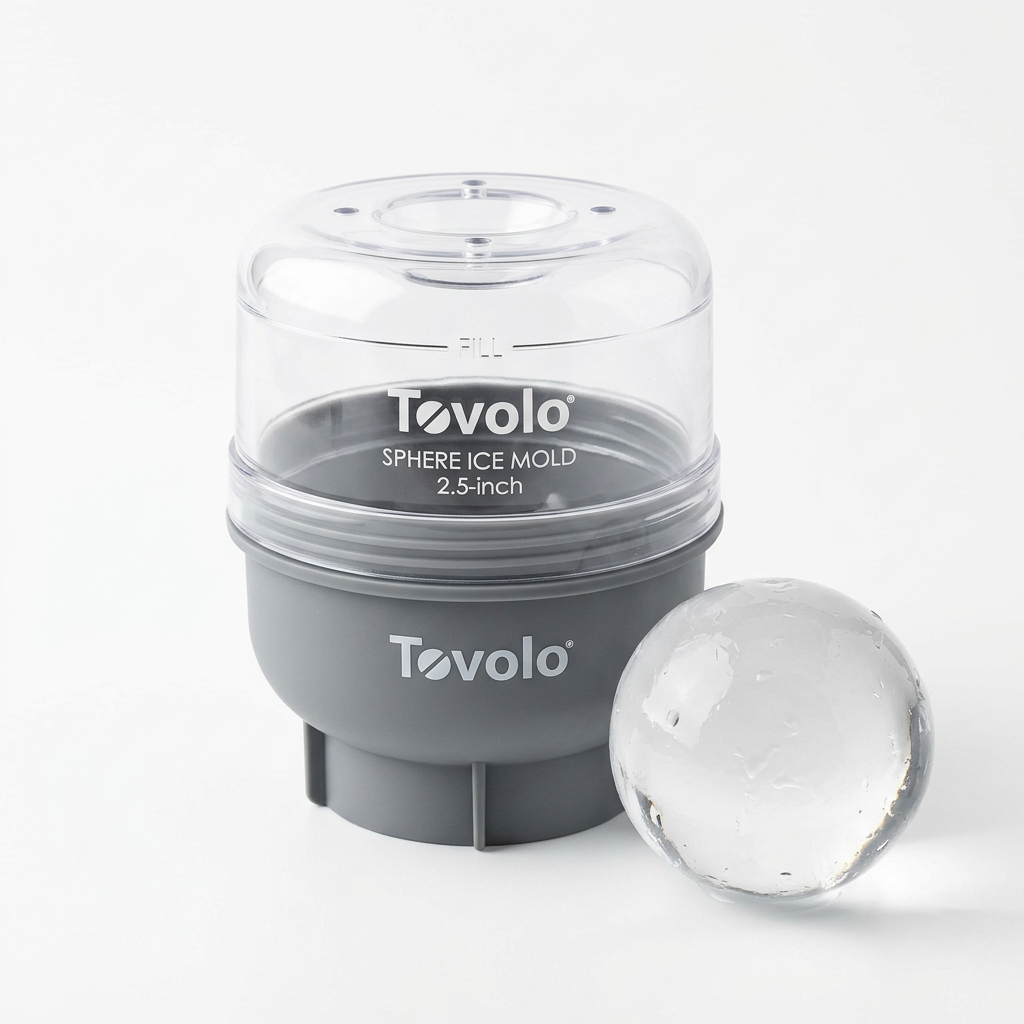
Two hours before the party, set up your "drinks station." This should be away from the kitchen workspace to prevent bottle-necking. Place your chilled glasses, your pre-batched drinks, a bucket of high-quality, clear ice (the size and density of your ice matters—large cubes melt slower), and your garnishes. Having this area fully autonomous allows guests to serve themselves if they arrive while you are finishing the final touches on your warm bites, preventing the host from becoming a bartender.
Elevating the Presentation: Visual Storytelling
Food is enjoyed with the eyes long before it touches the tongue. Your presentation during the cocktail hour should reflect the season. In the summer, use light, bright colors—radishes, cucumbers, lemon zest—and serve drinks in clear, tall glasses. In the winter, lean into darker tones—figs, toasted nuts, rosemary sprigs—and use heavier, more ornate glassware. The visual cohesion of your table acts as a silent host, welcoming your guests into the aesthetic world you have built for them.
Garnish Discipline
Garnishes are not decorative afterthoughts; they are aromatic enhancers. A twist of lemon peel over a gin cocktail releases citrus oils that transform the nose of the drink. A sprig of slapped mint added to a cocktail provides a burst of fresh fragrance that hits the guest before they even take a sip. When choosing garnishes, ensure they are edible and fresh. Avoid the urge to over-garnish. One perfect, high-quality sprig of rosemary or a single, pristine zest is superior to a cluttered plate.
The Art of the Platter
When arranging your bites on a platter, leave "negative space." A crowded platter looks chaotic and makes the food feel less valuable. By spacing your items, you invite the guest to pick up the food with ease. Use natural materials like slate, wood, or marble to ground your food, and always ensure that the platters are at a comfortable height. A low table can be difficult for guests to reach, so try to keep your bite-sized offerings at a surface level that facilitates easy movement.
Navigating Dietary Requirements and Preferences
In the modern culinary landscape, the considerate host is one who anticipates dietary restrictions without making a spectacle of them. Before sending out invitations, include a subtle line asking for any dietary needs. Plan your menu so that at least 50% of your small bites are naturally gluten-free, vegetarian, or dairy-free. By doing this, you avoid the need to make "special plates" for certain guests, allowing everyone to participate in the same dining experience.
The Universal Bite
Focus on ingredients that are inherently versatile. Roasted nuts with cumin and sea salt, marinated olives with citrus zest, or skewers of grapes and feta are universally accessible and require very little modification. When you design a menu around high-quality, seasonal vegetables and simple preparations, you naturally move away from heavy, allergen-prone ingredients like excessive flour or refined sugars, leading to a lighter, more vibrant appetizer selection.
Managing Alcohol-Free Options
The cocktail hour is shifting. Many guests now appreciate a high-quality, non-alcoholic option that is treated with the same level of care as a classic cocktail. Do not settle for a basic soda or juice. Create a house-made shrub or a complex tea-based tonic. A hibiscus and ginger infusion served in a chilled coupe glass with a lime twist offers the same ritualistic experience as a Negroni, ensuring that your non-drinking guests feel just as included in the sensory experience of the party.
Troubleshooting the Flow: Handling the Unexpected
Even the most meticulous planners face the occasional hiccup. A guest arrives an hour early, a platter falls, or a batch of gougères fails to rise. The hallmark of a seasoned host is their reaction to these moments. The "Blame The Chef" approach is to maintain a sense of humor and keep the focus on the company, not the catastrophe. If something fails, pivot immediately to a secondary option that you have already stashed in your pantry—like high-quality crackers and a jar of premium tapenade.
The Host’s Emergency Kit
Always have an "emergency stash" hidden in the pantry. This should include items that require zero preparation but offer high flavor impact. Good options include:
When to Abandon the Plan
If a guest arrives early and you are still in the final stages of prep, do not apologize. Hand them a drink, direct them to a comfortable chair, and continue your work. By modeling calm, you give them permission to relax. A guest who sees a host rushing and apologizing often feels guilty or out of place. A guest who sees a host working with purpose and grace feels part of the excitement. Your confidence is the most important ingredient in the room.
Final Thoughts
Mastering the cocktail hour is a journey of refinement. It is about understanding that your role as a host is not just to provide calories and alcohol, but to curate an experience that honors your guests. By focusing on temperature control, strategic timing, and the intentional pairing of flavors, you create a seamless arrival that allows everyone—including you—to settle into the evening with joy.
Remember that perfection is not the goal; connection is. If your gougères aren't perfectly puffed, or if the music is a touch too loud, don't let it dampen your spirit. The "art" of the cocktail hour is found in the ability to pivot, laugh, and focus on the people who have gathered at your table. Keep your ingredients simple, your preparations advance, and your heart open to the spontaneity that makes a dinner party come alive.
As you move forward into your next hosting endeavor, look back at these techniques not as strict rules, but as a framework for your own culinary expression. Experiment with different ratios, find the spirits that speak to your personal palate, and never stop looking for the next combination of flavors that will surprise and delight your friends. You are the conductor of this small, intimate symphony, and with every hour spent in the kitchen, you are building the skills that define a true, welcoming home. Cheers to the effort, the planning, and the beautiful, imperfect, and wonderful moments that follow once the first cork is pulled.

Get the Next Recipe
Weekly recipes, techniques, and gear picks — straight to your inbox.
