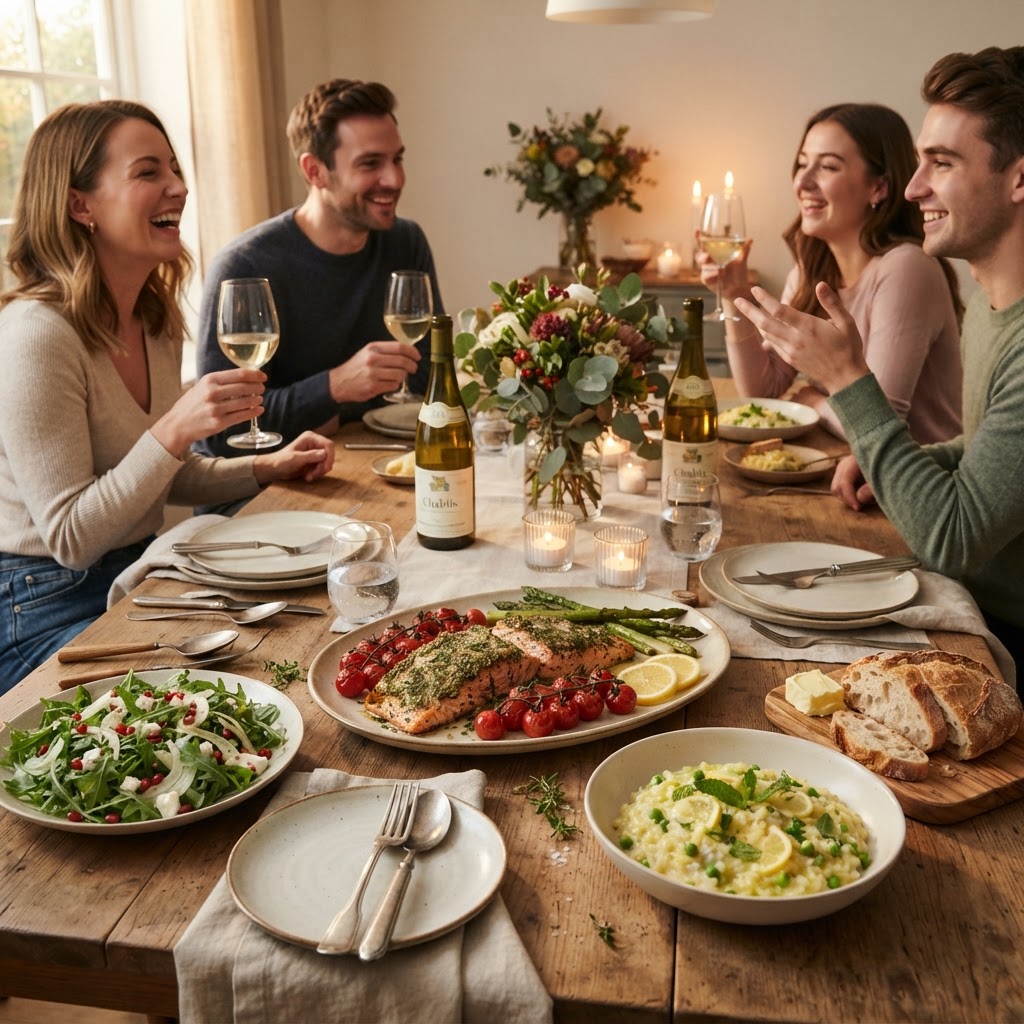
The Art of the Dinner Party Menu: How to Balance Flavors, Textures, and Prep for an Effortless Hosting Experience
There is an undeniable magic to the act of hosting a dinner party, a delicate dance between the kitchen and the living room that separates the casual cook from the true entertainer. Many home cooks view the prospect of putting together a multi-course menu as an exercise in high-stress endurance, often leading to a night spent tethered to the stove while guests languish with empty glasses in the other room. However, the secret to hosting isn't found in a frantic, last-minute sprint to plate complicated components, but rather in the thoughtful, calculated architecture of the menu itself. By understanding the interplay of acid, fat, salt, and crunch, you can transform your kitchen from a site of chaotic labor into a sanctuary of culinary confidence. When you strip away the intimidation factor, you realize that the most memorable evenings are rarely those defined by technical perfection, but rather by the seamless flow of food, wine, and conversation.
To achieve this elusive state of "effortless hosting," one must adopt the mindset of a professional chef, focusing heavily on mise-en-place—the practice of having everything in its place before the first guest even rings the doorbell. This philosophy extends beyond mere chopping and measuring; it is about creating a logistical roadmap that respects your time and energy as much as the palate of your guests. A successful dinner party is a narrative, and every dish you serve is a chapter that must transition logically to the next, building momentum rather than overwhelming the senses. By carefully selecting ingredients that can be prepped in advance and employing techniques that allow for gradual service, you remove the "blame" from the chef and replace it with the cool, collected grace of a seasoned host. It is time to retire the apron-clad panic and embrace a methodology that ensures you are actually present for the party you worked so hard to create.
Throughout the following guide, we will dismantle the components of a dinner party menu, from the humble hors d'oeuvres to the grand finale of a dessert. We will explore how to balance heavy, rich proteins with bright, acidic sides and how to master the art of the temperature gradient, ensuring that every plate arrives at the table with the integrity it deserves. Whether you are hosting an intimate group of four or a bustling table of twelve, the principles of culinary balance remain the same. Prepare to elevate your hosting game, streamline your workflow, and discover that the most sophisticated dinner parties are actually the ones that leave the chef as relaxed as the guests. Let us turn the page on kitchen anxiety and step into a world where the meal flows as easily as the conversation, turning every dinner party into a triumphant success story for the home cook.
The Architectural Foundation of Your Menu
The architecture of a great dinner party menu is defined by a rhythmic progression of flavors. If your appetizer is heavily reliant on cream or butter, your main course should lean toward something lighter, perhaps featuring fresh herbs or a bright citrus vinaigrette to cleanse the palate. A common mistake among amateur hosts is to over-index on one profile—serving a cheese-heavy starter followed by a rich, fatty main—which leaves guests feeling sluggish and overwhelmed. Instead, think of your menu as a musical composition that needs both crescendos of richness and staccato notes of sharpness and crunch.
When mapping out your menu, consider the sensory experience from start to finish. You want to offer a contrast in textures, pairing a velvety puree with a crispy element, or a tender braised protein with a vibrant, raw salad. This variety prevents palate fatigue and keeps your guests engaged with every bite. Remember, the goal is not to showcase every technique you have ever learned, but to curate a selection of dishes that support each other in a cohesive narrative. Stick to one cohesive theme—be it Mediterranean, rustic French, or modern seasonal—to ground your choices.
The Role of Acid and Salt
Professional chefs treat acid as the hidden backbone of any dish. When a plate feels "flat" or uninspired, it is almost always a lack of acidity rather than a lack of salt. Incorporating lemon juice, verjus, aged balsamic, or pickled elements throughout your menu will cut through the richness of fats and elevate the natural flavors of your primary ingredients. Salt, meanwhile, is your flavor amplifier; use it in stages, seasoning your aromatics early in the cooking process to build a deep foundation of flavor rather than simply finishing the dish with a sprinkle of flakes at the end.
"A great menu is not just a collection of your favorite recipes; it is a carefully curated journey that balances the weight of the ingredients against the energy of the room."
Mastering the Art of Mise-en-Place
The term mise-en-place is often thrown around in culinary schools as a buzzword, but for the home host, it is your greatest insurance policy against disaster. This technique involves organizing all your tools, ingredients, and prep steps in a logical sequence before you begin actual cooking. When you sit down to plan your menu, take a step back and identify which elements can be completed 24 hours in advance. Sauces, vinaigrettes, dessert bases, and even certain vegetable purees often taste better after sitting for a day, allowing the flavors to meld and harmonize.
By front-loading your labor, you shift your role from a frantic cook to a graceful host. On the day of the dinner, your task should shift from active cooking to "finishing"—searing proteins, tossing salads, and plating warm sides. If you find yourself chopping onions while your guests are trying to chat with you, you have failed your mise-en-place. Every minute spent preparing beforehand is an investment in the ease of your evening, allowing you to pour wine and enjoy the atmosphere rather than hiding away in the kitchen.
Strategic Timing and Prep
To achieve this, create a production schedule. Work backward from the desired dining time. If you plan to serve dinner at 8:00 PM, your schedule should look like this:
Balancing Textures for Culinary Interest
Texture is the unsung hero of the dinner party. A meal consisting entirely of soft or mushy components is rarely satisfying, regardless of how complex the flavors are. We are biologically wired to enjoy the contrast of crunch, snap, and creaminess. When designing your main course, always ask yourself: where is the texture coming from? If you are serving a slow-cooked brisket or a soft polenta, you must include a crunchy element—perhaps toasted nuts, a quick-pickled radish salad, or even crispy fried shallots—to provide that necessary "pop."
Furthermore, consider the physical temperature of your ingredients. Serving a piping hot main course alongside a cold, crisp side salad provides a sensory contrast that is far more refreshing than a plate of uniformly warm food. When a guest takes a bite, the interaction between the different components should feel intentional. This is where garnishes become essential, not just for aesthetic appeal, but for their structural contribution to the dish.
The Importance of the Crunch
Toasted Nuts and Seeds:* Use pine nuts, almonds, or pumpkin seeds for a buttery crunch.
Crispy Aromatics:* Fried garlic or shallot chips add savory depth and texture.
Raw Vegetables:* Finely shaved fennel, radishes, or apple slices provide freshness.
Texture Contrast Table:*
* Rich/Soft: Risotto or braised meat.
* Crisp/Crunchy: Toasted sourdough crumbs, flash-fried herbs.
* Acid/Bright: Citrus segments, pickled red onions.
Designing a Menu for Effortless Service
When planning your menu, prioritize dishes that allow you to step away from the stove. Avoid recipes that require à la minute cooking, such as individual soufflés or risottos that demand constant stirring while guests are waiting. Instead, opt for "oven-to-table" dishes like a herb-crusted rack of lamb, a braised short rib, or a whole roasted fish with aromatics. These dishes are forgiving, can be held at a low temperature in a warming drawer, and often look impressive when presented in their roasting pans or platters.
Consider the "staging" of your kitchen. If you are serving a salad as a first course, have the greens washed and spun dry in advance, and store them in the fridge in a sealed bag with a paper towel. Prepare your vinaigrette in a jar, ready to be shaken and poured at the last moment. By eliminating the need to search for ingredients or clean as you go, you maintain a calm kitchen that reflects a composed host. The goal is to make the work look invisible.
"The true test of a successful dinner party isn't whether every dish was a Michelin-level masterpiece; it’s whether the host looked like they were having as much fun as the guests."
The Power of Platter Service
Instead of plating individual meals in the kitchen—which can lead to lukewarm food and high stress—embrace platter-style service. Arrange your proteins and vegetables on large, warmed platters and place them in the center of the table. This encourages a communal atmosphere and allows guests to serve themselves to their preferences. Not only does this save you from the pressure of precise plating, but it also creates a warm, rustic aesthetic that feels inviting and unpretentious.
Temperature Control and Thermal Integrity
One of the most common pitfalls in home entertaining is the struggle to keep food at the correct serving temperature. There is nothing more disappointing than a beautiful dish that has gone tepid by the time it reaches the table. To combat this, invest in a set of oven-safe platters and ensure they are warmed in your oven (at a very low setting, around 150°F) before you begin plating. Similarly, store cold salads or desserts in the refrigerator until the very last second.
If you are searing proteins, understand the importance of the resting period. A steak or roast needs at least 10 to 15 minutes of resting time to allow the juices to redistribute throughout the muscle fibers. Use this downtime to finalize your sides or chat with guests. Never rush a piece of meat from the heat to the plate, as it will lead to a loss of flavor and a less tender eating experience.
Thermal Strategies for the Home Cook
Pre-heat your dishes:* Warm dinner plates in the oven to ensure the food stays hot for longer.
Thermal Retention:* Use foil or a heavy lid to trap heat in roasting pans while items rest.
Room Temperature Balance:* For salads, take them out of the fridge 15 minutes before serving so the flavors aren't muted by the extreme cold.
Sauce Temperature:* Always serve sauces at a slightly higher temperature than the protein, as they lose heat quickly when poured onto a cooler plate.
The Finale: Dessert and Digestif Strategy
The dessert course should be the final flourish, not a burden. Many hosts overcomplicate dessert, leading to another round of high-pressure prep. The secret to a perfect ending is simplicity. A beautifully ripe fruit tart, a high-quality chocolate mousse made the day before, or a selection of artisanal cheeses with local honey and nuts is far more elegant than a labor-intensive cake. The goal of the dessert is to provide a sweet, satisfying conclusion without requiring another hour of your time in the kitchen.
If you choose to serve something like a warm bread pudding or a fruit crumble, assemble it in the morning and simply slide it into the oven while you are serving the main course. It will be bubbling and ready just as you clear the dinner plates. By keeping the dessert simple, you ensure that the evening ends on a high note, leaving you relaxed and ready to transition into the post-dinner phase of conversation and coffee.
Ending on a High Note
The Digestif:* Offer a simple digestif, such as a chilled limoncello, a peaty scotch, or a high-quality herbal tea.
Self-Serve Coffee:* Set up a coffee station away from the kitchen to encourage movement and keep the post-meal cleanup separate from the social space.
Seasonal Focus:* Let the seasons dictate your dessert. In summer, focus on stone fruits; in winter, move toward warm spices and chocolate.
Balancing the Budget and the Menu
Hosting a high-end dinner party does not necessarily require a bank-breaking grocery bill. The art of the menu is often about smart sourcing. By choosing high-quality, seasonal produce and utilizing secondary cuts of meat—like pork shoulder, lamb shanks, or short ribs—you can create a luxurious menu at a fraction of the cost. These cuts are often more flavorful than expensive steaks and benefit from the slow-cooking methods that allow you to prepare your food long before your guests arrive.
Focus on the "hero" of the plate. If you are spending heavily on a premium protein, balance the rest of the menu with humble, hearty ingredients like root vegetables, legumes, or grains. This creates a balanced plate that feels thoughtful rather than extravagant. Remember that guests are not coming for the most expensive ingredients in the market; they are coming for your hospitality and the care you put into the meal.
Cost-Effective Sophistication
Celebrate Vegetables:* A perfectly roasted seasonal vegetable can be the star of the show.
Bulk Prep:* Utilize grains like farro, quinoa, or polenta as a base for flavor-heavy sauces.
The Power of Fresh Herbs:* A handful of fresh parsley, dill, or mint can transform a simple dish from "home cooking" to "restaurant quality" for just a few dollars.
Final Thoughts
The art of the dinner party is a skill that compounds over time. With each gathering, you will learn more about your own limitations, your oven’s quirks, and the rhythms that best suit your personal hosting style. Do not be discouraged if your first attempt at a balanced menu feels like a work in progress; perfection is the enemy of the good. The most successful chefs are those who learn to "blame the chef" less and celebrate the process more. Focus on the core pillars we have discussed: structure your menu to balance flavors and textures, respect the time it takes to prep your mise-en-place, and prioritize your own presence at the table.
When you remove the artificial pressure to be a short-order cook in your own home, you open the door to true connection. A dinner party is, at its heart, a gathering of people. The food is merely the vessel through which you express your care for them. Keep your techniques refined, your ingredients fresh, and your expectations grounded in the joy of the evening. As you master these rhythms, you will find that "effortless" isn't just an aspiration—it is a standard way of living and entertaining. So go forth, plan your next menu with the confidence of a pro, and remember that the best compliment a host can receive is not "that was a lot of work," but rather, "that was a wonderful night."
Continue to challenge yourself with new flavor pairings, but always anchor your creativity in the principles of balance. Whether it is the brightness of a citrus vinaigrette or the comforting crunch of a toasted garnish, these small details are what build a memorable culinary experience. The kitchen will always be the heart of the home, and with these strategies in your repertoire, you are well on your way to becoming the host everyone looks forward to seeing. Keep your knives sharp, your pantry stocked, and your spirits high. The next time you open your doors, do so with the serene knowledge that you have mastered the art of the dinner party.
Get the Next Recipe
Weekly recipes, techniques, and gear picks — straight to your inbox.
