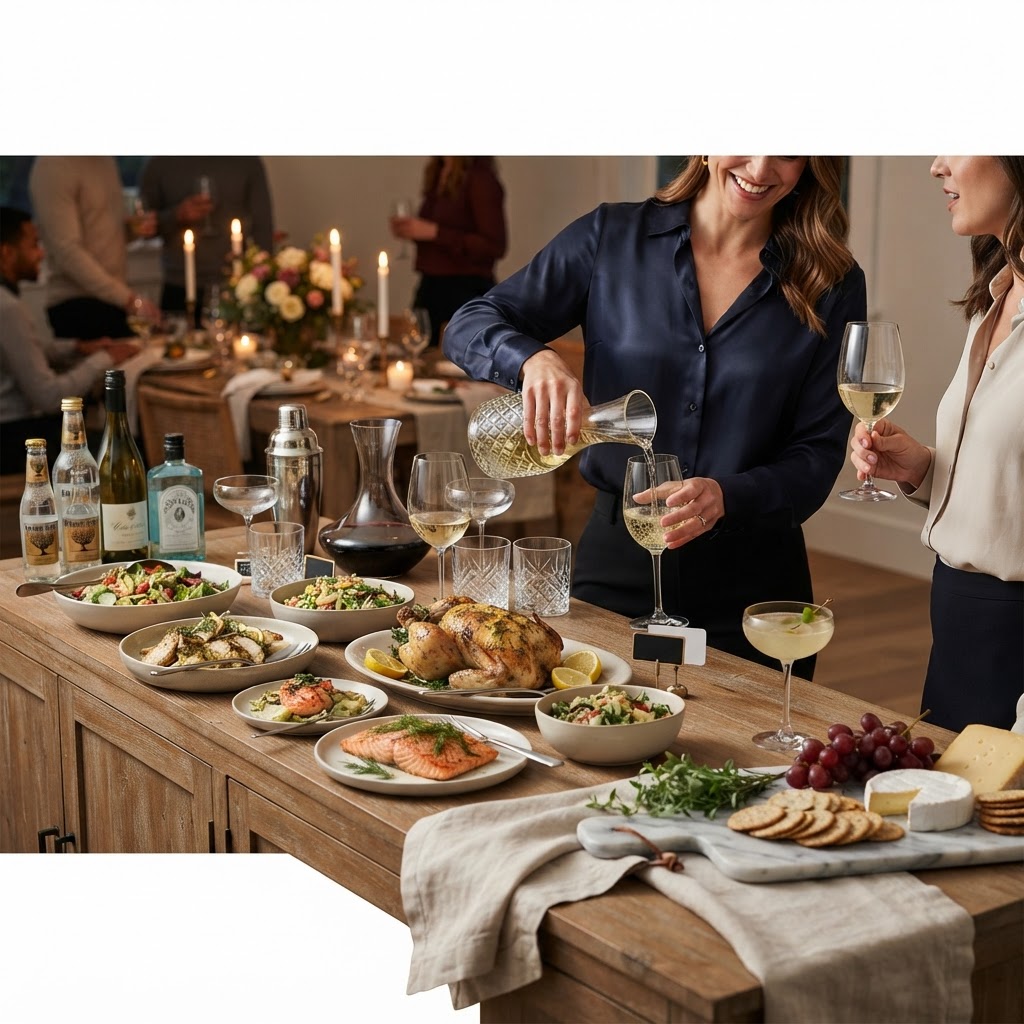
The Art of the "Drink-Pairing" Buffet: Mastering Component Ratios and Glassware Pacing for Elegant, Self-Serve Dinner Party Hosting
Hosting a dinner party is often viewed as a high-stakes performance, a delicate choreography of timing, heat, and plated presentation that leaves the host sequestered in the kitchen while guests mingle elsewhere. However, the move toward an elegant, self-serve buffet offers a liberating alternative that prioritizes communal joy over the rigidity of formal, course-by-course service. By treating the drink-pairing aspect of your buffet as a deliberate culinary design rather than an afterthought, you elevate the experience from a simple meal to a sophisticated event. Mastering the art of the drink-pairing buffet requires a shift in perspective, focusing on the harmony between your food components and the beverages that accompany them, all while ensuring your guests feel empowered to explore the offerings at their own pace.
The secret to a successful self-serve gathering lies in the intentionality of your ratios and the strategic placement of your glassware. When you curate a station, you aren't just providing fuel; you are providing a narrative, a guide that gently directs your guests through a journey of flavor profiles that complement the savory and sweet elements on the buffet line. This approach mitigates the chaos often associated with large-scale entertaining, replacing frantic refill runs with a structured, flowing setup that respects the autonomy of your guests. It is about creating a sense of ease that makes the host look like a genius while, in reality, allowing everyone—including yourself—to indulge in the evening's conversation.
At "Blame The Chef," we believe that the kitchen should be a laboratory of flavor rather than a prison of anxiety. When you understand the science of palate cleansing and the physics of glassware pacing, you stop fearing the buffet and start mastering it. The following guide is designed to dismantle the logistical hurdles of high-end hosting, providing you with the exact techniques and ratios needed to pull off a flawless evening. Prepare to transform your dining room into a seamless, self-guided bistro where every sip and bite is calculated for maximum impact and enjoyment.
The Foundation of Strategic Glassware Placement
Glassware is the silent conductor of your event, dictating how guests perceive the complexity of the beverages they consume. When designing your station, placement is everything. You should aim for a linear progression that mirrors the intensity of the food. Start with lighter, crisp options—perfect for lighter stems like flute or tulip glasses—and move toward heartier pairings that require wide-bowled tumblers or heavy-bottomed coupes. By creating a physical distance between stations, you reduce congestion and encourage guests to pause and reflect on their choices.
The Physics of Pacing
The volume of your glassware directly correlates to the pace of your party. If you provide oversized stems, guests tend to drink faster and lose interest in the pairing nuances. Use smaller, elegant pours to encourage exploration. Always ensure there is a clear visual cue—like a simple decorative sign or a change in table height—that indicates which beverage belongs with which category of food. Remember, a guest who has to search for a clean glass is a guest who stops eating, so provide a 1.5-glass-per-person ratio to account for accidental spills or the desire to switch between wine and craft cocktails.
Materials and Temperature Control
The material of your glassware is not merely aesthetic; it influences the temperature of the drink. Thick-walled glassware maintains cold temperatures for longer periods, making them ideal for high-acid white wines or chilled infusions. If you are serving chilled beverages, ensure your stations are placed away from direct sunlight or heat sources. A professional chef trick is to chill your glassware in a walk-in cooler for twenty minutes prior to guest arrival; if you don't have that, a quick blast in the freezer—carefully monitored to avoid thermal shock—will suffice.
"A well-curated beverage station is the silent host of your party, guiding your guests through a culinary journey that feels entirely effortless, yet is precision-engineered for maximum enjoyment."
Mastering Component Ratios: The Science of Pairing
When you are putting together a buffet, the most common mistake is creating food that is too disparate, making it impossible to pair with a single, cohesive beverage strategy. Instead, think in terms of flavor bridges. A bridge is an ingredient that appears in both the food and the drink, creating a subconscious harmony. For instance, if you are serving a citrus-glazed roasted protein, ensure there is a distinct citrus note—perhaps a grapefruit peel or a lemon-infused syrup—in the accompanying cocktail or white wine selection.
Balancing Acidity and Fat
The fundamental rule of pairing is balancing acidity against richness. If your buffet features a heavy, creamy gratin or a fatty cut of braised beef, you must serve beverages with high tannins or high acidity to "cut" through that fat. A bold Cabernet Sauvignon or a crisp, dry gin-based tonic with lime will perform this function perfectly. If you neglect this, your guests will experience palate fatigue within the first fifteen minutes, leading to a lingering, greasy sensation that kills the appetite.
The Golden Ratio of Ingredients
For any self-serve beverage station, use the 3:2:1 Rule when batching drinks. Three parts base spirit, two parts modifier (like vermouth, liqueur, or citrus juice), and one part mixer or sweetener. This ratio ensures that your drinks remain balanced even as ice begins to melt or as guests experiment with different garnishes. Keep your bitters, peels, and fresh herbs in small, labeled containers to allow guests to customize their profile without altering the structural integrity of the beverage you have already established.
The Art of the Palate-Cleansing Station
In a multi-component buffet, your guests will experience sensory overload if the flavors are too concentrated. This is where a dedicated palate-cleansing station becomes essential. It is not just about water; it is about providing a reset button. A chilled pitcher of cucumber-infused spring water or a sparkling mineral water with a hint of sea salt does wonders to refresh the tongue. When your guests move from the appetizer round to the heavy main courses, they need that neutral ground to fully appreciate the next pairing.
Structuring the Refreshment Zone
Place your palate-cleanser between the "light/savory" and "bold/sweet" sections of your buffet. Use aesthetically pleasing, neutral-toned glassware for this area to signal that this is a transitional zone. It is a subtle psychological cue that tells the guest, "Take a breath, reset your senses, and prepare for the next intensity." This small logistical choice prevents the dreaded "tasting muddle" where everything eventually starts to taste the same.
Ingredients to Avoid
Steer clear of overly sugary palate cleansers. While a lemonade might sound refreshing, the residual sugar will coat the tongue and interfere with the nuances of your wine pairings. Stick to savory-leaning hydration: lemon zest, mint, cucumber, or even a touch of ginger. Keep these very cold, ideally kept on a bed of crushed ice, to provide a sharp sensory contrast to the warm, cooked elements of your buffet line.
"True culinary elegance isn't found in the complexity of the recipe, but in the deliberate spacing of flavors and the rhythm of the experience you curate for your guests."
Designing the Flow: Buffet Layout and Traffic Dynamics
How you position your items dictates the energy of your dinner party. If you set up everything in a straight line, you create a bottleneck that leads to frustration. Instead, utilize an "Island Configuration" if your space allows. Place your protein-heavy dishes on one table and your starch and vegetable pairings on another, with the beverages flanking the corners of both. This encourages guests to move in a circular motion, promoting social interaction rather than a rigid queue.
The Psychology of Heights
Varying the heights of your platters and beverage dispensers adds visual interest and creates a sense of professional abundance. Use sturdy cake stands, wooden risers, or even stacked vintage books covered in clean linens to elevate your serving vessels. Not only does this make the display more attractive, but it also makes it physically easier for guests to reach for the items they want. The easier it is to access a component, the more likely a guest is to try the pairing you have suggested.
Managing Refill Intervals
Nothing kills the momentum of a party faster than an empty pitcher or a dry wine bottle. As a host, you should have a "silent service" plan. Keep your backup supplies in a dedicated area near the kitchen, organized by category. Every forty-five minutes, do a "Scan and Replenish" circuit. If the wine is at the quarter-mark, swap it out. If the garnish bowl is low, refresh it completely rather than topping it off. This maintains the visual freshness of the buffet and ensures that the final guest has the same high-quality experience as the first.
Professional Chef Tips for Batching Success
Batching cocktails is the only way to survive hosting a dinner party without spending the entire night behind a bar. The key is dilution control. When you stir a cocktail with ice, the water melts and integrates into the drink. When you batch ahead of time, that water is missing. To replicate the dilution of a freshly shaken drink, add approximately 20% by volume of filtered water to your batch. Store these in glass carafes in the refrigerator so they are perfectly chilled and ready to pour the moment the first guest arrives.
Garnish Strategy
Avoid putting the garnish directly into the batch. It will decompose over the course of the evening, leaching bitter or swampy flavors into your drink. Instead, provide a "Garnish Array" on a small tray next to the carafes. This serves two purposes: it keeps the flavor profile consistent for the duration of the event, and it invites the guest to participate in the act of finishing their drink, which adds a tactile element to the self-serve process.
The "Flavor Bridge" Cheat Sheet
To help your guests navigate the pairings, create small, elegant cards placed near each section of the buffet. These shouldn't just be menus; they should be "Pairing Notes." For example: "The acidity of this Sauvignon Blanc cuts the fat of the Gruyère Tart, while the herbal notes in the wine bridge perfectly with the fresh thyme in the pastry." This provides the guest with the confidence to enjoy your pairings as you intended, turning them into a partner in the culinary experience.
The Seasonal Transition: Adapting Your Buffet
A drink-pairing buffet should evolve with the weather and the availability of ingredients. In the warmer months, lean into high-acidity, herbaceous, and fruit-forward profiles. Think of chilled rosés, gin-based tonics with basil, or dry hard ciders that pair beautifully with grilled vegetables and light proteins. As the weather turns colder, transition toward deep, earthy notes. Your beverages should pivot to include robust reds, dark spirits with spice notes like star anise or cinnamon, and fortified wines that stand up to rich, slow-braised meats.
Seasonal Component Ratios
Adjust your ratios based on the seasonal ingredients. In summer, your mixers should be lighter, focusing on citrus juices and floral essences. In autumn and winter, focus on infusions that utilize warming spices. Always keep your base alcohol constant while swapping out the secondary modifiers. This allows you to keep your inventory manageable while still providing a completely different sensory experience for your guests depending on the time of year.
Sourcing and Sustainability
Focus on local, seasonal produce for your garnishes. Not only does this taste better, but it is a great conversation starter. When guests ask why the garnish is so vibrant, you can explain that it came from the local farmers' market that morning. This creates a story around your food and beverage, elevating the evening from a simple dinner party to a meaningful event that respects the origin of the ingredients.
Final Thoughts
Mastering the "Drink-Pairing" buffet is ultimately about the democratization of hosting. By creating a self-serve environment that is grounded in professional technique and careful planning, you shift the burden of service onto a well-oiled system, freeing yourself to engage in the real reason for the party: connection. Remember that the goal is not perfection, but rather the creation of a seamless flow that allows your guests to explore, taste, and savor. When you provide the tools for your guests to pair their own drinks—calibrated by your carefully considered ratios and strategic glassware placement—you are not just feeding them; you are hosting them with a level of sophistication that will be remembered long after the last glass has been cleared.
Start small, focus on the flavor bridges between your main dish and your primary beverage, and never underestimate the power of a perfectly chilled glass. Whether you are hosting an intimate group of six or a larger gathering, the principles remain the same. Keep your stations organized, keep your transitions smooth, and most importantly, keep your focus on the enjoyment of the process. The "Blame The Chef" approach isn't about shifting responsibility; it's about shifting the perspective so that the chef—the host—is finally free to enjoy the fruits of their labor right alongside everyone else.
As you begin your next event, take a moment to look at your buffet not as a series of chores, but as a map of potential experiences. You have provided the map, the compass, and the destination. Now, step back, pour yourself a drink from one of your beautifully batched carafes, and observe the magic that happens when people are given the freedom to curate their own culinary journey. The art of the self-serve buffet is, at its heart, an act of generosity, and when executed with the precision and warmth outlined here, it is the most elegant way to host a truly memorable dinner party. Trust your palate, embrace the logic of your pairings, and let the evening unfold with the effortless flow of a masterfully conducted symphony. You are now prepared to host with confidence, style, and a touch of professional flair that will make you the standard-bearer for elegant entertaining among your peers. Enjoy the process, for the joy of the kitchen is meant to be shared, and there is no better way to share it than by empowering your guests to drink and dine as the architects of their own delicious evening.
Get the Next Recipe
Weekly recipes, techniques, and gear picks — straight to your inbox.
