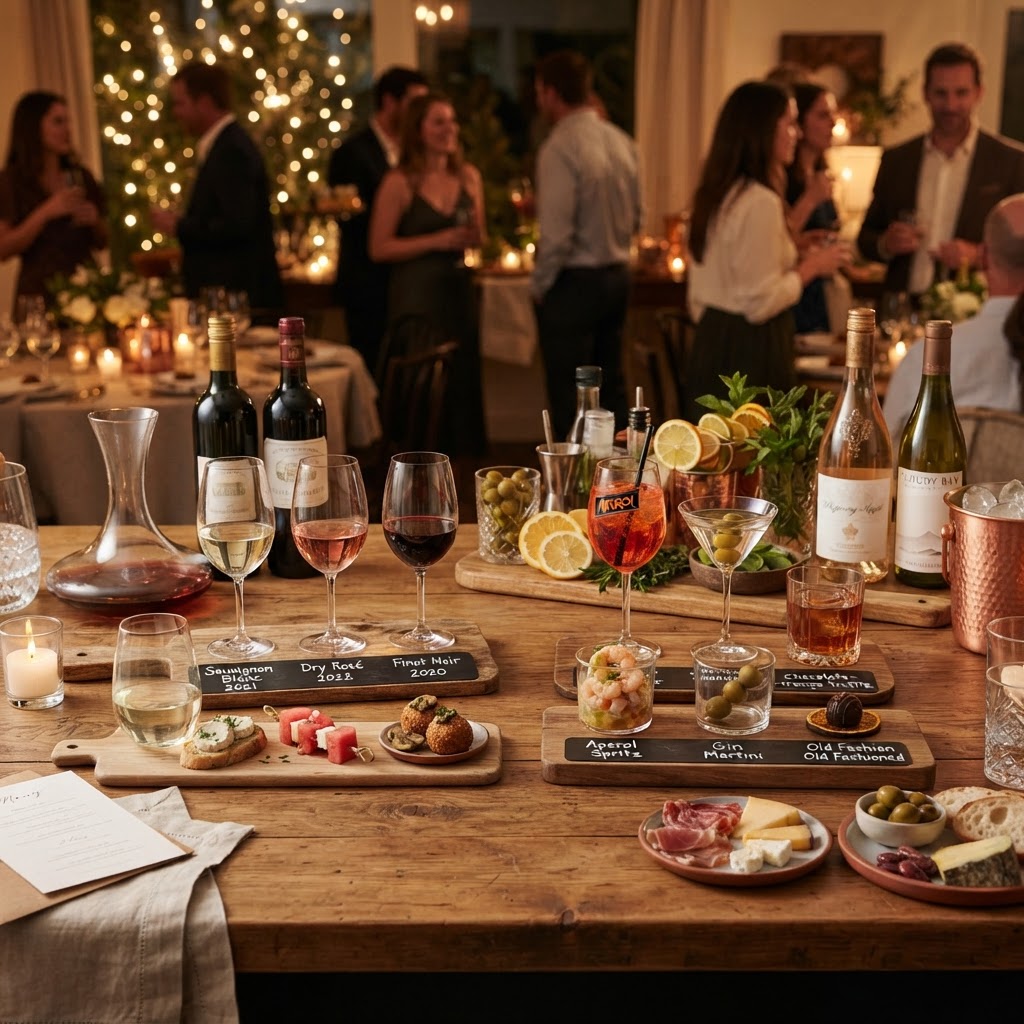
The Art of the Drink-Pairing Station: How to Curate Wine and Cocktail Flights for Your Next Dinner Party
There is an undeniable magic that happens when the front door swings open and your guests step into the sanctuary of your home, greeted by the soft clinking of glassware and the anticipation of a well-curated evening. Hosting, at its core, is the act of choreographing an experience where the mundane gives way to the memorable, and nothing bridges that gap quite like a thoughtfully assembled drink-pairing station. While many home cooks focus exclusively on the menu, the true mark of a masterful host lies in the interplay between what is on the plate and what is in the glass. When you invite your guests to explore a flight of wines or a series of artisanal cocktails, you aren’t just serving drinks; you are curating a narrative that guides them through a sensory journey from the first appetizer to the final digestive.
Creating a sophisticated pairing station is not merely about pouring various liquids into a row of glasses; it is a delicate dance of chemistry, history, and aesthetics. By understanding the foundational principles of flavor profiles—balancing acidity, sweetness, tannin, and body—you transform your dining room into a professional tasting room. This approach requires you to step away from the role of the busy cook and embrace the role of the sommelier or mixologist, even if just for an hour. The beauty of this setup is that it encourages conversation and interaction, allowing guests to debate the merits of a dry Riesling against a crisp Sauvignon Blanc while nibbling on the first course. It demystifies the intimidating world of mixology and viticulture, making every pour an accessible lesson in taste and texture.
As we delve into the nuances of building these stations, remember that your personal flair is the secret ingredient that pulls everything together. You don’t need an expansive wine cellar or a bar stocked with every obscure bitter on the market to make an impact. What matters is intentionality: knowing why a specific high-acid white wine cuts through the richness of a cream sauce or why a bourbon-based cocktail stands up to a smoky grilled steak. This guide will walk you through the structural elements of hosting a tasting, from sourcing the right glassware to understanding the critical temperatures that define a perfect sip. Let’s elevate your next dinner party from a simple meal into an immersive culinary event that your guests will be talking about long after the final toast.
The Foundation of Glassware and Temperature Control
The vessel you choose for your flight is just as important as the liquid contained within it. When hosting a multi-course pairing, you must ensure that your glassware is not only clean and free of spots but also optimized for the specific drink being served. For wine flights, ISO-standard tasting glasses are the gold standard, as their shape is designed to concentrate the aromatic compounds of the wine, allowing guests to fully perceive the nose of the vintage. For cocktail flights, smaller glassware—such as Nick and Nora glasses or heavy-bottomed tasting tumblers—helps maintain the integrity of the drink without overwhelming the palate, which is crucial when serving multiple rounds.
Managing Thermal Integrity
Temperature is the invisible architect of flavor. Serving a white wine at room temperature or a delicate cocktail too cold can completely mute the intended profile. For white wines, aim for 45°F to 52°F (7°C to 11°C), while reds should generally be served between 60°F and 65°F (15°C to 18°C). If you are serving a cocktail flight, ensure that your mixers and base spirits are chilled independently before assembly. A common mistake is to shake a drink and let it sit too long; always shake or stir to order, or prepare your base mixtures in a chilled pitcher sitting in a vessel of crushed ice to maintain the ideal viscosity.
The secret to a perfect pairing is not in the rarity of the bottle, but in the precision of the service. Temperature, glassware, and flow determine whether a drink becomes a highlight of the meal or a mere accessory to it.
A professional tip for keeping your station organized is to use a chilled stone tray or a wooden flight paddle with labeled placeholders. This prevents guests from losing track of which glass corresponds to which course and ensures that you, the host, can easily monitor the pacing of the tasting. Always keep a bucket of ice-water baths nearby for white wines or rosés that might warm up too quickly on the table during the course of a long conversation.
Designing the Wine Flight Narrative
A successful wine flight relies on a logical progression of intensity. You should always aim to move from light to heavy, dry to sweet, and young to aged. If you are starting with a crisp, high-acid white, such as a Vinho Verde or a Chablis, you are priming the palate with brightness. From there, you might move into a fuller-bodied white like an oaked Chardonnay or a textured Viognier, before transitioning into your lighter reds. This linear progression prevents the palate from becoming fatigued by tannins or high-alcohol content, which often happens if you jump blindly between styles.
The Anatomy of the Pour
When pouring a flight, the portion size is crucial. Because you are offering multiple samples, aim for a 2-ounce pour for each glass. This allows guests to have enough liquid to truly experience the wine's evolution as it breathes in the glass without becoming intoxicated before the main course. Use a professional pourer to ensure consistency, and always hold the bottle by the base rather than the neck to maintain a sense of control and elegance.
The Cocktail Lab: Mixology for the Home Host
Cocktail flights allow for a much more creative expression of your personality as a host. To make this manageable, focus on a base spirit progression. For example, you might choose three different styles of gin: a dry, juniper-forward classic; a citrus-forward, modern style; and an earthy, barrel-aged gin. By serving these in a flight of small, deconstructed versions of the same drink (such as variations on a Gimlet or a Collins), you allow your guests to taste exactly how subtle shifts in botanical ingredients change the final result.
Balancing Ratios and Dilution
The fundamental rule of mixology is the golden ratio of 2:1:1—two parts spirit, one part sweet, and one part sour. However, when building a flight, you may want to dial back the alcohol slightly to keep the experience enjoyable. Using homemade syrups—such as ginger-thyme or blackberry-lavender—is a fantastic way to elevate a simple cocktail flight. Always ensure your dilution is correct; if you are shaking, use large, hard cubes to avoid over-dilution. If you are stirring, ensure you are using a long spoon to create a vortex, which cools the liquid efficiently without aerating it too much.
Mixology is the intersection of science and art. When you master the balance of acid and sugar, you unlock the ability to turn a simple glass of spirits into a complex journey of flavor that can challenge and delight the palate.
When setting up the cocktail station, provide a small garnish board that allows guests to customize their final sip. A simple sprig of rosemary, a twist of expressed lemon peel, or a dehydrated citrus wheel can drastically change the nose of the cocktail, effectively adding an interactive element to the drink-pairing experience that most guests find incredibly engaging.
Pairing Science: Texture, Salt, and Fat
The relationship between the drink and the food is where culinary brilliance truly takes root. You must consider the structural components of your dishes: salt, fat, acid, and heat. A very salty dish, for instance, requires a wine with enough residual sugar or fruitiness to balance the salinity, such as a demi-sec sparkling wine. Conversely, a high-fat dish, like a rich duck confit, demands a drink with high acidity or substantial tannins to "scrape" the palate clean and prepare it for the next bite.
The Power of Acid and Tannin
Think of tannins as the structure and acid as the energy. If you are serving a dish that is high in protein and fat, the tannins in a bold red wine will bind to the proteins in the meat, softening the wine and making the fat feel less heavy. On the other hand, acid acts like a squeeze of lemon on a plate; it lifts the flavor of the dish and brightens the overall experience. When putting together your flight, look for drinks that possess these characteristics in harmony with the dishes they are meant to accompany.
For Oily Fish:* Pair with dry, high-acid whites (e.g., Assyrtiko).
For Spicy Food:* Pair with off-dry wines or refreshing, herbaceous cocktails (e.g., Riesling or Gin and Tonic).
For Rich Red Meats:* Pair with high-tannin reds (e.g., Malbec or Bordeaux).
For Creamy Desserts:* Pair with fortified wines or acidic digestifs (e.g., Sauternes or Amaro).
Mastering the Workflow of Service
The biggest challenge in hosting a flight is the logistical demand on the host. You do not want to be stuck behind the bar for the entire evening. To combat this, pre-batch your cocktails where possible. Many professional mixologists create "stock" cocktails that are pre-diluted and bottled in advance. If you are serving a flight of three cocktails, measure them into clean glass bottles and keep them in the freezer or an ice bath until the moment of service. This allows for a "pour-and-go" workflow that keeps you at the table with your guests.
The Mise en Place of Entertaining
Everything must have a place. Your station should be set up with a side towel for spills, a designated dump bucket (essential for wine tastings), and a selection of neutral palate cleansers like plain water crackers or unsalted nuts. Remember that in a professional tasting, guests often need a place to pour out a sample they haven’t finished; providing an elegant, opaque vessel for this purpose takes the pressure off the guest and emphasizes that the experience is about exploration, not consumption.
Cultivating the Atmosphere
An elevated drink-pairing station is only as good as the atmosphere in which it is served. Lighting should be low and warm, focusing the attention on the glassware and the colors of the beverages. If you are serving a flight of reds, for example, the deep ruby and garnet tones catch the light beautifully against a dark tablecloth. Use dimmable lamps or candles to create an intimate, focused environment that mimics the feel of a private tasting cellar.
Sensory Cues and Narrative
Don't be afraid to tell the story behind the bottles or the spirits. Whether it’s the volcanic soil of the vineyard where the grapes were grown or the specific botanical blend in a craft gin, adding a narrative layer makes the pairing more meaningful. Guests are far more likely to remember a wine flight if they understand the effort that went into the selection. Keep your descriptions concise but evocative, using sensory language to describe the notes of leather, stone fruit, or smoke.
* Use soft, acoustic background music to avoid competing with conversation.
* Incorporate floral or botanical centerpieces that subtly reflect the notes in the drinks.
* Keep the overall tone conversational; you are a guide, not a lecturer.
The host is the bridge between the cellar and the table. When you curate with confidence, you give your guests permission to step out of their comfort zones and experience new flavors with curiosity rather than trepidation.
When the night begins to wind down, transition your station into a digestif service. Offer a single, high-quality spirit or a classic dessert wine to bring the experience to a gentle close. This shift in the station signals the transition from the active tasting to a relaxed, reflective end to the evening, ensuring that the final memory of the night is as well-balanced as the first pour.
Final Thoughts
The true art of the drink-pairing station lies in the balance between rigorous preparation and relaxed hospitality. By curating your own flights, you are engaging in a centuries-old tradition of enhancing the human experience through flavor. You’ve learned that the secret is not in having the most expensive equipment, but in understanding the "why"—the reason an acid-forward wine sings with a fatty protein, or why a specific botanical infusion changes the entire character of a spirit. When you take the time to think through these pairings, you are demonstrating a profound respect for your guests and the ingredients they consume.
As you step away from this guide and into your kitchen, carry the confidence of a professional. Don’t fear the occasional failure; even the most seasoned sommeliers discover pairings that don't quite land, and that, in itself, is part of the journey. The goal is to create a space where exploration is encouraged and where the act of drinking is elevated from consumption to appreciation. Take these techniques—the precise temperatures, the structured progressions, and the thoughtful mise en place—and make them your own. Your home is the stage, and your next dinner party is the perfect opportunity to showcase the art of the perfect pour.
Remember that the ultimate measure of your success as a host is not whether the glasses were perfectly polished or the pairings textbook-perfect, but whether the atmosphere you created sparked joy and connection. A well-curated flight serves as a conversation starter, a sensory delight, and a reflection of your own passion for the craft. As you continue to experiment with new spirits, vintages, and flavor combinations, you will find that your ability to host grows just as much as your knowledge of the craft. So, open that bottle, chill those glasses, and trust your palate. The perfect flight is waiting to be poured, and your guests are ready for the experience you have so carefully designed. You are the conductor of this culinary symphony, and every note, from the first sip to the final drop, is yours to write.
In the world of "Blame The Chef," we believe that the best stories are told around a table where the drink is as thoughtful as the meal. You have the tools, the technique, and the vision to transform your hosting game forever. Go forth and curate, experiment, and enjoy the beautiful, complex, and rewarding world of drink pairing. Your journey into the art of the flight has only just begun, and the possibilities for your future dinner parties are limited only by your creativity and your commitment to the craft. Cheers to the many beautiful nights ahead, and may every pour serve as a testament to your talent and your generosity.

Get the Next Recipe
Weekly recipes, techniques, and gear picks — straight to your inbox.
