
The Art of the "Drinkable" Centerpiece: Mastering Batch-Mixed Pitcher Cocktails for Stress-Free Hosting
There is a particular kind of panic that sets in exactly twenty minutes before guests arrive for a dinner party. You have the oven set to the perfect temperature for the roast, the appetizers are plated, and the playlist is grooving, but you are still standing at the kitchen counter, frantically measuring out individual ounces of gin, lime juice, and simple syrup. Every cocktail you shake is a departure from your guests, keeping you tethered to the mixing tin instead of the conversation. This cycle of isolation—shaking, straining, and garnish-placing—is the silent killer of host morale. By the time the third round comes around, you are no longer a host; you are a glorified bartender who has missed the best anecdotes of the evening.
The solution, which I have championed in professional kitchens for years, is the elegant art of the batch-mixed pitcher cocktail. Contrary to the myths perpetuated by hurried home bartenders, there is no culinary sin in pre-mixing your libations. When done with precision, balancing the ratios of spirits to modifiers and accounting for the dilution factor, a batch cocktail is superior to an individual drink. It allows the flavors to marry, ensures every guest receives a drink that tastes exactly like the one before it, and most importantly, grants you the freedom to be present in your own home. Hosting should be a performance of hospitality, not a labor of repetitive manual labor, and the pitcher is your greatest tool in reclaiming that experience.
To master this art, we must strip away the pretension surrounding mixology and focus on the chemistry of the pour. We are looking for consistency, temperature control, and presentation that feels intentional rather than utilitarian. Whether you are batching a classic Negroni or a complex, herbaceous botanical punch, the principles remain the same. This guide will walk you through the structural integrity of your liquid centerpieces, moving from the math of the mix to the theatre of the service. Once you embrace this approach, you will find that your role shifts from behind the bar to the center of the living room, exactly where it belongs.
The Science of the Perfect Ratio
The biggest mistake novices make when moving from a single drink to a pitcher is thinking they can simply multiply the recipe by ten. While the math is accurate, the chemistry of the glass is not. When you shake or stir a single cocktail, you are relying on the melting ice to provide the necessary dilution—the small amount of water that rounds out the sharp edges of the alcohol. In a pitcher, you do not have the benefit of individual ice agitation, meaning you must introduce that water manually during the mixing process. Without this step, your batch will taste harsh, boozy, and disjointed, lacking the nuanced mouthfeel that makes a cocktail "drinkable."
Understanding Dilution and Temperature
The goal is to aim for a 20% to 25% dilution rate for spirit-forward cocktails. If your recipe calls for 10 ounces of spirits and modifiers, you should be adding roughly 2 ounces of chilled, filtered water to the mix. This mimics the melting ice you would get from a proper thirty-second stir. By keeping your spirits, syrups, and juices in the refrigerator for at least four hours prior to mixing, you ensure that the entire volume starts at a low temperature, which prevents the ice in the final serving glass from melting too rapidly. A cold base is the secret to a long-lasting, crisp pitcher.
Achieving Flavor Equilibrium
Beyond dilution, balance is achieved through the Golden Ratio of cocktails: two parts spirit, one part sour, one part sweet. However, when batching, these ratios can become distorted if you aren't careful with your measurements. Always use a professional jigger or a calibrated kitchen scale rather than "eyeballing" the ingredients. Even a small miscalculation, when multiplied by a factor of twenty, will result in a cocktail that is either cloyingly sweet or impossibly tart. Take the time to taste your base after adding your dilution water; if it lacks "lift," a tiny pinch of saline solution (a 4:1 water-to-salt ratio) can do wonders for the brightness of your fruit juices.
"A great cocktail is not merely the sum of its parts; it is the calculated absence of the sharp edges. When you batch for a crowd, you aren't just scaling up ingredients; you are engineering a consistent experience that remains as refreshing at the end of the night as it was at the first pour."
Equipment: Beyond the Basic Pitcher
While any carafe or vessel will technically hold liquid, a true "centerpiece" cocktail requires equipment that aids in temperature retention and visual appeal. Avoid plastic pitchers if you can; glass or crystal, while heavier, provides better thermal insulation and aesthetic weight. If you are serving a cold cocktail, a double-walled insulated carafe is the professional’s secret weapon. It prevents the condensation that ruins your tabletop and keeps the drink at an optimal 38-40 degrees Fahrenheit throughout the duration of the party.
The Importance of Filtration
In a professional setting, we use high-grade water filtration systems, but for the home cook, store-bought distilled or high-quality filtered water is mandatory. The subtle mineral profiles in tap water can drastically alter the taste of a delicate spirit like gin or white rum. When batching, you are essentially creating a concentrated version of your drink, so any off-flavors in the water will be amplified. If your base includes fresh juices, ensure they are strained through a fine-mesh chinois or coffee filter to remove pulp; solids in a batch cocktail will settle to the bottom and create an uneven flavor profile as the pitcher empties.
Stirring Tools and Geometry
Because a pitcher is deeper than a mixing glass, you need a long-handled bar spoon with a twisted stem. This tool is designed to allow the spoon to rotate in your fingers, creating a vortex that mixes the ingredients without aerating them too aggressively. For stirred cocktails—like a Martini or Manhattan batch—gentle movement is key to maintaining a silky texture. Never use a whisk, as it introduces unwanted oxygen into the drink, which will cause your citrus components to oxidize and turn "flat" much faster.
Designing the Botanical "Centerpiece"
A batch cocktail should be the focal point of your serving station. This is where you transition from simple mixing to artistic assembly. Use ingredients that double as garnish to create visual interest. Thinly sliced citrus wheels, floating herbs like rosemary or mint, and even edible flowers can create a beautiful garden-like effect in a clear pitcher. However, there is a technical limit: never leave garnish in the pitcher for more than two hours. After that point, the pith of the citrus will begin to macerate and turn the drink bitter, and delicate herbs will wilt and look unappetizing.
The Two-Hour Rule for Freshness
When preparing your pitcher, keep the base mixture refrigerated and add the aromatic garnishes only 30 minutes before the first guest arrives. This window allows the oils from the herbs or the zest of the fruit to infuse the liquid just enough to provide a bright top-note without compromising the structural integrity of the cocktail. If you are hosting a longer event, prepare a secondary "refill" pitcher that is kept in the fridge, rather than stuffing a single container with enough garnish to last four hours.
Selecting the Right Glassware
Match your glassware to the weight of the drink. A heavy rocks glass is essential for spirit-forward, batch-mixed cocktails like an Old Fashioned, as it keeps the drink contained and concentrated. For lighter, citrus-heavy punches, a coupe or highball glass is preferred. Remember that the glass itself should ideally be chilled. Storing your glassware in the freezer for twenty minutes before service is a simple "chef’s trick" that significantly improves the overall experience of the drink.
The Art of the "Dilution-on-Demand" Strategy
There is a common debate in the culinary world: should you dilute the pitcher entirely, or should you keep it concentrated and let the guests add it to ice? The professional consensus for home hosting is to pre-dilute at 80% of the target strength and allow the ice in the individual glass to provide the final 20%. This prevents the "watery mess" that occurs when a pitcher sits on a warm table for too long. If your ice melts inside the pitcher, the drink is ruined forever. If you serve it from a cold, concentrated base over fresh ice, you retain control.
Calculating Your Ratios
Let’s look at a standard recipe for a Batch Gin Gimlet:
Total: 36 ounces.
This batch will serve 8 guests comfortably. By measuring your total volume, you can then divide by the number of guests to ensure your glass-to-pitcher flow is seamless.
The Saline Solution Secret
I mentioned saline earlier, and I cannot stress its importance enough. Professional bartenders use a saline solution (1 part sea salt to 4 parts water) to unlock flavor. Just 3-5 drops in a pitcher can make the fruit notes in a cocktail pop and round out the bitterness of ingredients like Aperol or Campari. It is the culinary equivalent of seasoning your steak; a drink without salt is a drink that hasn't reached its full potential.
"Hosting is an act of generosity, and the cocktail is the opening statement of that act. When you stop fussing over recipes and start trusting your ratios, you create space for the magic of the evening to unfold around you rather than in spite of you."
Troubleshooting Common Batching Failures
Even the most experienced chefs run into issues when scaling. The most frequent problem is "flavor drift," where the citrus separates or the sweetener crystallizes. This usually happens because of temperature fluctuations. If you find your cocktail has become cloudy, it is often due to using citrus juice that wasn't fresh-squeezed or allowing the batch to sit at room temperature for too long. Citrus begins to lose its brightness within thirty minutes of juicing, so plan your prep time accordingly.
Dealing with Separation
If you are using liqueurs with high sugar content, they can occasionally settle at the bottom of the pitcher. Always give your batch a gentle stir with your bar spoon before the first pour of each round. Do not shake the pitcher. Aeration in a batch pitcher leads to flat drinks. A gentle fold, like you would use for a delicate cake batter, is all that is required to re-incorporate the ingredients.
Managing High-Volume Hosting
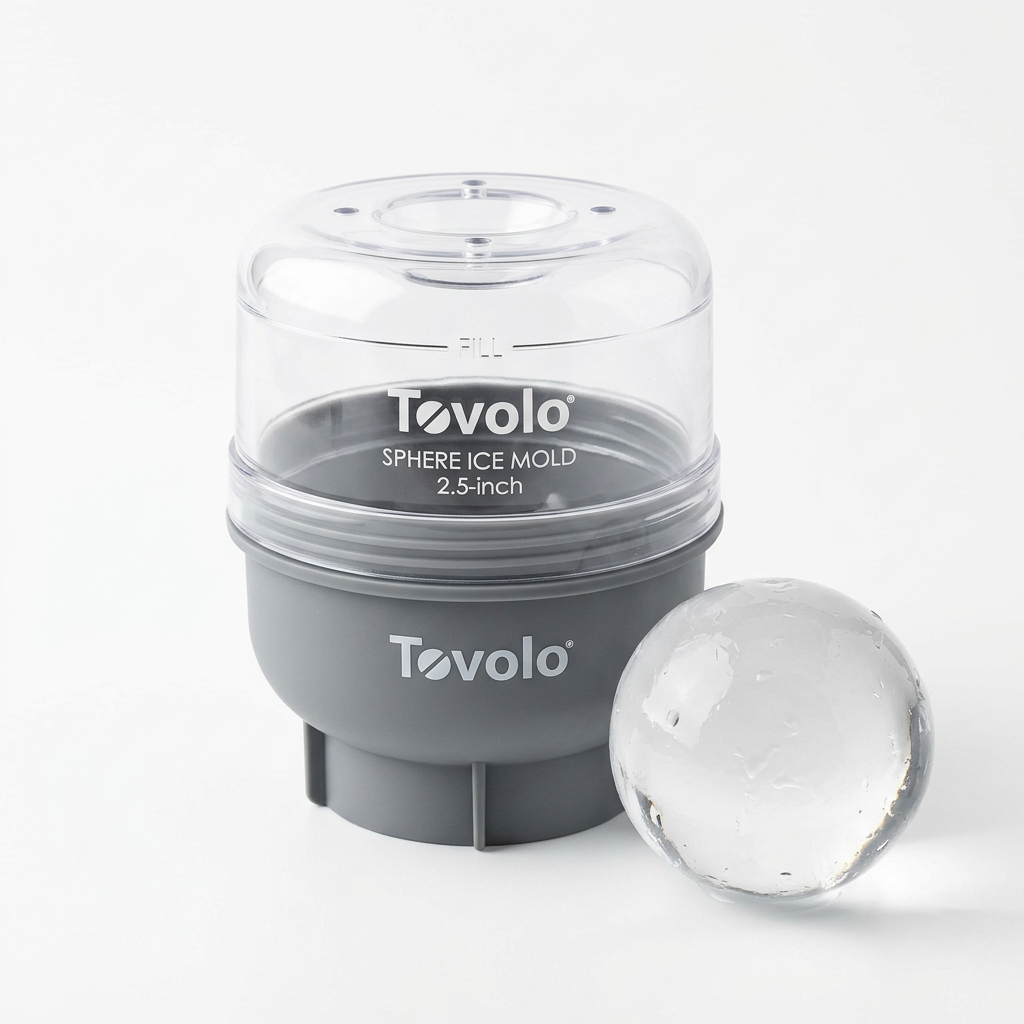
If you are expecting more than ten guests, skip the single pitcher and move to a punch bowl setup. The physics are different here; a larger volume of liquid retains cold temperatures much more effectively. Use a large, singular block of ice—freeze a clean plastic container filled with water overnight—rather than standard ice cubes. A large block melts significantly slower, keeping your drink cold for hours without diluting it to the point of collapse.
The Final Flourish: Presentation and Service
The final step in your journey toward stress-free hosting is the service ritual. Place your pitcher on a tray with a small bowl of clean, fresh garnishes—like lime twists or sprigs of mint—and a set of tongs. This allows guests to personalize their drink without you having to intervene. It shifts the burden of "finishing" the drink onto the guest, which is an engaging way to start a conversation. You are providing the base; they are providing the final touch.
Setting the Atmosphere
The serving area should be well-lit and accessible. If you are serving a red-colored cocktail, ensure your napkins are dark; if it is a clear cocktail, consider a bright garnish. The visual contrast is part of the appetite-building experience. Keep your ice bucket separate from the pitcher. Never store ice inside the pitcher unless you are planning to empty it within twenty minutes.
The Philosophy of the "Drinkable" Drink
A cocktail should never feel like a chore to finish. By mastering the batch method, you ensure that the drink remains balanced, approachable, and most importantly, consistent. Your guests will notice that every drink they receive is as good as the last. That consistency is the hallmark of a great host. It signals that you value their experience enough to prepare for it, rather than throwing ingredients together at the last possible second.
Final Thoughts
The art of the batch-mixed cocktail is not about cutting corners; it is about reclaiming your time. In the frantic pace of modern life, the ability to host a gathering without being chained to the kitchen counter is a rare luxury. By applying the techniques of temperature control, precise ratios, and thoughtful preparation, you are not just serving a drink; you are serving a well-engineered experience. You are providing your guests with the best version of your hospitality, and in doing so, you are allowing yourself to be part of the memories you are creating.
Remember that the goal is always "drinkability." If you feel intimidated by the math, start with a simple, forgiving recipe—a classic Margarita or a Tom Collins—and scale it up carefully. Use the best spirits you can afford, fresh citrus, and filtered water. These three ingredients, when treated with respect, will never lead you astray. As you refine your process, you will find that the stress of hosting fades away, replaced by the quiet confidence of a host who knows that everything is already taken care of.
The next time you open your doors to friends, leave the individual shaking tin in the drawer. Pour a pitcher, garnish it with intention, and step away from the bar. When you look across the room and see your guests enjoying a perfectly balanced drink that you made with forethought and care, you will understand why the "drinkable" centerpiece is the only way to host. It is the ultimate tool for the modern home chef: efficient, elegant, and entirely capable of turning a simple night into a masterclass in culinary ease. Cheers to the host who knows how to blend in, and to the pitcher that makes it possible.

Get the Next Recipe
Weekly recipes, techniques, and gear picks — straight to your inbox.
