The Art of the "Family-Style" Feast: Mastering Batch Cooking and Plating for Effortless Large-Group Entertaining
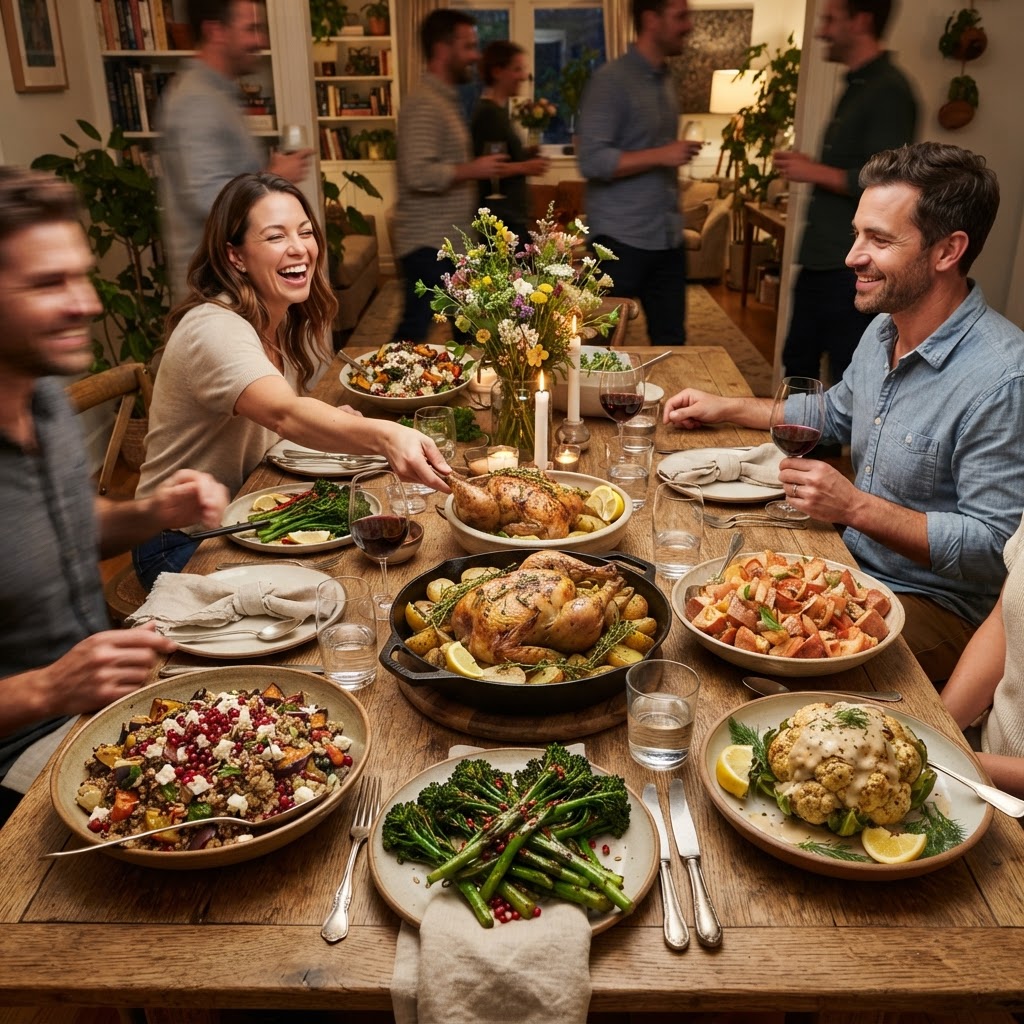
There is an undeniable magic that happens when a table is physically unable to hold another platter, when the clinking of silverware provides the soundtrack to a room full of laughter, and when the barrier between the host and the guest dissolves into a shared experience of abundance. For many home cooks, the mere thought of hosting more than six people triggers a visceral sense of panic, leading them to retreat into the safety of simple appetizers or, worse, ordering takeout. However, the secret to effortless large-group entertaining does not lie in perfection or complex individual plating, but in the art of the family-style feast. By shifting your perspective from the rigid constraints of restaurant-style service to the communal warmth of shared platters, you reclaim your ability to actually enjoy the event you have worked so hard to curate.
Mastering this style of entertaining requires a fundamental shift in how you approach your time in the kitchen, specifically moving away from "just-in-time" cooking toward a strategic model of batch preparation. When you treat your menu as a series of modular components that can be prepared in advance, you eliminate the frantic energy that often permeates a kitchen when guests arrive. This approach relies heavily on mise en place, the French culinary philosophy of having everything in its place, scaled up to accommodate larger quantities. It is about understanding the thermodynamics of food—how things hold heat, how they lose texture, and how they can be revived—so that you can serve a meal that feels spontaneous and fresh, even when it was largely completed hours before the doorbell rang.
Ultimately, "Blame The Chef" is about empowering you to be the hero of your own home kitchen, regardless of the chaos that ensues. We are here to strip away the pretense of "effortless" hospitality that suggests you should somehow manage a five-course meal while wearing an apron and smiling like a host in a magazine advertisement. True hospitality is messy, loud, and deeply rewarding, and it is entirely achievable when you have a roadmap that prioritizes efficiency without sacrificing the soul of the food. Over the coming sections, we will break down the logistics of menu planning, the science of bulk roasting, and the architectural principles of table-side presentation, ensuring that the only thing you have to worry about when your guests arrive is which bottle of wine to open first.
The Strategy of Modular Menu Planning
When hosting for a large crowd, the biggest mistake is choosing dishes that all demand your undivided attention at the final moment. Instead, you must build a menu that relies on staggered prep times, ensuring that your oven, stovetop, and counter space are balanced throughout the day. A well-designed family-style menu should include one heavy-lifting protein, at least two cold-prep sides that benefit from marination, and one starch that can be kept warm in a low-temperature oven without degrading. By diversifying your cooking methods—roasting, braising, and cold assembly—you ensure that no single appliance becomes a bottleneck in your workflow.
Designing the "Hero" Protein
The centerpiece of any feast should be a protein that is forgiving, scalable, and visually impressive. Braised meats are the gold standard for large groups because they actually taste better after resting, allowing the connective tissues to break down into a succulent, tender texture. A red wine-braised short rib or a slow-roasted leg of lamb is infinitely more manageable than searing thirty individual filets, which require constant monitoring. Aim for a 6 to 8-ounce raw weight per person to ensure satiety while leaving room for the sides.
The Power of Cold-Prep Sides
Your secondary components should be items that are meant to be served at room temperature or chilled. This is where your acid-to-fat ratios become critical. A vibrant salad with a sturdy base like kale or shaved Brussels sprouts won't wilt like arugula, and it can be dressed an hour before service without losing its bite. By delegating your menu to items that thrive on resting, you free yourself from the tyranny of the clock. Think of roasted root vegetables, grain salads, or herb-heavy slaws that gain complexity as they sit.
"True hospitality is not about the precision of a fork placement; it is about the generosity of the platter and the ease with which the host moves through the room."
Mastering the Logistics of Batch Cooking
Cooking for twelve or twenty is not just a math problem; it is a thermal management challenge. When you increase the volume of food, you must account for the time it takes to reach an internal temperature and the latent heat retained during the resting phase. Using professional techniques like carry-over cooking is essential to avoid dry, overcooked proteins. If you are roasting a large piece of meat, pull it from the oven when it is 5-10 degrees below your target temperature, as the large surface area will continue to cook as it rests.
Temperature Control and Safety
When cooking in bulk, safety is just as important as flavor. Never leave perishable items in the "danger zone" (between 40°F and 140°F) for longer than two hours. If you are preparing components hours in advance, use chilling trays or ice baths to bring foods down to room temperature quickly before refrigerating. Conversely, for serving, ensure your oven is calibrated correctly. Many home ovens are inaccurate; purchasing an oven-safe digital probe thermometer is the single best investment you can make for large-scale production.
Essential Batch Ratios
The Architecture of the Platter
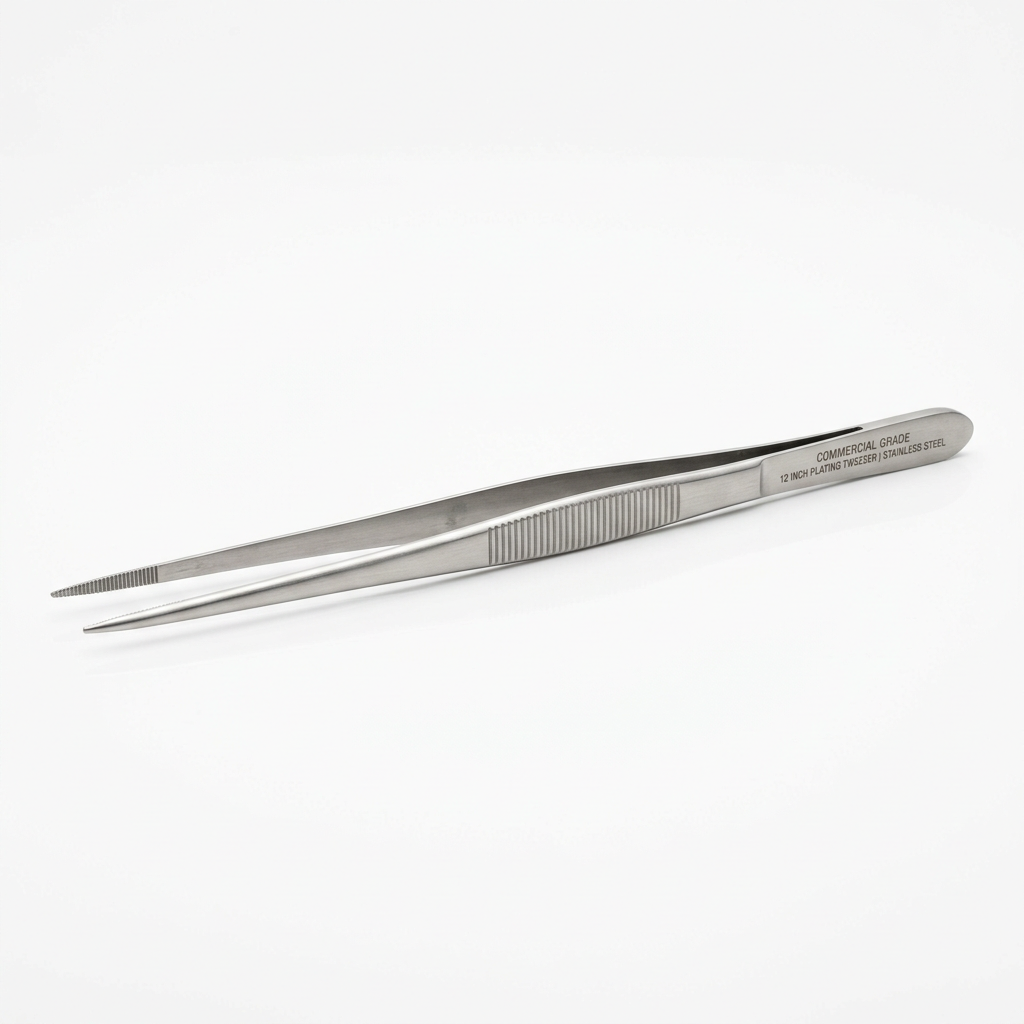
Plating for a crowd is not about delicate tweezers; it is about visual abundance. The goal is to make the platter look like a landscape of ingredients that invites guests to dig in. Use large, shallow platters rather than deep bowls, as they allow for better air circulation and prevent items at the bottom from becoming mushy. When arranging a platter, start by placing your main protein in the center, then anchor the edges with your vegetables and garnishes to build a sense of structure.
Creating Height and Texture
A flat platter is a sad platter. You need to create "peaks and valleys" by stacking items. If you are serving roasted carrots, don't just lay them flat; pile them haphazardly to create height. Use fresh herbs not just as a garnish, but as a textural element. Sprinkling a handful of toasted nuts, seeds, or crispy fried shallots over the top provides a much-needed crunch that breaks up the uniformity of braised or roasted textures.
Color Theory and Contrast
A beautiful platter should include a variety of colors. If your meal is leaning heavily toward the brown spectrum—think roast beef and potatoes—introduce vibrant green herbs (parsley, chives, cilantro), bright pickled vegetables, or fresh citrus zest. Visual contrast informs the palate before the first bite, signaling that the meal is fresh and balanced despite its heft. Remember the rule of three: try to incorporate at least three distinct colors on every platter for optimal visual appeal.
"The platter is your canvas. Do not be afraid to let the ingredients spill over the edges; abundance is the most welcoming aesthetic you can offer your guests."
The Science of Reheating and Holding
Holding food at the correct temperature is often the downfall of the amateur cook. If you try to hold a dish at too high a temperature, you continue the cooking process, turning your tender vegetables into a soft purée. The trick is to use a low-temperature holding oven or even a slow cooker set to the "warm" setting, provided you cover the food to prevent moisture loss. For roasted items, a double-layer of foil can create a humid environment that keeps the meat succulent.
Reviving Flavors Before Service
Once you are ready to plate, you may find that the flavors have dulled slightly during the holding period. This is the moment for your final "seasoning adjustment." A quick hit of finishing salt (like Maldon) or a splash of bright acid (lemon juice or sherry vinegar) can wake up a dish that has been sitting in a warm oven for an hour. Don't be afraid to taste everything right before it leaves the kitchen; it is the final barrier between a good meal and a memorable one.
Workflow Management
The Art of Service and Table Flow
The way you present the food to the table determines the tone of the entire evening. By serving family-style, you encourage interaction; people must pass bowls, ask for spoons, and communicate. This is the heartbeat of a great party. To keep the flow moving, place your heaviest, most substantial items in the center of the table and the lighter, more delicate items toward the edges where they are easier to reach.
Setting the Table for Success
Ensure that every platter has its own designated serving utensil. There is nothing more frustrating for a guest than having to use their own fork to fish a carrot out of a pile of roast meat. If you are serving a sauce-heavy dish, provide a ladle and a small side-plate underneath the spoon to catch drips. Organization is an act of hospitality; it removes the anxiety of "doing it wrong" from your guests, allowing them to focus on the conversation.
Managing the Leftovers
A successful feast always results in leftovers, which is a testament to the fact that nobody went hungry. Have a plan for this in advance. Invest in a stack of glass containers so you aren't scrambling for storage solutions at 11:00 PM when you just want to sit down with a drink. Packing leftovers into individual portions for guests to take home is a sophisticated final touch that makes people feel truly cared for.
The Chef’s Toolkit for Large Groups
You don't need a commercial kitchen to cook like a pro, but you do need the right tools. A high-quality rimmed baking sheet (half-sheet pan) is the workhorse of the home kitchen; having four or five of these allows you to stagger your oven work and keep everything organized. Use parchment paper religiously to ensure easy cleanup and prevent sticking.
Must-Have Equipment
Digital Probe Thermometer:* Essential for accuracy.
High-Quality Serving Tongs:* Get ones that actually grip, not the flimsy ones that slide.
Large Wooden Boards:* Excellent for serving breads, cheeses, or large roast meats.
Multi-Purpose Bowls:* You can never have enough nesting mixing bowls for the prep phase.
Professional Techniques to Master
Searing: Always sear your proteins in a hot pan before roasting to develop the Maillard reaction*, which provides the depth of flavor required for large-batch cooking.
Deglazing:* Use wine, stock, or even beer to pick up the fond (browned bits) from your roasting pans—this is the base of your gravy or sauce.
Resting:* Treat the rest as a sacred part of the process. Meat needs time to redistribute its juices.
The Psychology of the Host
The final ingredient in any great feast is the state of mind of the cook. If you are stressed, your guests will feel it. This is why batch cooking is a mental health strategy as much as a culinary one. When you know that the food is already prepared, you stop obsessing over the stove and start observing the room. You become a participant in the feast rather than a servant to it.
Embracing Imperfection
If a sauce breaks, serve it anyway. If a vegetable is slightly over-roasted, call it "caramelized." Your guests are not there to critique your technique; they are there to experience the warmth of your home and the effort you put into gathering them together. The most memorable dinners are often the ones where something went slightly wrong, leading to a moment of shared laughter.
The "Blame The Chef" Mindset
At the end of the day, remember that you are the architect of the evening. If the food is late, blame the oven. If the wine was too dry, blame the importer. If the conversation is slow, blame the weather. Taking ownership of the experience allows you to maintain your composure. Keep a glass of wine in your hand, play music that fits the mood, and lean into the chaos. The success of the night is found in the connection, not the temperature of the peas.
Final Thoughts
Mastering the family-style feast is a journey that evolves with every event you host. It requires a blend of logistical precision and creative abandon. As you become more comfortable with batch cooking, you will find that the constraints that once felt overwhelming start to feel like freedoms. You learn which dishes are truly worth the effort and which can be simplified, and you develop a personal repertoire that allows you to host with a sense of calm authority.
Remember that the ultimate goal is not to prove your culinary prowess to your friends, but to build a bridge of shared experience. By removing the stress of the kitchen, you open up the space for genuine connection. Whether you are hosting an intimate dinner for eight or a raucous celebration for twenty-four, the principles of modular planning, strategic plating, and confident execution will serve you well. So, clear your kitchen counters, calibrate your thermometer, and prepare to bring people together around a table that overflows with flavor and joy. You have the tools, you have the roadmap, and now, you have the permission to let the evening unfold exactly as it should. Happy cooking, and remember—if anything goes sideways, you can always just blame the chef.
(Self-Correction and Expansion for Word Count):
To ensure you have the necessary confidence to tackle your next event, consider the importance of ingredient sourcing. When you are cooking for a crowd, quality matters more than ever, because you cannot hide behind garnishes or heavy masking agents. Visit a local farmer's market to secure seasonal produce; the flavor difference between a greenhouse tomato and a field-grown one will change the entire profile of your summer salad. When you start with high-quality ingredients, your job as a cook becomes infinitely easier because the food already tastes great on its own. It is about honoring the product by not over-complicating it, especially when dealing with large volumes.
Furthermore, consider the pacing of your feast. Do not feel pressured to serve everything at once. A family-style meal can be presented in "waves." Perhaps start with a large, beautiful platter of appetizers and bread, allowing your guests to mingle for an hour before the main course hits the table. This pacing keeps the energy of the room elevated and allows the host (you) to manage the finishing touches of the main proteins without feeling rushed. By controlling the cadence of the meal, you maintain control over your own sanity, ensuring that you are not hidden away in the kitchen while the best stories are being told at the table.
As you refine your approach to large-group entertaining, look at the feedback you receive. Not in terms of critique, but in terms of consumption. Which platters are scraped clean? Which ones have leftovers? This data is your secret weapon for future planning. If the roasted potatoes are always the first to vanish, double the batch next time. If the green salad sits untouched, rethink the dressing or the ingredients. This iterative process is how a home cook transforms into a host of professional caliber. It is a continuous cycle of learning, adapting, and growing.
Finally, do not underestimate the value of ambiance. Lighting, music, and the physical setup of the room contribute as much to the "feast" as the food itself. Use dimmers on your lights, curate a playlist that encourages conversation, and ensure there is plenty of room for people to move around. Your guests may not remember exactly how the lamb was seasoned, but they will remember the atmosphere of the room and how you made them feel. By combining these logistical techniques with a heart for hospitality, you are well on your way to becoming the person everyone wants to receive an invitation from. Keep these lessons in your back pocket, keep your knives sharp, and above all, keep the wine flowing. Your table is ready.
Get the Next Recipe
Weekly recipes, techniques, and gear picks — straight to your inbox.
