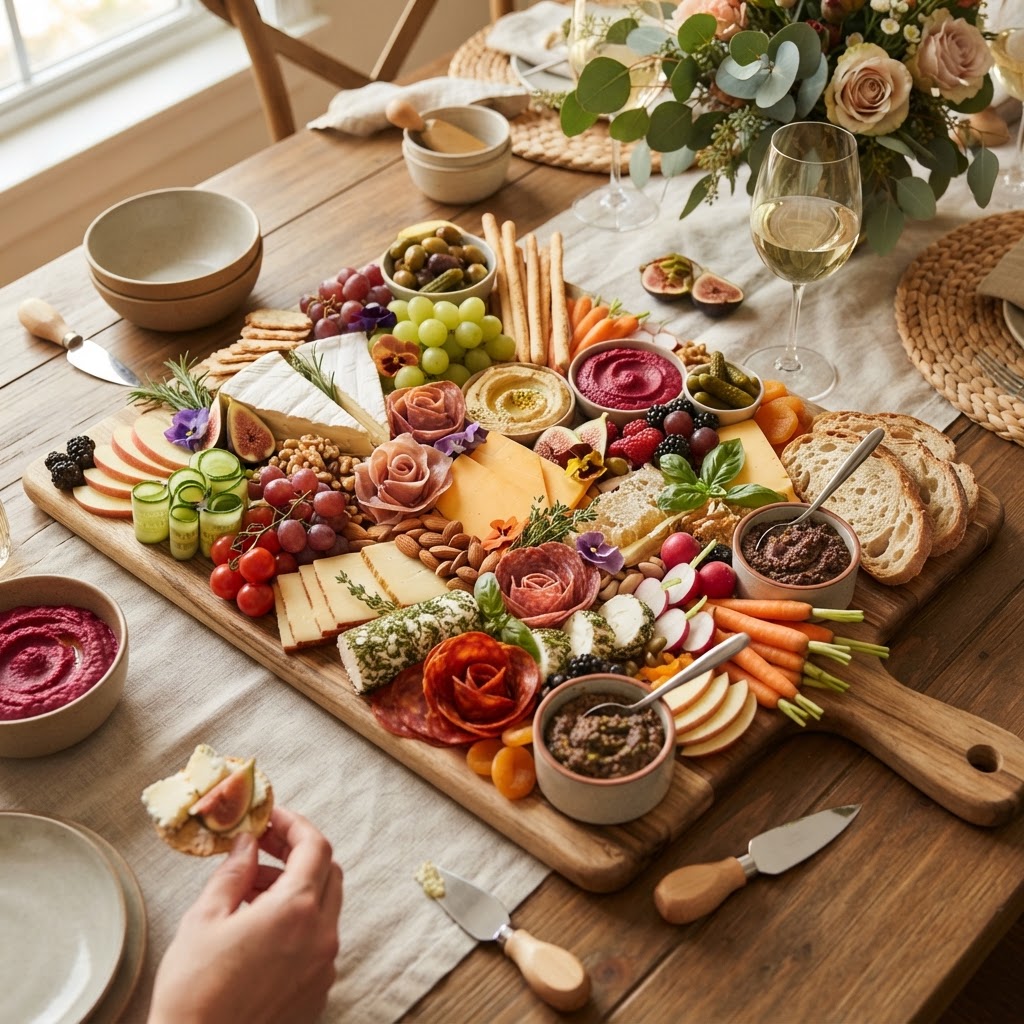
The Art of the Grazing Board: How to Balance Textures, Flavors, and Aesthetics for Effortless Hosting
There is something undeniably magnetic about a beautifully curated grazing board that instantly transforms a casual gathering into a sophisticated culinary event. As a chef, I have spent years meticulously plating individual dishes, yet I have found that the communal experience of a grazing board often outshines even the most formal of dinner services. It is the ultimate invitation to linger, encouraging guests to engage with one another through the shared act of selecting, pairing, and savoring various bites. The beauty lies not in rigid adherence to rules, but in the intentional curation of textures, flavors, and visual harmony that feels both generous and accessible. When you master the art of the board, you stop being a frantic host trapped in the kitchen and start being the architect of a memorable, relaxed environment.
The secret to an effortless grazing board isn't just buying expensive imported items, but rather understanding the fundamental architecture of balance. A truly exceptional board functions like a well-composed menu, where high acidity cuts through rich fats, crunchy elements provide a necessary counterpoint to creamy spreads, and fresh components ground the heavier selections. Many home cooks make the mistake of overcomplicating their boards or overcrowding the surface, which leads to a cluttered visual and a confused palate. Instead, think of your board as a landscape where every ingredient has a purpose, a place, and a partner. By focusing on a deliberate selection rather than an exhaustive pantry purge, you can create an experience that feels intentionally luxurious while remaining entirely approachable.
In this guide, we are going to break down the science of the perfect spread, moving from the foundational choice of your board base to the final flourishes of edible garnishes. We will explore how to source quality ingredients, the essential techniques for prepping items to ensure they stay fresh, and the specific ratios of savory to sweet that guarantee every guest finds something to love. Whether you are hosting a quick Wednesday night gathering with friends or an elaborate holiday brunch, these principles will elevate your hosting game. Grab a glass of something crisp, clear your counter space, and let’s dive into the artistry of the grazing board—because if the presentation fails, you can always just blame the chef.
The Foundation: Choosing Your Board and Mise en Place
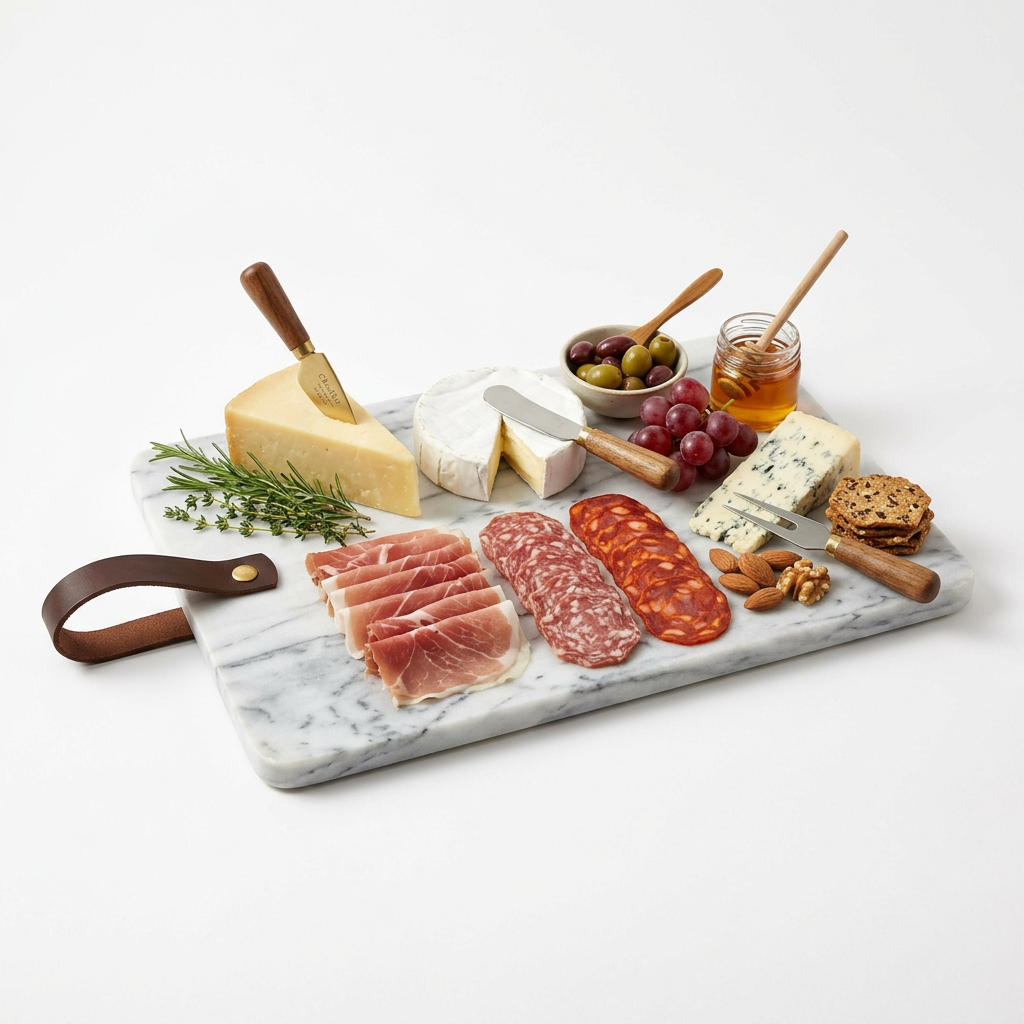
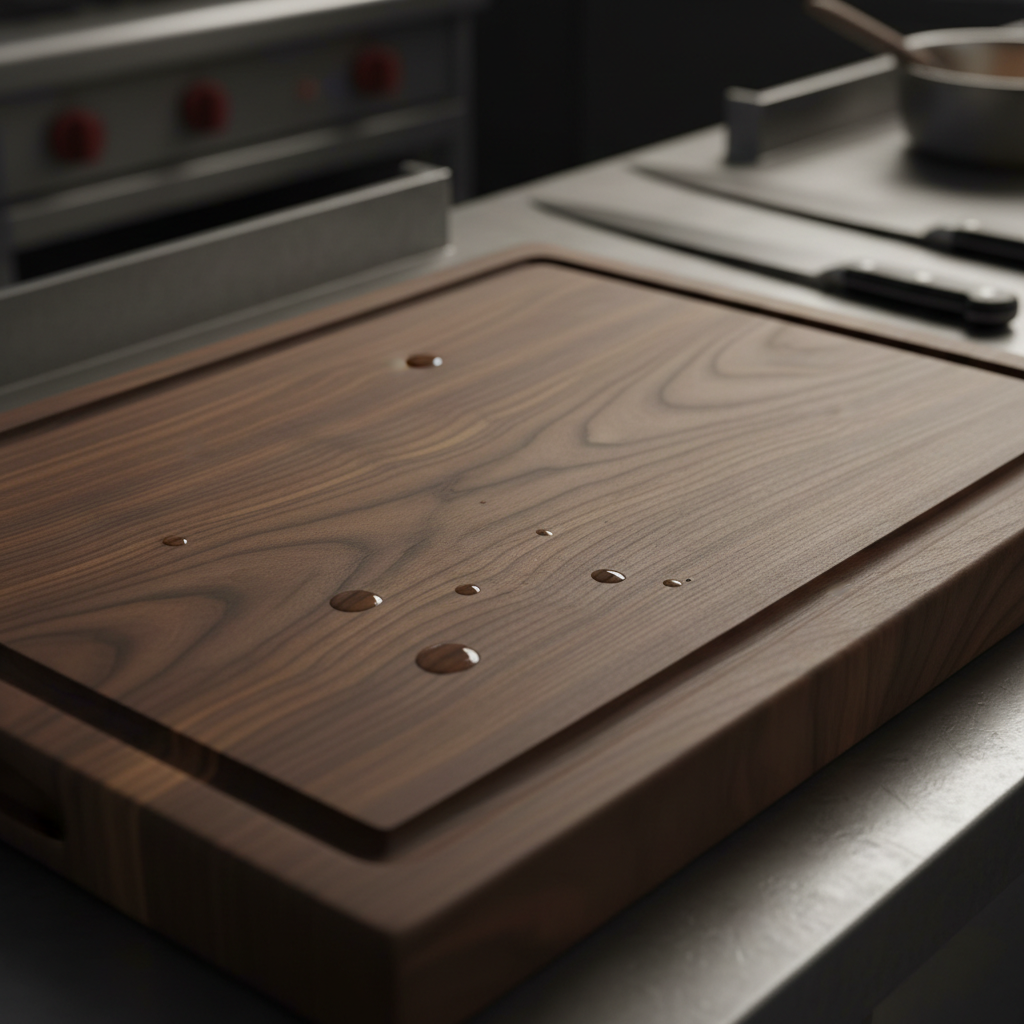
Before you even consider which cheeses or charcuterie to purchase, you must select the right vessel for your display. The board itself sets the tone for the entire event; a rustic, live-edge wooden plank offers a warm, earthy aesthetic that feels perfect for fall gatherings, while a sleek marble slab provides a cool, sophisticated base that keeps delicate items like soft cheeses and fruit chilled for longer. The key is to select a size that matches the scale of your party. A board that is too small forces ingredients to mingle inappropriately, causing flavors to bleed together, while a board that is far too large leaves gaping, awkward holes that make the display look sparse and uninviting. Aim for a board that leaves a small amount of negative space—this keeps the design looking intentional rather than chaotic.
Once you have your base, it is time to organize your mise en place. Professional chefs live by this rule, and it is the single biggest secret to stress-free hosting. Before you begin arranging, prep every single component individually. Wash and dry your grapes, slice your bread, fold your prosciutto into elegant ribbons, and portion your spreads into small ceramic bowls. If you attempt to slice cheese while simultaneously trying to place grapes, you will inevitably find yourself with a mess on your hands. Keep your prepped ingredients in small glass prep bowls or on parchment paper near your workspace. Having everything ready to go turns the assembly process into a meditative, creative flow rather than a frantic race against the clock.
Selecting the Right Material
"The art of the grazing board is not about filling every inch of space, but about creating a conversation between the ingredients. When you give each item room to breathe, you allow the guests to appreciate the individual quality of the food."
The Science of Flavor and Texture Balancing
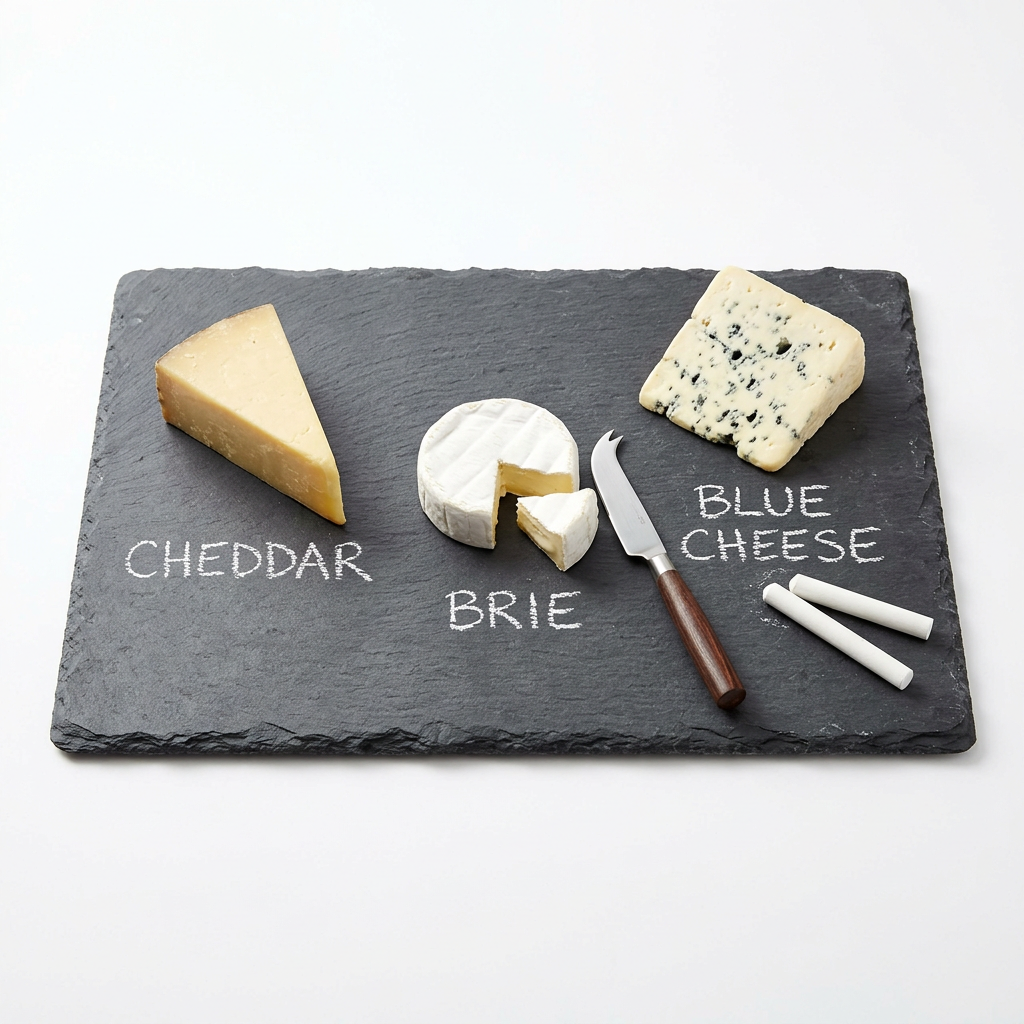
To create a grazing board that feels cohesive rather than random, you must prioritize the contrast of flavors and textures. A board dominated solely by soft, salty items will leave guests feeling fatigued, while a board filled with crunchy, sweet items will fail to satisfy the savory cravings that typically accompany a cocktail hour. You should aim for a ratio that includes at least three distinct texture categories: the creamy/soft, the firm/crunchy, and the fresh/vibrant. When you choose your cheese, for instance, aim for a "three-style" approach: a hard, aged cheese (like an extra-aged Gouda or Manchego), a creamy bloomy rind (like a Brie or Camembert), and a pungent blue or an earthy goat cheese. This covers your spectrum of profiles, from nutty to buttery to sharp.
The inclusion of acid and sweetness is what distinguishes a professional-level board from a basic platter. Acid acts as a palate cleanser, cutting through the heavy fat content of cured meats and artisanal cheeses. Incorporating elements like cornichons, pickled onions, marinated artichokes, or even a splash of high-quality balsamic glaze helps keep the palate refreshed. Sweetness serves a similar function but works to highlight the salty, earthy notes of your proteins and cheeses. Think beyond simple jams; try honeycomb, fresh seasonal berries, dried mission figs, or even candied nuts. By interspersing these elements, you ensure that every bite is a complete, balanced experience.
Balancing the Elements
Charcuterie and Protein Mastery
When selecting your meats, think about the mouthfeel and curing process. You want a variety of textures, from the silky, melt-in-the-mouth quality of high-quality Prosciutto di Parma to the toothsome, spice-forward profile of a hard-cured salami or chorizo. A good rule of thumb is to calculate about 3 to 4 ounces of meat per person if the board is intended to be the main focus of a light meal. Always ensure that your meats are sliced thin; even the finest salami can become unpalatable if cut into thick, chewy chunks. If you are sourcing meats from a deli, ask them to slice them on the thinnest setting possible so that you can fold them into "rivers" or "rosettes" on the board.
Another chef-level trick for elevating your meats is to let them come to room temperature before serving. Take your charcuterie out of the refrigerator at least 30 to 45 minutes before guests arrive. Cold meat fat is waxy and mutes the flavor; at room temperature, the fats soften, releasing the subtle spices, smoke, and curing salts that define a premium product. Additionally, pay attention to the way you present the meat. Instead of laying slices flat, try folding them into loose ribbons or tucking them around bowls of spreads. This adds height and visual interest to the board, preventing it from looking like a flat, uniform layer of deli meats.
Professional Meat Presentation Techniques
The Salami Ribbon:* Fold slices of salami in half, then in half again, and thread them onto a toothpick or overlap them in a winding line across the board.
The Prosciutto Rose:* Twist thin slices of prosciutto into a spiral to create a delicate flower shape, which works perfectly as a focal point near your soft cheeses.
Spicing the Proteins:* Don't be afraid to brush your salami with a bit of extra virgin olive oil and crack some fresh black pepper over the top right before serving to brighten the profile.
The Art of the Cheese Selection
Cheese is the soul of your grazing board, and your selection should be deliberate. I always recommend following the "something old, something new, something blue, and something spreadable" mantra. By providing a range of milk sources (cow, goat, sheep), you introduce complex flavor profiles that keep guests returning for more. Always label your cheeses if you are serving a crowd, especially if you are including unique or artisanal varieties. Guests are more likely to enjoy a strong cheese if they know what it is and understand its origin—it adds a layer of intellectual engagement to the snacking process.
Temperature is just as critical for cheese as it is for meat. A Triple-Cream Brie served straight from the fridge will be hard and flavorless; served at room temperature, it becomes decadent and molten. For hard cheeses, I recommend taking them out of the fridge an hour in advance. If you have an exceptionally crumbly aged cheese, like a cloth-bound cheddar, don't feel the need to slice it perfectly. Use a cheese wire or a firm knife to create jagged, bite-sized shards. These irregular shapes are much more appealing and easier for guests to spear with a cracker than perfectly uniform cubes.
Proper Cheese Pairing Guide
Aged Gouda:* Pairs perfectly with dark, nutty breads and a touch of fig jam.
Triple-Cream Brie:* Works beautifully with fresh strawberries or honeycomb.
Blue Cheese:* Needs the sweetness of dried apricots or a drizzle of balsamic reduction to balance its intensity.
Fresh Goat Cheese:* Loves a sprinkle of fresh herbs or a crust of cracked black pepper and crushed pistachios.
"A board without texture is a meal without excitement. We eat with our eyes first, and the juxtaposition of a crisp, jagged cracker against a soft, velvet-smooth goat cheese is the first step toward a successful hosting experience."
The Finishing Touches: Garnishes and Fillers
This is where you transform a collection of snacks into an aesthetic masterpiece. Fillers and garnishes are the "jewelry" of the grazing board. Once you have placed your cheeses, meats, and primary bowls of spreads, you will inevitably have small, empty gaps on your board. Do not leave these empty! Use small items like marcona almonds, pitted olives, dried cranberries, or clusters of grapes to tuck into the crevices. This creates the illusion of abundance and ensures that no part of the board looks neglected. It also provides a practical benefit: if a guest finishes a piece of cheese, they don't have to navigate a large, empty void to reach for the next item.
For the final flourish, use fresh herbs and edible flowers. A sprig of fresh rosemary, a few stems of thyme, or a handful of fresh sage leaves placed around the board not only adds a vibrant, pop of green but also provides an aromatic experience that hits the guest the moment they lean in. The scent of fresh rosemary instantly signals "freshness" and "quality." Ensure that any herbs or flowers used are food-safe and have been rinsed thoroughly. These tiny details are what guests remember; they tell your visitors that you put thought into every single square inch of the spread.
Essential Fillers for Visual Depth
Nuts:* Marcona almonds for crunch, candied pecans for sweetness, or roasted pistachios for color.
Dried Fruits:* Dried figs, apricots, or cherries provide a chewy texture and intense concentrated flavor.
Fresh Produce:* Seasonal grapes, sliced pears, or mission figs add water content and a palate-cleansing sweetness.
Crunch:* Artisanal crackers, toasted sourdough baguettes, or savory breadsticks.
Strategic Placement and Board Flow
The way you arrange your items should follow a logical flow that makes sense for the guest. Place your larger items—the bowls of dips, the larger hunks of cheese, and the main piles of meat—first. These act as the "anchors" of the board. Once these are set, work in your medium-sized items like clusters of fruit or individual piles of crackers. Finally, use your smallest items—the nuts, the olives, and the herb sprigs—to fill in the remaining spaces. This cascading technique ensures that the board feels balanced and full without appearing cluttered or disorganized.
Consider the "reachability" of your board. If it is a very large board, try to place two or three small bowls of the same spread in different corners so guests don't have to reach across the entire table. If you are serving a crowd, consider using multiple, smaller boards placed around the room rather than one massive, unmanageable board. This encourages movement and prevents congestion around a single point. Remember that a grazing board is a social experience; you want to facilitate, not hinder, the flow of the party.
Pro-Tips for Hosting Success
The Seasonal Transition
One of the best ways to keep your grazing board hosting feeling fresh is to lean into the seasons. A board in the heat of July should look and taste completely different from a board served in the heart of January. In the summer, focus on stone fruits, fresh heirloom tomatoes, burrata, and light, acidic accompaniments like lemon-herb whipped ricotta or chilled cucumber ribbons. The colors should be vibrant and bright, reflecting the bounty of the harvest. During the summer months, keep your board in a cool, shaded area and ensure that soft, dairy-heavy items stay on the board for no longer than 45 to 60 minutes before refreshing them from a cool place in the kitchen.
In the winter, shift your focus toward heartier flavors and warmer, earthier profiles. Think aged, nutty cheddars, smoked gouda, robust salami, and spiced nuts. Incorporate dried fruits like cranberries and pears, and use deeper color palettes—cranberry reds, forest greens, and warm, golden browns. This is the time of year to include heartier crackers and perhaps even a warm dip, like a baked camembert with rosemary and garlic. Adjusting your board for the season ensures that your guests are always engaged and that your host-game stays relevant and exciting throughout the entire year.
Seasonal Suggestions
Spring/Summer:* Focus on light colors, fresh herbs, citrus-based spreads, and seasonal berries.
Autumn/Winter:* Lean into warm spices, dried fruits, nutty cheeses, and rich, smoky meats.
Final Thoughts
The art of the grazing board is, at its core, an act of generosity. It is about taking the time to curate a space that says, "I want you to be comfortable, I want you to be satisfied, and I want you to stay a while." By mastering the balance of textures, the temperature of your meats and cheeses, and the visual flow of your arrangement, you remove the stress that typically accompanies entertaining. You no longer have to worry about plating individual courses or managing a complex timeline; you have created a self-contained, interactive experience that allows you to be a guest at your own party.
Remember that perfection is not the goal; connection is. If a cracker falls, if the honey drips a bit too far, or if you run out of grapes halfway through the evening, don't fret. These are the moments that make a party human and real. As the chef, your most important tool is your confidence. If the board looks a little rustic, call it "artisanal." If the flavors are bold, call it "adventurous." Above all, enjoy the process of assembling the board as much as the guests enjoy eating from it. With these techniques in your back pocket, you are ready to host with ease, style, and a touch of professional flair. Go forth and graze, knowing that you have successfully mastered one of the most rewarding rituals in the culinary world. And if anyone asks why the Brie is slightly over-warmed or the prosciutto is arranged in such a particular way, just smile, shrug your shoulders, and tell them that you’re simply the chef—and that’s exactly how it was meant to be.

Get the Next Recipe
Weekly recipes, techniques, and gear picks — straight to your inbox.
