The Art of the "Grazing Board": Mastering Texture, Color, and Balance for Elegant, Low-Stress Hosting
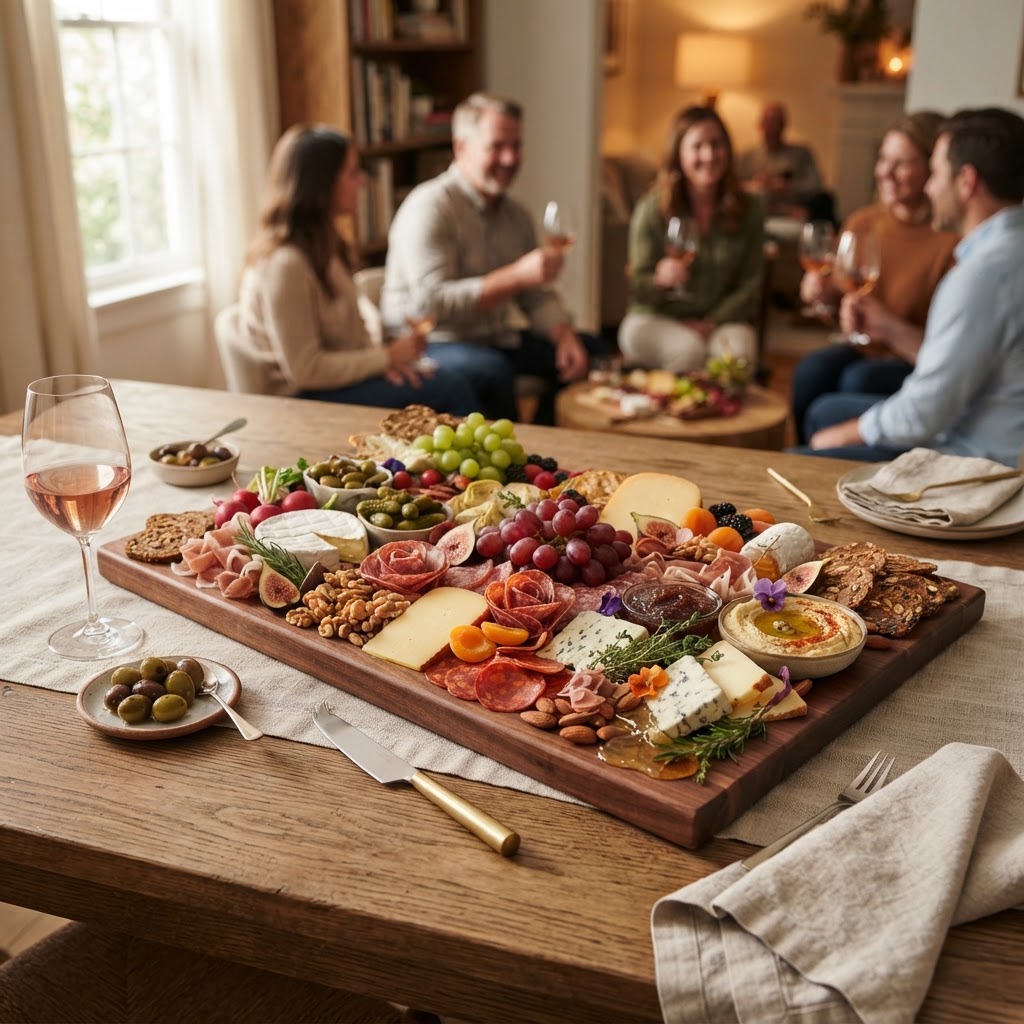
The art of hosting has undergone a quiet revolution in recent years, shifting away from the rigid, multi-course formal dinners that once defined domestic entertainment and toward a more fluid, interactive style of dining. We find ourselves moving toward a culture where the host is no longer confined to the kitchen while guests mingle, but rather is integrated into the social flow of the evening. The grazing board—a decadent, sprawling arrangement of artisanal cheeses, cured meats, fresh produce, and unexpected textures—serves as the perfect centerpiece for this new era. It is an edible landscape that invites conversation, encourages exploration, and takes the high-pressure element out of timing an elaborate meal. When you master the board, you become a curator of experiences rather than just a cook.
Building a truly magnificent grazing board is not merely about dumping assorted items onto a wooden plank, though that is certainly one way to approach it. It requires a fundamental understanding of flavor profiles, textural contrast, and the intentional use of negative space to create a visual masterpiece that is as easy on the eyes as it is satisfying to the palate. The goal is to provide a comprehensive culinary journey that transitions seamlessly from salty and savory to sweet and acidic, ensuring that every guest finds something that delights them. It is about moving beyond the standard cheddar and crackers to create something that feels bespoke and deeply considered. Even the most novice host can achieve professional-level results with a few strategic techniques and a little bit of confidence.
At "Blame The Chef," we believe that the kitchen should be a space of joy, and nothing steals that joy faster than the anxiety of trying to time a souffle while simultaneously greeting guests. Grazing boards are the ultimate antidote to hosting stress because they are meant to be assembled in advance, allowing you to relax and actually enjoy the company of those you’ve invited. When you provide a spread that is self-service and approachable, you give your guests the permission to indulge at their own pace. This guide is designed to strip away the intimidation factor and provide you with a structured, professional framework for building boards that look like they were pulled straight from the pages of a high-end lifestyle publication. Let’s dive into the mechanics of what makes a board truly spectacular.
The Foundation: Choosing Your Canvas and Tools
The first step in any successful grazing board is the physical architecture. You need a board that is large enough to hold an abundance of ingredients without looking overcrowded, but sturdy enough to be moved or replenished throughout the night. Whether you prefer the rustic charm of a reclaimed wood slab or the sleek, cool surface of a marble tray, your base is the canvas upon which your edible art is built. I always recommend having a few boards of varying sizes, but for a group of six to eight, a 16x24 inch board is an ideal starting point.
Selecting the Right Surface
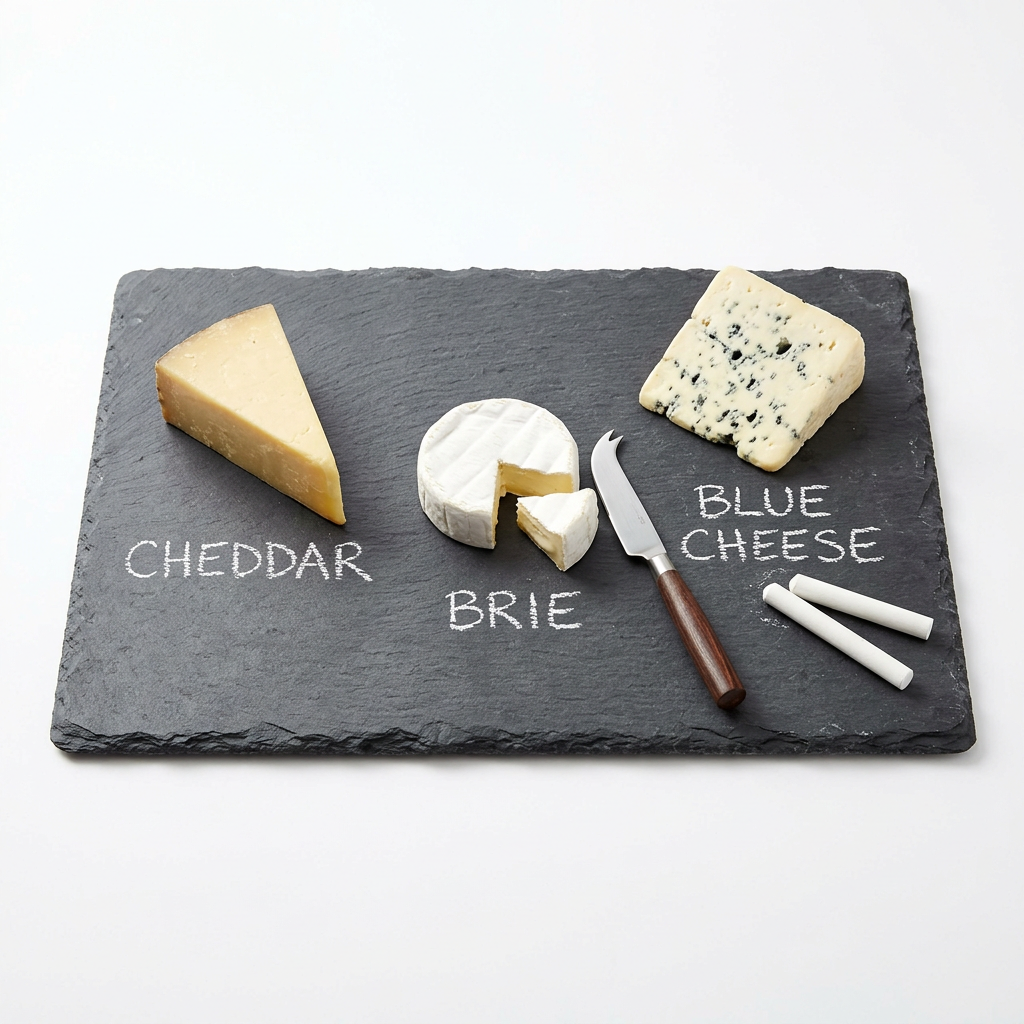
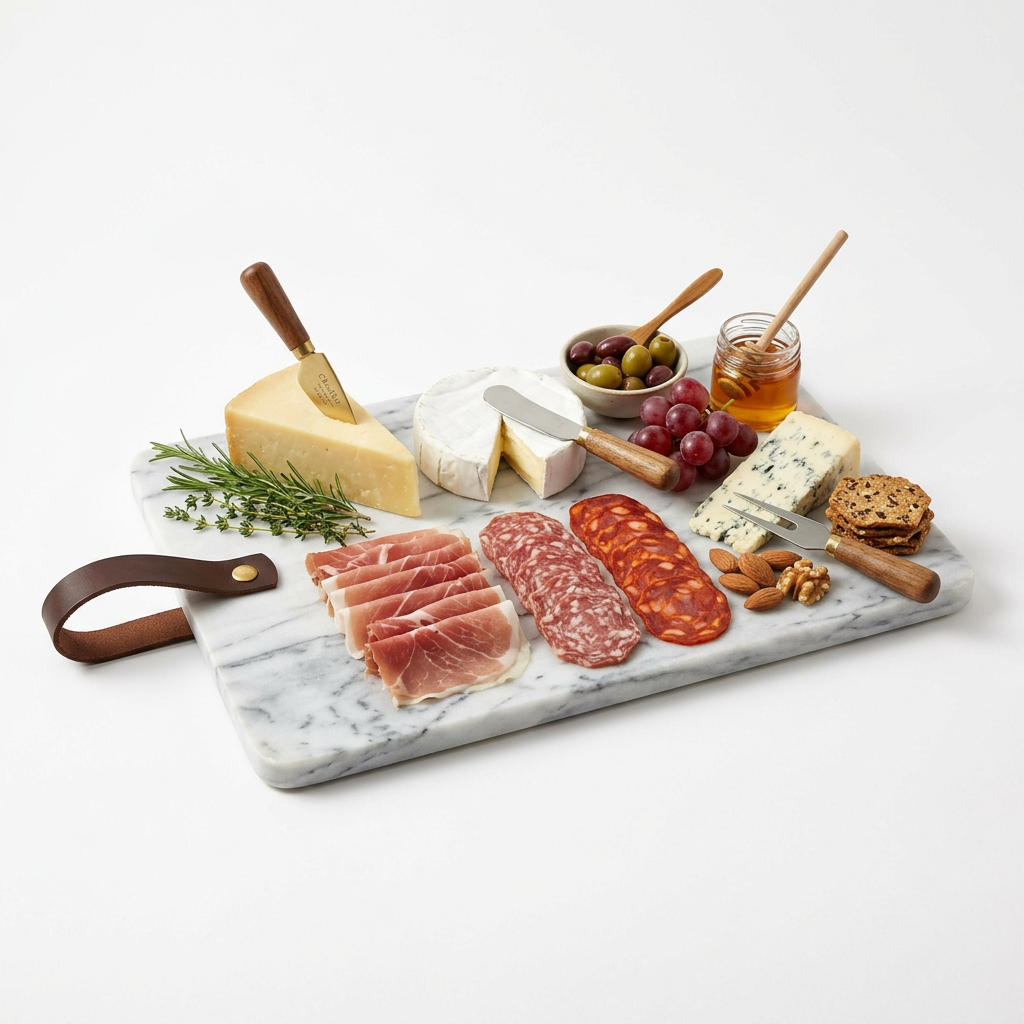
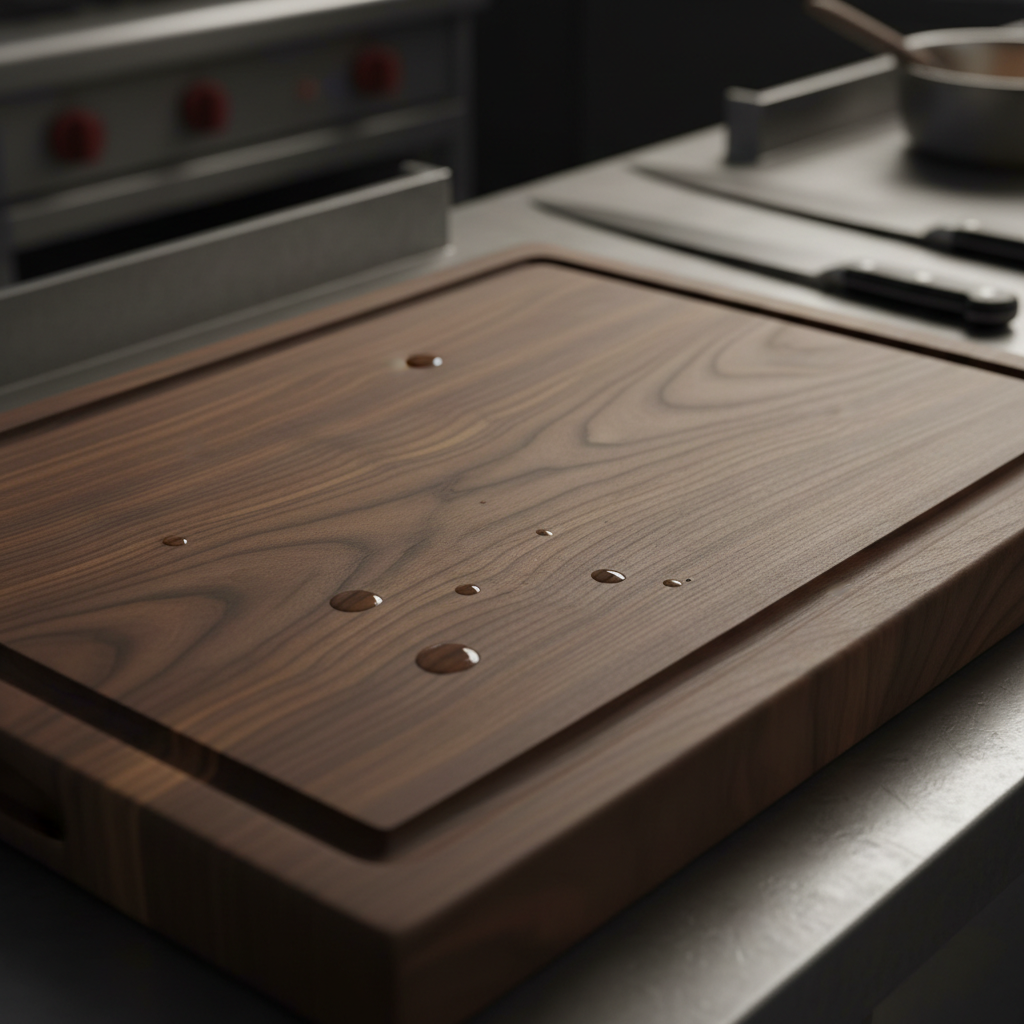
The material of your board influences how the food is displayed. Wood boards provide a warm, organic backdrop that makes colors pop, but they require careful maintenance. If you use wood, ensure it is properly oiled and food-safe. Marble or slate boards are fantastic because they stay cool, which helps keep cheeses at the ideal serving temperature for a longer period of time. Avoid boards with deep, decorative crevices that might trap crumbs or moisture, as they can be difficult to clean and sanitize.
Prep and Mise-En-Place
Before you even touch your ingredients, organize your workspace. The professional concept of mise-en-place—everything in its place—is crucial when assembling a board. Have your bowls, ramekins, knives, and serving utensils laid out before you begin arranging. I find it helpful to place my empty bowls on the board first to map out the geography of the spread. This allows me to adjust the flow of the board before I have committed to placing expensive ingredients.
The secret to a perfect grazing board isn’t just the quality of the cheese; it is the deliberate placement of every single element to create a sense of effortless abundance.
The Cheese Architecture: Balancing Texture and Strength
Cheese is the heart of the board, and a professional spread requires a thoughtful mix of textures and milk sources. A good rule of thumb is to provide at least three to five different types of cheese, ensuring you have a variety of profiles represented. You want a soft-ripened cheese (like a double-cream Brie or a bloomy rind Camembert), a semi-hard cheese (like a sharp aged Cheddar or a Comté), a firm/hard cheese (like an aged Manchego or a crystalline Pecorino), and something with a bit of funk, like a classic Blue or a washed-rind variety.
The Rule of Odd Numbers
When selecting your cheeses, stick to an odd number—three, five, or seven. This is a classic design principle that makes the board feel more balanced and professional. When you group cheeses, consider the "milk profile": try to include one cow’s milk, one goat’s milk, and one sheep’s milk cheese. This provides a diversity of flavor that prevents the palate from becoming fatigued. Always serve your cheese at room temperature, which means pulling them out of the refrigerator at least 45 to 60 minutes before serving to ensure the butterfat softens and the flavors fully bloom.
Cutting Techniques
How you present the cheese changes how it is perceived. For a firm cheese, create thin, irregular wedges or triangles. For a soft cheese, place it whole with a dedicated cheese knife, or cut a single wedge out of a round to signal that it is ready to be served. Crumbly cheeses like Stilton or a mature blue should be broken into large, rustic chunks rather than sliced, which preserves their structural integrity and makes them easier for guests to spear with a cracker.
The Protein Element: Cured Meats and Savory Accents
While the cheese provides the richness, the cured meats offer the necessary salt and complexity. Think of your charcuterie as the savory anchor of the board. You want a mix of textures here as well—thinly sliced, delicate meats alongside heartier, coarser-ground options. A classic selection includes a thinly sliced Prosciutto di Parma, a spicy Sopressata, and a more robust hard salami or Chorizo.
The Art of the Fold
Don’t just lay your meat flat. The way you arrange thin slices makes a world of difference. Try "ribboning" your Prosciutto by folding it into small, ruffled piles, or fanning out slices of salami in a circular pattern to create a visual "flower." For thicker, harder meats, cut them into bite-sized cubes or angled coins. This gives the board height and movement, preventing it from looking flat and uninspired.
Balancing the Salt
Charcuterie is inherently salty, so you must pair these meats with ingredients that cut through that richness. This is where your pickles, mustards, and vinegary accoutrements come into play. A dollop of grainy Dijon mustard or a selection of cornichons and marinated olives provides the necessary acidity to cleanse the palate between bites. Keep these items in small bowls to contain the juices and prevent them from migrating into the crackers and bread.
Great hosting is the art of anticipating the guest’s needs before they even realize they have them, which is why every board needs a perfect balance of sweet, savory, crunchy, and soft.
Fruits, Nuts, and Veggies: The Freshness Factor
A grazing board without fresh elements feels heavy and one-dimensional. You need the brightness of fruit and the earthiness of vegetables to lighten the experience. Seasonal fruits are your best friend here. In the winter, think figs, pomegranate arils, and sliced pears. In the summer, reach for fresh cherries, grapes on the vine, and apricots. These ingredients add essential color and natural sugar, which pairs perfectly with the salty cured meats and rich cheeses.
Creating Contrast with Color
When choosing your fruits and vegetables, think about the color palette. If your board is heavy on the neutral tones of cheese and meat, use vibrant grapes, deep red berries, or bright green snap peas to inject energy into the arrangement. Arrange these items in small clusters, filling in the gaps between your larger items. This technique of "tucking" in smaller elements is what makes a board look bountiful and professional.
Texture and Crunch
Nuts are essential for adding the necessary crunch. Marcona almonds are a personal favorite for their buttery texture, but a mix of candied walnuts or toasted pecans also provides a wonderful depth of flavor. If you are serving nuts, ensure they are high quality. Avoid the overly salted, commercial options. A light toast in a dry pan over medium heat for about 3–5 minutes—until fragrant—will elevate store-bought nuts to restaurant-quality status.
The Bread and Crackers: Delivery Vehicles for Flavor
The bread and crackers are the delivery systems for all the deliciousness you have curated. You want a variety of textures here as well. A crusty sourdough baguette is essential for spreading softer cheeses, while a seed cracker or a lavash provides a sturdy, crunchy base for the meat and cheese combinations.
The Variety Strategy
Aim for at least three types of "vehicles":
Placement Tips
Avoid placing all your bread in one corner. Distribute it across the board so that guests have access to a "vehicle" no matter where they are standing. If you are hosting a larger group, place small piles of crackers near the cheeses they best pair with—for example, keep the neutral crackers near the brie, and place the harder, heartier crackers near the savory meats.
The Secret Sauces: Spreads and Accoutrements
No grazing board is complete without those "extra" touches that make guests ask, "Where did you get this?" This is where you can showcase your culinary personality. A small pot of high-quality honey (perhaps infused with chili or lavender) is a classic pairing for hard, salty cheeses. A fig jam or an apricot preserve provides a beautiful sweet contrast to the funkiness of a blue cheese or the intensity of a sharp cheddar.
Professional Tips for Spreads
Use small, decorative ramekins to hold these items. It keeps the board clean and prevents the honey or jam from getting on everything else. Provide a small spreader or spoon for every single dip and jam. There is nothing worse than having to use a piece of meat to scoop out jam—it ruins the experience for everyone. If you have guests with allergies, ensure these spreads are clearly identified, especially if they contain nuts or dairy.
The Herb Garnish
Never underestimate the power of a fresh herb garnish. Sprigs of fresh rosemary, thyme, or sage tucked into the corners of the board add an incredible aromatic element and make the whole presentation look elevated. They act as the "greenery" that bridges the gaps between different elements and ties the whole aesthetic together.
Final Thoughts
Mastering the grazing board is less about following a strict recipe and more about embracing the spirit of abundance and creativity. By focusing on a balance of textures, colors, and flavors, you move from being a mere assembler of food to a designer of social connection. Remember that the best boards are those that feel personal—don’t be afraid to incorporate your favorite local products, seasonal finds, or even a nod to your family’s culinary heritage.
The next time you host, take a breath, set your board, and enjoy the process. A grazing board is not just about feeding your guests; it is about setting a stage for conversation and comfort. It is the culinary equivalent of a warm welcome at the door. When you provide the space for people to gather around a beautiful, thoughtfully crafted spread, you are doing more than just serving snacks—you are fostering a sense of community. So, raid the local deli, grab some fresh fruit, and don’t be afraid to experiment with your own combinations. At the end of the day, as long as the cheese is at the right temperature and the company is good, the evening is guaranteed to be a success. You have the skills, you have the tools, and most importantly, you have the permission to make it your own. Happy hosting, and remember to blame the chef if the board is just too good to stop eating from.
Hosting doesn't have to be a chore. It is, and should always be, a celebration of the senses. By utilizing these techniques, you ensure that you remain a part of the party, not just a bystander stuck in the kitchen. The grazing board is your secret weapon for elegant, low-stress, and high-impact entertaining. Start small, experiment often, and enjoy the wonderful, communal experience that only a well-laid spread can provide. When you master the art of the board, you master the art of the party. Happy grazing!

Get the Next Recipe
Weekly recipes, techniques, and gear picks — straight to your inbox.
