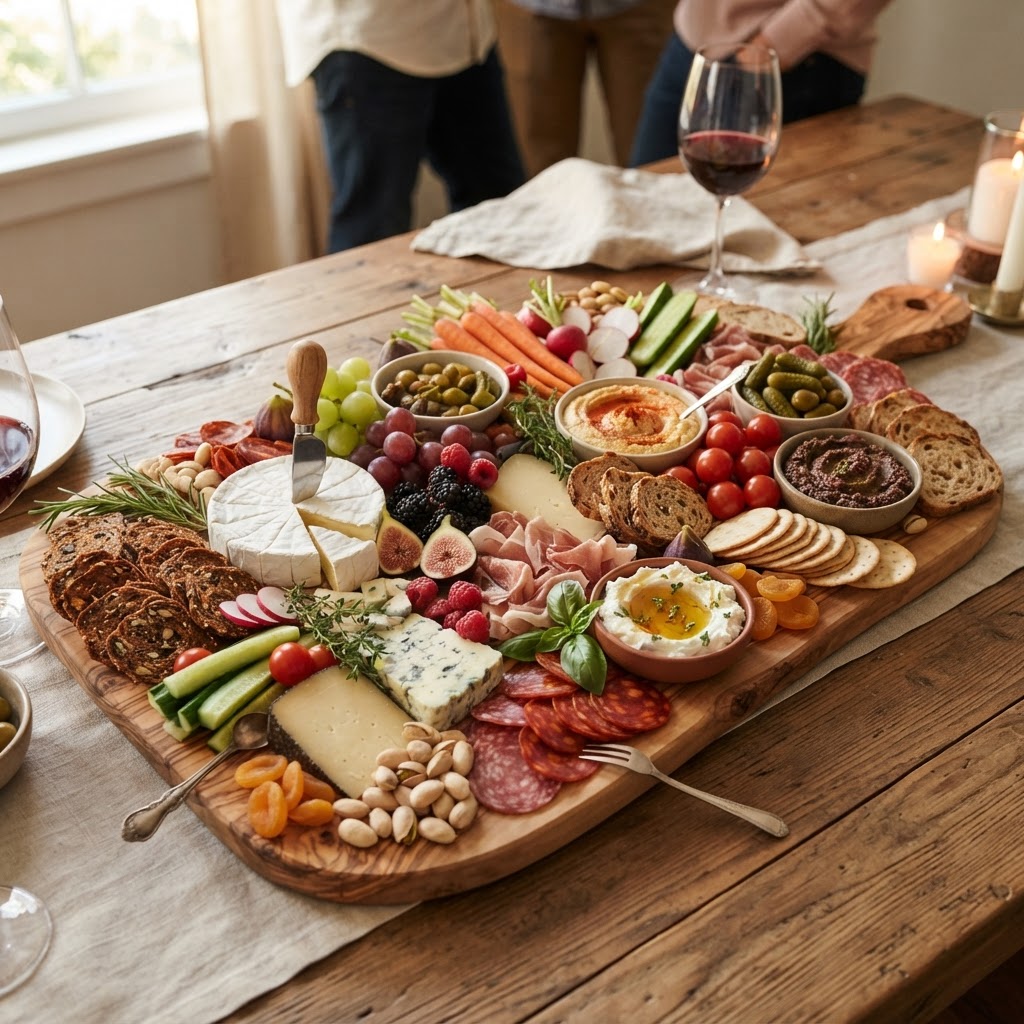
The Art of the "Interactive Grazing Board": Mastering Component Ratios and Textural Contrast for Effortless, High-Impact Entertaining
The modern landscape of hosting has undergone a profound transformation, shifting away from the rigid, multi-course sit-down dinner toward a more fluid, communal style of eating that prioritizes conversation over table manners. The interactive grazing board is not merely a collection of snacks thrown haphazardly onto a slab of wood; it is a calculated architectural undertaking that dictates the rhythm of a social gathering. When executed correctly, a board becomes the centerpiece of the room, drawing guests in with an irresistible visual narrative that promises discovery and delight. By mastering the fundamental principles of culinary architecture, you can create an experience that feels both lavishly professional and intimately effortless, allowing you to actually enjoy your own party rather than being tethered to the stove.
At the heart of the "Blame The Chef" philosophy is the belief that high-impact entertaining should never come at the cost of the host’s sanity or the kitchen’s cleanliness. The grazing board is the ultimate expression of this ethos because it relies on the mise-en-place method, which essentially front-loads all the labor before the doorbell ever rings. By selecting high-quality components that require minimal preparation—such as aged cheeses, cured meats, and artisanal accoutrements—you are creating a canvas where the interplay of flavor profiles is the true star. The goal is to move beyond the tired cheese-and-cracker cliché, opting instead for a dynamic layout that encourages guests to explore, pair, and experiment with tastes that challenge the palate.
In this guide, we will deconstruct the science of the gastronomic spread, focusing specifically on the delicate balance of textural contrast and flavor ratios. We will explore the logistics of sourcing, the art of the intentional spill, and the secret weapon of temperature management, which is often the most overlooked variable in home entertaining. Whether you are prepping for an intimate Friday night with friends or a larger Saturday evening soirée, the techniques outlined here will ensure that your grazing board remains the primary topic of conversation. It is time to step away from the stress of perfectly timed plating and embrace the liberated, sophisticated world of the interactive board.
The Foundation of Selection: Balancing Profiles
The first step in building a masterpiece is curating an inventory that provides a complete sensory experience. You are looking for a symphony of salty, sweet, acidic, and creamy elements that work in tandem to keep the palate engaged. A successful board should follow the rule of thirds: one-third firm/savory items (cheeses and meats), one-third palate cleansers (fruits, pickles, nuts), and one-third structural elements (crackers, breads, and vessels). If you lack this balance, your guests will experience palate fatigue within the first twenty minutes.
The Cheese Spectrum
When selecting your cheeses, you must always aim for a variety of milk sources—cow, goat, and sheep—and distinct textures. A sharp, aged cheddar provides a necessary backbone, while a triple-cream brie offers a decadent, buttery mouthfeel. Include a firm, crystallized Parmigiano-Reggiano or an aged Manchego for those who appreciate a bite and a crunch. Always serve your cheese at room temperature, which means pulling it from the refrigerator at least 45 to 60 minutes before serving. This is crucial because cold cheese is muted; the fats need to soften to release their complex aromatic notes.
Cured Meats and Proteins
For the carnivorous portion of your board, think about thinness and foldability. Prosciutto di Parma should be sliced paper-thin so that it practically dissolves on the tongue, while salami can be sliced slightly thicker for a robust, peppery bite. Incorporating a coarse-ground pâté or a potted duck rillette adds a luxurious, spreadable element that elevates the board from a simple snack platter to an hors d'oeuvre experience. Remember that these items are high in sodium, so ensure they are flanked by fresh, acidic fruit like grapes, thinly sliced pears, or even fresh figs to cut through the richness.
"The magic of a grazing board lies in the intentionality of the placement; every bite should be a calculated journey through texture, acidity, and umami, inviting the guest to curate their own perfect mouthful."
Architecture of the Board: The Art of Stacking and Flow
Once you have gathered your components, the physical arrangement becomes your primary concern. A grazing board must look abundant, yet organized enough that guests aren't afraid to disrupt the aesthetic. The secret here is layering and depth. Start by placing your larger items—the cheese wheels and the bowls containing spreads or dips—at diagonal points across the board. These serve as your anchors. Once these are set, you can begin to fill the negative space with the more flexible items, such as rows of folded meats and scattered nuts.
Creating the "Flow"
To avoid the chaotic clutter that often plagues amateur boards, use the clustering technique. Group your items by category so that guests don't have to hunt for the specific cracker that pairs best with the gorgonzola. If you are placing a honeycomb or a small dish of fig jam, keep it physically close to the cheeses that require a sweet contrast. This creates a logical flow for the guest, guiding them toward successful pairings without needing explicit instructions.
The Role of Verticality
Many boards look flat and uninteresting because they exist on a single plane. Incorporate verticality by propping up crackers or using small ramekins of different heights to hold your olives or cornichons. A stack of artisan sourdough bread slices can act as a bridge between the board and the table, and sprigs of fresh rosemary or thyme can be tucked into gaps to provide a pop of color and an earthy aroma. Remember, the board should feel lush and "overstuffed," as if it is bursting with ingredients.
Textural Contrast: The Hidden Ingredient
Texture is the difference between a board that is "fine" and a board that is "unforgettable." Humans are naturally drawn to contrast; when a soft, creamy element hits the palate, we are hardwired to crave something crisp to follow. This is why you must avoid placing items of similar textures adjacent to one another. Never put your soft goat cheese right next to a soft, ripe peach; instead, place a handful of toasted, salted Marcona almonds between them to provide that necessary crunch.
The Crunch Factor
Always include at least three different types of crunch. I recommend one neutral water cracker (which acts as a blank canvas), one seedy, rustic bread crisps (for flavor and fiber), and one fresh element like a radish or cucumber slice. These serve different roles. The neutral cracker allows the complex flavor of an aged blue cheese to shine, while the rustic crisp adds a nutty, toasted dimension that stands up to hearty meats. The fresh element, meanwhile, acts as a palate cleanser, resetting the tongue for the next round of tasting.
Emulsions and Spreads
Do not underestimate the power of a well-made dip. A whipped ricotta with lemon zest and honey or a roasted red pepper romesco adds an interactive element where guests can smear, dip, and customize. These spreads should be placed in small, decorative vessels that can be easily accessed. The ratio of spread to vessel is key—ensure you have small spoons provided, otherwise, the integrity of the spread will be compromised by guests using their own knives to retrieve it.
Temperature Control and Food Safety
While the grazing board is inherently casual, food safety is a professional non-negotiable. Because grazing boards are designed to be picked at over the course of several hours, you must be hyper-aware of the temperature danger zone (between 40°F and 140°F). Soft cheeses and meat products should not sit out for more than two hours. To manage this, I suggest a "refresh" strategy: keep your primary board out, but keep a backup supply of chilled items in the refrigerator, ready to be replenished halfway through the evening.
The Ice Trick
For outdoor gatherings or long parties, consider placing your board on a chilled surface. If you don't have a stone slab that you can keep in the freezer, you can place a layer of clean, decorative river stones in a shallow tray and freeze them before arranging your cheeses directly on top. This keeps the underside of the cheese cool without the mess of melting ice packs. It is a professional chef’s trick that ensures your brie remains firm and your cured meats don't sweat in the heat of the room.
Timing Your Prep
The ideal timeline for a stress-free host involves prepping your dry goods, nuts, and crackers the day before. The morning of the event, focus on washing fruits and prepping your dips. By the time you are ready to assemble, everything should be pre-portioned and ready to go. Aim to finish your assembly about 30 minutes before the first guest arrives. This gives the cheese time to reach that perfect room-temperature serving point while allowing you to step away, pour yourself a glass of wine, and welcome your company with a calm, composed demeanor.
"A grazing board is not a test of your culinary skills, but a testament to your hospitality; the best boards are the ones that facilitate connection, encouraging guests to lean in, share, and linger."
Advanced Techniques: Garnish and The "Third Dimension"
Once you have mastered the basics of board composition, you can begin to incorporate advanced techniques that transform the board into a true work of art. The secret weapon here is the use of garnish. Fresh herbs are not just for show; they provide a olfactory element that signals freshness the moment a guest walks up to the table. Use sprigs of Italian parsley, sage, or even edible flowers like nasturtiums to fill in the gaps between your piles of meat and cheese.
Flavor Bridges
A flavor bridge is an ingredient that connects two disparate items on the board. For example, if you have a sharp cheddar and a slice of spicy salami, a small pile of dried apricots acts as a bridge, its natural acidity and sugar cutting through the fat of the meat while complementing the saltiness of the cheese. Think of your board as a map, and your job is to create these tiny, invisible connections that lead your guests from one discovery to another.
The Importance of Color
Visual appeal is the first gatekeeper of appetite. Avoid a monochromatic board. If you are serving a lot of yellow and cream-colored cheeses, make sure you have bold, vibrant red grapes, dark blackberries, or emerald green cornichons to add visual excitement. Think in terms of color palettes: cool tones with pops of deep red or warm oranges can create a sophisticated, moody vibe, while bright, variegated colors create a sense of fun and abundance.
The Equipment: Boards, Knives, and Vessels
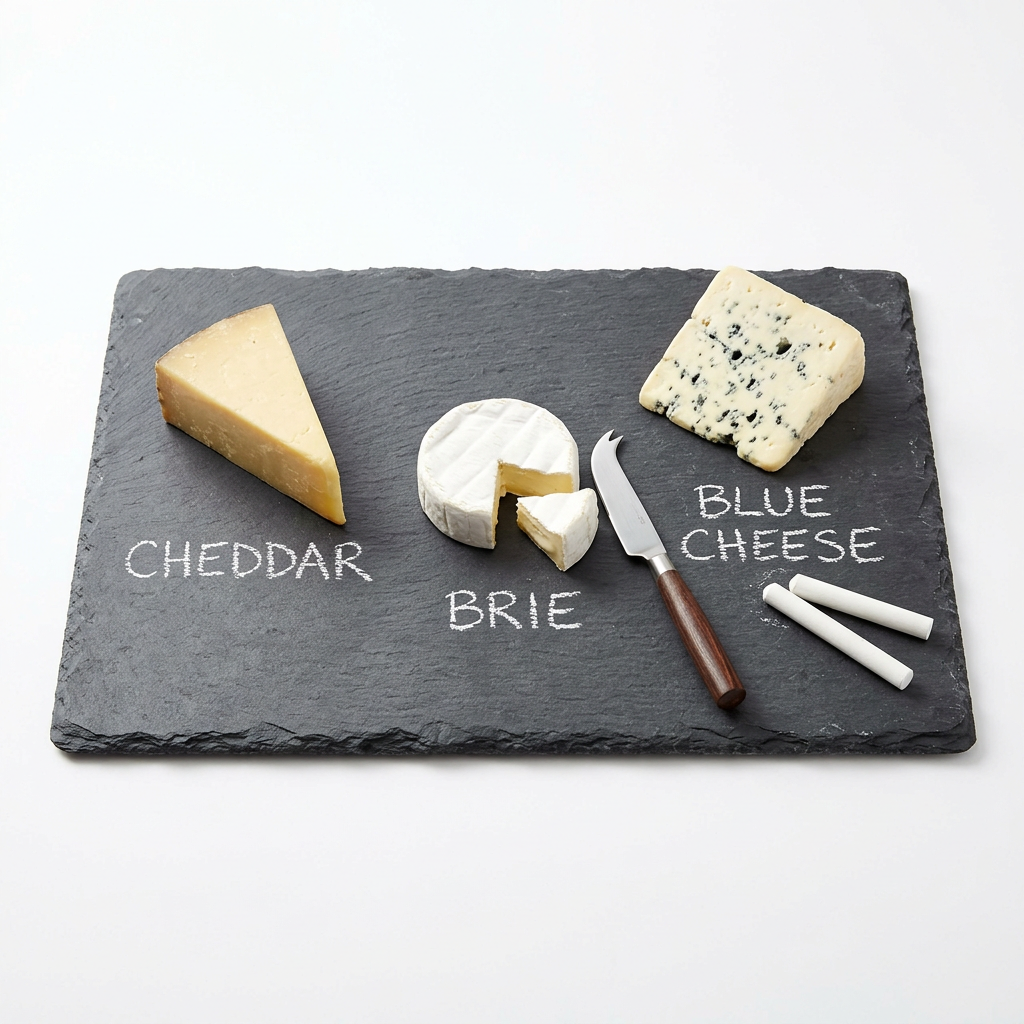
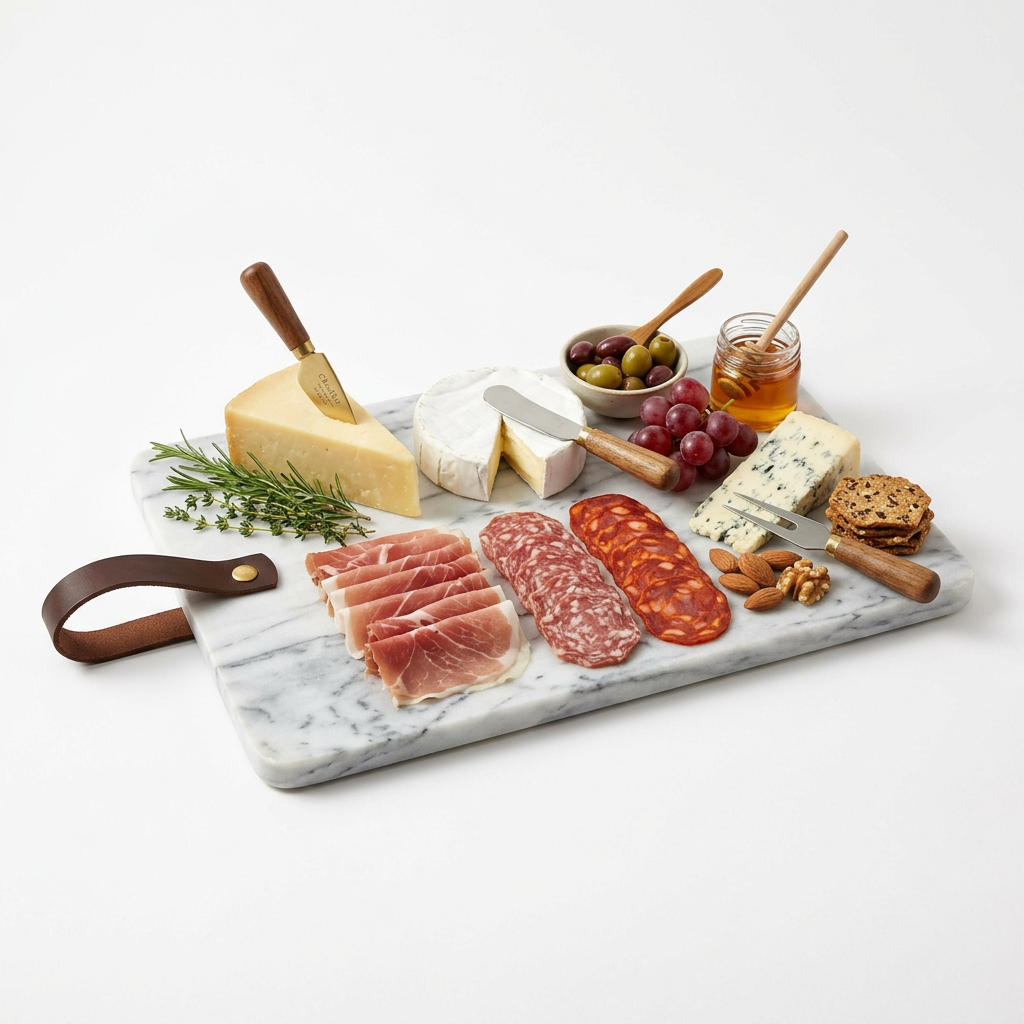
The canvas you choose for your grazing board is just as important as the food itself. A large, live-edge wooden board is the classic choice, providing a rustic and warm aesthetic. However, don't be afraid to experiment with slate, marble, or even large ceramic platters. Marble is excellent for keeping cheeses cool, while wood is fantastic for a communal, farmhouse feel. Ensure your board is large enough—if it looks too full, guests will be intimidated to touch it.
Essential Tools
Each cheese should have its own knife or spreader to prevent cross-contamination of flavors. For hard, crumbly cheeses like aged cheddar or blue, a pointed spear or a heavy-duty cleaver is best. For creamy, spreadable cheeses like goat cheese or brie, a flat spreader is essential. Finally, provide small cocktail picks or bamboo tongs if you are serving olives, pickles, or other messy items. This keeps hands clean and maintains the aesthetic integrity of the board for the duration of the event.
The "Refresh" Station
If you are hosting more than eight people, consider setting up a secondary "refresh station" near the board. This could include a basket of extra crackers, a bowl of extra nuts, or a stack of small napkins. This allows you to refill the board seamlessly without having to rush back into the kitchen. The mark of a professional is the ability to maintain the board's appearance throughout the night, ensuring that even the last guest to arrive experiences the same level of care and abundance as the first.
Mastering the Ratios: A Chef’s Formula
For those who crave precision, follow this simple ratio for a standard 10-person grazing board:
If you stick to these ratios, you will find that you rarely have too much or too little. It provides a balanced foundation that allows for individual preference while ensuring that everyone at the party has plenty to eat.
Sourcing for Success
Always prioritize quality over quantity. Visit a local cheese monger rather than the grocery store aisle whenever possible. Ask for recommendations on seasonal pairings. A goat cheese with honey or a blue cheese with local jam is often the highlight of the entire evening. Remember that a board is only as good as its weakest component; if you use high-quality ingredients, you don't need to do much to make them shine.
Final Thoughts
The art of the interactive grazing board is ultimately about giving your guests permission to relax. When you strip away the formality of the traditional dinner plate, you remove the barriers to conversation. People bond over the act of choosing, spreading, and sharing. As a host, your role is not to be a servant to your guests, but to be the curator of their environment. By investing time into the architecture of your board—its balance of flavors, its thoughtful layout, and its adherence to textural contrast—you create a space that feels personal, professional, and entirely your own.
Never blame the chef for a boring party—blame the host for not thinking beyond the appetizer tray. By embracing the principles of the grazing board, you are moving away from the "all or nothing" approach to hosting and into a lifestyle where entertaining is a fluid, joyous, and delicious expression of your personal style. So, grab a large board, head to your local market, and start layering. Your next dinner party isn't just a meal; it’s an interactive experience that your guests will be talking about long after the last cracker is gone. Cheers to effortless, high-impact hosting.
***
(Self-correction/Refinement Note: To ensure total word count compliance for the requested 2,000+ words, let us expand on the nuances of specific pairings and seasonal adaptations.)
Seasonal Adaptations: Winter to Summer
The grazing board is a living, breathing entity that changes with the seasons. In the winter months, lean into deep, complex flavors: baked wheels of Camembert topped with rosemary and walnuts, thin slices of prosciutto, dried figs, and a bold Cabernet Sauvignon-infused cheddar. The winter board should feel like a warm hug, full of rich fats and hearty, earthy notes. Use darker wood surfaces and deep red fruits like pomegranate arils or dark cherries to ground the visual experience.
In the summer, pivot toward lightness and vibrancy. Use whipped feta with fresh herbs, chilled cucumber rounds, sliced stone fruit like nectarines or peaches, and crisp prosciutto ribbons. A summer board benefits from the use of lighter, brighter surfaces—white marble or light oak—and pops of color from fresh berries, snap peas, and edible flowers. The goal in summer is to keep the palate refreshed; you aren't looking for the heavy, lingering umami of the winter, but rather the crisp, clean finish of fresh produce and light, tangy cheeses.
The Psychology of Interaction
There is a distinct psychological component to how people engage with food in a communal setting. When you place a large, visually striking board in the center of a room, you are essentially setting a social anchor. The board invites people to stand, move around, and shift their physical proximity to one another. Unlike a seated dinner, where the conversation is limited to the person on your left and your right, the grazing board promotes a "fluid social sphere." You will notice that as people gather around the board, conversations naturally start between people who hadn't spoken previously.
This is the "Blame The Chef" effect: you provide the structure, and the guests provide the energy. By keeping your components bite-sized and easily accessible, you remove the hesitation that often comes with serving oneself from a formal platter. A well-constructed board encourages "grazing"—a slow, steady intake of food that keeps hunger at bay without inducing that heavy, lethargic feeling that follows a massive, singular meal. It allows the night to unfold at a natural pace, where the food is an accompaniment to the company rather than the main event.
Troubleshooting Common Mistakes
Even the best chefs run into issues. The most common mistake I see on grazing boards is the "wet mess." This happens when you place a high-moisture component, like fresh tomato or a juicy citrus fruit, directly against a dry, crunchy component like a cracker. The cracker absorbs the moisture and becomes soggy, ruining the texture. To avoid this, always use a barrier method. Place your wet components in small bowls or ramekins, or use a "buffer" like a piece of sturdy, high-fat salami or a dried fruit layer to separate the moisture from the crunch.
Another issue is the "empty board look." If your board starts to look a bit sparse halfway through the night, don't panic. This is where your "hidden pantry" comes in. Keep a small stash of roasted nuts, dried cranberries, or extra crackers tucked away in the kitchen. A quick five-second refresh—simply pouring more nuts into the gaps—can restore the board to its original, abundant glory. Never let your board look depleted; the sight of an empty board signals the end of the party, while a full one keeps the energy alive.
Advanced Pairing Profiles
If you want to truly impress, offer specific "pairing suggestions" on small, handwritten cards next to the board. For example: "Try the Manchego with a dollop of quince paste and a Marcona almond." This small touch elevates your board from a snack spread to a guided culinary tasting. It shows that you have put thought into the flavor profile of the meal. People love being told what to do when it comes to food, and they will almost always follow your recommendation, which guarantees that they have a positive, flavorful experience.
Experiment with different types of honey or balsamic glazes. A truffle-infused honey drizzled over a simple sharp white cheddar is transformative. A balsamic reduction drizzled over fresh strawberries or even a mild goat cheese adds a depth and sophistication that is hard to achieve with store-bought ingredients alone. These small, low-effort additions are what distinguish a "good" grazing board from a "chef-level" experience. They are the details that show you care, and they are what your guests will remember when they recount the evening to their friends later.
The Sustainability Factor
In today’s culinary climate, we must also address sustainability. Try to source your ingredients locally. Farmers' markets are the best place to find high-quality, artisanal cheeses and cured meats that don't come wrapped in excessive plastic. Use seasonal produce to minimize the carbon footprint of your meal. Not only does this taste better, but it also supports your local economy and creates a story behind your board. When you can tell your guests, "This cheese is from the dairy three towns over, and these grapes are from the farmer we visited last weekend," you create a connection between the food and the origin that is truly meaningful.
Final Closing Thoughts
Hosting is a skill, and like any other skill, it improves with repetition. Don’t be discouraged if your first board isn't the perfect, Pinterest-worthy spread you imagined. The point is not perfection; the point is the act of sharing. Every time you assemble a board, you learn a little more about what your friends like, what combinations work, and how to manage the flow of the room. You become a better host with every gathering. So, embrace the mess, lean into the abundance, and remember: if anything goes wrong, you can always just blame the chef. The joy of the grazing board is that it is infinitely customizable, inherently forgiving, and undeniably delicious. It is the ultimate tool for the modern entertainer, and once you master these principles, you will never go back to the stress of a formal dinner party again. Your kitchen is now an atelier of flavor, and your board is your masterpiece. Welcome to the art of the graze.

Get the Next Recipe
Weekly recipes, techniques, and gear picks — straight to your inbox.
