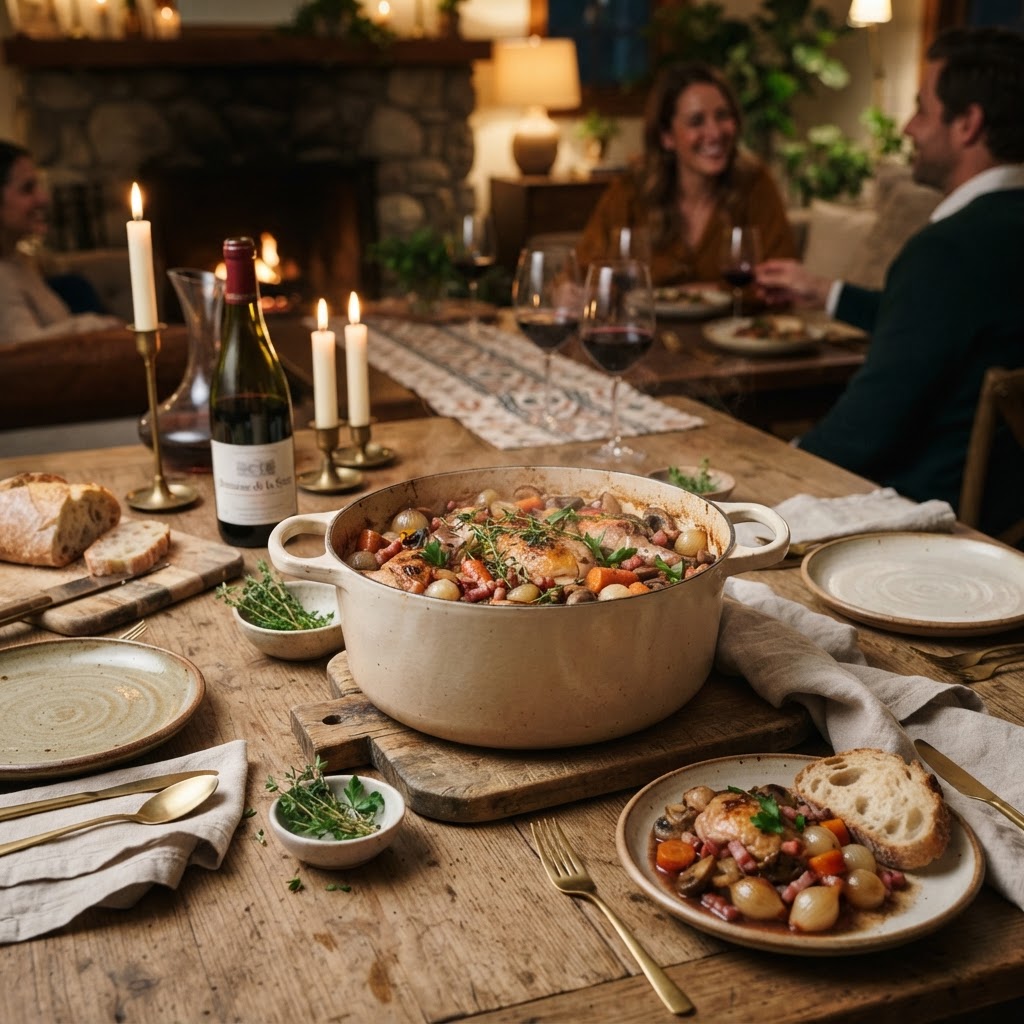
The Art of the "One-Pot" Centerpiece: Hosting Elegant, Low-Stress Dinners Without the Cleanup
There is a pervasive myth in the culinary world that hosting a dinner party requires a frantic, three-day marathon of prep work, a sink overflowing with nested mixing bowls, and a chef who spends the entire evening isolated in the kitchen. We have been conditioned to believe that elegance is synonymous with complexity, and that a "proper" meal must involve a flurry of disparate components requiring constant monitoring. However, the most sophisticated home cooks know that the true secret to hospitality is the art of the one-pot centerpiece. By shifting our focus toward high-impact, low-maintenance vessels—like heavy enameled cast iron or professional-grade braisers—we can orchestrate a dining experience that feels intentional and indulgent without requiring a complete kitchen renovation after the guests leave.
True elegance is not about the quantity of dishes served, but the quality of the narrative that the food tells on the table. When you commit to a one-pot philosophy, you are choosing to lean into the science of braising and slow-roasting, where time and heat perform the heavy lifting that human hands usually scramble to accomplish. A singular, perfectly executed centerpiece allows you to be a host rather than a short-order cook, freeing you to pour wine, engage in deep conversation, and actually enjoy the atmosphere you have labored to create. This approach strips away the pretension of formal service while elevating the rustic charm of communal eating, proving that simplicity is, indeed, the ultimate sophistication.
As we dive into the techniques that define these low-stress gatherings, remember that your choice of cookware is your most valuable kitchen assistant. Investing in a high-quality, heavy-bottomed Dutch oven provides superior heat retention and distribution, ensuring that your ingredients cook evenly without the risk of scorching. When you remove the stress of juggling multiple burners and timers, you unlock a level of creativity that is often stifled by the anxiety of a multi-course production. Let us reframe the dinner party not as an endurance test, but as a deliberate expression of hospitality where the cleanup is secondary to the connection fostered around the table.
The Philosophy of the One-Pot Centerpiece
The cornerstone of an elegant one-pot dinner is the selection of the vessel. You want something that can transition seamlessly from the stovetop where you develop the foundational layers of flavor, to the oven where the magic of slow cooking occurs, and finally to the table as a dramatic centerpiece. A 5.5 to 7-quart enameled cast iron pot is the gold standard here. Its weight provides the necessary thermal mass to maintain a steady temperature, which is crucial when you are dealing with tough cuts of meat that require a long, gentle breakdown of connective tissues.
Beyond the hardware, the philosophy relies on the concept of building layers. You begin by searing your proteins to develop the Maillard reaction—that deep, savory crust that provides the base notes for your sauce. Once the meat is removed, you deglaze with wine or stock, scraping up the fond, those golden bits of flavor stuck to the bottom of the pot. This is where your sauce is born. By keeping the entire cooking process within one vessel, you ensure that every ingredient—the aromatics, the herbs, the vegetables, and the meat—is infused with a singular, harmonious profile.
"Hosting is not about the performance of the chef, but the comfort of the guest. When you prioritize a centerpiece that cooks itself, you are giving your guests the greatest gift of all: your presence."
Understanding Heat Management
When working with one-pot meals, temperature control is your best friend. Most braises and stews perform best at a gentle simmer, typically around 300°F (150°C) when placed in the oven. If your heat is too high, you risk toughening the proteins; if it is too low, the flavors will never truly meld. Mastering this "low and slow" technique allows the collagen in tougher cuts to gelatinize, resulting in a melt-in-your-mouth texture that no high-heat searing method can replicate.
Master Techniques for Braising Perfection
Braising is the ultimate "set it and forget it" technique that separates the amateur from the professional. It involves two distinct stages: a high-heat sear followed by a long, slow immersion in liquid. The beauty of this method is its forgiveness. Unlike a delicate pan-seared scallop that can be ruined in seconds, a well-constructed braise improves with time. Whether it is a classic red-wine-braised short rib or a Provencal-style chicken with olives and tomatoes, the technique remains remarkably consistent.
The Science of the Sear
Before you add your braising liquid, you must dry the surface of your meat thoroughly with paper towels. Moisture is the enemy of the sear. If the meat is damp, it will steam rather than brown, preventing the formation of that essential, flavor-packed crust. Use a high-smoke-point oil like avocado or grapeseed oil, and wait until the pot is shimmering before adding the meat. Do not crowd the pan; if the meat is packed too tightly, the temperature of the oil will drop, and you will lose the caramelization you are striving for.
Managing the Liquid Ratio
The liquid you choose should never completely submerge the protein. A good rule of thumb is to have the liquid reach about two-thirds of the way up the side of the meat. This allows the top portion to roast slightly while the bottom portion braises, creating a wonderful contrast in texture. Use a combination of stock and an acidic element—like dry wine, vinegar, or citrus—to balance the richness of the fat.
Flavor Architecture: Building Depth from Within
A one-pot meal requires a bold approach to seasoning. Because you aren't preparing complex side dishes to balance the meal, the centerpiece must be robust enough to stand on its own. This is where aromatics and herbs play a critical role. You should treat your aromatics—shallots, leeks, garlic, and ginger—as the foundation of your architectural flavor profile. Sauté them slowly in the rendered fat from your meat to ensure the flavors are deeply integrated before the liquid is even added.
The Role of Umami
To take your dish to the next level, incorporate umami-rich ingredients that provide a savory "fifth taste." A tablespoon of tomato paste, a dash of Worcestershire sauce, a splash of soy sauce, or a few dried porcini mushrooms can add immense complexity to a sauce without the need for additional cooking time. These ingredients act as flavor enhancers that bridge the gap between the intensity of the meat and the brightness of your vegetables.
"The secret to a memorable dinner is the ability to taste the evolution of the ingredients. When they slow-cook together in a single vessel, they don't just coexist; they transform into something entirely new."
Herb Infusion Strategies
Herbs should be categorized by their durability. Woody herbs like rosemary, thyme, and bay leaves can withstand long cooking times and should be added at the beginning to infuse the sauce as it develops. More delicate herbs, such as parsley, chives, or basil, should only be added at the very end of the cooking process as a fresh garnish to provide a bright, vibrant contrast to the deep, dark notes of the braise.
Choosing the Right Protein for the Centerpiece
When choosing your centerpiece, look for cuts that benefit from long, slow cooking. These are generally the harder-working muscles of the animal, which are rich in connective tissue. Think short ribs, beef shank, pork shoulder, or chicken thighs. Unlike lean cuts like chicken breast or pork tenderloin, which dry out quickly under heat, these cuts actually become more succulent the longer they stay in the pot.
The Versatility of Bone-In Cuts
Whenever possible, cook with bone-in meat. The bones act as a natural heat conductor, helping the meat cook more evenly from the inside out. Furthermore, the marrow and collagen released from the bones during the cooking process add a luxurious, silky mouthfeel to your sauce that cannot be replicated by store-bought stocks. When your guests see the bone-in centerpiece served directly from the pot, it signifies a rustic, high-quality dining experience.
Pre-Cook Prep and Organization
Temperature:* Take your meat out of the refrigerator 30 to 45 minutes before searing.
Patting Dry:* Ensure the protein is bone-dry to get the best crust.
Seasoning:* Salt your meat generously at least an hour before cooking to allow the salt to penetrate the fibers.
Aromatics:* Chop everything before you turn on the stove to ensure you aren't rushing while the pan is hot.
Elegant Serving Without the Clutter
The final stage of the one-pot method is the presentation. Since you are serving directly from the vessel, it is important to treat the pot as part of the dining experience. A beautiful, well-maintained Dutch oven is a piece of art in its own right. Before serving, wipe the rims of the pot clean to ensure a polished look. You can also garnish the top of the dish with fresh microgreens, toasted nuts, or a zest of citrus to elevate the visual appeal of the meal.
Managing the Table Flow
Since you have saved time on cleanup, redirect that energy toward the table setting. A simple linen runner, a few tapered candles, and well-placed greenery will make the one-pot centerpiece feel like a curated choice rather than a lazy shortcut. The beauty of this service style is that guests can serve themselves, which encourages a more relaxed and interactive environment.
The "Clean-As-You-Go" Mindset
Even though you are cooking in one pot, there are still small tasks—like chopping vegetables or rinsing herbs—that create minor clutter. By the time the meal goes into the oven, your kitchen should be essentially clean. Use the time while the centerpiece is braising to wipe down the counters and organize your serving area. This allows you to walk into the dining room with a clear mind and a spotless kitchen, truly embodying the "low-stress" philosophy.
Scaling for Different Gatherings
The beauty of the one-pot method is its inherent scalability. Whether you are hosting a romantic dinner for two or a boisterous dinner party for eight, the technique remains identical. For larger groups, simply move to a larger vessel—an 8 or 9-quart oval pot is excellent for larger cuts of meat—and adjust your ingredient volume accordingly. The ratios of liquid to aromatics remain relatively stable, provided you ensure the pot isn't overly crowded.
Adapting for Dietary Needs
One-pot meals are easily adaptable for various dietary preferences. If you have guests with dietary restrictions, focus on the base aromatics and liquid profile. A vegetable-heavy base of root vegetables, leeks, and mushrooms can be just as delicious as a meat-based one. Simply replace the protein with hearty alternatives like chickpeas, lentils, or firm tofu, and adjust your cooking times accordingly to ensure the texture remains consistent.
Troubleshooting Common One-Pot Issues
Even the best chefs encounter hurdles when cooking for a group. If your sauce feels too thin, remove the meat once it's tender and simmer the liquid on the stovetop on high heat for 10-15 minutes to reduce it to a glossy, coating consistency. Conversely, if your meat isn't as tender as you would like, it simply needs more time. Don't panic; keep the heat low, keep the lid on, and check it every 20 minutes.
Mastering the Balance
If a dish feels "heavy" or "muddy," it is usually lacking in acidity. A squeeze of fresh lemon juice or a splash of good red wine vinegar at the very end can brighten the entire profile, cutting through the fat and making the dish pop. Always taste your sauce before serving; your palate is the final judge, not the recipe.
The Importance of Rest
Just like a steak needs to rest, so does a braised centerpiece. Allow your dish to sit at room temperature for at least 15 to 20 minutes before serving. This allows the internal juices to redistribute throughout the meat, resulting in a more tender bite, and ensures the flavors have a chance to settle and harmonize.
Final Thoughts
The transition to one-pot hosting is more than just a culinary convenience; it is a shift in mindset that prioritizes human connection over domestic labor. By mastering these foundational techniques—searing, building flavor layers, and utilizing the slow, transformative power of the oven—you reclaim the joy of hosting. You no longer need to fear the messy kitchen or the time-intensive prep schedule that traditionally defines "elegant" entertaining. Instead, you can look forward to the clinking of glasses and the sound of genuine laughter, knowing that your kitchen is not a place of stress, but the stage for a wonderful evening.
When you focus on a single, high-quality centerpiece, you are making a statement about what matters most. You are saying that the time spent with your guests is more valuable than the time spent scrubbing pans. Whether you are hosting a casual Friday night dinner or a celebratory feast, remember that the most successful meals are those where the host is present, the food is honest, and the cleanup is minimal. Embrace the one-pot method, trust in your ingredients, and most importantly, enjoy the process of creating something beautiful for the people you love. The secret to "Blame The Chef" isn't about blaming anyone at all; it’s about mastering the art of the effortless, ensuring that the only thing you have to apologize for is not making seconds.
Finally, do not be afraid to experiment. Take these fundamental principles—the searing, the aromatics, the long, slow braise—and make them your own. Use the ingredients you find at your local market, follow the seasons, and keep your culinary toolbox lean. Your kitchen is your sanctuary; keep it functional, keep it simple, and above all, keep the focus on the table. When the cleanup is effortless and the centerpiece is a triumph, you will find that you are hosting more often, with more confidence, and with a level of ease that your guests will surely appreciate. Hospitality is a craft, and with the one-pot centerpiece as your anchor, you are well on your way to becoming a master of the relaxed, elegant dinner party.
Get the Next Recipe
Weekly recipes, techniques, and gear picks — straight to your inbox.
