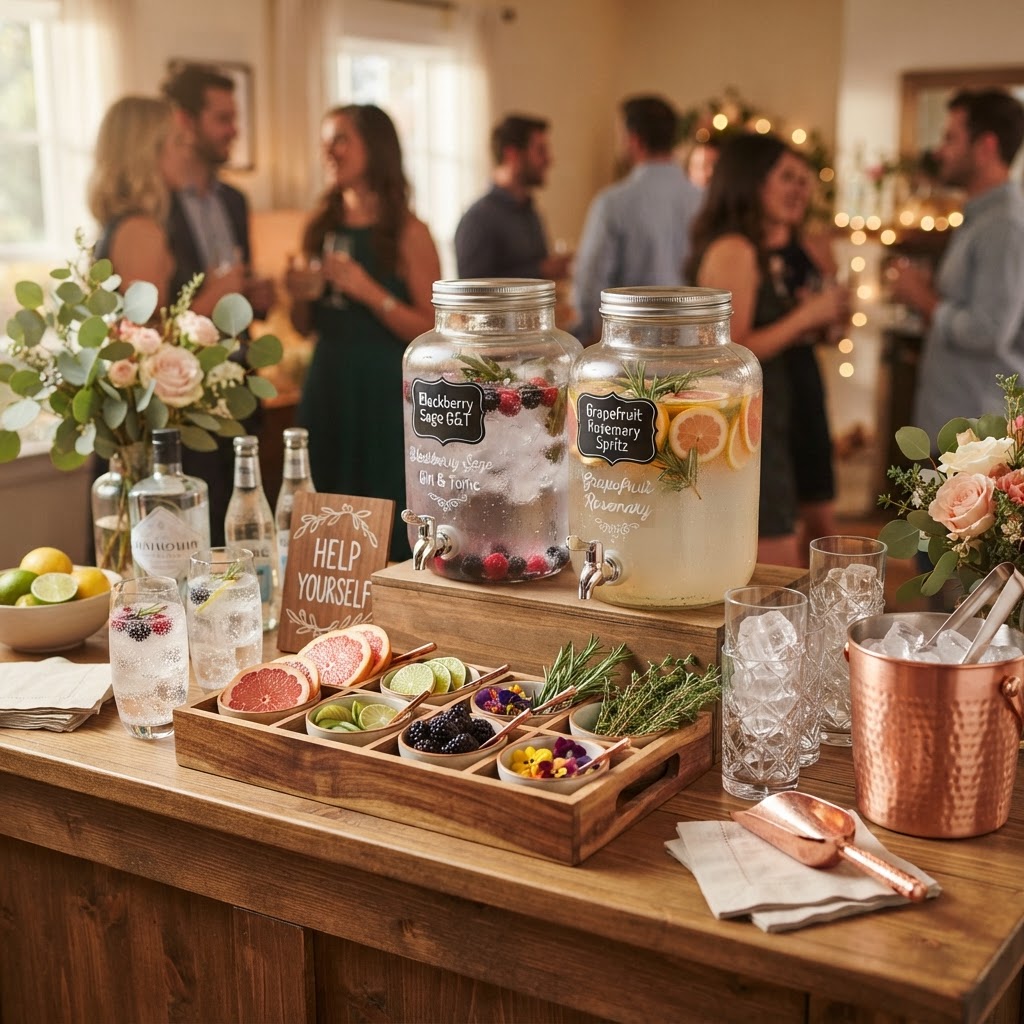
The Art of the "Self-Serve" Beverage Station: Mastering Batch-Prep and Garnish Trays for Seamless, Hands-Off Entertaining
There is a specific, quiet panic that sets in exactly twenty minutes before guests arrive at your home. You are frantically adjusting the throw pillows, the oven is humming with the final stage of your main course, and yet, the doorbell rings. In that moment, you realize the ice bucket is empty, the cocktail napkins are buried at the bottom of a grocery bag, and you are still tasked with playing bartender for twelve thirsty people. This scenario is the primary reason so many hosts feel exhausted before the party even truly begins, effectively trapping themselves behind the counter while everyone else enjoys the laughter in the living room. The solution, and the secret to becoming the host who actually enjoys their own event, is the self-serve beverage station.
By shifting the burden of drink preparation from the host to a thoughtfully curated, pre-staged station, you transform your role from a harried server to a relaxed conductor of hospitality. A successful batch-prep system doesn’t mean lowering your standards; rather, it means applying professional culinary rigor to your home bar setup. When you design a station that anticipates the needs of your guests—where everything is visible, accessible, and intuitive—you eliminate the bottleneck of the "what can I get you?" conversation. This approach relies on the principle of mise-en-place, a French culinary term that means everything is in its place and ready for execution before the heat is turned on.
Mastering this art form is about more than just setting out a few bottles and a bucket of ice; it is about architectural planning for liquid refreshments. You must consider the flow of traffic, the temperature requirements of different mixers, and the aesthetic appeal of a well-stocked garnish tray. When executed correctly, a self-serve station becomes the centerpiece of the room, acting as a social hub that encourages guests to customize their own experiences. Once you understand the ratios for high-volume batched cocktails and the logic of glassware placement, you will never feel the need to stand behind a mixing glass during your own dinner parties again.
The Strategy of Batch-Prep Cocktails
The greatest hurdle in self-serve entertaining is the temptation to craft individual drinks on demand, which is a recipe for isolation. The professional solution is batching, the technique of mixing the primary ingredients of a cocktail in advance to ensure consistency and speed. When you batch a cocktail, you are essentially pre-calculating the dilution that would normally happen when shaking with ice, which is the most critical scientific aspect of the process. If you serve a drink straight from a bottle without accounting for that missing meltwater, it will be far too potent and lack the "opened-up" flavor profile that dilution provides.
Understanding Dilution Ratios
To achieve the perfect balance in a batched drink, you should add approximately 20% to 25% of the total volume in filtered water to the mixture. This mimics the dilution that occurs during a standard 15-second shake. For a classic spirit-forward cocktail like a Negroni, the math is simple: combine equal parts of gin, sweet vermouth, and Campari, then add your water. Store this mixture in a glass decanter or a swing-top bottle in the freezer for at least four hours before serving. When the drink is poured over fresh, high-quality ice, the texture will be silky, and the balance will be identical to one made à la minute by a top-tier mixologist.
"A well-batched cocktail is not about shortcutting the quality of the drink; it is about liberating the host from the mundane labor of measuring individual jiggers, allowing for the true focus of hospitality: the guest experience."
Batching for Crowd Control
When planning your station, offer two distinct options: one spirit-forward cocktail (like an Old Fashioned or a Martini variant) and one effervescent spritz or highball. The spirit-forward option can be kept in the freezer, while the spritz base—typically a mixture of a liqueur, bitters, and juice—can be kept in a chilled carafe alongside high-quality tonic water or club soda. By keeping the soda separate from the base, you ensure that the drinks remain carbonated throughout the evening. Instructing guests to "pour the base to the line on the glass and top with soda" is a foolproof way to ensure consistent flavor profiles without requiring you to act as an intermediary.
Designing the Physical Station
The physical footprint of your beverage station dictates its success. You need a surface that is large enough to prevent clutter but small enough to remain intimate. A sideboard, a dedicated bar cart, or even a cleared-off kitchen island works perfectly. The most important rule of layout is visibility. If a guest has to move a stack of napkins to find the bottle opener, the station is not working. Utilize vertical space by using tiered stands for glassware, which adds visual interest and creates clear "zones" for different types of drinks.
Zones of Operation
Categorize your station into three distinct zones: the Base Layer, the Hardware Layer, and the Finishing Layer. The Base Layer contains your spirits, batch-bottles, and wine/beer. The Hardware Layer houses your glassware, ice bucket, and tools like a muddler, jigger, and long spoon. The Finishing Layer is your garnish tray and sweeteners. By grouping these items logically, you create a intuitive flow where the eye naturally moves from left to right. Ensure that your heaviest items, like large bottles, are grounded on the table, while lighter items like glass tumblers and napkins are elevated or stacked neatly nearby.
Ice Management: The Silent Professional
Ice is the most neglected element of a home bar, yet it is arguably the most important. Never rely on the standard ice tray in your freezer; it is too small, and the ice cubes will likely have absorbed the scent of that leftover lasagna you froze last month. Purchase or make large-format, clear ice cubes. They melt much slower than standard machine ice, which means your guests' drinks won't become watered down after ten minutes of conversation. Keep the ice in a double-walled, insulated ice bucket with a sturdy scoop. A communal bucket that requires guests to use their own glasses to scoop ice is a massive sanitation faux pas that will ruin the sophisticated vibe you are trying to cultivate.
The Art of the Garnish Tray
A garnish tray is where a self-serve station transforms from a simple table into an interactive culinary experience. Do not just throw a bowl of lemons on the counter. Instead, curate a selection of aromatics and acid that complement your specific batch-prepped drinks. If you are serving a gin-based cocktail, provide thin citrus wheels, fresh rosemary sprigs, and cucumber ribbons. If you are serving a bourbon-based drink, include orange peels, brandied cherries, and perhaps a small shaker of cinnamon dust.
Preparation and Freshness
The biggest mistake is pre-cutting garnishes too far in advance, which leads to oxidation and brown edges. You can mitigate this by treating your citrus like a chef: slice your wheels, then store them in an airtight container with a damp paper towel. Fresh herbs should be washed and spun dry in a salad spinner, then placed in a small jar of water or kept in a covered container with a damp cloth. By keeping your garnish tray organized—ideally with individual compartments or small ramekins—you invite guests to engage with the drink-making process as a creative outlet rather than a chore.
"A garnish is not merely a decoration; it is the first thing a guest experiences before the drink hits their palate. The scent of a fresh citrus oil expressed over a glass provides the sensory bridge between the visual presentation and the first sip."
Essential Tools for the Garnish Tray
Include small, dedicated serving tongs or tiny spoons for every compartment. This prevents cross-contamination and makes the station feel like a high-end apothecary. If you have guests with specific preferences, consider adding a "customization jar" containing simple syrup, agave nectar, or even a dash of salt solution for those who prefer to adjust their own drinks. Providing a small, printed menu card that explains what garnishes pair best with which cocktails is a thoughtful touch that removes the guesswork and makes even the most inexperienced guest feel like a pro.
Glassware: Choosing the Right Vessel
The choice of glass is an often-overlooked detail that significantly impacts how a drink is perceived. When guests serve themselves, they are often uncertain about which glass to choose. Simplify this for them by grouping glassware by the drink they are intended for. A collection of heavy-bottomed rocks glasses is essential for spirit-forward cocktails, while long, slender collins glasses are necessary for anything carbonated. If you are hosting a larger crowd, consider high-quality acrylic or tempered glass options to avoid the stress of broken glass in a crowded room.
Glassware Maintenance
Before your guests arrive, ensure all glassware is polished. Nothing ruins the appetite like a smudge on a wine glass or a water spot on a cocktail tumbler. A quick dip in a mixture of water and a dash of white vinegar followed by a wipe with a lint-free microfiber cloth will keep your glassware sparkling. Store glasses upside down on a tray to keep dust out, and ensure they are at room temperature or slightly chilled, depending on the season. If you are serving warm weather drinks, pre-chilling your glasses in the freezer for twenty minutes is a professional trick that keeps the drink cold much longer.
Stacking and Density
When setting up your station, density is your friend. Stack your rocks glasses in a pyramid or a tight square formation to maximize space. Do not be afraid to use a small decorative tray to corral loose items like stirring straws, napkins, and bottle openers. These small clusters of items prevent the "scattered look" that happens as the night progresses and guests become less precise. By defining the space for each item with a tray or a mat, you give the station a permanent boundary that maintains its elegance even after two hours of use.
Managing the Flow: Traffic Control
If you have ever been to a party where everyone is huddled around the drinks table, you know the frustration of the "bottleneck effect." To prevent this, place your beverage station away from the primary food service area and, if possible, away from high-traffic zones like the entrance to the kitchen or the hallway leading to the bathroom. You want the station to be a destination, not an obstacle. If you have a small space, consider placing the station along a wall to allow guests to approach from multiple angles, rather than forcing them into a single-file line.
Self-Service Signage
While it may seem formal, a small, handwritten sign or a printed menu card is incredibly helpful for a self-serve station. Include the name of the cocktails, a brief description of the ingredients (crucial for guests with allergies), and perhaps a short "how-to" if the process requires more than one step. Using a frame or a small chalkboard elevates the aesthetic and communicates that this station is intentional. It acts as a silent host, answering questions before the guest even has to ask them, which keeps the energy of the party moving.
The Role of Non-Alcoholic Alternatives
No beverage station is complete without a sophisticated non-alcoholic option. Modern hospitality demands that you consider guests who do not consume alcohol. Do not relegate them to a bottle of tepid soda. Instead, batch a mocktail using high-quality shrubs, cold-pressed juices, and tonic water. A shrub—a mixture of fruit, sugar, and vinegar—provides the complexity and "bite" that is often missing from non-alcoholic beverages. When kept in a beautiful glass carafe with a garnish of fresh berries or a sprig of mint, it looks just as festive as the cocktails and ensures that everyone feels included in the celebration.
Temperature and Seasonality: The Chef’s Perspective
Temperature is a variable that most home hosts ignore at their peril. In the summer, your primary objective is to keep everything chilled, which means having a backup cooler hidden nearby. In the winter, you might consider a thermos of mulled cider or a batch of hot toddy base kept warm in a slow cooker set to low. The goal is to ensure that the drink remains in its "ideal state" from the moment it is poured until the moment it is finished. Never serve a room-temperature drink that is intended to be chilled, as it will never recover its balance regardless of how much ice is added.
The Science of Serving Temperatures
For spirit-forward cocktails, the target serving temperature is between 28 and 32 degrees Fahrenheit. This temperature range suppresses the harshness of the alcohol while highlighting the botanical and spice notes of the spirits. To maintain this, keep your batch-bottles buried in a bed of crushed ice or in the coldest part of your freezer. For spritzes and highballs, ensure your mixers (tonic, club soda) are kept in the refrigerator, not just stored in the pantry. A warm mixer will melt your ice in seconds, destroying the dilution ratio and ruining the drink.
"A drink is a living thing. Its character changes from the moment it leaves the bottle to the moment it touches the tongue. By controlling the temperature, you control the narrative of the flavor profile, ensuring each sip is as intentional as the first."
Seasonal Adjustments
Tailor your station to the season. In the spring, lean toward light, floral notes—think elderflower liqueurs, sparkling wines, and citrus garnishes. In the autumn, shift toward darker, richer flavors—aged rum, spiced syrups, and garnishes like cinnamon sticks or star anise. This attention to detail demonstrates that you are not just hosting a party, but curating an environment. It signals to your guests that you have put thought into their entire experience, which is the hallmark of true culinary hospitality.
Troubleshooting the Self-Serve Station
Even with the best planning, things will go wrong. Someone will spill, a bottle will run dry, or the ice will melt faster than expected. The secret to a successful host is having a "recovery kit" hidden just out of sight. This kit should contain a roll of paper towels, a bottle of club soda (for spills), a spare bottle of every mixer you are serving, and an extra bag of ice stored in a secondary cooler. By having these items within reach, you can address any minor disaster in thirty seconds without your guests ever needing to know it occurred.
Managing Waste and Refills
Plan for the "refill wave" that inevitably happens halfway through the evening. Keep your backup bottles stored in a cool place, not necessarily on the main station surface. This prevents clutter while ensuring that you can quickly restock when a bottle runs low. If you notice a bottle is nearing empty, do not wait for it to be completely drained. Swap it out during a natural break in conversation. A partially empty bottle often looks unappealing to guests, so keeping your station looking "full" contributes to the feeling of abundance.
The Etiquette of Cleanup
As the party winds down, the beverage station will be the messiest part of the house. Don't worry about it while guests are still present. Once everyone has departed, your cleanup will be much easier because all the sticky residue, used glassware, and empty bottles are contained to one surface. Use this to your advantage: simply clear the station, wipe down the surface, and store your non-perishables. The ease of cleanup is just another benefit of the self-serve system, allowing you to end your night as relaxed as you started it.
Final Thoughts
The art of the self-serve beverage station is, at its core, an act of generosity. It is a way to say to your guests, "I want you to be comfortable, I want you to be happy, and I want you to have exactly what you want." When you remove the barriers between you and your guests, you open up the space for more meaningful interaction. You stop being the person who is always working and start being the person who is present. Whether you are batching a complex cocktail or simply setting out a beautiful display of juices and garnishes, the effort you put into the pre-prep will be repaid tenfold in the quality of your party.
Remember that perfection is not the goal—connection is. If a guest asks for a drink you haven't prepared, or if a garnish tray is depleted faster than you expected, don't sweat it. Your role as a host is to set the stage for a great evening, not to perform a flawless theatrical production. Embrace the small imperfections, keep the ice full, and remember to pour yourself a drink from your own station. You deserve to enjoy the fruits of your labor as much as your guests do. With these techniques, you are well on your way to mastering the art of the self-serve beverage station, ensuring that every event you host is as seamless, sophisticated, and enjoyable as it was intended to be. Cheers to the host who knows that the best parties are the ones where the host is actually having fun.

Get the Next Recipe
Weekly recipes, techniques, and gear picks — straight to your inbox.
