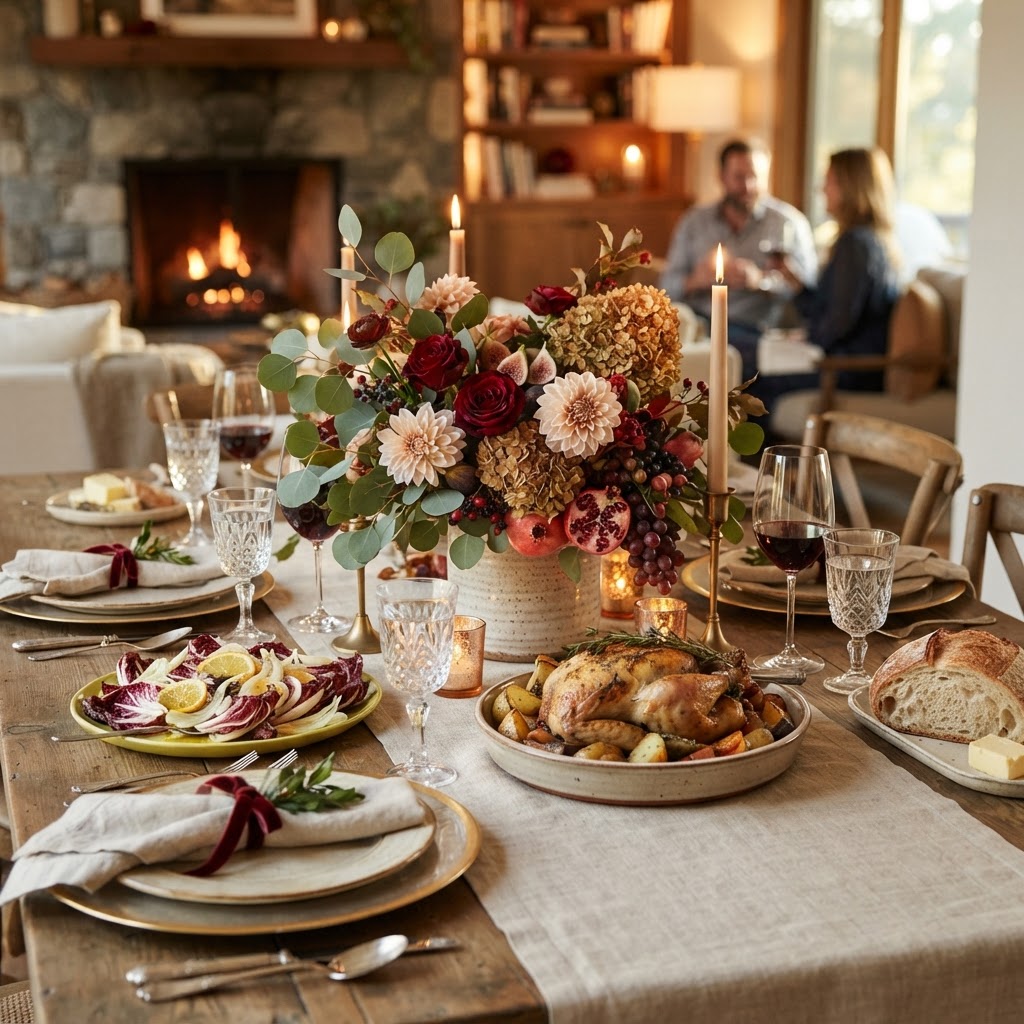
The Art of the Tablescape: How to Design Functional and Elegant Centerpieces for Every Hosting Occasion
There is an undeniable magic that happens when a meal moves from the stovetop to the dining room. As a chef, I spend most of my day tethered to the stainless-steel madness of a professional kitchen, where efficiency is the only religion and aesthetics are often relegated to the plate itself. However, when the apron comes off and the guests arrive, I find that the true soul of hospitality resides in the tablescape. A well-curated table is not merely a collection of plates and linens; it is a silent invitation to linger, a visual language that communicates the level of care and intention you have poured into the evening. It transforms a standard dinner into an immersive sensory experience, setting the stage long before the first cork is popped or the first course is served.
Designing a beautiful table often feels intimidating to the home cook because we are conditioned to believe that elegance requires an army of staff or a cavernous budget. In reality, the most memorable tablescapes are built on a foundation of functional design and personal narrative. You do not need crystal stems or heirloom china to make a statement; you need a keen eye for balance, a thoughtful approach to color palettes, and the bravery to experiment with texture. My goal in this guide is to demystify the art of the centerpiece, providing you with the structural knowledge to create arrangements that are as practical for dining as they are stunning to look at. We are moving beyond simple floral bouquets and into the realm of intentional design.
The secret to a successful host’s repertoire is understanding that the table serves two masters: the aesthetic and the functional. If your centerpiece is too tall, guests must crane their necks to make eye contact; if it is too wide, there is no room for the service platters or the wine carafe. We will explore how to marry these two concepts, ensuring your table remains a space of fluid communication and easy interaction. Whether you are hosting a rustic backyard brunch, a sleek cocktail party, or an intimate formal dinner, the principles of layering, height variation, and seasonal curation will become your most reliable tools. Let’s prepare to transform your dining room into a professional-grade space where the atmosphere is just as delicious as the menu.
The Architecture of the Centerpiece
Every great centerpiece starts with a strong foundation, much like a well-balanced sauce starts with a proper mirepoix. Before you place a single candle or flower, you must consider the footprint of your table. The most important rule in professional entertaining is the line of sight rule: any centerpiece meant to sit on a dining table should either be low enough to see over (under 12 inches) or high enough to see under (above 20 inches). Anything in that middle "dead zone" obstructs vision and creates a barrier to conversation, which is the antithesis of good hosting.
Establishing the Base
Start by choosing a table runner or a base cloth that complements your dinnerware rather than competing with it. For formal settings, a crisp white linen serves as a blank canvas that allows your centerpiece to pop. If you are going for a more casual, rustic aesthetic, consider using a burlap runner or a reclaimed wood plank. The base provides the visual anchor for the table and helps define the boundaries of your centerpiece area. By keeping your focal points centered, you create a sense of order that makes the entire room feel more cohesive and intentional.
Layering for Depth
Once your base is set, it is time to layer. Think of this like building a flavor profile: you need base notes, mid-tones, and high-frequency highlights. I often use a mix of textures—perhaps a matte ceramic vase paired with polished brass candlesticks or raw linen napkins. The visual weight of your objects should be distributed evenly across the center of the table so that no side of the table feels "heavier" than the other. If you have a long rectangular table, consider placing three smaller arrangements at intervals rather than one singular, massive piece, which can often feel overwhelming.
The table is a stage, and the centerpiece is the lead actor; it should command attention without stealing the spotlight from the meal itself.
Balancing Form and Function
The true test of a tablescape is how it functions when the food actually arrives. I have seen countless beautiful tables ruined because there was no room for the family-style serving platters or the salt and pepper cellars. As a chef, I always design my tables with the menu in mind. If you are serving a large roast chicken or a whole roasted fish as the centerpiece of the meal, your decor must take a back seat. You should always measure your serving vessels before finalizing your centerpiece layout to ensure you aren't scrambling to move decorative items when you bring the hot food out of the oven.
The Flow of Service
Consider the "flow" of your table. If guests are serving themselves, leave enough room for guests to navigate their plates around your decor. I recommend a modular approach: use smaller, movable components like votive candles or small bud vases that can be shifted easily as the meal progresses. This prevents the "cluttered" look that often happens when guests start adding bread baskets and wine bottles to the table. Remember, professional catering is all about the seamless transition between service and conversation.
Temperature and Safety
When using candles or open flames, always prioritize safety. I use unscented beeswax candles, as high-fragrance candles can interfere with the aroma of the food, which is the primary driver of appetite. Keep candles away from low-hanging foliage or paper accents. If you are serving a hot soup or a sizzling cast-iron dish, make sure your table runner or tablecloth is heat-resistant or utilize decorative trivets. These small, practical choices demonstrate a level of professionalism that your guests will subconsciously appreciate.
Seasonal Curation and Botanical Elements
Nature is the ultimate decorator, and incorporating seasonal elements is the easiest way to make your table feel current. In the spring, I lean toward light, airy foliage like eucalyptus or flowering branches. In the autumn, I look toward earthy tones, dried wheat, and even small decorative gourds. The key to professional-looking florals is the imperfect arrangement. Do not aim for a perfectly symmetrical bouquet; instead, follow the natural line of the stems. If a branch wants to arch, let it arch. This creates a sense of movement and vitality on the table.
Professional Flower Tips
For professional longevity, always trim your stems at a 45-degree angle under running water. This increases the surface area for water absorption. If you are using wooden vessels, line them with a glass or plastic insert to prevent rot and leakage. When choosing flowers, consider the pollen factor—I avoid heavily scented lilies or flowers with excessive pollen on a dining table, as it can be off-putting to guests with allergies or sensitivities.
Incorporating Edibles
One of my favorite chef’s tricks is to use edible elements in the centerpiece. A bowl of perfectly ripe pomegranates, a basket of artisanal bread, or even fresh herbs like rosemary and sage placed in small water glasses can act as both decor and a sensory prelude to the meal. These items feel lush and abundant, signaling to the guests that the kitchen is well-stocked and the meal will be fresh.
* Use fresh herbs as a "bed" for your votive candles.
* Incorporate seasonal fruits (figs, pears, citrus) into your floral arrangements.
* Use edible flowers like nasturtiums or pansies to garnish plates, keeping the table theme consistent.
The Geometry of Lighting
Lighting is the "seasoning" of your room. You can have the most expensive china in the world, but if the lighting is harsh or cold, the atmosphere will fall flat. The goal is to create a warm, inviting glow that flatters both the food and the guests. I always aim for a multi-layered lighting strategy. This involves overhead dimmers, ambient wall light, and, most importantly, low-level candlelight at the table. When the sun goes down, the candles should provide the primary light source for the center of the table.
Candle Heights and Ratios
Use a ratio of heights to create interest. I prefer mixing taper candles with shorter, wider pillar candles. The tall tapers bring the eye upward, while the pillar candles add volume to the base. As a rule of thumb, ensure your candles are placed in stable, non-tip holders. If you are using tapered candles, they should be at least 15 inches tall to rise above the eye level of seated guests, ensuring they don't block the conversation across the table.
Reflections and Surfaces
If you are using a glass or mirrored table, be mindful of how it reflects your lighting. You want to avoid glare. On darker, wood surfaces, light tends to absorb, so you may need more candles to create the same level of brightness. Reflective surfaces like silver, brass, or crystal can act as miniature reflectors, bouncing the candle flame around the table and creating a sophisticated, sparkling effect.
Lighting is the invisible ingredient that defines the mood of an evening; keep it warm, keep it low, and let the table glow.
The Art of the Table Setting
The actual setting of the table—the placement of the flatware, glassware, and napery—is the final piece of the puzzle. It serves as the "frame" for your centerpiece. Even a simple lunch can feel like a gala if the flatware is perfectly aligned and the napkins are crisp. The key here is precision. Use a ruler if you must, but ensure that every fork is exactly one inch from the edge of the table and that every glass is placed consistently.
Napkin Presentation
The napkin is a great way to add texture. I prefer a soft, tumbled linen that has been ironed but retains a slight organic drape. You can fold them into a simple rectangle to lay atop the plate or use a decorative napkin ring for a more formal look. Avoid overly complex origami folds; they feel dated and formal in a way that often makes guests feel hesitant to unfold them. A simple, elegant fold is always more sophisticated.
Glassware Placement
When placing glassware, work from the outside in based on the beverage service. A water glass should be placed above the main dinner knife, with wine glasses to the right. If you are serving multiple wines, maintain a consistent diagonal alignment. This creates a clean, architectural line that makes the table look professionally set. If your table is small, do not crowd it with too many glasses; bring out the appropriate glass only when the bottle is opened.
Incorporating Personal Narratives
While professional techniques are essential, the most compelling tablescapes tell a story. Do not be afraid to incorporate pieces that have meaning. A set of vintage dessert plates inherited from a grandmother, a vase picked up at a market in a foreign city, or seasonal greens gathered from your own backyard—these are the elements that transform a generic table into a personal sanctuary.
Mixing Old and New
I love the tension between modern and antique. Pairing a sleek, minimalist water glass with a rustic, hand-thrown clay bowl creates an interesting visual dialogue. This eclectic approach keeps the table from feeling like a showroom catalog. It shows that the host is thoughtful and curated. If you are nervous about mixing styles, keep the color palette consistent. By sticking to a limited range of tones—perhaps creams, golds, and deep greens—you can mix styles freely without the table appearing chaotic.
The "Welcome" Element
Every table should have a small, welcoming detail that acknowledges the guest. This could be a hand-written place card, a small sprig of fresh lavender tied to the napkin, or even a small, personalized appetizer waiting at the seat. This practice creates an immediate sense of belonging. When a guest sits down and sees that you have specifically accounted for their arrival, the entire tone of the evening is set to one of warmth and appreciation.
Final Thoughts
The art of the tablescape is not about perfection or competing with the latest trends on social media; it is about the intentional creation of a space where people can disconnect from the outside world and reconnect with each other. By mastering the fundamentals of height, balance, and lighting, you provide the structure that allows your guests to relax. When the table is set with care, the food simply tastes better, the conversation flows more freely, and the host is able to enjoy the evening alongside their guests.
Remember, as a chef, my favorite part of the night is not the preparation; it is the moment I walk into the dining room, see the candles flickering against the plates, and realize that everything is in its right place. It is a moment of pure culinary peace. Whether you are hosting an elaborate feast for ten or a cozy dinner for two, take the time to set a table that reflects your personality and your love for the craft of hosting. Treat the table as you treat your ingredients—with respect, with creativity, and with the understanding that the most important element of any meal is the hospitality behind it.
Start small if you need to. Invest in a few high-quality linens, find a set of candle holders that speak to you, and don't be afraid to pull some foliage from the garden to serve as your centerpiece. As you gain confidence, you will find that your tablescapes become an extension of your own culinary voice. Keep your standards high, keep your candles trimmed, and most importantly, keep the door open and the table set. Happy hosting, and may every dinner you serve become a cherished memory for everyone who shares the meal with you. There is no greater joy in the culinary arts than the simple, profound act of gathering around a table, sharing a story, and enjoying the fruits of your labor in a space that feels like home.


Get the Next Recipe
Weekly recipes, techniques, and gear picks — straight to your inbox.
