The Art of Wok Hei: Understanding High-Heat Stir-Frying and the Breath of the Wok in Cantonese Cooking
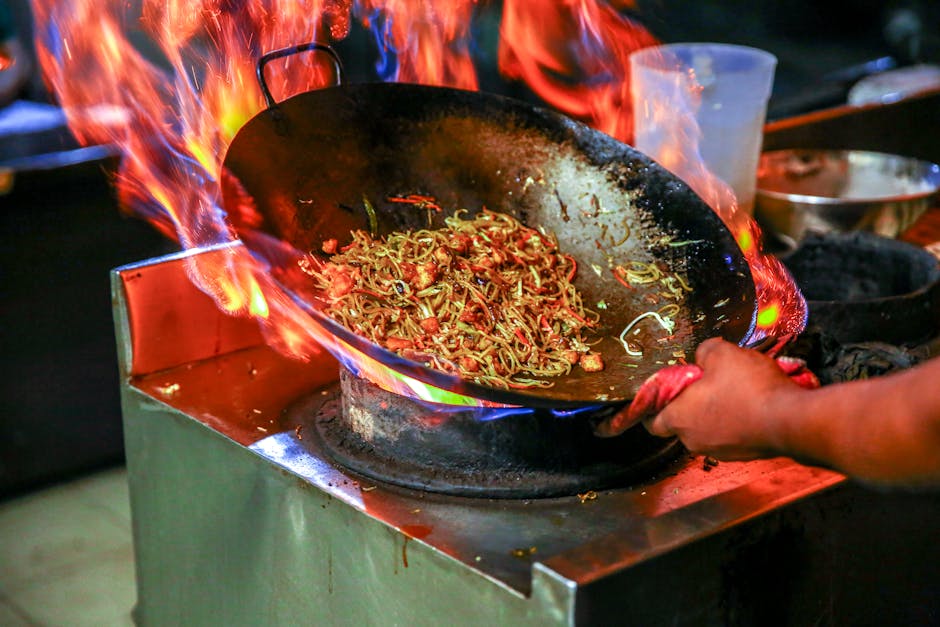
The journey into the heart of Cantonese cuisine is a pursuit of a singular, elusive phenomenon: Wok Hei. Often translated as the "breath of the wok," this term describes the smoky, complex char that transforms simple stir-fried ingredients into a masterclass of flavor. Many home cooks approach their woks with trepidation, fearing the smoke and the high flames that seem reserved for professional line cooks in bustling Hong Kong kitchens. However, mastering this technique is less about equipment and more about understanding the alchemy of heat, timing, and moisture control. When you finally achieve that distinct, almost ethereal depth of flavor, you will understand why Cantonese chefs treat the wok with such reverence.
Achieving Wok Hei requires a fundamental shift in how we perceive the stir-fry process. It is not merely cooking food over high heat; it is a synchronized dance of ingredients where every second counts. The surface of the wok must reach temperatures high enough to induce the Maillard reaction and the subtle pyrolysis of vegetable sugars and oils, creating a layer of flavor that cannot be replicated by low-heat simmering. This is the hallmark of the professional kitchen, where speed is the primary ingredient. As we explore the science and technique behind this, keep in mind that practice is the only way to bridge the gap between amateur attempts and restaurant-quality results.
In this guide, we will break down the essential components of high-heat stir-frying, from the preparation of your station to the precise handling of ingredients. We will navigate the complexities of seasoning your equipment, selecting the right burners, and maintaining the delicate balance of texture and aroma. Whether you are working with a carbon steel wok on a home stove or have access to a high-output burner, the principles remain the same. Prepare to challenge your comfort zone, master the fire, and unlock the secret that defines the very soul of Cantonese cooking.
The Science of the Wok: Heat and Chemistry
The primary objective of stir-frying is to cook ingredients in a way that preserves their structural integrity while infusing them with the complex flavors of caramelized fats and vaporized oils. When a wok is properly heated, the metal acts as a heat reservoir, transferring energy rapidly into the food. This intense heat causes the natural sugars in your proteins and vegetables to undergo the Maillard reaction, creating hundreds of different flavor compounds in a matter of seconds. It is this rapid reaction that gives the food that signature "breath," an aroma that is impossible to achieve in a pan that hasn't been properly pre-heated.
Understanding Surface Temperature
For true Wok Hei, the surface temperature of your steel or iron wok should ideally hover between 450°F and 500°F before the first ingredient hits the surface. At these temperatures, the oil begins to smoke slightly, indicating that the seasoning of the pan is participating in the flavor profile. If your pan is too cold, the ingredients will release their juices, effectively steaming rather than searing. This creates a soggy mess, which is the antithesis of the Cantonese ideal. Professional chefs utilize powerful blowtorch-like burners to ensure this heat is constant, but home cooks can mimic this by cooking in smaller batches to avoid overloading the pan and plummeting the temperature.
The Role of Pyrolysis
Beyond the Maillard reaction, we are looking for a touch of pyrolysis—the chemical decomposition of organic matter brought about by heat. In a wok, this occurs when fine particles of oil and seasoning vaporize against the scorching walls of the pan and settle back onto the food. This imparts that unique, charred, smoky aroma that defines Cantonese stir-fries. It is a razor-thin line between "charred" and "burnt," and staying on the right side of that line requires constant motion and focus.
"Wok Hei is not an ingredient you add to the pan; it is the culmination of heat, speed, and the chef's intuition working in perfect harmony."
Essential Equipment: Choosing and Maintaining Your Wok
Not all woks are created equal. The choice of material and shape dictates how you manage heat and how effectively you can perform the tossing motion. While non-stick woks are ubiquitous in residential kitchens, they are fundamentally ill-suited for the technique we are discussing. To achieve the high temperatures required for Wok Hei, you need a material that can withstand extreme heat and develop a patina over time. Carbon steel is the gold standard for home cooks because it is lightweight, responsive to temperature changes, and exceptionally durable once properly seasoned.
The Anatomy of the Perfect Wok
A traditional round-bottomed wok is preferred for those with gas burners, as it allows for better heat circulation and easier tossing. If you are using an electric or induction stovetop, a flat-bottomed version is necessary for stability. Regardless of shape, the gauge of the steel is vital; you want a wok that is thick enough to hold heat but thin enough to react immediately when you adjust the flame. Never use a wok that is too large for your burner, as the edges will remain cold, resulting in uneven cooking and a lack of the "breath" you are striving to capture.
Seasoning and Maintenance
A well-seasoned wok is essentially a non-stick surface created by polymerized oil. To season your new carbon steel wok, scrub off the factory oil, heat the metal until it turns a deep blue or gray, and then wipe a thin layer of high-smoke-point oil (like grapeseed or vegetable oil) over the entire surface. Repeat this process multiple times until the wok turns a dark, glossy brown. With use, this layer will deepen. Never use heavy soaps to clean it; a simple bamboo brush and hot water will suffice, followed by a quick wipe with oil to prevent rust.
The Mise en Place: Preparation is Everything
In the world of high-heat stir-frying, there is no time to chop a vegetable or hunt for a sauce bottle while the heat is on. Everything must be prepared, portioned, and organized within arm’s reach before the stove is even turned on. This is the essence of mise en place. If you have to walk away from your wok for even ten seconds to find your soy sauce, your dish will likely overcook or the aromatics will scorch. The prep bowl method is the most effective way to organize; keep your proteins in one bowl, your aromatics in another, and your sauce mixture in a small jar or ramekin.
The Art of the Cut
The size and uniformity of your ingredients are critical to the success of your stir-fry. Because you are cooking for seconds, not minutes, your ingredients must be cut into uniform shapes to ensure they all reach the perfect level of doneness simultaneously. For example, if you are stir-frying beef with broccoli, the beef should be thinly sliced against the grain and the broccoli should be cut into bite-sized florets of consistent size. This uniformity allows for high-speed cooking without the need to manage different cook times for different components.
Mastering the Sauce Ratio
The sauce should be pre-mixed to ensure that you can dump it into the wok at the final moment and let it glaze the ingredients instantly. A standard Cantonese stir-fry sauce often includes:
The Technique: Tossing, Timing, and the Flame
Once your wok is screaming hot, the cooking process begins. The sequence is standard: aromatics first (ginger, garlic, scallions), followed by the protein, and finally the vegetables. If you are cooking a large amount of food, do it in multiple batches. The most common mistake home cooks make is overcrowding the pan. When you put too much cold, raw food into a hot wok at once, the temperature crashes, the moisture releases, and the food starts to boil in its own juices. To maintain the Wok Hei, the ingredients should always have room to be tossed and scorched by the surface of the metal.
The Tossing Motion
The "wok toss" is not just for show. By flicking the wrist and using the curved sides of the wok, you are launching the food into the air and bringing it back down onto the hottest surface of the pan. This motion serves two purposes: it ensures even heat distribution and it keeps the food moving so that no one side spends too much time on the metal, preventing burning. Practicing this motion with dried beans or rice is a great way to build muscle memory before you attempt it with hot oil and sauces.
Controlling the Moisture
Moisture is the enemy of the stir-fry. If your vegetables are wet after washing, they will not sear; they will steam. Always dry your vegetables thoroughly with a towel or a salad spinner before they hit the wok. Additionally, if your protein is marinated in a liquid, pat it dry or drain it thoroughly before tossing it in. The goal is to introduce the ingredients to the hot oil so that they sizzle instantly. If there is no audible sizzle, the heat is too low and the Wok Hei will be absent.
"The sound of the sizzle is your primary indicator. If the wok sounds like it is boiling, you are losing the battle; if it roars, you are on the path to mastery."
Troubleshooting the Home Kitchen Struggle
Many home cooks feel defeated because their stove burners simply do not provide the sheer BTu output of a commercial Cantonese kitchen. While it is true that you cannot perfectly replicate the results of a 100,000 BTU jet burner, you can achieve remarkable results with smart adjustments. The most effective way to compensate for lower heat is to reduce the volume of food in the pan. If you are feeding a family of four, cook in two separate batches rather than one massive stir-fry. This allows your wok to retain its heat and prevents the "boiling" effect.
Addressing the Heat Deficit
If you have an electric coil or induction stove, consider using a high-quality, heavy-duty carbon steel wok that can better retain heat than a thin aluminum pan. Alternatively, you can pre-heat your wok in the oven or use a dedicated outdoor burner if you have the space. Another trick is to sear your protein separately and set it aside, stir-fry the vegetables, and then recombine everything at the very end. This ensures that the protein isn't overcooked while the vegetables are trying to reach the proper level of char.
The Oil Selection
The choice of oil is paramount in high-heat cooking. You must avoid oils with low smoke points, such as extra virgin olive oil or butter, as they will burn, smoke excessively, and impart a bitter, acrid flavor to your dish. Instead, opt for refined oils with high smoke points like grapeseed oil, avocado oil, or refined peanut oil. These fats can handle the 450°F+ environment without breaking down, allowing the flavor of the ingredients to remain clean and vibrant.
Advanced Flavor Profiles and Seasoning
Once the technique is mastered, the real fun begins with layering flavors. Cantonese cuisine is known for its balance, and stir-fry is no exception. Beyond the base aromatics of ginger, garlic, and scallions, you can introduce complex pastes like XO sauce, fermented black beans, or chili bean paste (doubanjiang) to deepen the flavor. The secret is to add these intense aromatics into the oil for just 10-15 seconds before the primary ingredients. This process, known as "blooming," releases the essential oils within the spices and infuses the fat with their essence.
Balancing the Palate
A great stir-fry should feature a balance of salty, sweet, sour, and umami. If a dish feels one-dimensional, consider a tiny splash of Chinkiang black vinegar at the very end. The acidity helps to cut through the richness of the oil and heightens the perception of the other flavors. Always taste as you go, but remember that because the food is hot, your palate will be slightly dulled. Aim for a slightly stronger flavor intensity than you think you need, as the residual heat will carry the flavors throughout the dish once it hits the plate.
The Finishing Touches
The finish is just as important as the start. A garnish of fresh scallion greens, a sprinkle of toasted sesame seeds, or a drizzle of high-quality sesame oil added off the heat can transform a dish from good to restaurant-quality. These final additions are not just decorative; they provide a fresh, aromatic counterpoint to the charred, savory depth created by the Wok Hei. Never add toasted sesame oil to the wok while the fire is on; its delicate aroma will be destroyed by the extreme heat. Add it at the final second, right before you plate the food.
Prep:* All ingredients chopped, measured, and bowl-ready.
Heat:* Wok pre-heated until wisps of smoke appear.
Aromatics:* Bloom ginger and garlic in high-smoke-point oil.
Protein:* Sear in small batches, do not crowd the pan.
Vegetables:* Add quickly, toss vigorously, and sear for texture.
Sauce:* Pour around the sides of the wok, not directly on the food.
Finish:* Serve immediately while the "breath" is at its peak.
Final Thoughts
Mastering Wok Hei is a rite of passage for any cook who wishes to capture the true essence of Cantonese home cooking. It is a technique that demands your full attention, a bit of bravery in the face of fire, and an appreciation for the subtle chemical reactions that occur when steel meets high heat. Do not be discouraged by your first, second, or even tenth attempt. The goal is not perfection, but progress. Each stir-fry you prepare will teach you something new about how your stove behaves, how your ingredients respond to heat, and how to better manage the timing of your preparations.
As you gain confidence, you will find that the wok becomes an extension of your culinary reach. You will stop measuring every gram and start relying on the sound of the sizzle and the scent of the char. That is when you know you have truly embraced the art of the stir-fry. Remember, the best chefs are the ones who aren't afraid to make a mess or endure a little smoke in the name of a better meal. Whether you are cooking a quick weeknight dinner or preparing a feast for friends, approach your wok with respect, keep the heat high, and never stop chasing the breath of the wok. Your kitchen is now a space for professional-grade innovation, and with these techniques in your repertoire, you are well on your way to mastery.


Get the Next Recipe
Weekly recipes, techniques, and gear picks — straight to your inbox.
