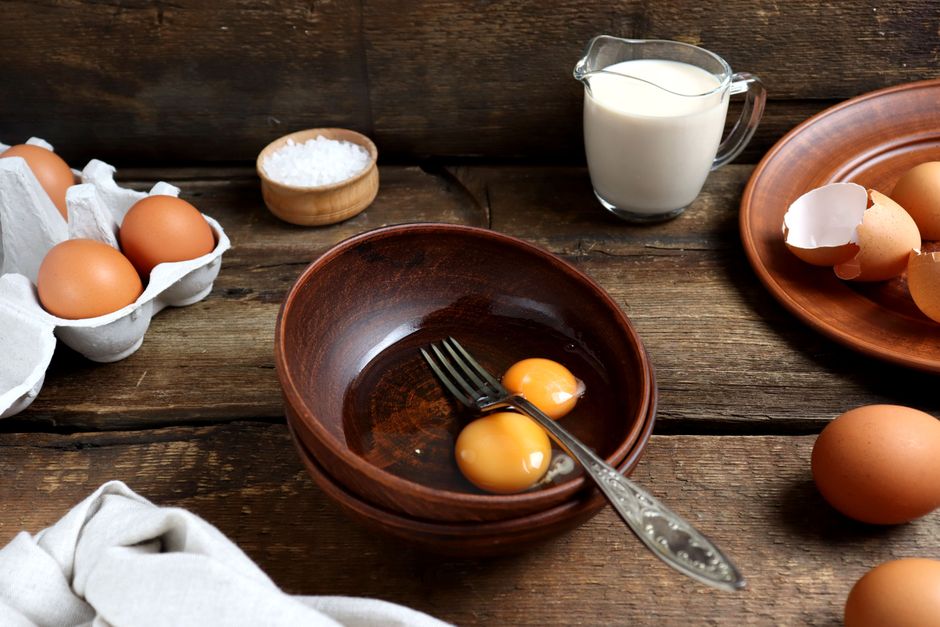
The Baker's Guide to Emulsification: Mastering Egg Yolk and Oil Ratios for Silky Custards, Mousses, and Mayonnaise
There is a singular, transformative moment in the life of every home cook when they stop following recipes like rigid mandates and start understanding the scientific dance occurring within their mixing bowls. Emulsification is that pivotal crossroads, the invisible bridge between a broken, oily mess and a glossy, luxurious masterpiece. Whether you are whipping up a classic French mayonnaise, tempering a delicate crème anglaise, or constructing a stable chocolate mousse, the principles of fat meeting liquid remain constant. When you respect the physics behind these ingredients, you gain the freedom to manipulate textures, adjust richness, and salvage even the most stubborn kitchen disasters.
In this deep dive, we are stripping away the intimidation factor often associated with high-stakes pastry work. Emulsification is less about magical talent and more about the deliberate control of surface tension and molecular suspension. You will learn how the lecithin in an egg yolk acts as the ultimate mediator, holding water-based liquids and fats in a permanent, creamy embrace. It is a lesson in patience, temperature management, and the slow, rhythmic addition of components that separates a novice from an accomplished artisan. Prepare to look at your pantry staples with a new sense of potential, as we break down the chemistry of the perfect emulsion.
By the time you finish this guide, the fear of "breaking" a sauce or a ganache will vanish, replaced by a toolkit of professional troubleshooting techniques. We will navigate the specific ratios that dictate stability, the temperatures that ensure silky results, and the mechanical energy required to force these disparate elements into a unified structure. From the velvet finish of a Hollandaise to the airy clouds of a citrus mousse, the secrets of the professional kitchen are waiting for you to master them. Let us refine your technique and elevate your dessert repertoire to a professional standard, one drop of oil at a time.
The Chemistry of the Emulsion: Why Fat and Water Hate Each Other
At its core, emulsification is the art of forcing two immiscible liquids—fat and water—into a stable partnership. Left to their own devices, these two will always choose to separate, with the lighter fat floating atop the denser water phase. To create a stable emulsion, we rely on an emulsifier, a unique molecule that possesses a hydrophilic (water-loving) head and a hydrophobic (fat-loving) tail. In the world of baking and pastry, the primary hero is the lecithin found abundantly in egg yolks.
When you begin whisking, you are essentially breaking the oil or melted fat into microscopic droplets. If you do not have an emulsifier present, these droplets will quickly collide and coalesce, returning to their separated state—what we call a "broken" emulsion. The lecithin molecules wedge themselves at the interface of these droplets, with their tails buried in the oil and their heads reaching out into the water. This creates a barrier that prevents the droplets from merging, resulting in a smooth, opaque, and stable mixture.
Understanding the Role of Lecithin
Lecithin is essentially the glue of the kitchen. Without it, your emulsions would require constant mechanical agitation just to stay combined for a few seconds. In professional kitchens, we understand that an egg yolk is not just a source of flavor and richness; it is a structural component. The concentration of lecithin in a single large egg yolk is enough to stabilize a significant volume of fat, provided you follow the proper mechanical steps.
The secret to a perfect emulsion isn't found in the speed of your whisking, but in the patience of your incorporation. Emulsification is a slow, steady climb, not a race to the finish line.
Mastering the Ratio: The Foundation of Mayonnaise and Beyond
The ratio of fat to egg yolk is the most critical factor in determining the final body of your mixture. For a standard mayonnaise or a rich hollandaise, a single large egg yolk can comfortably emulsify between 150ml and 200ml of oil or melted butter. If you push beyond this ratio without adding additional water or decreasing the fat, the emulsion becomes overly stressed and vulnerable to breaking. Conversely, if your ratio is too low in fat, the mixture will lack the desired body and mouthfeel, appearing thin or runny.
To achieve a silky custard or mayonnaise, start with your base—the egg yolk, a splash of acidic liquid like lemon juice or vinegar, and a pinch of salt—at room temperature. The acidity is not just for flavor; it helps to denature the proteins slightly, which assists in the emulsification process. Begin adding your fat drop by drop. This "incubation phase" is where most home cooks fail. If you pour too quickly, you overwhelm the lecithin before it has a chance to coat the oil droplets.
Troubleshooting Your Ratios
If you find your mixture is too thick, do not reach for more fat. Instead, whisk in a teaspoon of warm water or lemon juice. This thins the continuous phase and creates more space for the droplets to move, often rescuing a mixture that looks on the verge of breaking. Always aim for a viscosity that mimics heavy cream before you start accelerating your pouring speed. If you are aiming for a thicker, more stable product, ensure your ingredients remain at a steady, moderate temperature, ideally between 65°F and 70°F.
Temperature Control: The Invisible Variable in Stable Emulsions
Temperature is the silent architect of your emulsion’s texture. If your butter is too hot, it will cook the egg yolks before they can emulsify, leading to scrambled eggs rather than a smooth sauce. If your fats are too cold, they will not disperse properly, causing the mixture to clump. For Hollandaise or Béarnaise, the butter should be clarified and kept at a temperature of approximately 120°F to 130°F. This allows the fat to be liquid enough to emulsify but not hot enough to denature the delicate egg proteins instantly.
For emulsions involving chocolate, such as a ganache or mousse, the temperature rule changes. Chocolate contains cocoa butter, which needs to be carefully tempered. You are aiming for a "warm" emulsion—usually between 95°F and 105°F. If the chocolate is too cold, the cocoa butter will solidify, creating a grainy, gritty texture. If it is too hot, you risk separating the cocoa solids from the cocoa butter, resulting in a pool of oil on top of your mixture.
The Importance of Ambient Temperature
Always be mindful of your room temperature. If your kitchen is extremely cold, your emulsion will seize. If it is too hot, the fat will lose its structure. In a professional setting, we often warm our mixing bowls slightly with a damp, warm towel to ensure that the bowl itself doesn't sap the heat from the emulsion. A consistent environment leads to consistent results every single time.
Techniques for Success: Hand Whisking vs. Mechanical Assistance
While the professional chef's arm is legendary for its whisking ability, we must embrace the tools that make our lives easier. For smaller batches, a balloon whisk is ideal because it incorporates more air, creating a lighter, more voluminous emulsion. However, for larger volumes—such as a gallon of mayonnaise—a high-speed immersion blender or a food processor is indispensable. The high-speed blades break oil droplets into much finer particles than humanly possible, leading to a more stable and longer-lasting product.
When using an immersion blender, the technique is slightly different from hand-whisking. Place the head of the blender at the very bottom of the jar where you have placed your yolk and liquid base. Start the motor and slowly pull the blender upward as you pour the oil in a thin, steady stream. This creates a vacuum effect that pulls the oil into the emulsion zone, ensuring that every droplet is processed effectively.
"A broken sauce is never a failure; it is simply a lesson in patience. Most emulsions can be salvaged by whisking the broken mixture into a fresh egg yolk, drop by drop."
When to Use Each Technique
Hand Whisking:* Best for Hollandaise, delicate custards, and anything requiring visual monitoring. It allows for the greatest control over texture.
Immersion Blender:* Perfect for mayonnaise and stable sauces. It is fast, efficient, and produces a highly emulsified, thick result.
Food Processor:* Ideal for heavy-duty emulsions or when incorporating solid fats that need to be broken down mechanically alongside liquids.
The Art of the Chocolate Mousse: A Case Study in Emulsion
Creating a chocolate mousse is the ultimate test of an emulsion because you are balancing cocoa butter, dairy fats, and the structural integrity of whipped egg whites or cream. The technique relies on creating a perfect ganache base. You melt the chocolate with a small portion of hot cream to create a stable, shiny emulsion. Once this base is established, you fold in the whipped dairy or eggs. If your base is broken—meaning the fat has separated from the cocoa solids—your final mousse will be grainy and flat.
The key to a smooth mousse is the temperature match. Your base should be slightly warm to the touch (around 90°F) before you incorporate your aerated component. If you add whipped cream to a hot base, it will deflate immediately. If you add it to a cold base, the chocolate will set before you have a chance to combine the ingredients, leading to lumpy, unappealing streaks.
Maintaining Stability
Once you have achieved a stable emulsion, you must be gentle. The air bubbles you have painstakingly whipped into your cream or whites are fragile. Use a large rubber spatula and a folding motion rather than stirring. This preserves the structure while ensuring the emulsion remains homogeneous. If you find your mousse is not setting, it is usually because the ratio of fat to stabilizer was off, or you have incorporated too much air, weakening the overall structure.
Troubleshooting: Rescuing a Broken Emulsion
Every chef, regardless of experience, will eventually face a broken emulsion. Whether it is a curdled hollandaise or a split mayonnaise, the solution is always the same: re-emulsification. Never throw away a broken sauce. You have all the right ingredients present; they just aren't talking to each other correctly. To fix it, start with a fresh egg yolk or a teaspoon of water in a clean bowl.
Whisk the base until it is slightly bubbly, then begin adding your broken mixture to it, one drop at a time, exactly as if you were starting from scratch with plain oil. The fresh egg yolk provides the new lecithin needed to act as a bridge for the rest of the mixture. Because you are adding an already emulsified (albeit broken) base, you can usually increase your pouring speed once the emulsion begins to re-establish itself.
Preventing Future Breaks
Prevention is always superior to recovery. The most common cause of breaking is impatience. If you find yourself in a rush, you will inevitably break your emulsion. Ensure your environment is controlled, your ingredients are at the proper temperature, and your pour is consistent. Another common mistake is using an oil that is too cold; if you are making mayonnaise with olive oil kept in the fridge, it will struggle to emulsify. Always bring your ingredients to room temperature before you start.
Beyond the Basics: Pushing the Boundaries of Emulsion
Once you have mastered the basics of eggs and oil, you can begin to explore more advanced emulsifiers. Many professional pastry chefs use lecithin powder (derived from soy or sunflower) to create foams and airs that are incredibly light and stable. These ingredients allow you to manipulate fats that aren't naturally stable, creating textures that feel like velvet on the tongue. You can also experiment with xanthan gum, which provides a different kind of stability, creating a "shearing" property that allows sauces to coat the back of a spoon perfectly.
In the world of vegan baking, we often turn to aquafaba—the liquid from a can of chickpeas. It contains proteins and starches that mimic the emulsification properties of eggs surprisingly well. Understanding how to use these alternatives expands your repertoire significantly, allowing you to cater to different dietary needs without sacrificing the luxury and mouthfeel of a traditional emulsion. The chemistry remains the same; only the source of the emulsifier changes.
Experimenting with Flavors
Emulsions are the perfect vehicle for infusion. Because fat carries flavor so effectively, you can infuse your oil with herbs, citrus zest, or even spices before emulsifying it with the egg yolk. This creates a multilayered flavor profile that is far superior to simply stirring herbs into a finished sauce. When you emulsify the infused oil, the flavor is evenly distributed throughout the entire structure, resulting in a clean, professional finish.
"A culinary emulsion is not just a mixture; it is a testament to the balance between strength and fragility. Treat your ingredients with respect, and they will return the favor in the form of a perfect, glossy, and stable emulsion."
The Final Step: Presentation and Storage
An emulsion is a living, breathing component of a dish. Once created, it should be treated with care. For most egg-based emulsions like mayonnaise, the best storage is an airtight container in the refrigerator for up to 24 hours. Because you are using raw or lightly cooked eggs, hygiene is paramount. Use the freshest eggs you can source, and always ensure your equipment is sanitized.
When serving a custard or a mousse, the temperature is the final stage of the experience. A mousse should be chilled but not ice-cold, as this mutes the complex chocolate notes. A hollandaise should be served warm, kept in a thermos or a warm bain-marie to prevent the fat from congealing. Presentation is about managing these temperatures so that when the dish hits the plate, it remains in its state of peak perfection.
Final Thoughts on Culinary Mastery
Becoming a master of emulsification requires more than just following a set of rules; it requires developing an intuition for your ingredients. It requires the courage to pause when things go wrong and the patience to start over when necessary. The "Blame The Chef" approach is to take ownership of these moments. When you understand the science of why things work—and why they fail—you are no longer a servant to your recipes. You are the architect of your own culinary world, capable of building textures that delight the senses and structures that hold up under the scrutiny of any critic.
The journey to perfection is paved with a thousand small, careful pours. Every time you whisk an egg yolk and oil into a glowing, thick, and stable emulsion, you are participating in a tradition that spans centuries of French culinary history. Embrace the chemistry, respect the temperatures, and most importantly, enjoy the process of turning simple, individual ingredients into a unified, magnificent whole. Your kitchen is now a laboratory, and your emulsions are the evidence of your evolving skill. Keep practicing, keep tasting, and above all, keep creating.
Conclusion
Mastering the ratio of egg yolks to oil is the fundamental milestone for any aspiring baker or pastry chef. As we have explored, this is a delicate balance of physics and chemistry that relies on the emulsifying power of lecithin and the precise control of temperature. Whether you are whipping up a simple batch of mayonnaise, creating a decadent chocolate mousse, or perfecting the classic Hollandaise for a Sunday brunch, the techniques remain consistent. Always remember to incorporate your fat slowly, keep your temperatures consistent, and do not panic if you see a bit of separation.
By moving from rigid recipe following to a deep understanding of emulsification, you gain the confidence to innovate in your own kitchen. You can adjust the viscosity of your sauces, the stability of your mousses, and the intensity of your flavors. The journey toward becoming a truly accomplished cook is a marathon, not a sprint, and every successful emulsion is a victory to be celebrated. Continue to hone your whisking technique, experiment with different fats and infusions, and continue to approach your baking with a scientific, inquisitive mind. Your confidence in the kitchen will grow with every passing batch, and soon, these complex-sounding techniques will become second nature to you. Happy baking, and may your emulsions always be smooth, stable, and remarkably delicious.
Get the Next Recipe
Weekly recipes, techniques, and gear picks — straight to your inbox.