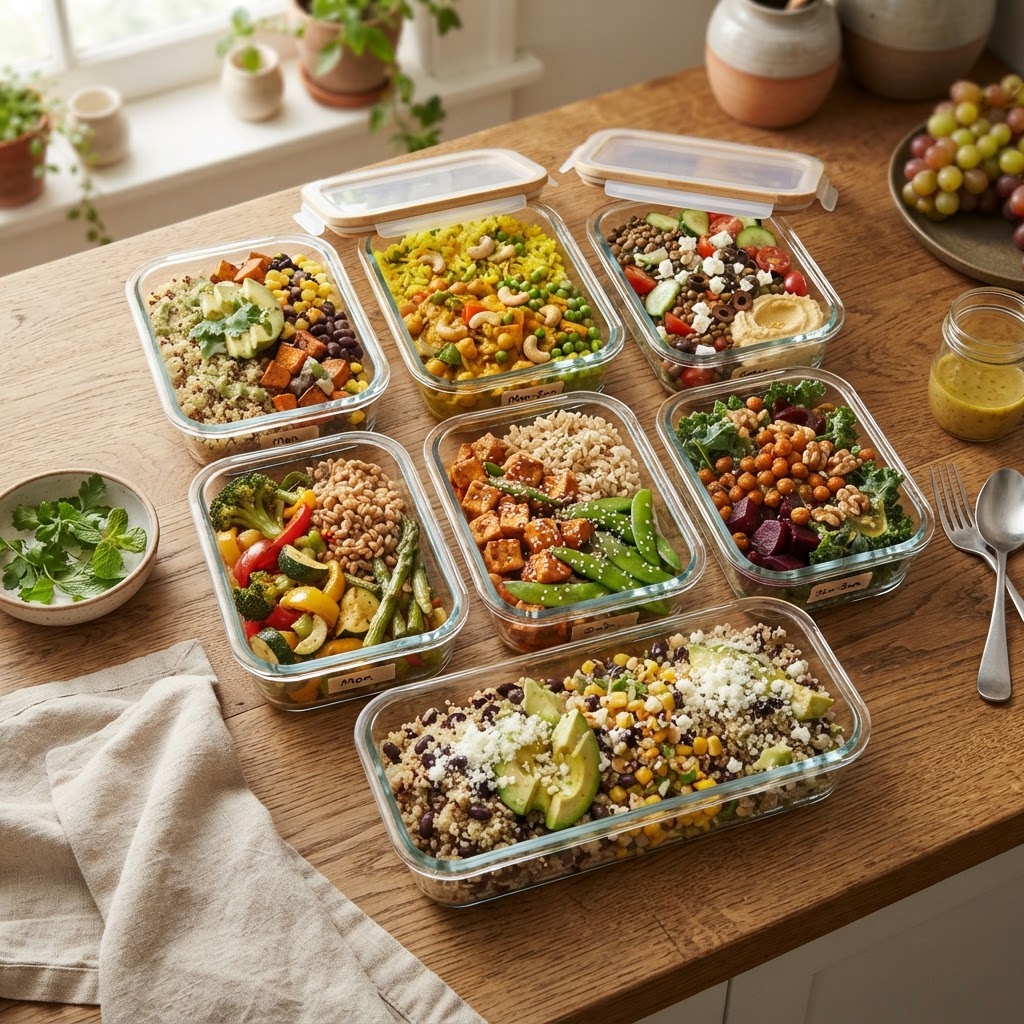
The Busy Cook’s Guide to Batch-Prep: 7 Nutritious Veggie-Based Lunches for the Week Ahead
We have all been there: it is high noon on a Tuesday, your stomach is rumbling, and you are staring blankly into the refrigerator, contemplating if a handful of crackers and a questionable piece of cheddar constitutes a balanced meal. The transition from the frantic energy of a morning workflow to the necessity of lunch often leaves home cooks feeling defeated, leading to the dreaded takeout trap that drains both your wallet and your nutritional goals. As a chef, I have seen even the most ambitious home cooks crumble under the pressure of daily meal assembly, but the antidote is simpler than you might think. By reclaiming just a few hours on a Sunday, you can set the foundation for a week that is as delicious as it is stress-free, ensuring that your midday fuel is packed with the vibrant energy that only fresh, high-quality produce can provide.
The philosophy behind effective batch-prep is not about spending your entire weekend trapped in the kitchen; it is about strategic execution and culinary intelligence. When we talk about veggie-based lunches, we aren't just talking about sad salads that wilt by Wednesday; we are talking about robust grain bowls, hearty roasted medleys, and vibrant stir-fries that maintain their integrity throughout the work week. The secret lies in understanding moisture management, proper chilling techniques, and the art of the deconstructed meal. By preparing components that can be mixed and matched, you eliminate the monotony of eating the same thing every single day while keeping your prep time manageable and your kitchen efficiency at an all-time high.
In this guide, we are going to walk through seven distinct, plant-forward lunch concepts that embrace the harvest while respecting your time. We will dive into the nuances of roasting temperatures, the importance of acid-balancing in vinaigrettes, and why the order in which you layer your ingredients in a storage container is the difference between a soggy mess and a professional-grade lunch. This is not about deprivation; it is about empowerment through preparation, proving that even with a hectic schedule, you can eat like a king without needing a brigade of line cooks in your kitchen. So, sharpen your favorite chef’s knife, preheat your oven, and let’s turn that Sunday slump into a week of culinary triumph.
The Foundation of Efficient Batch-Prep
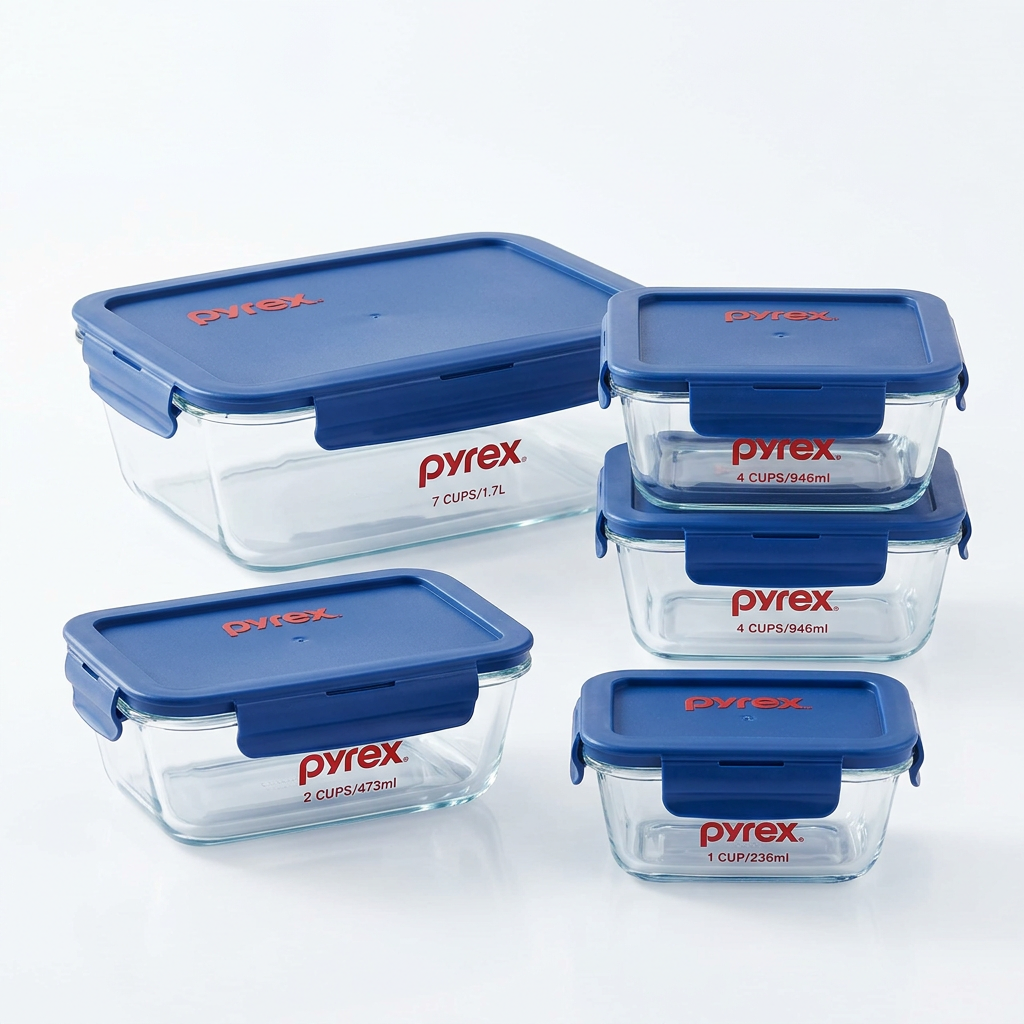
Successful batch-prep starts with a well-organized mise en place, a concept borrowed from professional kitchens that implies everything in its place before the heat is turned on. When you are focusing on veggie-centric lunches, the goal is to maximize flavor extraction through techniques like caramelization and proper seasoning. Before you even begin chopping, take a moment to clear your counters and ensure your storage containers are ready to go; using glass containers is highly recommended as they do not retain odors and allow for even heating if you choose to warm your meal.
Understanding Your Oven and Temperatures
To achieve that perfect char on your vegetables, your oven needs to be hot enough to trigger the Maillard reaction. Set your oven to 400°F (200°C) for most root vegetables and hearty cruciferous greens like broccoli or cauliflower. If you are roasting more delicate items like zucchini or bell peppers, keep the temperature around 375°F (190°C) to prevent them from drying out or burning before they are tender.
The Importance of Uniformity
Uniformity in size is the most overlooked aspect of home cooking. When chopping vegetables, try to ensure your pieces are relatively consistent in size; this guarantees that every bite cooks at the same rate, preventing the frustration of having some mushy pieces and some raw ones in the same batch. Aim for a one-inch dice for root vegetables and a medium-sized floret for cruciferous veggies.
"The difference between a mediocre meal and a memorable one is often just the precision of your knife cuts and the confidence of your seasoning."
Mastering the Hearty Grain Bowl
Grain bowls are the ultimate versatile lunch because they provide a complete nutritional profile when paired with legumes or nuts. Start by cooking a large batch of quinoa, farro, or brown rice. For a fluffier texture, always rinse your grains thoroughly under cold water to remove the natural saponins which can cause a bitter aftertaste. When the grain is cooked, toss it with a small amount of olive oil and a squeeze of fresh lemon juice while it is still warm; this allows the grain to absorb the flavor as it cools.
The Art of the Legume
Legumes like chickpeas, black beans, or lentils serve as your primary protein source in these bowls. Whether you are using canned or dried, always rinse them well. If you are roasting canned chickpeas, pat them completely dry with a paper towel first, then toss them with smoked paprika, cumin, and a touch of salt. Roast them for 20-25 minutes until they are crispy and golden; they provide a vital textural contrast to the soft grains and tender veggies.
Layering for Longevity
When packing your grain bowls, think vertically. Your dressing should always go at the very bottom, followed by the most durable ingredients like the roasted root vegetables and chickpeas. The grains should sit in the middle, and your delicate greens, like baby spinach or arugula, should be packed on the very top. This prevents the moisture from the dressing from turning your greens into a wilted disaster by the time you reach your desk.
Vibrant Roasted Veggie Medleys
Roasting is the most hands-off way to pack maximum flavor into your meal prep. By roasting a large sheet tray of seasonal vegetables, you are creating a "flavor bank" that you can pull from all week long. Focus on a mix of textures: sweet potatoes for sweetness, carrots for earthiness, and red onions for a sharp bite that mellows out during the cooking process.
Seasoning Techniques
Do not be afraid of the salt shaker, but remember that kosher salt is your best friend for its consistency and ease of distribution. Drizzle your vegetables with extra-virgin olive oil and toss them directly on the sheet pan to minimize cleanup. A pro tip is to use two sheet pans instead of crowding one; overcrowding causes the vegetables to steam rather than roast, preventing that beautiful golden-brown color we are looking for.
Fresh Herbs as a Finishing Touch
A common mistake in meal prep is overcooking herbs. Instead of adding fresh parsley, cilantro, or basil during the roasting process, add them right before serving. These herbs lose their aromatic quality when subjected to sustained heat, so keeping them fresh keeps your lunches tasting bright and vibrant even on Friday.
The Deconstructed Salad Strategy
Salads are often avoided in meal prep because of the fear of wilting, but the deconstructed salad solves this problem entirely. Instead of mixing everything together, keep your greens, your proteins, and your dressings in separate containers. This allows you to customize your lunch based on your cravings that specific day, ensuring your greens remain crisp and your toppings stay fresh.
Dressing Emulsions
A great dressing is the backbone of any salad. Use a ratio of three parts oil to one part acid (vinegar, lemon juice, or lime juice). Emulsify your dressing by whisking in a teaspoon of Dijon mustard or a drop of honey; this helps the oil and acid stay bonded for longer, preventing the dressing from separating in the fridge.
Crunch Factors
A salad is only as good as its texture. Include a "crunch factor" in a separate small container to add at the last second. This could be toasted pepitas, sunflower seeds, slivered almonds, or even croutons you’ve toasted in the oven with garlic powder. By keeping these separate, you ensure that they don't lose their crispness while sitting in the fridge.
"True kitchen efficiency isn't about working harder; it's about building a system of components that can adapt to your evolving taste throughout the week."
The Power of Cold Soups and Stews
While we often associate soup with winter, a cold gazpacho or a chilled cucumber-yogurt soup is an incredibly refreshing and nutritious lunch. These dishes actually improve in flavor as they sit in the refrigerator, allowing the aromatics to infuse the base. When batch-prepping these, store them in mason jars for an easy "grab-and-go" solution.
Gazpacho Perfection
To make a high-end gazpacho, start with the ripest tomatoes you can find. Blend them with cucumber, bell pepper, garlic, and a splash of sherry vinegar. The key here is to chill the soup for at least six hours before eating. Before serving, garnish with a swirl of high-quality extra-virgin olive oil and a few sprigs of fresh mint to elevate the dish to restaurant-quality status.
Chilled Protein Add-ins
To turn a chilled soup into a full meal, you can add cold-poached shrimp or firm tofu cubes. Simply poach your protein in a seasoned broth, chill it immediately in an ice bath, and add it to your soup base. This provides a satisfying protein punch that makes the lunch feel substantial enough to get you through your afternoon meetings.
Professional Tips for Storage and Freshness
Your equipment matters. If you are serious about batch-prep, invest in high-quality borosilicate glass containers. Unlike plastic, these do not stain, they handle the dishwasher with ease, and they don't leach chemicals into your food. Always allow your cooked food to reach room temperature before sealing the containers and placing them in the fridge; putting hot food directly into the fridge can raise the internal temperature of the appliance and put your other groceries at risk.
Managing Moisture
Moisture is the enemy of fresh produce. If you are prepping leafy greens, wrap them in a dry paper towel before putting them in a container to absorb excess condensation. If you are dealing with moisture-heavy vegetables like cucumbers or zucchini, slice them and lightly salt them, letting them drain on a wire rack for fifteen minutes before packing. This simple step removes excess water and prevents a soggy lunch.
The Reheating Process
If you decide to reheat your meals, do so gently. If using a microwave, use a lower power setting and cover the container with a damp paper towel to create steam. This ensures the food heats through evenly without drying out. If you have the time, transferring the food to a small saucepan on the stove is always the superior method for flavor and texture preservation.
Creative Flavor Variations for Every Day
You don't need seven recipes to have seven different lunches. Use your base roasted veggies and grains, but switch up the flavor profile using sauces. A "Mediterranean" variation would involve hummus, kalamata olives, and a Greek vinaigrette. A "Southeast Asian" variation could involve a peanut-ginger dressing, shredded carrots, and Thai basil.
Sauce as a Culinary Chamelon
The secret to not getting bored is having three distinct sauces in your fridge. A tahini-lemon dressing, a spicy peanut sauce, and a bright cilantro-lime pesto can completely transform a simple bowl of roasted vegetables and rice. These sauces take only minutes to whisk together and provide a massive payoff in terms of culinary variety.
Balancing Macros
When prepping, try to include a balance of fiber (veggies), complex carbohydrates (grains), and healthy fats (avocado, nuts, seeds, or olive oil). This combination stabilizes your blood sugar throughout the afternoon, preventing the dreaded post-lunch energy crash that often leaves us reaching for sugar.
"Batch-prep is an act of self-care. When you nourish yourself well, you carry that clarity and energy into every other aspect of your life."
Final Thoughts
The journey toward consistent healthy eating is not a sprint; it is a series of small, intentional habits that compound over time. By dedicating a small portion of your Sunday to batch-prep, you are essentially buying back your future time and investing in your physical well-being. It might feel like a chore during the first week, but once you experience the luxury of reaching into your fridge and grabbing a delicious, chef-curated lunch in under ten seconds, you will never look back. Remember that the kitchen is a place of experimentation, so feel free to swap out seasonal ingredients based on what looks best at your local market. If you have leftover roast vegetables, toss them into a scramble; if your grain bowl is feeling a bit dry, add a dollop of yogurt or a splash of fresh olive oil.
Cooking for yourself is the most effective way to control exactly what goes into your body, and the "Blame The Chef" method of batch-prep ensures you are never left with an excuse to resort to processed alternatives. Take these techniques—the roasting temperatures, the layering strategies, the sauce emulsions—and make them your own. You have the tools, you have the knowledge, and you have the ability to make your lunch hour the best part of your work day. Embrace the process, keep your station clean, and always reach for the freshest ingredients available. Your body will thank you, your wallet will thank you, and most importantly, your taste buds will finally be satisfied. Happy prepping, and remember: if the meal is this good, you’ll never have to blame anyone but yourself for how much you enjoy it.
The beauty of this method lies in its scalability. If you have a particularly busy week ahead, you can increase your ratios and prep for ten days instead of seven. If you have guests coming over, your prepped vegetables can easily be transformed into a side dish by adding a fresh garnish and plating them on a nice platter. The flexibility of having pre-cooked, well-seasoned components at your fingertips changes the narrative of home cooking from a source of stress to a source of pride. Focus on building these skills one at a time, and don't get discouraged if your first attempts at timing aren't perfect; every great chef started exactly where you are today.
As you move through your week, pay attention to how these meals make you feel. Are you more alert in the afternoons? Do you find yourself avoiding the vending machine? The correlation between your prepped lunches and your daily energy levels will become clear within just a few days. This is the goal of "Blame The Chef"—to provide you with the professional insight necessary to master your own kitchen environment. Keep pushing the boundaries of what you think a "packed lunch" can be, and keep sharing your creations with friends and family. A well-prepared meal is the ultimate gift you can give yourself, and once you start, you’ll find that the time you invest pays dividends in health, happiness, and flavor.
In conclusion, keep your kitchen stocked with the basics: high-quality olive oil, a variety of vinegars, dried spices, and sturdy storage containers. Treat your fridge like a high-end pantry, and treat your meal prep like a professional project. You are the architect of your own nutritional health, and every chop of the knife is a step toward a better version of yourself. Stay curious, stay hungry, and keep cooking with intention. There is no limit to what you can create when you decide that your health and your palate are worth the investment of time. Your future self is already thanking you for the effort you are putting in today. Now, grab that apron and get started on your best week yet.
Finally, always remember that flexibility is key in the culinary arts. If you find a recipe you love, repeat it. If you find a vegetable that doesn't quite work for your palate, swap it for something else. The "busy cook" is not someone who follows a strict rulebook, but someone who knows how to adapt and overcome obstacles in the kitchen. With these seven concepts in your repertoire, you are well-equipped to handle whatever the work week throws at you. Whether you are a novice looking to improve your routine or a seasoned home cook looking to optimize your efficiency, these strategies will serve you well for years to come. Batch-prep is not just about lunch; it is about reclaiming the joy of cooking and ensuring that no matter how busy life gets, you always have a place at the table. Enjoy the process, and may your lunches be the highlight of your week.
One final tip before you head out to the market: don't underestimate the power of a garnish. Even a simple roasted carrot can be transformed into something spectacular with a squeeze of fresh lemon, a sprinkle of toasted seeds, and a handful of microgreens. It is these little details that turn a "meal prep" into a "dining experience." Go forth, prep with purpose, and don't be afraid to take pride in the delicious, nutritious results you are about to create. Your kitchen is your domain, and you are the master of it. Let’s get cooking!
Get the Next Recipe
Weekly recipes, techniques, and gear picks — straight to your inbox.
