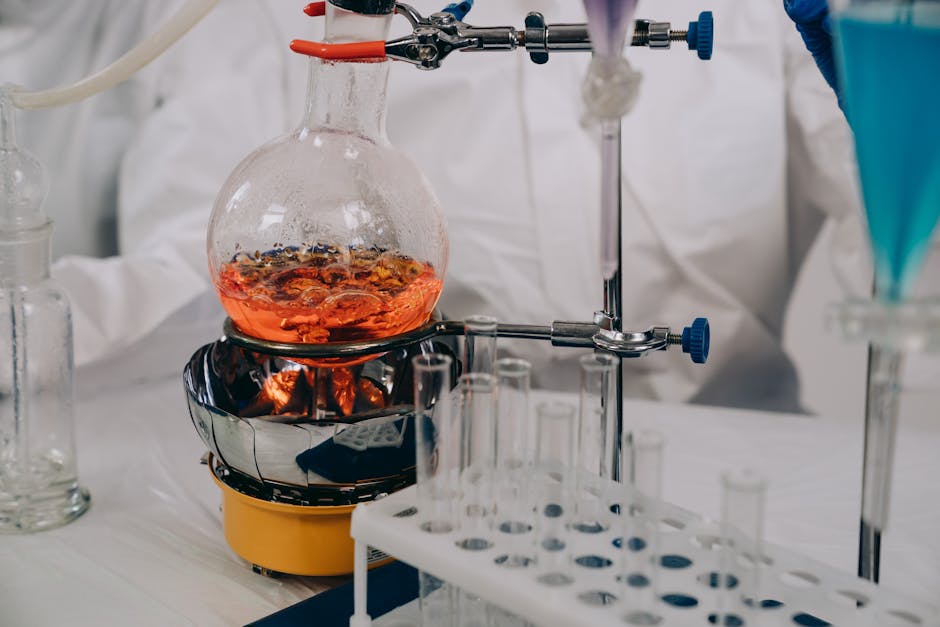
The Chemistry of Maillard: Creating Deep, Complex Flavors Through Heat
The transformation of ingredients through heat is one of the most fascinating aspects of cooking, and one of the key processes behind it is the Maillard reaction. Named after French chemist Louis-Camille Maillard, who described it in the early 20th century, this chemical reaction occurs between amino acids and reducing sugars when food is cooked, resulting in complex flavors and rich brown colors. At the heart of numerous culinary techniques, understanding the chemistry of Maillard can elevate your cooking from basic to extraordinary. Whether you’re caramelizing onions, searing a steak, or roasting vegetables, the Maillard reaction plays a pivotal role in developing the deep, robust flavors that characterize many favorite dishes.
The Maillard reaction is not just about browning food; it's a symphony of chemistry that enhances taste, aroma, and visual appeal. At temperatures above approximately 285°F (140°C), this reaction begins, turning simple ingredients into flavor powerhouses. Imagine the first bite of a perfectly seared ribeye, or the complex taste of roasted coffee—these delightful sensations can largely be attributed to this fundamental process. As a home cook striving to improve your craft, diving into the intricacies of the Maillard reaction will not only help you understand what happens to food when it cooks but also equip you with the skills needed to harness this reaction in your kitchen.
Understanding the intricacies of the Maillard reaction can seem daunting, but fear not! This article aims to break it down in a way that's accessible and practical. We’ll explore how to trigger the Maillard reaction effectively, which factors influence it, and how you can use it to create complex flavor profiles in your cooking. By mastering this essential culinary science, you can significantly enhance your dishes, impress friends and family, and deepen your appreciation for the art of cooking.
The Science Behind the Maillard Reaction
The Maillard reaction is essentially a complex series of reactions that occur when proteins and sugars are exposed to heat, resulting in the formation of hundreds of different flavor compounds. This process begins when amino acids, the building blocks of proteins, react with reducing sugars such as glucose and fructose. The end results are not only enticing flavors but also a variety of compounds responsible for the distinctive brown crust on foods.
Key Stages of the Reaction
Influence of Temperature and Time
The effectiveness of the Maillard reaction is heavily influenced by both temperature and time.
"Cooking is about more than following a recipe; it’s about mastering the science that transforms simple ingredients into something extraordinary."
Factors Influencing the Maillard Reaction
Understanding the various factors that influence the Maillard reaction is crucial for any home cook wishing to experiment and refine their techniques. Although heat is the primary catalyst, several other environmental variables can significantly impact the outcome.
pH Levels
The acidity or alkalinity, or the pH of the food being cooked, plays a significant role in the Maillard reaction.
Moisture Content
Moisture can either aid or impede the Maillard reaction:
Ingredient Selection
The choice of ingredients has a significant impact on the Maillard reaction:
"To play with fire is to embrace the thrill of transformation in the kitchen. Understanding it is the key to unleashing your culinary creativity."
Techniques to Enhance the Maillard Effect
Understanding the science behind the Maillard reaction arms you with the knowledge to enhance your dishes magnificently. Here’s how home cooks can manipulate various techniques to foster that deep, complex flavor.
Searing
Searing is the cornerstone technique that utilizes the Maillard reaction effectively. By introducing high heat to proteins, you lock in juices while developing a savory crust.
Reverse Searing
This is a newer trend for achieving perfectly cooked meat that retains flavor and moisture:
Caramelization
While often confused with the Maillard reaction, caramelization is a separate process focused primarily on sugars. However, both create complex flavors and color.
Using Marinades
Marinades can significantly enhance the Maillard reaction by introducing sugars and acids that contribute to flavor development:
Basting
Basting is a means to continually apply flavor during cooking while maintaining moisture that promotes Maillard:
"Cooking is a science, and every ingredient is a chemical waiting for the proper meld of heat and time to blossom into something magical."
Applications of the Maillard Reaction in Various Cuisines
The Maillard reaction is central to many international cuisines, each using its principles in distinct ways. Let’s explore how different culinary traditions utilize this fascinating chemical process.
American Cuisine: Grilling and Smoking
In American cooking, especially in BBQ, the Maillard reaction is central to the flavor profile of grilled meats:
French Cuisine: Saucisson and Braising
French cuisine heavily relies on the Maillard reaction, particularly in ways that build complex flavors through deglazing:
Asian Cuisine: Stir-Frying
In many Asian culinary traditions, the Maillard reaction is key in processes like stir-frying:
Mediterranean Cuisine: Roasting
Mediterranean dishes often highlight the Maillard reaction through the roasting of vegetables and meats:
Practical Tips for Home Cooks
As a home cook aspiring to elevate your culinary skills, there are specific, actionable tips you can integrate into your routine to ensure you're maximizing the potential of the Maillard reaction.
Tool Essentials
Ingredient Prep
Experiment with Different Elements
Adjust Cooking Techniques
Embrace the Aroma
Conclusion
The chemistry of the Maillard reaction is not just a culinary curiosity; it is the very foundation of creating depth, complexity, and irresistible flavors in cooking. By understanding this reaction and harnessing its power, home cooks can significantly elevate their dishes. Whether it's through searing meats to perfection, caramelizing vegetables, or experimenting with marinades, the Maillard reaction is a gateway to unlocking a whole new world of flavor.
As you embark on your culinary journey, remember that cooking is both an art and a science. Each time you step into the kitchen, you have the opportunity to create something genuinely extraordinary. Embrace the challenges of cooking, harness the chemistry behind flavor, and let the Maillard reaction guide you toward creating dishes that not only satisfy the palate but also narrate the stories of your culinary adventure. By diving deeper into the science of cooking, you’ll discover not only how to cook better but why food behaves the way it does. Happy cooking!

Get the Next Recipe
Weekly recipes, techniques, and gear picks — straight to your inbox.
