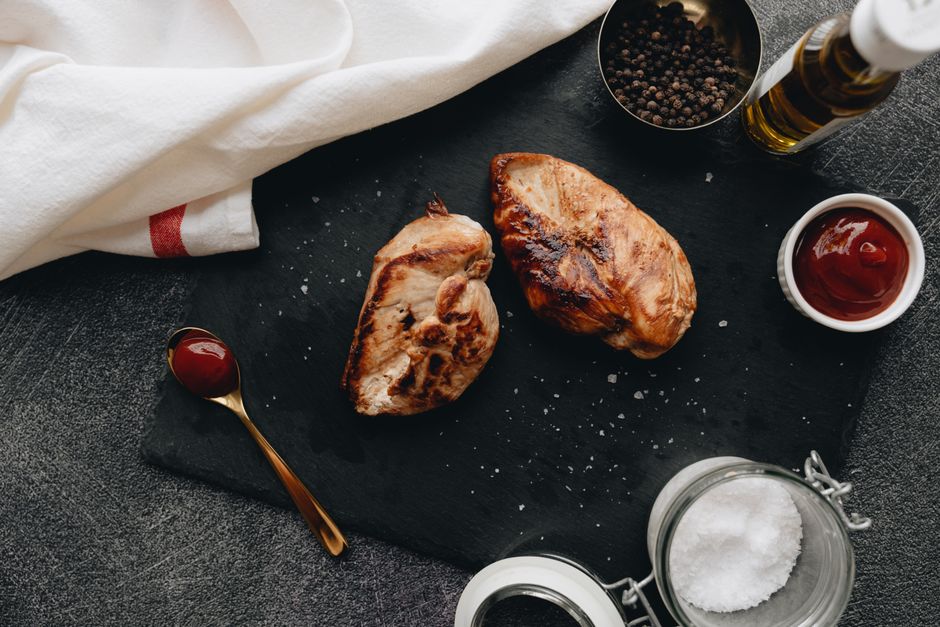
The Complete Guide to Brining Meat
Brining meat is a technique that has been utilized for centuries to enhance flavor and improve texture. It's a simple process that transforms ordinary cuts into succulent, juicy masterpieces. If you've ever tasted a mouthwatering roast chicken or tender pork loin, brining was likely a crucial part of the equation. As home cooks, understanding the science behind brining allows us not only to elevate our dishes but also to impress our family and friends with our culinary prowess.
At its core, brining is the process of soaking meat in a saltwater solution, sometimes supplemented with other flavorful ingredients. This technique works through the principles of osmosis and denaturation, leading to improved moisture retention and flavor infusion. The extent to which meat absorbs moisture and flavors during brining depends on several factors, including the concentration of the brine, the duration of the brining process, and the type of meat being used.
The magic of brining extends beyond simply making meat juicier. It also enhances the overall flavor profile, thanks to the ability of salt to extract meat juices and dissolve proteins. As a result, whether you're preparing turkey for Thanksgiving or grilling pork chops for a summer BBQ, brining will undeniably take your dish to the next level. This guide will walk you through everything you need to know about brining meat, from the essential ingredients and types of brines to step-by-step instructions and troubleshooting tips.
Understanding Brining and Its Benefits
Brining meat serves multiple purposes, each contributing to a superior culinary experience. The primary benefits include improved moisture retention, enhanced flavor, and more tender texture. These advantages come not only from salt but from the potential combination of spices, herbs, and other flavorings that can be added to the brine.
Moisture Retention
Most meats naturally lose moisture during cooking due to the heat. Brining mitigates this loss by allowing the meat to absorb water before cooking. The salt in the brine helps the meat become permeable, enabling it to hold on to moisture. In fact, brined meats can hold up to 30% more moisture than unbrined ones, resulting in juicy, delectable dishes.
Enhanced Flavor
Salt does more than just season the meat; it acts as a flavor carrier. It opens up the meat's fibers, allowing for the absorption of spices and herbs. This means that through brining, you're not just seasoning the exterior, but infusing flavor into the core of the meat.
Tenderization
Brining effectively denatures proteins in meat, breaking them down and allowing enzymes to work more efficiently. This results in a softer texture. For tougher cuts that tend to be chewy, brining can be especially helpful.
Types of Brines
There are different ways to create brining solutions, each with its unique purpose and outcome. Depending on what you’re cooking and the flavors you want to achieve, you can utilize either a wet brine or a dry brine.
Wet Brining
Wet brining involves submerging the meat in a saltwater solution mixed with flavoring agents. This method is widely used for moist cuts of meat that benefit from maximum moisture retention.
- Ratio: 1 cup of salt per 1 gallon of water is a good starting point.
- Optional flavorings: Include sugar, herbs, and spices.
- Use apple cider or beer in place of some water for additional flavor.
- Herbs like sage, thyme, and rosemary or spices such as black peppercorns and crushed red pepper can elevate your brine.
Dry Brining
Dry brining involves generously coating meat with salt and letting it sit, allowing the salt to draw moisture out of the meat and then reabsorb it.
Brining Times and Meat Types
Brining isn't a one-size-fits-all solution, and different cuts of meat require varying brining times for optimal results. Here's a detailed look into how long you should brine based on the type and size of the meat.
Chicken and Turkey
Chicken, particularly whole birds, is an ideal candidate for brining. Given their tendency to dry out when cooked, brining can transform a simple bird into a juicy delight.
Pork
Brining is essential for pork cuts, as they are often lean and can dry out quickly during cooking.
Beef
While not as common, brining can be very effective for certain beef cuts, especially those that will be grilled or roasted.
Lamb
Lamb can also benefit from brining, particularly when it comes to shoulder cuts which can be tough.
Recipes for Brining Solutions
Here are a few specialized brining recipes that will help you elevate various types of meat. These combinations of salts, sugars, and spices can set your dishes apart.
Basic Brine Recipe
One of the most straightforward brines, perfect for any meat.
- 1 cup kosher salt
- 1 cup sugar (brown or white)
- 1 gallon water
1. Dissolve salt and sugar in water over heat.
2. Allow to cool completely before brining meat.
Apple Cider Brine (Perfect for Turkey)
This brine brings a touch of fall flavor to your poultry, ideal for Thanksgiving.
- 1 cup kosher salt
- 1 cup brown sugar
- 1 gallon apple cider
- 1 tablespoon black peppercorns
- 4-5 sprigs fresh thyme
1. Combine all ingredients and mix well until dissolved.
2. Cool completely before immersing turkey for 12 to 24 hours.
Herb-Infused Brine for Pork
This brine infuses delicate herbal notes into pork, enhancing its natural flavor.
- 1 cup kosher salt
- 1/2 cup sugar
- 1 gallon water
- 2 tablespoons minced garlic
- 4-5 sprigs of fresh rosemary
- Zest of 1 lemon
1. Combine all ingredients in a pot and heat until dissolved.
2. Let cool completely before brining pork cuts for 4 to 8 hours.
Citrus Brine for Chicken
A bright and zesty brine that adds a refreshing flavor to chicken.
- 3/4 cup kosher salt
- 3/4 cup sugar
- 1 quart water
- Juice of 2 lemons and 1 orange
- Zest of both fruits
1. Dissolve salt and sugar in water, add juices, and zest.
2. Cool before brining chicken for 4 to 12 hours.
Troubleshooting Common Brining Problems
While brining is generally a straightforward technique, some issues might arise that might lead to less-than-ideal results. Here are common troubleshooting tips to help you perfect the process.
Over-Brining
If the meat comes out too salty, it may have been brined too long. Here’s how to mitigate this problem:
Texture Issues
If meat becomes overly mushy from brining, it's likely due to one of the following:
Uneven Brining
Sometimes, meat may not absorb the brine evenly, which can happen if it’s not fully submerged:
Cooking Brined Meat for Best Results
Once your meat has been successfully brined, the next step is cooking it properly to really showcase the benefits of your efforts. Here are some tried-and-true methods for cooking brined meats effectively.
Roasting
For poultry, roasting is an ideal cooking method.
Grilling
Grilling brined meats can lead to wonderful char and flavor.
Searing
Searing can create a beautiful crust on brined cuts of beef.
Conclusion
Brining is an invaluable technique that adds depth, flavor, and juiciness to various cuts of meat. By mastering this skill, home cooks can confidently tackle any dish and impress their diners with incredible taste and texture. Whether you choose a dry brine or a wet brine, understanding the principles behind the process enables you to experiment and customize the flavors to suit your palate.
With the right ratios, brining times, and cooking methods, you can successfully transform your cooking game. Now equipped with the knowledge of how to brine different meats effectively and correctly, you’re ready to take on flavor infusions that could transform your ordinary cooking into extraordinary feasts. Remember that the key to any culinary adventure is practice, so don't hesitate to try out different brines and methods as you explore the irresistible world of brining!


Get the Next Recipe
Weekly recipes, techniques, and gear picks — straight to your inbox.
