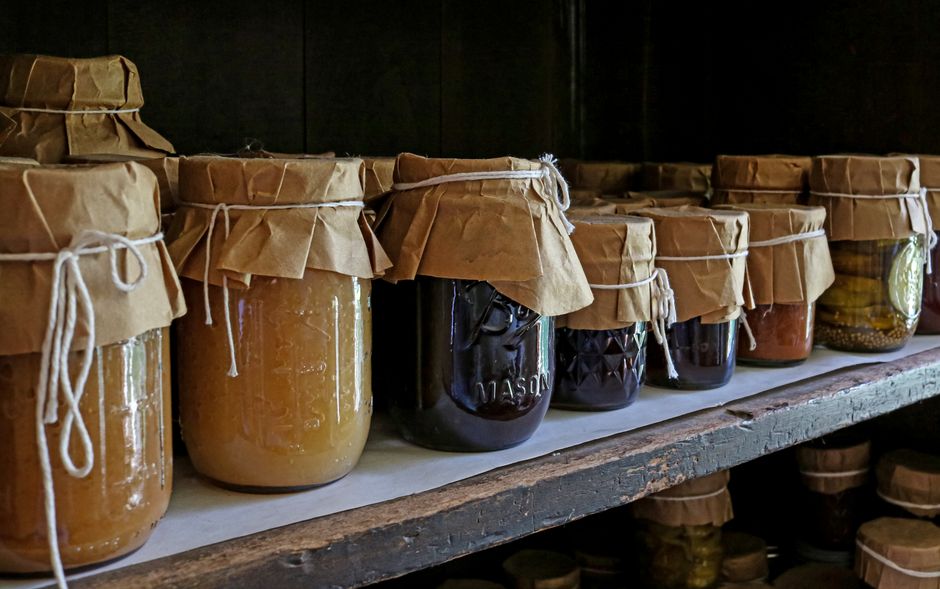
The Complete Guide to Food Preservation
Food preservation is a culinary practice that has roots deeply embedded in history. From the earliest days of human civilization, when communities depended on seasonal harvests and needed to survive harsh winters, to contemporary times where food waste is a pressing concern, mastering the art of food preservation is essential for every home cook. This guide dives into various preservation techniques, their historical significance, and how you can incorporate them into your kitchen routine. Not only does food preservation enhance flavors and nutrients, but it also extends the life of perishable items, allowing you to enjoy your favorite foods year-round.
As we move forward, it's important to understand the different methods of preservation available to you, each with its own unique benefits and ideal applications. Some techniques, like canning and pickling, create a myriad of flavors and textures, while others, such as freezing and dehydrating, maintain the integrity of the original ingredients. Knowing when and how to apply these methods can transform your culinary skills and broaden your meal preparations beyond what's available in the season. Additionally, with concerns around sustainability and food waste on the rise, by mastering preservation techniques, you can do your part to reduce your carbon footprint and support local farmers by buying in bulk.
This comprehensive guide is designed to empower you, whether you’re a novice cook or a seasoned chef, with the knowledge and skills to preserve food effectively. By the end of this journey, you will be well-equipped with the necessary techniques and tips to elevate your cooking game and make the best use of your kitchen bounty. From understanding the science behind preservation to familiarizing yourself with various methods, let’s explore the ways you can keep your food fresh, flavorful, and waste-free.
The Science Behind Food Preservation
Food preservation relies on a deep understanding of microbiology, the role of nutrients, and how various methods affect food's physical and chemical properties. At the core, the primary goal of food preservation is to inhibit the growth of microorganisms such as bacteria, molds, and yeast that contribute to spoilage. By understanding how these organisms thrive or fail in different environments, you can choose the right method for preserving your food.
Key Factors in Food Preservation
There are several critical factors that influence the effectiveness of food preservation:
Understanding these principles allows you to select and adapt preservation techniques effectively for the ingredients you have on hand. Of course, no matter the method, thorough cleaning and sanitizing of both food and equipment are imperative to ensure a safe preservation process.
The Importance of Fresh Ingredients
Using the freshest ingredients possible is vital to successful food preservation. As a rule of thumb, ingredients at their peak ripeness contain the most nutrients and flavor. When preserving food, aim to procure produce from local farmers' markets or grow your own whenever feasible. This not only guarantees high-quality ingredients but also supports sustainable agriculture.
Tracking the seasonality of produce can also enhance your preservation endeavors. For example, canning or freezing corn can provide the bright sweetness of summer during the winter months. A simple chart of seasonal fruits and vegetables can help you plan your preservation activities effectively.
"The heart of preservation lies in the quality of the ingredients. The fresher, the better."
Common Preservation Techniques
Food preservation encompasses a wide range of techniques, each suited for specific types of food and desired outcomes. Below, we'll dive into some of the most popular methods to help you get started on your preservation journey.
Canning
Canning involves sealing food in jars and heating it to a temperature that destroys microorganisms and inactivates enzymes. This method is particularly effective for fruits, vegetables, jams, and pickles.
#### Water-Bath Canning
"Canning is an art rooted in tradition, allowing you to capture the essence of fresh produce for months to come."
#### Pressure Canning
Pressure canning is essential for low-acid foods like meats, poultry, and certain vegetables since they require higher temperatures to kill bacteria.
Pickling
Pickling can be a delightful way to preserve vegetables and fruits, enhancing their flavor while also extending shelf life through fermentation or brining.
#### Quick Pickling
Quick pickling can be done in a matter of hours and is perfect for cucumbers, onions, and carrots.
“Pickling is an excellent way to celebrate seasonal produce. With the right balance of vinegar and spice, delight your palate with brightness and crunch.”
#### Fermented Pickling
Fermented pickling relies on natural bacteria, creating tangy, probiotic-rich foods. This method can be used for cucumbers, kimchi, or sauerkraut.
Freezing
Freezing is one of the easiest and most effective preservation methods because it retains the texture, flavor, and nutrient content of food.
#### Best Practices for Freezing
Dehydrating
Dehydrating food reduces its moisture content and helps inhibit bacteria growth. This method is vibrant for herbs, fruits, and even meats.
#### The Dehydration Process
- Using a Dehydrator: Place food on dehydrator trays. Set the temperature (typically 125°F to 135°F) and adjust timing depending on the food type.
- Oven Method: Spread food on baking sheets. Place in an oven at the lowest setting (usually around 150°F). Keep the door slightly ajar to allow moisture to escape.
Advanced Techniques and Tips
While the aforementioned methods will cover the basics of food preservation, some advanced techniques can yield even better results. Mastering these strategies can further expand your repertoire and enhance your culinary prowess.
Vacuum Sealing
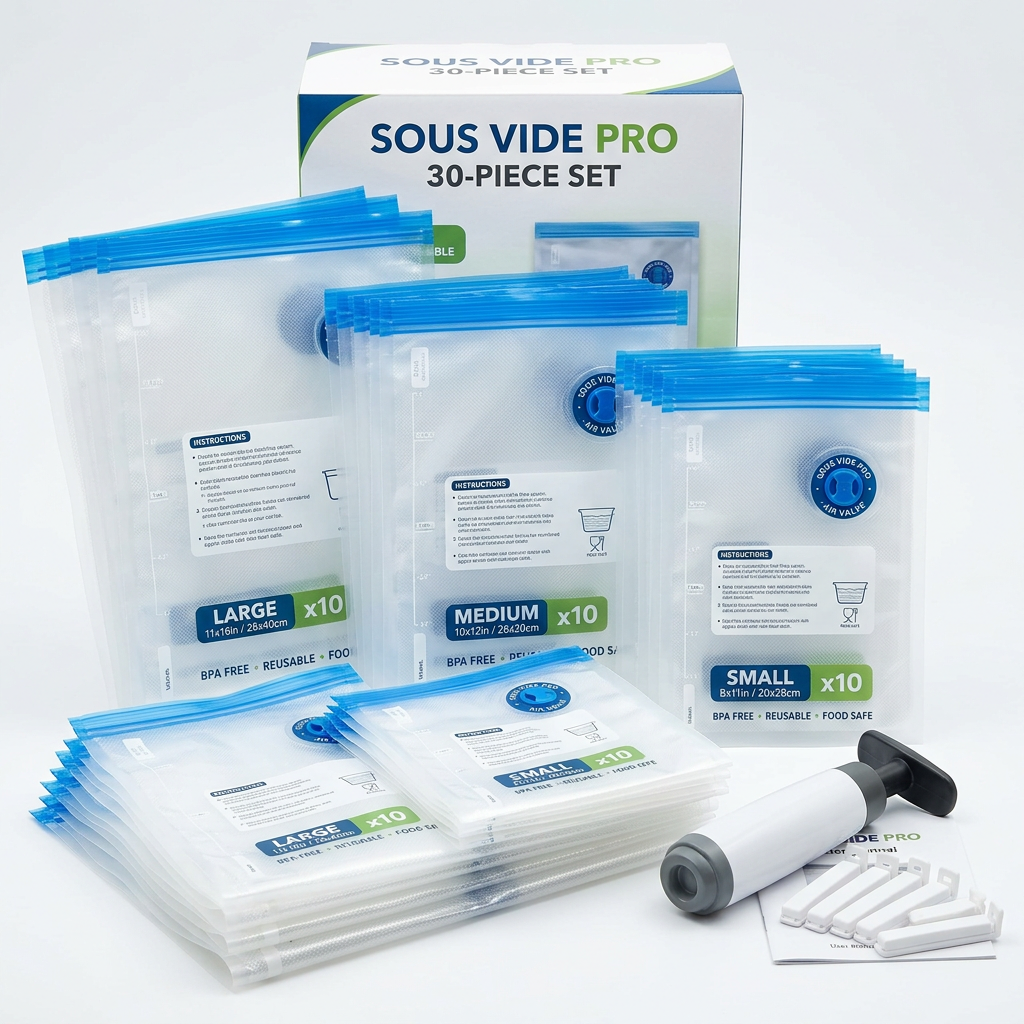
Vacuum sealing is an efficient way to prolong the shelf life of food by removing air from packaging.
Fermentation
While we briefly touched on fermentation in pickling, this ancient method deserves a section of its own. Fermentation is not only a preservation method but also a nutritional enhancement.
Creative Uses for Preserved Foods
Mastering preservation techniques opens up a world of culinary creativity. Here are some fun ideas for using your preserved foods:
Conclusion
Food preservation is an invaluable skill that every home cook can develop. By employing these techniques—such as canning, pickling, freezing, dehydrating, and fermenting—you can extend the life of your food and enjoy seasonal produce long after the harvest has ended. This guide provided a wealth of information to help you get started and refine your preservation skills, transforming the way you approach food storage and culinary creativity.
By understanding the science and art behind these methods, you not only enhance the longevity of your ingredients but also elevate your overall culinary experience. As you incorporate these practices into your kitchen routine, remember to embrace experimentation to discover what flavors and styles resonate with you most.
Take action now and start transforming your kitchen into a food preservation powerhouse. With practice and patience, you can create a pantry filled with delicious preserved goods, ready to bring joy to your family and guests. Happy preserving!
Get the Next Recipe
Weekly recipes, techniques, and gear picks — straight to your inbox.
