The Complete Guide to Knife Skills
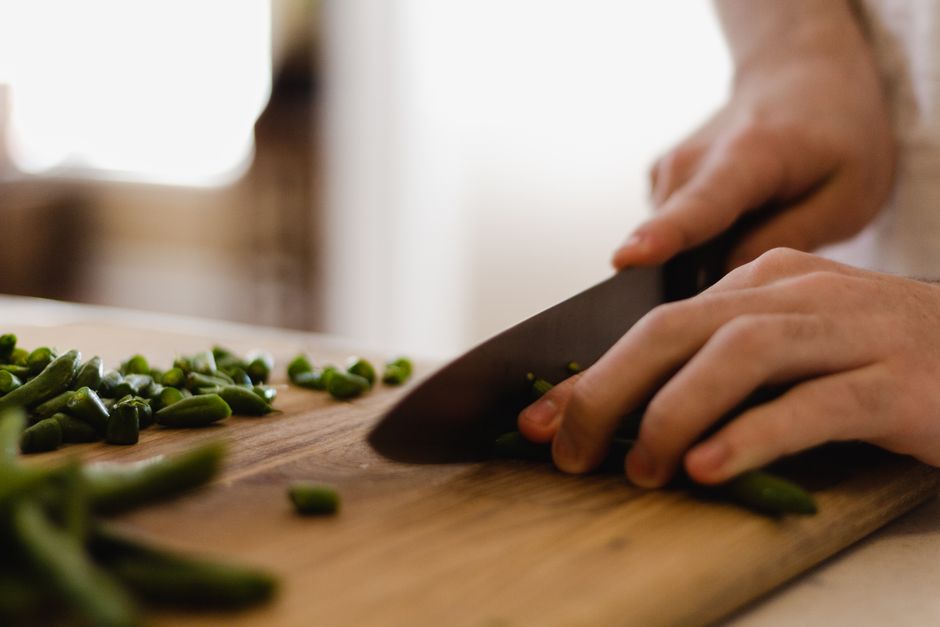
Mastering knife skills is one of the most critical aspects of culinary arts, and yet it is often overlooked by home cooks eager to dive into complicated recipes. A well-sharpened knife is not merely a tool; it is an extension of a chef’s hands. The efficiency and precision that come from knowing how to handle a knife properly can elevate your cooking from simple to extraordinary. As you learn proper knife techniques, safety regulations, and the variety of cuts, you will find that cooking becomes more enjoyable and efficient.
The right knife skills can drastically reduce preparation time, allowing for quicker meal assembly and more time spent enjoying the fruits of your labor. Whether it’s a simple salad or a multi-course feast, it’s crucial to approach food preparation with respect and care. The key to becoming adept is practice—practice that is best built on a solid understanding of fundamental techniques. From the grip on the knife to the speed and the method of the cut, every detail matters and influences the final dish’s outcome.
Moreover, mastering these skills not only supports culinary hygiene but also enhances flavors through proper cutting techniques. Different knife cuts impact the cooking process and how ingredients blend together. When ingredients are cut uniformly, they cook at the same rate, resulting in a superior dish. This guide aims to break down everything you need to know about knife skills, from choosing the right knife to mastering advanced cuts, so you can eliminate fear and hesitation in the kitchen.
Choosing the Right Knife
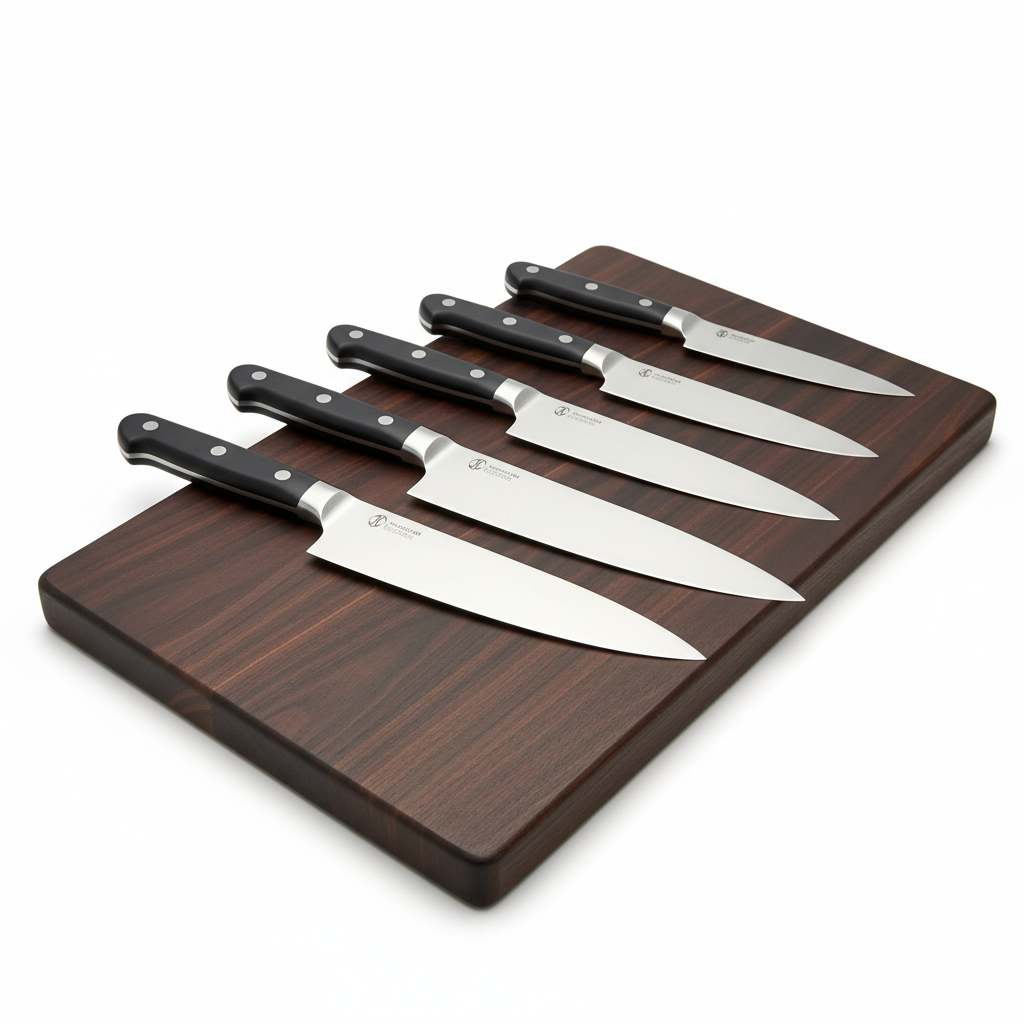
There are myriad types of knives available in the culinary market, but not all are necessary for a home cook. Understanding which knives will best suit your needs is essential for efficient cooking. Here is a breakdown of some of the most essential knives for any kitchen:
Chef's Knife
A chef's knife is arguably the most versatile tool in a kitchen. Typically ranging from 6 to 12 inches in length, it can be used for various purposes, including slicing, dicing, and chopping. The weight and balance of a quality chef's knife can greatly influence your cutting efficiency.
Paring Knife
A paring knife is smaller, with a blade length usually around 3 to 4 inches. This knife is perfect for intricate cutting tasks such as peeling fruits, de-vining shrimp, and mincing herbs.
Serrated Knife
A serrated knife is primarily used for cutting bread and soft fruits like tomatoes. Its jagged edge allows for cutting through difficult textures without crushing the item itself.
Other Useful Knives
In addition to these foundational knives, consider adding a boning knife for working with meat, and a filleting knife for clean cuts in fish. While these tools may not be indispensable for everyday cooking, they can enhance your efficiency and presentation in specific situations.
General Knife Features to Consider
When purchasing knives, here's what to look out for:
"Investing in quality knives is investing in your culinary future. Your knife is the most important tool you will ever have in the kitchen."
Knife Safety
Beyond choosing the right knife, proper handling and safety practices are crucial in building your confidence and efficiency in knife skills. Injuries often stem from improper technique or distraction.
Basic Safety Rules
Proper Handling Practices
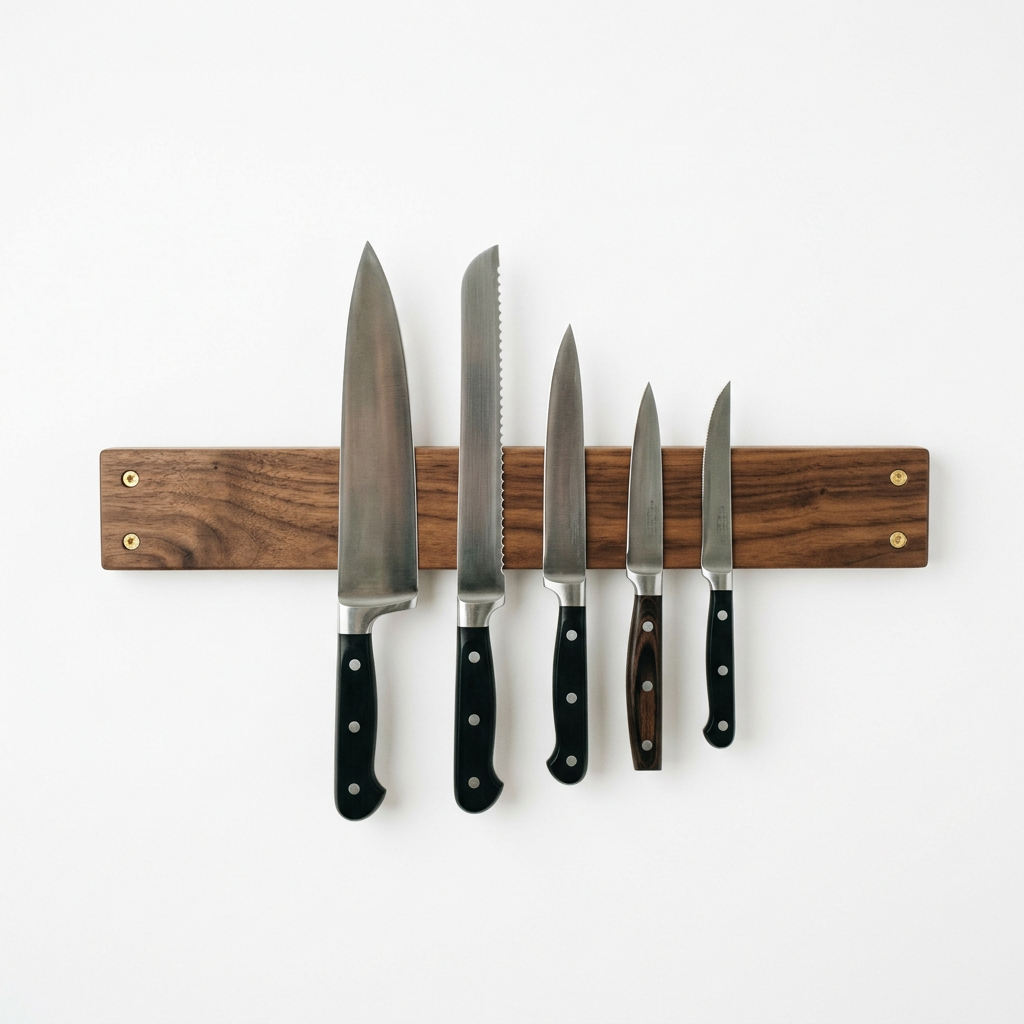
Storage and Maintenance
Proper maintenance extends your knife's lifespan and performance:
"A knife is only as good as its maintenance. Treat it well, and it will reward you with years of service."
Mastering Basic Cuts
To enhance your culinary prowess, you must learn some fundamental cuts that form the backbone of many recipes. Here are some basic techniques to master:
Chopping
Chopping involves cutting ingredients into bite-sized pieces. The general process includes:
Tip: Uniform sizes in your chopped ingredients ensure even cooking and improve the dish's overall presentation.
Mince
Mincing is chopping food into even smaller pieces. This technique is often used for herbs, garlic, and onions who need to release their flavors more effectively.
Tip: Ensure your knife is sharp, as this allows for clean cuts that retain the integrity of delicate items, especially herbs.
Julienning
Julienne is when ingredients are cut into thin matchstick-sized strips, usually vegetables. To create a julienne cut:
Tip: Practicing with carrots or zucchini can help you get the hang of this cut.
Brunoise
The brunoise cut consists of dicing ingredients into tiny cubes (about 1/8 inch). It is often employed in haute cuisine, contributing to a refined presentation.
"Perfecting your knife cuts is less about speed and more about precision and practice. Focus on consistency to elevate your culinary game."
Techniques for Advanced Cutting
As you become more adept with basic cuts, you can explore advanced techniques that will further refine your cooking skills. Here are some specialized cuts to master:
Chiffonade
The chiffonade is a technique primarily used for leafy greens and herbs. This cut results in fine, thin ribbons of greens that can be used for garnishing or cooking.
Tip: Be sure to use fresh greens for the best flavor and presentation.
Paysanne
The paysanne cut is another advanced technique that involves cutting food—often vegetables—into thin, flat pieces or shapes.
Oblique Cut
The oblique cut, also known as the roll cut, is often used for vegetables like carrots and potatoes, providing an appealing aesthetic and ensuring even cooking.
Different Styles of Cuts
Transitioning to Professional Techniques
When you feel confident with advanced cuts, consider exploring more professional techniques:
Blade Care and Maintenance
A knife is only as useful as its edge. Caring for your blades is crucial for performance and safety. To maintain your knives at their best:
Sharpening Techniques
Proper Washing and Storage
When to Get Professional Help
Even with proper care, there comes a time when your knives may require a professional's touch. Signs that it may be time include:
"A well-maintained knife is a chef's best friend; treat your tools with respect, and they’ll reward you with precision and ease."
Conclusion
Knife skills are the bedrock of culinary craftsmanship. From the fundamentals such as chopping and mincing to advanced techniques like chiffonade and paysanne, each cut enhances your cooking, allowing you to create dishes that are not only delicious but also beautiful.
Investing time in learning and refining these skills will drastically affect your culinary outcomes and transform your kitchen experience. The knife is indeed the most significant tool in a cook's arsenal, and mastering it will unlock a world of culinary potential.
Remember, practice makes perfect, so don’t rush the learning process. Create an environment where you feel comfortable honing your skills, and soon enough, the kitchen will become your stage, and knife skills your performance. Happy cooking!


Get the Next Recipe
Weekly recipes, techniques, and gear picks — straight to your inbox.
