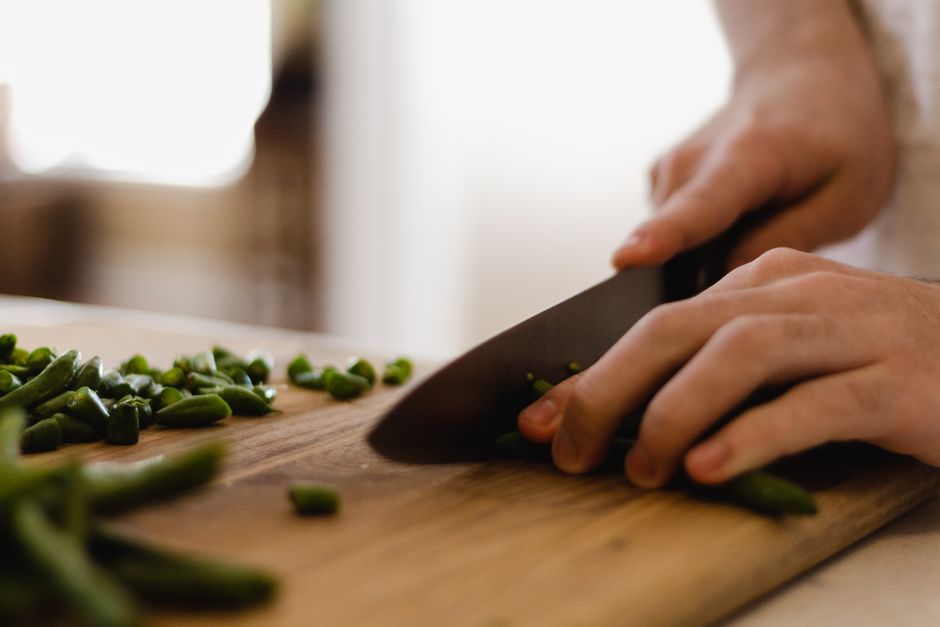
The Complete Guide to Knife Skills Every Home Cook Needs
In the world of cooking, the knife is the most essential tool a home chef can possess. Mastering knife skills can significantly elevate your culinary game, allowing for precision, efficiency, and creativity in the kitchen. Whether you find yourself in a lavish culinary studio or a cramped apartment kitchen, the right knife techniques can transform your cooking experience. As you work with fresh ingredients, having the confidence and knowledge to handle your knives effectively will not only enhance your dishes but also make the process more enjoyable and less intimidating.
It is a common misconception that great cooking is solely about the ingredients you use. While high-quality produce and meats are crucial, the way you handle these elements is equally important. Knife skills help you to prepare your ingredients properly, ensuring that they cook evenly and taste their best. From first-time cooks to experienced chefs, everyone can benefit from honing their knife skills. In this guide, you’ll discover various types of knives, cutting techniques, and tips that will set you on a path to kitchen mastery.
Moreover, understanding how to care for your knives is just as essential as knowing how to use them. A well-maintained knife not only performs better but also provides a safer cooking experience. When blades are dull, you risk injury and may find your preparations taking longer than necessary. By the end of this comprehensive guide, you'll not only understand the practical aspects of knife skills but also gain an appreciation for the artistry behind this crucial skill.
Understanding the Types of Knives
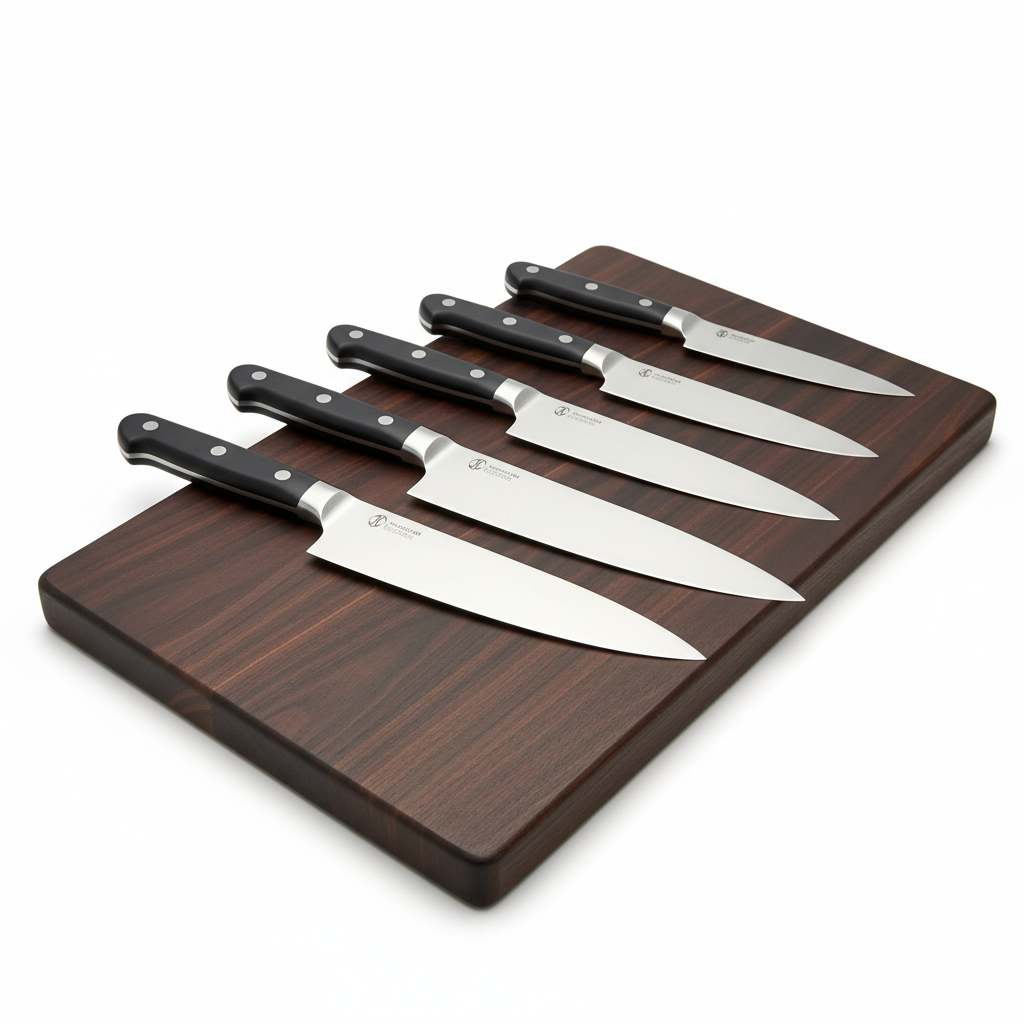
When it comes to kitchen knives, there is a vast array of options, and knowing how to choose the right one for each task is pivotal. Here’s a breakdown of some of the essential knives every home cook should have in their arsenal.
Chef's Knife
The chef's knife is the workhorse of the kitchen and is typically used for a variety of cutting tasks. A standard chef’s knife usually measures between 8 to 10 inches in length, making it versatile for slicing, dicing, and mincing. The broad, tapering blade allows for a rocking motion, which is particularly useful for chopping herbs or vegetables.
“A good chef's knife is an investment. It's the one tool you will use the most and can transform your cooking experience.”
Paring Knife
Next is the paring knife, usually measuring about 3 to 4 inches. It’s perfectly sized for peeling, trimming, and other delicate work. Use this knife when working with smaller fruits and vegetables, or for detailed projects like deveining shrimp.
Serrated Knife
The serrated knife, commonly referred to as a bread knife, features a wavy edge that is perfect for slicing through crusty bread without crushing it. This knife is also useful for slicing tomatoes or anything with a tough skin and soft interior.
Boning Knife
If you're looking to work with proteins, a boning knife is a must-have. It’s thin and flexible, allowing you to maneuver around bones and joints, making it ideal for separating meat from bones. This knife typically measures around 6 to 7 inches and provides precision when filleting fish or de-boning poultry.
Utility Knife
The utility knife is a mid-sized version that is great for miscellaneous slicing tasks that don’t warrant using a chef's knife. It's often used for cutting sandwiches, slicing larger fruits, or even for various tasks within daily meal preparations.
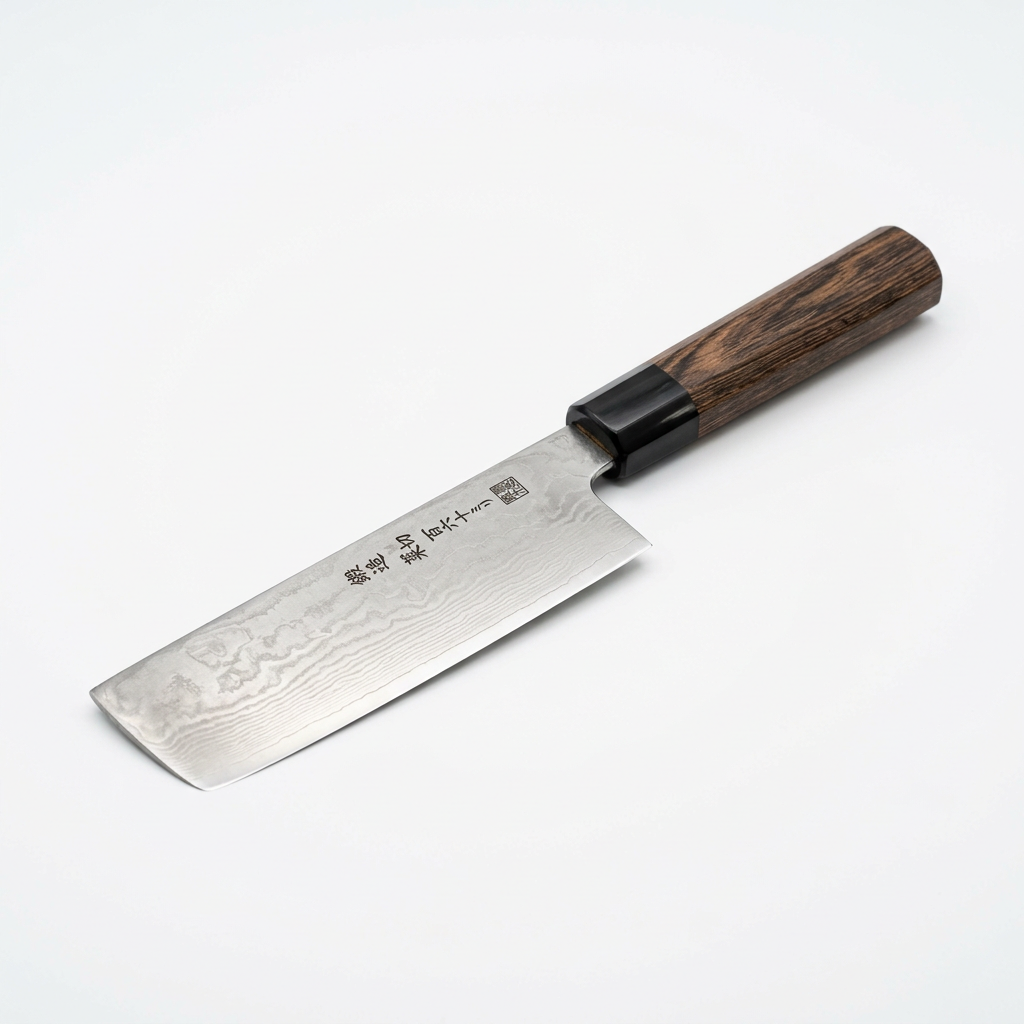
Specialty Knives
Several other specialty knives can enhance your culinary arsenal:
Understanding the variety of knives available is the first step to improving your skills and selecting the right tool for each task.
Basic Knife Cuts and Techniques
Once you’ve gathered your knives, it’s time to delve into the skills that will help you utilize them effectively. Mastering basic knife cuts will allow you to work efficiently. Here’s a breakdown of the most common cuts you should know.
The Chop
The chop is a basic technique used for cutting vegetables and ingredients into uniform pieces of varying sizes. Here’s how to chop effectively:
Consider chopping onions for a stew. Aim for 1/4-inch cubes, allowing even cooking and consistency in texture.
The Dice
To dice is to cut food into uniform cubes. Dicing is ideal for ingredients that will be cooked together, as uniform sizes ensure even cooking.
The Julienne
The julienne cut creates long, thin matchstick-like pieces. This technique is great for vegetables, adding a beautiful texture to your dishes.
The Brunoise
To create a brunoise, start with julienned cuts and dice them into tiny cubes. This technique takes practice but adds an exquisite presentation to dishes.
This technique is often used in French cuisine for garnishes or to create flavors in sauces.
“Precision cutting doesn’t just enhance the appearance of your dish, but it also affects the way flavors meld together.”
The Mincing Technique
Mincing is commonly used with herbs and garlic. The goal is to create very fine pieces to release maximum flavor. Here’s how to do it:
This technique is important for even flavor distribution in sauces and dressings.
Knife Handling Safety
With many skills comes the responsibility of safety. Practicing proper knife handling techniques is essential to prevent injuries in the kitchen.
Grip the Knife Properly
Holding your knife incorrectly can lead to accidents. Here's how to ensure you're holding it safely:
Keep Your Fingers Safe
Using the claw grip with your non-dominant hand protects your fingers.
Keep Your Workstation Clean
Clutter leads to accidents. Keep your cutting board free of unnecessary items, and ensure you clean as you go. Manage your area by:
Dull Knives Are Dangerous
A dull knife can lead to injuries. The blade may slip when pressure is applied and can cause you to lose control. To prevent accidents:
Proper knife safety enhances your confidence and efficiency in the kitchen, allowing you to focus on culinary creativity.
Knife Maintenance
Understanding how to maintain your knives extends their lifespan and ensures optimal performance. An effectively maintained knife is not only safer but also a joy to use.
Cleaning Your Knives
Cleaning knives properly prevents dulling and keeps them in good condition. Here are some maintenance tips:
Sharpening Techniques
Learning to sharpen your knives is crucial. There are several methods:
- Soak the stone in water for about 10-15 minutes.
- Angle the knife at a 20-degree angle and slide across the stone from heel to tip.
- Repeat on the other side, aiming for 10-15 strokes per side.
- Hold the rod vertically and place the knife edge against it at a 20-degree angle.
- Pull the blade down and towards you, gliding along the rod.
- Follow the manufacturer’s instructions for ease and effectiveness.
“A sharp knife is a happy knife! Invest time in maintaining your tools for the best results.”
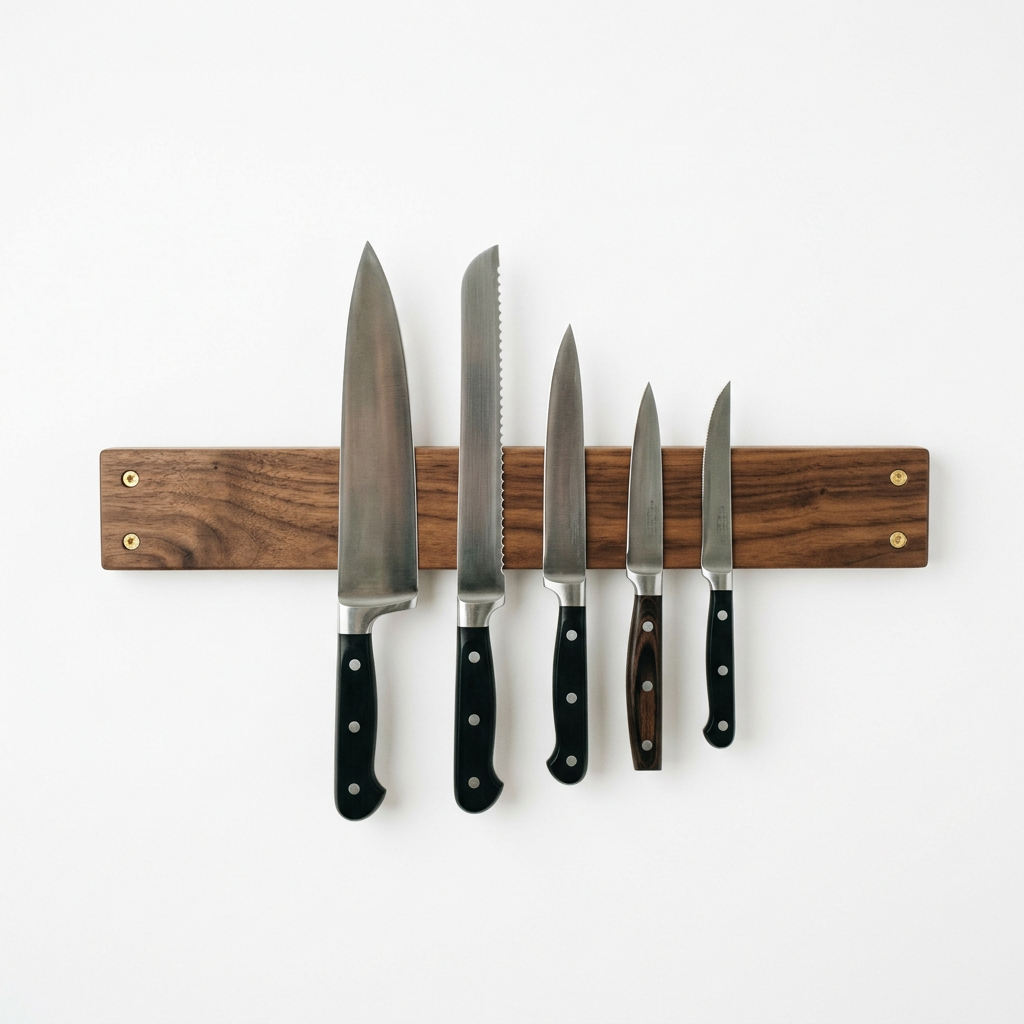
Storing Knives Safely
Proper storage prolongs the life of your knives and ensures safety. Here are some options:
Advanced Techniques: Mastering Knife Skills
Once you've mastered the basics, it’s time to explore advanced techniques that will truly elevate your culinary repertoire.
Chiffonade
The chiffonade technique is perfect for leafy greens and herbs. This method results in elegant ribbons, enhancing dishes aesthetically.
Fine Brunoise
Executing a fine brunoise involves taking your dicing skills a step further. A true test of skill, this technique requires precision.
Tourner
The tourner cut is a classical French technique that shapes vegetables into barrel-like pieces, showcasing effort in presentation.
Mastering these advanced knife skills will impress guests and elevate home-cooked meals to gourmet levels.
Conclusion
Mastering knife skills is a fundamental step toward becoming a confident and efficient home cook. A well-equipped kitchen with different types of knives and an understanding of their uses allows for creativity and precision in meal preparation. Each cut—from chopping vegetables to finely mincing herbs—contributes not only to the aesthetics of your dish but also to the overall flavor.
Investing time in learning proper knife techniques, maintenance, and safety procedures is invaluable, yielding a kitchen experience filled with joy and creativity. With constant practice and dedication, you will develop a sense of rhythm and purpose as you wield your knife, transforming not just ingredients but also yourself into a more skilled home cook.
As you embark on or continue your culinary journey, remember this: the knife is an extension of your hand, an artist's brush in the kitchen. Embrace the art of knife skills, and watch as they open up a world of culinary possibilities, taking your cooking from mundane to extraordinary.

Get the Next Recipe
Weekly recipes, techniques, and gear picks — straight to your inbox.
