
The Complete Guide to Making Authentic Italian Pasta from Scratch
Making pasta from scratch is one of the most satisfying culinary experiences you can embark on. There’s a certain magic in transforming simple ingredients like flour and eggs into something that can elevate your meals to a whole new level. With each bead of semolina and every crack of an egg, you're not just cooking; you're participating in a rich tradition that spans centuries. The art of pasta-making is a skill refined in countless kitchens across Italy, each region boasting its unique shapes and flavors. Whether you’re aiming to create delicate ravioli or unlimited strands of tagliatelle, learning the ropes of authentic Italian pasta will not only boost your culinary confidence but also your appreciation for this timeless dish.
For many, the thought of making pasta from scratch can seem daunting—perhaps even a bit intimidating. However, with the right guidance and techniques, it’s an achievable goal that brings both reward and joy. The process involves a blend of flour, eggs, and perhaps a touch of salt, shaped into a dough that can be rolled, cut, and cooked into delightful forms. Along the way, you’ll learn about various flours, egg-to-flour ratios, and the significance of hydration levels in your dough. Think of this guide as an opportunity to not just follow a recipe but to develop your intuition for how pasta should feel and taste.
Throughout this journey, we'll delve into the various types of pasta, the essential equipment you'll need, and even some delicious sauces to accompany your freshly made noodles. From understanding the types of flour suitable for pasta-making to mastering the rolling technique, this complete guide will leave you well-equipped to create authentic Italian pasta that will astonish and delight your family and friends. So, let’s roll up our sleeves and dive into the world of homemade pasta!
Understanding the Basics of Pasta
Pasta is fundamentally a combination of flour, water, and sometimes eggs, though the specific ratios and methods can vary widely based on regional traditions. The two primary types of pasta found in Italy are fresh pasta and dried pasta, each with its own unique preparation. Fresh pasta is typically made with a higher egg content, resulting in a softer, more flavorful noodle. Dried pasta, on the other hand, is often made with durum wheat semolina flour and water, which gives it a firmer texture that stands up well to sauces.
The Types of Flour
When discussing pasta, the type of flour you choose is pivotal. Each flour contributes different textures and flavors:
Choosing the right type of flour can influence the final product significantly. It’s worth seeking out high-quality, authentic Italian flours whenever possible.
"The choice of flour is not just a recipe detail; it’s the very foundation of your pasta."
The Egg Factor
Eggs also play a critical role in pasta-making, especially in fresh pasta. They contribute richness, flavor, and color to the dough. When using eggs in your pasta, a common ratio to remember is one egg for every 100 grams of flour. For those looking to keep the pasta slightly lighter, you can use fewer yolks or even egg whites; however, this will impact the richness and texture of the final noodle.
Understanding the balance between flour and eggs lays the groundwork for mastering your pasta technique.
Essential Tools and Equipment
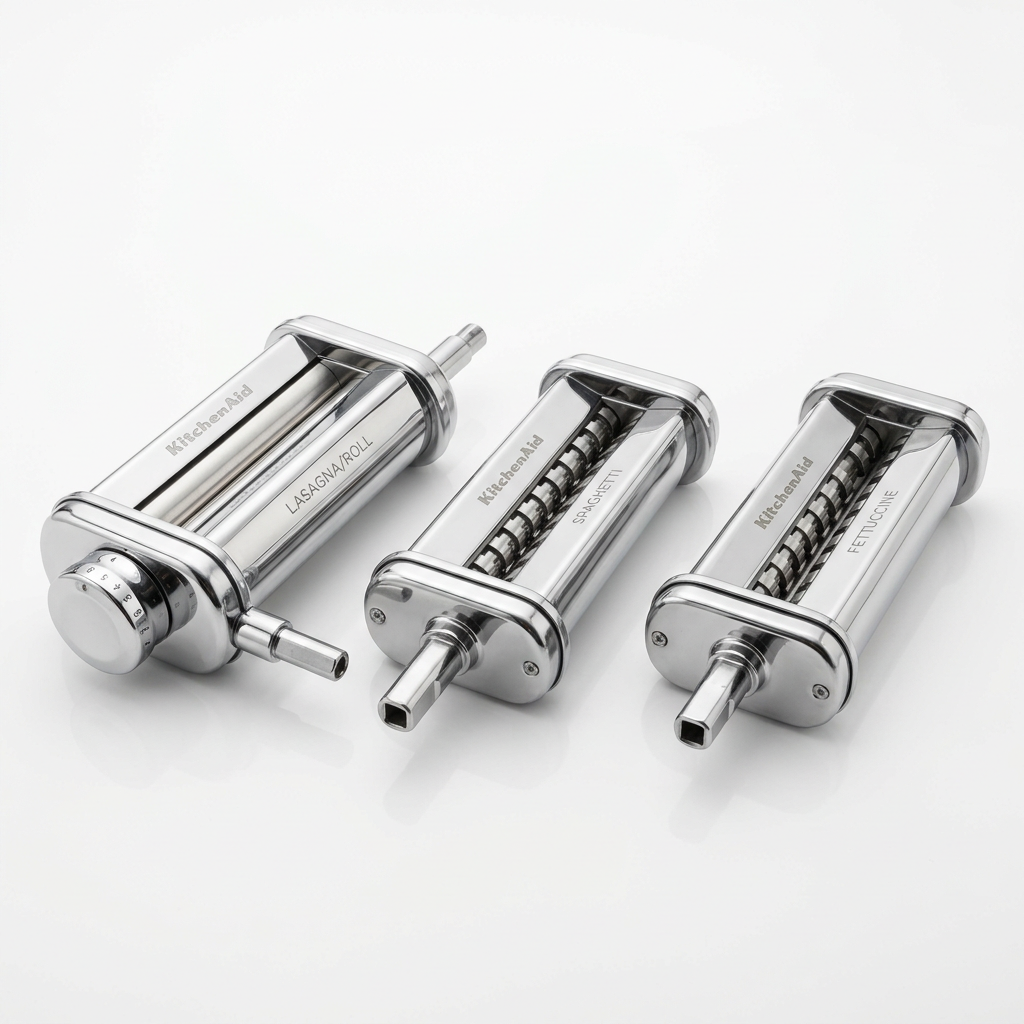
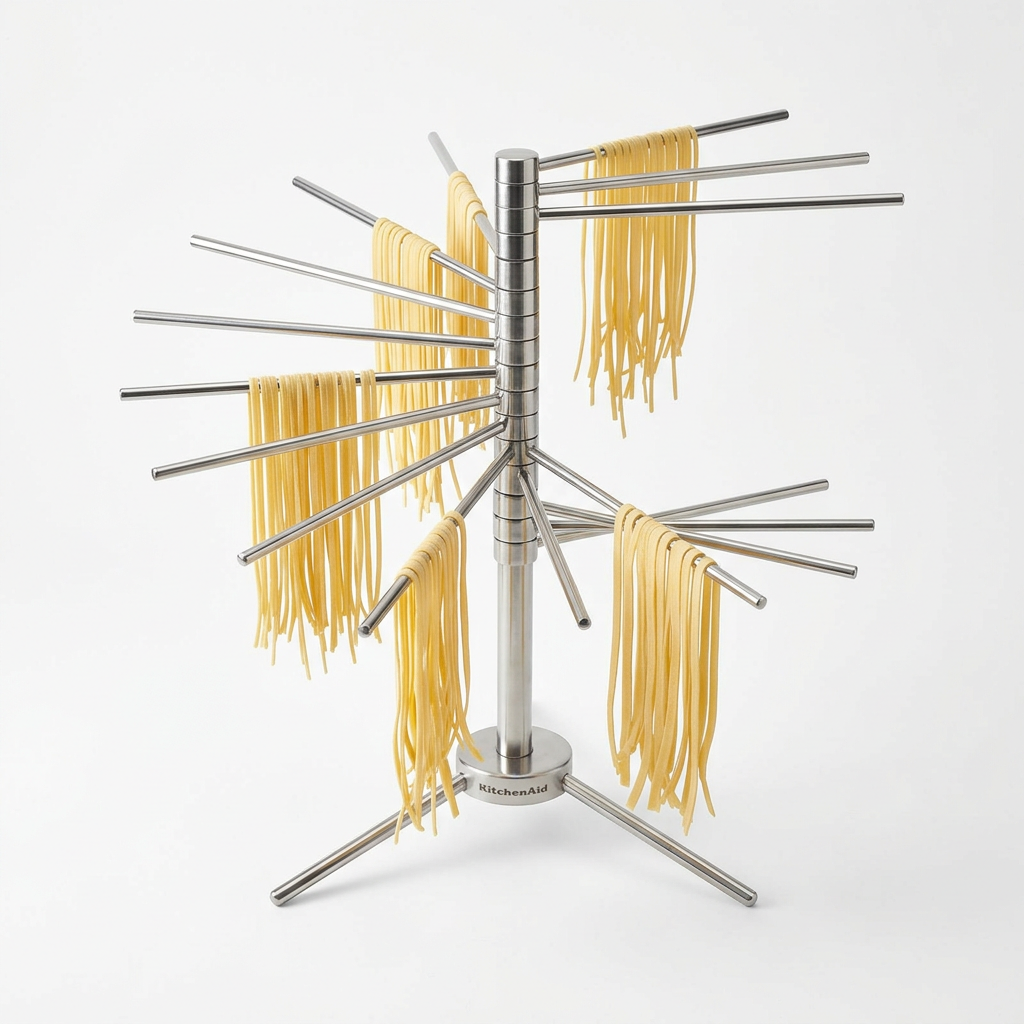
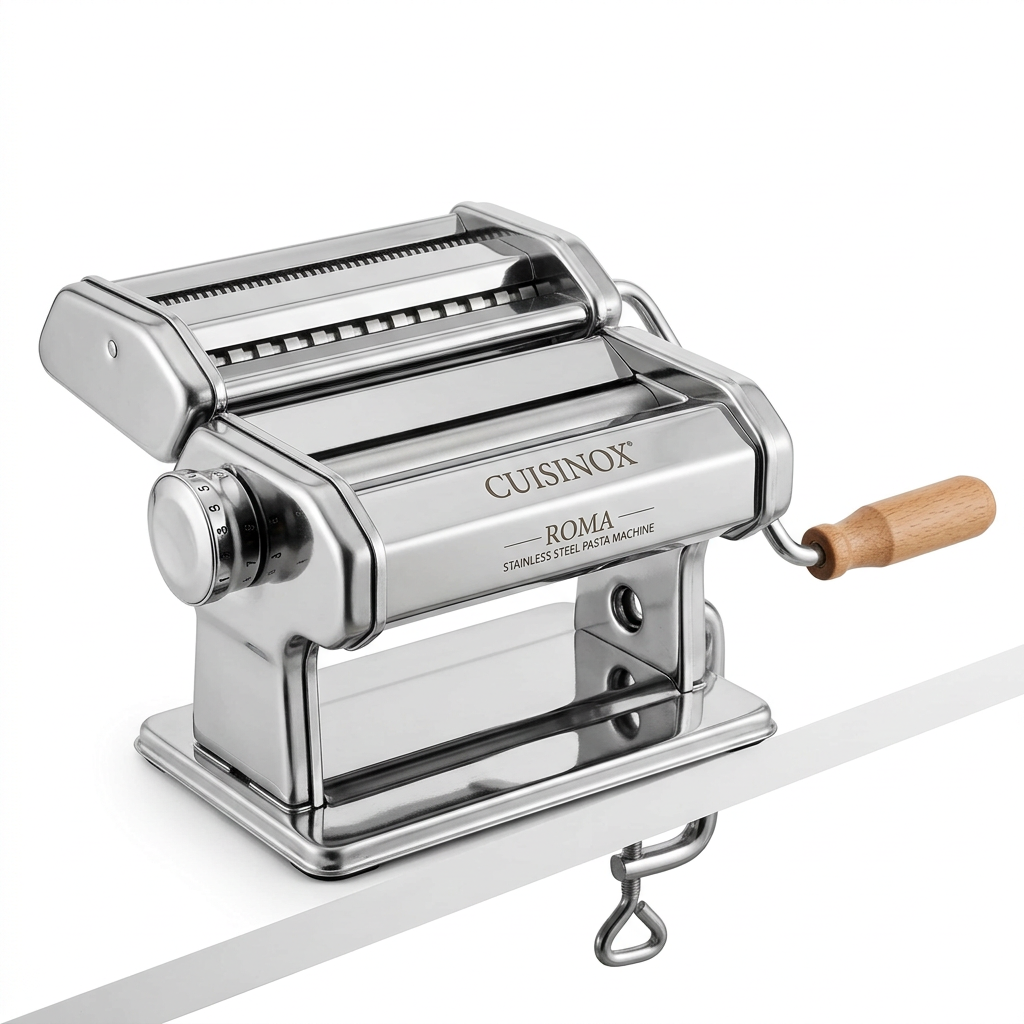
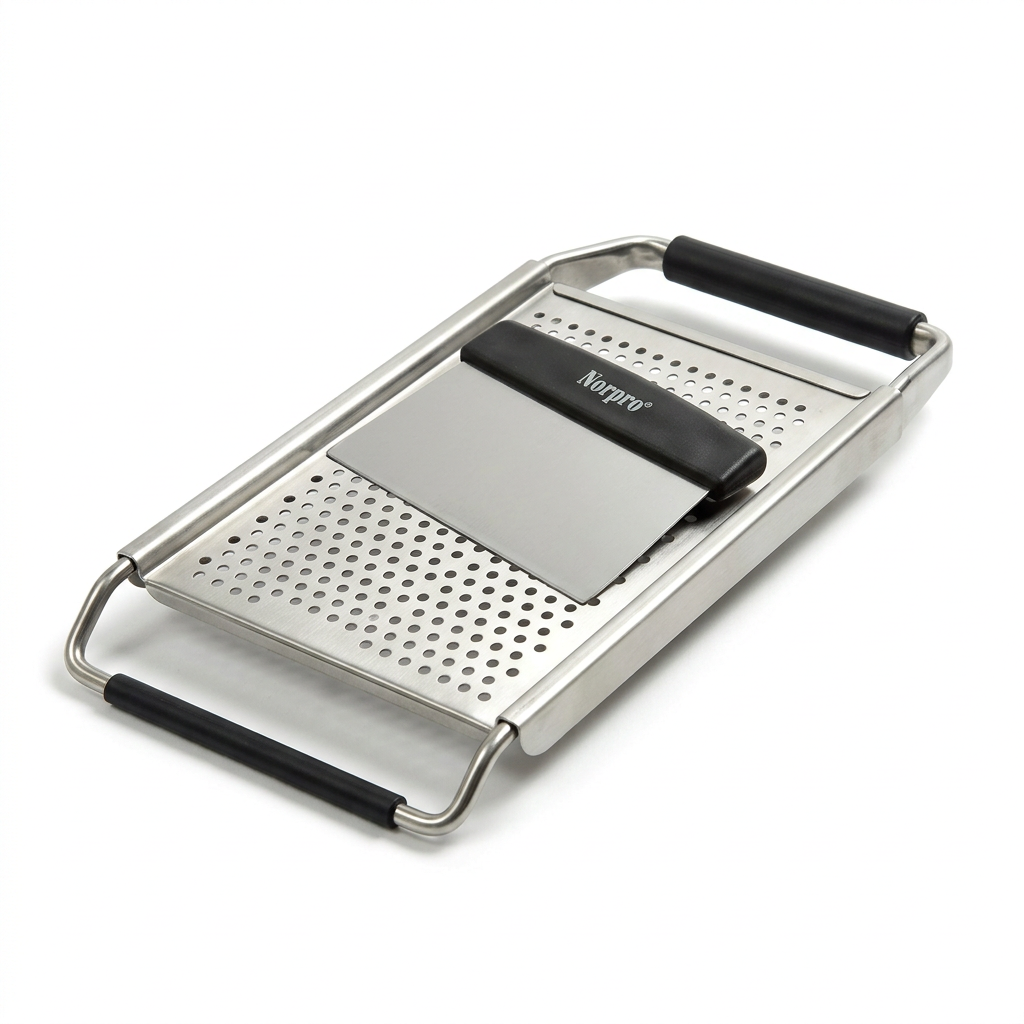
Creating pasta from scratch is a rewarding experience made easier with the right tools. Here’s what you'll need to get started:
The Work Surface
The Mixing Tools
Rolling and Cutting Tools
Storage Containers
Step-by-Step Pasta Dough Recipe
Now that we have covered the basics, let's get down to the core of pasta-making: crafting the perfect dough. Here is a straightforward recipe to follow.
Ingredients
The Method
"Kneading is not just about mixing; it is about developing the gluten structure essential for great pasta."
Shaping Your Pasta
Once you’ve achieved that perfect dough, the fun part begins: shaping! There’s a world of pasta shapes and forms to explore, and each type has its unique home in Italian cuisine.
Common Homemade Pasta Shapes
- Cutting Technique: Roll the dough thin and dust with flour before folding it several times. Cut into strips about 1/4 inch wide.
- Ideal Sauces: Pairs wonderfully with rich sauces like Bolognese or a simple butter and sage sauce.
- Filling: Prepare your filling in advance—this can range from ricotta and spinach to meat fillings.
- Assembly: Use a pasta cutter to create squares, fill with your choice, and seal the edges with a bit of water or egg wash.
- Technique: Similar to tagliatelle but typically rolled out a bit thicker.
- Perfect Pairings: Excellent with Alfredo or creamy mushroom sauces.
- Dimensions: Roll out a sheet about 1/8 inch thick, then cut into strips around 1 inch wide.
- Sauce Recommendations: Works beautifully with hearty meat sauces or ragù.
Cooking Your Pasta
When it comes time to cook your pasta, remember these essential tips for getting it just right:
Sauces to Pair with Your Homemade Pasta
Now that you’ve crafted your pasta, let’s explore some sauces that will elevate your dish to new heights.
Classic Marinara Sauce
#### Ingredients
#### Instructions
#### Tips
Creamy Alfredo Sauce
#### Ingredients
#### Instructions
Pesto Sauce
#### Ingredients
#### Instructions
"Great pasta is made in the dough and perfected in the sauce."
Storage and Preservation
If you've made a large batch of pasta, chances are you might not use it all in one sitting. Here's how to store your pasta properly.
Fresh Pasta Storage
Dried Pasta
If you’re making dried pasta, ensure it’s completely dried before storing. This can take anywhere from 24 hours to a few days, depending on humidity. Store the dried pasta in an airtight container at room temperature.
Conclusion
The art of making authentic Italian pasta from scratch is both an intimate and rewarding experience. As you have seen throughout this guide, the essence of pasta-making relies on understanding a few key components: ingredient selection, precise techniques, and creativity in flavor pairing. Each step involves details that matter—whether it be the type of flour you choose, the way you incorporate your ingredients, or the sauces that will accompany your freshly made noodles.
Embracing the process of rolling, shaping, and cooking pasta from scratch not only enhances your cooking repertoire but also connects you to centuries of culinary tradition. With a bit of practice and patience, you’ll not only be capable of creating a delicious meal, but you’ll also find yourself immersed in a craft that informs your passion for cooking.
So, the next time you find yourself in the kitchen, remember that making homemade pasta is about more than just food—it's about the joy of creating something beautiful and delicious, all while indulging in a time-honored tradition. Here’s to many joyful hours spent at your kitchen counter, crafting pasta that will surely make your taste buds sing!
Get the Next Recipe
Weekly recipes, techniques, and gear picks — straight to your inbox.
