The Complete Guide to Smoking Fish
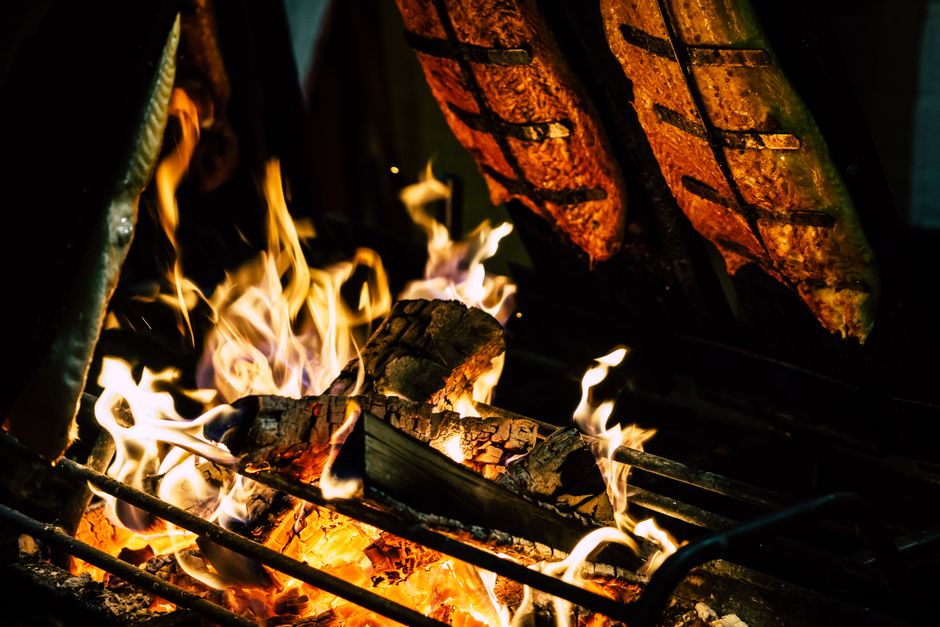
Smoking fish is a time-honored technique that not only preserves but also enhances the flavor of fresh seafood. The allure of the gentle, smoky aroma wafting through the air as fish cooks slowly over smoldering wood is hard to resist. Although it may seem daunting at first, smoking fish can be an enjoyable culinary adventure for home cooks looking to elevate their skills. With the right knowledge, preparation, and techniques, anyone can master the art of smoking fish and create delectable dishes that will impress family and friends.
At its core, smoking fish is about balancing flavors and utilizing the right fish to achieve the desired outcome. Different types of fish lend themselves to this method better than others, and the choice of wood for smoking makes a significant impact on flavor. This guide will take you through the ins and outs of smoking fish, including preparation methods, various types of fish suitable for smoking, and the different smoking techniques that can be employed in your own kitchen or outdoor setup.
Whether you are interested in hot smoking or cold smoking, this comprehensive guide will provide you with all the information you need. Along the way, we’ll delve into essential tips and tricks that can transform an ordinary piece of fish into a gourmet delight. From seasoning blends to marinades and brines, we’ll explore how each element plays a crucial role in the final product. Grab your apron, and let's dive deep into the world of smoking fish.
Understanding the Basics of Smoking Fish
Smoking fish involves exposing it to smoke from burning or smoldering materials, primarily wood, which adds complex flavors while preserving the fish. There are two main types of smoking: hot smoking and cold smoking. Understanding these two techniques is crucial to mastering the art of fish smoking.
Hot Smoking
Hot smoking occurs at temperatures ranging from 120°F to 180°F (49°C to 82°C), where the fish is cooked and flavored simultaneously. This technique is perfect for those who enjoy a tender, flaky texture. Fish smoked using this method can typically be served immediately and is often used in sandwiches, salads, and appetizers.
#### Ideal Fish for Hot Smoking
When it comes to hot smoking, oily fish is generally the best choice due to their rich flavor and fat content. Common options include:
These fish varieties not only absorb the smoke flavor beautifully but are also less likely to dry out during the cooking process.
Cold Smoking
In contrast, cold smoking is a process that occurs at temperatures below 90°F (32°C). This method preserves the raw texture of the fish while infusing it with a smoky essence. Cold-smoked fish often has a silky texture and is best used in recipes that highlight the fish's natural flavor.
#### Ideal Fish for Cold Smoking
While most fish can be cold smoked, here are some favorites:
The cold smoking process typically takes significantly longer than its hot counterpart and requires careful temperature control to avoid spoiling the fish.
Preparing Your Fish
Before diving into the smoking process, it's essential to properly prepare your fish. This involves selecting the right fish, brining, and seasoning to enhance the flavor and texture.
Selecting Fresh Fish
The freshness of the fish is paramount when smoking. Look for fish that has bright eyes, shiny skin, and a mild ocean scent. If purchasing whole fish, ensure that the gills are bright red, indicating freshness. The ideal fish for smoking should have a firm texture and should not leave a strong fishy smell.
#### Tips for Selecting Fish
Brining the Fish
Brining is a crucial step in preparing fish for smoking, as it helps infuse moisture and flavor while adding a beautiful texture. A basic brine solution can consist of water, salt, and sugar, with optional spices and herbs for added flavor.
#### Basic Brine Recipe
“Brining not only enhances flavor but also creates a barrier against moisture loss, ensuring the fish remains juicy during smoking.”
Rinsing and Drying
After the designated brine time, rinse the fish under cold water to remove excess salt. Pat the fish dry thoroughly with paper towels, as this step is crucial in developing a pellicle—a tacky layer on the fish's surface that helps the smoke adhere better during cooking.
Equipment and Tools for Smoking Fish
Having the right equipment makes the smoking process more efficient and enjoyable. Whether you're using a dedicated smoker, your grill, or a stovetop setup, be sure you have the necessary tools on hand.
Types of Smokers
Essential Tools
- Hickory
- Alder
- Applewood
- Cherry
Smoking Techniques
Now that your fish is prepped, it's time for smoking. Below, we’ll explore both hot and cold smoking methods in detail, providing essential tips for success.
Hot Smoking Technique
Hot smoking is typically faster than cold smoking and results in a cooked product. Follow these steps to achieve perfect hot-smoked fish:
“A gentle, steady smoke is the key to evenly cooked and richly flavored fish.”
Cold Smoking Technique
The following steps outline how to cold smoke fish while maintaining the fish's raw texture:
Enhancing Smoke Flavor
In addition to simply choosing different types of wood, you can play with----different herb and spice infusions to further enhance the flavor profile of your smoked fish. Some methods include:
Serving and Storing Smoked Fish
After you’ve successfully smoked your fish, how you serve and store it is equally important to ensure the best taste and longevity.
Serving Smoked Fish
There are countless ways to enjoy your smoked fish. Here are a few ideas:
“Serving smoked fish is not just a treat for the palate but a feast for the eyes. The vibrant colors and textures are sure to impress.”
Storing Smoked Fish
When it comes to preserving your smoked fish, it’s crucial to do so correctly. Smoked fish can typically be stored in the refrigerator or freezer.
Troubleshooting Common Issues
As with any cooking method, you may encounter some challenges while smoking fish. Here are a few common issues and their solutions.
Fish Drying Out
If your fish comes out too dry, consider the following tips:
Bitter or Unpleasant Smoke Flavor
If your smoked fish has an overpowering or bitter flavor:
Fish Sticking to Grate or Rack
Preventing fish from sticking can be challenging, but here are some strategies:
Final Thoughts
Smoking fish is more than just a culinary technique; it is an art that engages the senses and opens the door to creativity in the kitchen. Once you master the fundamentals of smoking, you’ll find yourself experimenting with different fish, woods, and flavors to create a signature style all your own. Whether you choose to hot smoke a rich salmon fillet or cold smoke delicate trout, the results can elevate your cooking and impress anyone who gets to savor your creations.
With this guide in hand, you’re ready to embark on your smoking journey, turning ordinary fish into extraordinary culinary masterpieces. Don’t be afraid to ask questions, think outside the box, and most importantly, enjoy the process and the delightful results of smoking your own fish.
Get the Next Recipe
Weekly recipes, techniques, and gear picks — straight to your inbox.
