The Complete Guide to Stocks and Broths
In the world of culinary arts, few things command as much respect as a well-crafted stock or broth. They serve as the foundational ingredients in countless dishes, transforming the mundane into the extraordinary. Stocks and broths not only add flavor and depth but also contribute to the overall nutrition of a meal, enriching it with vitamins, minerals, and collagen from simmered bones and vegetables. By mastering the art of making stocks and broths, home cooks can elevate their cooking while embracing the philosophy that every dish should begin with a beautiful base.
Understanding the differences between stocks and broths is essential for any aspiring chef. While they may appear similar, the techniques and ingredients used to create each can lead to significantly different results. Stocks tend to use bones—often roasted to enhance flavor—while broths are predominantly made with meat and vegetables. The difference in preparation time also plays a pivotal role, with stocks taking longer to develop their deep, complex flavors. This post will provide a comprehensive guide to stocks and broths, detailing the methods, ingredients, and tips to ensure your creations are nothing short of exceptional.
With this knowledge at your fingertips, you'll be well-equipped to enrich your culinary repertoire. Whether you're preparing a delicate sauce or a hearty soup, the discipline of creating your own stocks and broths can lead to endless culinary possibilities. So roll up your sleeves, gather your ingredients, and let’s dive into the world of stocks and broths!
Understanding Stocks and Broths
To begin, it’s critical to understand the foundational differences between stocks and broths. At their core, both are flavored liquids made by simmering ingredients in water, but the specific components and cooking times set them apart. Stocks are typically made from bones, which provide depth and richness to the final product. Broths, on the other hand, are often made with more meat and vegetables and have a lighter flavor profile.
Stocks: The Backbone of Flavor
When making stock, the primary ingredient is usually a combination of animal bones—such as chicken, beef, or fish. These bones release gelatin during cooking, which gives stock its signature body and richness. A well-made stock is crucial for sauces, soups, and stews as it enhances the flavors and adds a certain unctuousness to dishes.
Here is a general method for making a basic chicken stock:
- 4 pounds of chicken bones (necks, backs, wings)
- 2 medium onions, halved (unpeeled for added color)
- 2 carrots, roughly chopped
- 2 celery stalks, roughly chopped
- 10-12 cups of cold water
- 2-3 sprigs of fresh thyme
- 2-3 bay leaves
- 10 whole black peppercorns
- Roast the Bones: Preheat your oven to 400°F (200°C). Spread the bones on a baking sheet and roast for about 30-40 minutes or until a deep golden brown.
- Combine Ingredients: Place the roasted bones in a large stockpot and add the vegetables, herbs, and peppercorns.
- Cover with Water: Pour in enough cold water to cover the bones and vegetables by about an inch (2.5 cm).
- Simmer: Bring the mixture to a boil over high heat, then reduce to a simmer. Skim any foamy scum that rises to the surface. Allow the stock to simmer for a minimum of 4-6 hours (8-12 hours for beef stock, and 1-2 hours for fish stock).
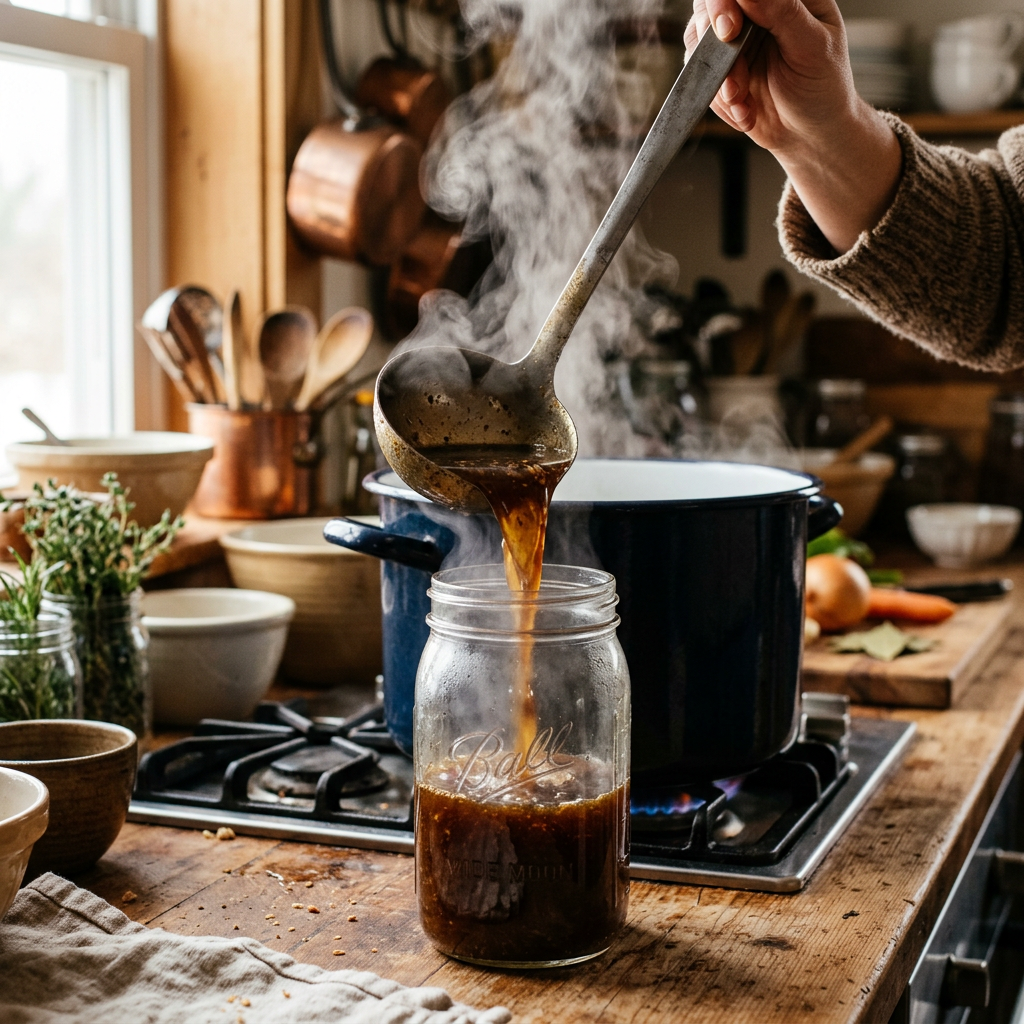
- Strain: Once the stock has achieved a rich flavor, strain it through a fine-mesh sieve. Let it cool before refrigerating or freezing for later use.
The longer you allow your stock to simmer, the more flavorful and nutrient-rich it will become. Professional chefs often recommend a minimum of 12 hours for beef or veal stock to extract all the goodness from the bones.
Broths: Light and Flavorful
In contrast to stocks, broths focus on meats and vegetables, resulting in a lighter, more delicate liquid. Broths are often ready more quickly than stocks, making them superb for soups or quick sauces. They incorporate a variety of ingredients to achieve a harmonious balance of flavor. Here’s a basic recipe for vegetable broth:
- 2 medium onions, quartered
- 4 carrots, sliced
- 4 celery stalks, chopped
- 1-2 cloves of garlic, smashed
- 1 cup of mushrooms (for umami flavor)
- 2-3 sprigs of fresh parsley
- 2-3 sprigs of fresh thyme
- 2 bay leaves
- 8-10 cups of cold water
- Salt to taste
- Combine Ingredients: In a large pot, combine all the vegetables, herbs, and water.
- Simmer: Bring to a boil, then reduce to a gentle simmer. Cook for about 30-45 minutes, skimming the surface occasionally.
- Strain: Once the vegetables have imparted their flavors, strain the broth through a fine-mesh sieve. Adjust seasoning with salt before using.
Broths typically lend themselves beautifully to lighter soups, risottos, or as a cooking liquid for grains.
Essential Techniques for Crafting Stocks and Broths
When creating stocks and broths, employing the right techniques can dramatically alter the outcome. Here are some essential techniques and tips that can elevate your stock and broth game.
Choosing the Right Ingredients
The choice of ingredients is paramount. Fresh, high-quality components will yield the best flavors and health benefits. Here are some factors to consider:
The Importance of Simmering
Simmering is the key technique in making both stocks and broths. It’s essential to avoid boiling, as boiling can create a cloudy liquid and result in an undesirable texture. Here’s how to achieve the perfect simmer:
Degreasing for Clarity and Flavor
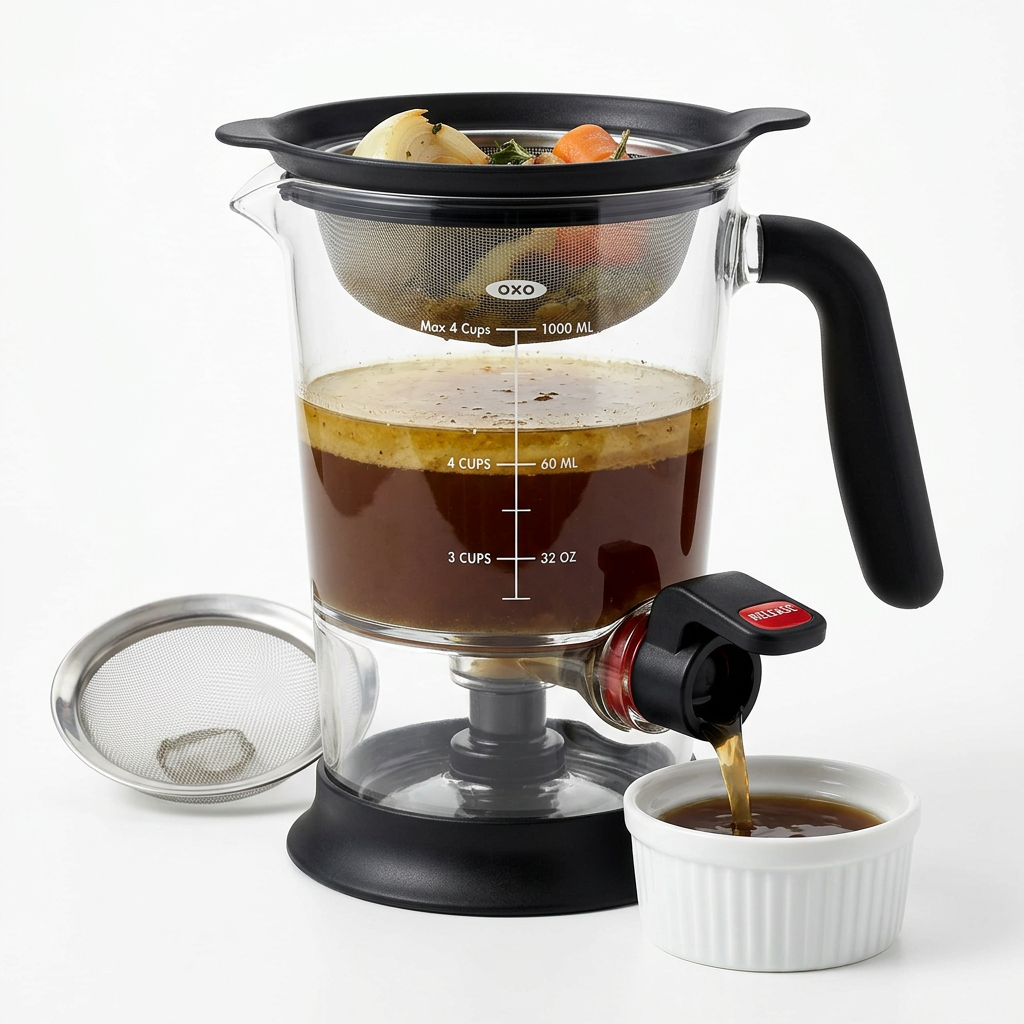
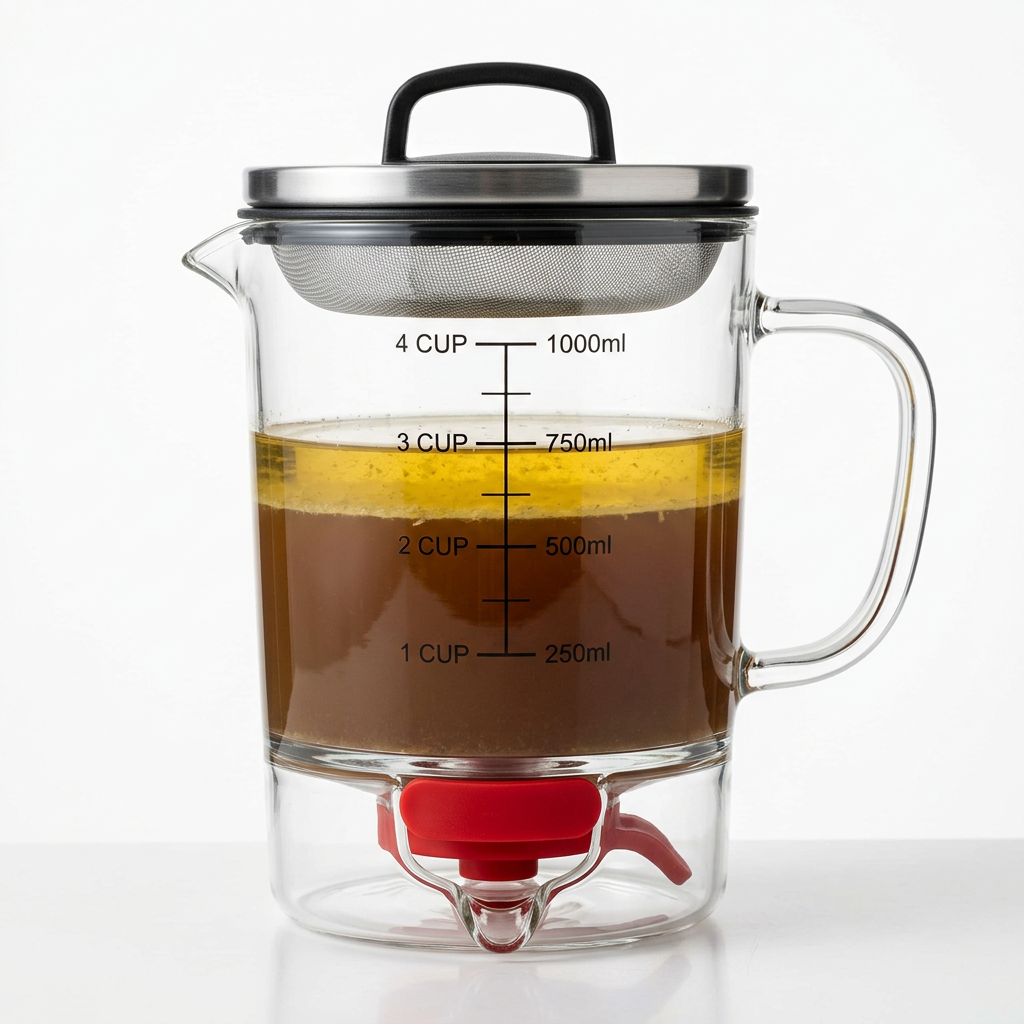
After simmering, you may notice a fatty layer forming on the surface of your stock or broth. This fat, though flavorful, can give your liquid an oily texture if not managed. Here’s how to effectively degrease your stock:
Storing and Using Stocks and Broths
After you've created your stock or broth, storing it properly is essential for maintaining quality and flavor.
“A well-stocked kitchen is the cornerstone of a confident cook.”
Exploring Varieties of Stocks and Broths
Stocks and broths are not one-size-fits-all; countless variations exist to accommodate diverse cuisines and dietary preferences. Let’s explore some of the notable types and their unique characteristics.
Chicken Stock
Chicken stock is perhaps the most commonly made stock. It’s versatile and can be used as a base for sauces, soups, and risottos. When making chicken stock, consider adding aromatics like ginger or lemongrass for an Asian twist, or even roasted chili peppers for a Southwestern flair.
Beef Stock
Beef stock is richer and is often used in hearty dishes like French onion soup and sturdy sauces. For added depth, consider incorporating red wine and additional mirepoix components like parsnips. To create a classic French demi-glace, reduce your beef stock to intensify its flavors.
Vegetable Broth
Vegetable broth is a great option for vegetarians and vegans. When preparing, try to layer flavors with different vegetables. Consider adding roasted tomatoes or a squeeze of lemon juice at the end to brighten the taste.
Fish Stock
Fish stock, or fumet, is quick to make and has a lighter flavor compared to meat stocks. It’s essential to use fresh fish bones and seafood, and to avoid overcooking, which can lead to a bitter taste. Aromatics like shallots, white wine, and herbs like dill can enhance the flavor profile significantly.
Bone Broth: The Health Trend
Recently, bone broth has gained popularity for its claimed health benefits. While it is a straightforward variation of stock with a focus on simmering bones for longer periods, many enthusiasts emphasize its potential advantages for gut health due to higher collagen content. To make bone broth, use a similar method to stock, but simmer for 24 hours or longer and add a touch of vinegar to extract more nutrients from the bones.
Creative Uses for Stocks and Broths
Stock and broth have broad applications in the kitchen, extending far beyond soups. Here are some creative ways to incorporate these flavorful liquids into your cooking.
Soups and Stews
Traditional usage remains undeniable. Use your stock as a base for hearty soups and stews, such as chicken noodle soup or beef barley stew. Incorporate seasonal vegetables to boost nutrition and flavor.
Risottos and Paellas
Stocks play a crucial role in making a perfect risotto. Instead of water, use a warm chicken or vegetable stock to add depth to the dish. Stir in the stock gradually, allowing the rice to absorb it. This technique creates a creamy texture without excess fat.
Sauces and Glazes
On the culinary side, stocks form the backbone of rich sauces. Use a concentrated stock for sauces like a sauce demi-glace or to deglaze your pan after searing meat, scraping up the caramelized bits for maximum flavor.
Cooking Grains
Substituting stock for water can completely transform your grain dishes. Cook quinoa, rice, or couscous in stock for enhanced flavor. A simple touch can elevate plain grains into a culinary delight.
“The difference between a good meal and a great meal often comes down to the base; stocks and broths make all the difference.”
Advanced Techniques for Stock and Broth Enthusiasts
For those who are looking to take their stock and broth-making skills to the next level, consider experimenting with some advanced techniques.
Pressure Cooking for Speed
If you’re short on time but desire homemade stock, a pressure cooker can accelerate the process significantly. A rich stock can be achieved in approximately 1-2 hours versus the traditional hours of simmering.
Clarifying Stocks for Consommé
A consommé is a delicate, clear soup made from a rich stock that has been purified. This process involves using an egg white and a mirepoix of vegetables to clarify the stock.
Infusing Additional Flavors
Don’t shy away from experimenting with various spices, herbs, and flavors during the cooking process. Try adding spices such as saffron, star anise, or even curry powder to create unique flavor profiles that align with global cuisines.
Conclusion
Navigating the world of stocks and broths can seem daunting at first, but mastering these foundational cooking techniques opens a wealth of possibilities in the kitchen. With the right ingredients, techniques, and a bit of patience, you will elevate everything from soups to sauces, making every dish genuinely delightful.
By taking the time to create your own stocks and broths, you're not just improving your cooking; you’re also embracing a sustainable approach to food preparation by utilizing scraps and minimizing waste. Plus, there’s a rewarding sense of accomplishment that comes from creating a flavorful base from scratch, from warming a kitchen with the aroma of bubbling stock to perfecting the taste with your personal touch.
So gather your bones and vegetables, simmer away, and allow your culinary creativity to flow through the beautiful world of stocks and broths. They are the unsung heroes of the kitchen, offering layers of flavor, nourishing qualities, and the potential to elevate simple meals into gourmet experiences. Happy cooking!
Get the Next Recipe
Weekly recipes, techniques, and gear picks — straight to your inbox.
