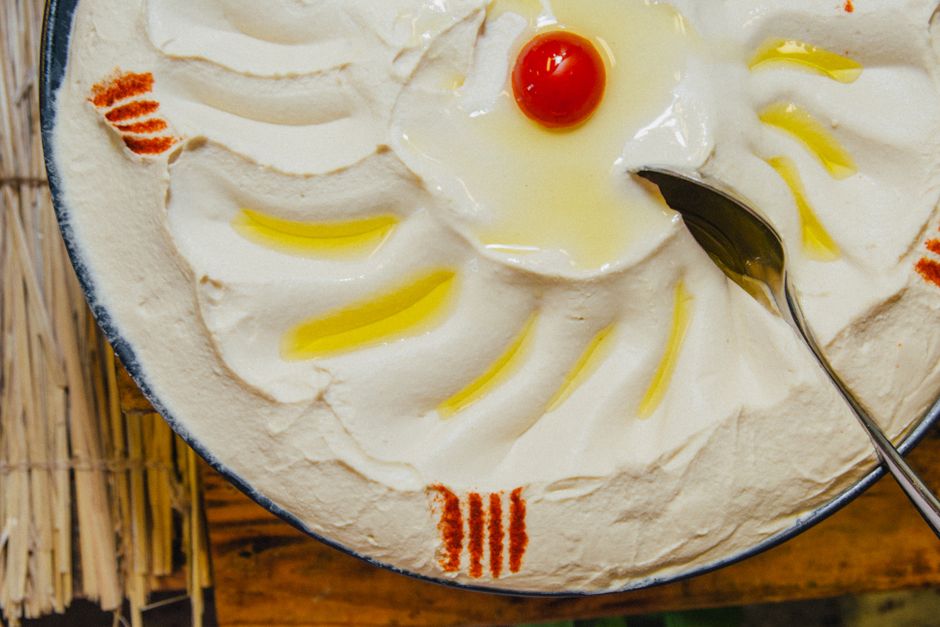
The Complete Guide to Tahini
Tahini, a luscious, creamy paste made from ground sesame seeds, has ancient origins that date back thousands of years. While it is often associated with Middle Eastern cuisine and dishes like hummus, tahini is more than just a ingredient; it is a culinary cornerstone that deserves a spotlight in every home cook's kitchen. Its rich, nutty flavor and smooth texture can elevate a dish from ordinary to extraordinary, making it an indispensable component in both savory and sweet recipes. As a versatile ingredient, tahini can be used in dressings, dips, desserts, and even as a base for sauces or marinades.
For those who may be unfamiliar with tahini, it is essential to understand the various ways it can be utilized and the impact it can have on your cooking. Many traditional recipes might call for tahini as an afterthought, but incorporating this ingredient thoughtfully can add depth and complexity to your meals. The flavor profile of tahini can range from mildly nutty to bold and slightly bitter, depending on how it is processed and roasted. Learning how to properly use and store tahini can significantly enhance your culinary repertoire.
In this comprehensive guide, we aim to explore everything you need to know about tahini—from its origins and types to its nutritional benefits, various uses, and even how to make it at home. Whether you're seeking ways to incorporate tahini into your diet or looking for innovative ways to utilize this unique ingredient, this guide will serve as a valuable resource. Understanding the nuances of tahini will empower you to elevate your dishes and impress your family and friends with your newfound culinary prowess.
Understanding Tahini: Origins and Types
A Brief History of Tahini
Tahini’s roots can be traced back to ancient civilizations in the Near East, particularly in regions that are now modern-day Turkey, Greece, and the Levant. The use of sesame seeds as a food source dates back over 3,500 years, and archaeological evidence suggests that tahini was used in various forms by early Mesopotamian cultures. It gained immense popularity throughout the Mediterranean and Middle Eastern regions, becoming a staple in many traditional recipes.
As global cuisine has evolved, so too has the appreciation for tahini. Today, it is recognized not only as a traditional condiment but also as a healthful ingredient that fits seamlessly into various modern cooking styles. With the rise of plant-based diets and health-conscious eating, tahini has surged in popularity due to its nutritional benefits and versatility.
Types of Tahini
When shopping for tahini, you may encounter different varieties, each with distinct characteristics and uses. Understanding these can help you choose the best type for your culinary creations:
Understanding these types allows you to experiment with different flavors and textures in your recipes, offering endless possibilities in the kitchen.
Nutritional Benefits of Tahini
A Nutrient Powerhouse
Tahini is not just a flavorful addition to your meals; it is also packed with essential nutrients. Just one tablespoon of tahini provides a wealth of health benefits. Here’s what makes tahini a remarkable ingredient:
- Calcium: Essential for bone health.
- Magnesium: Plays a role in muscle function and energy production.
- Iron: Vital for transporting oxygen in the body.
- Vitamin B1 (Thiamine): Important for neurotransmission and energy metabolism.
Incorporating Tahini into Your Diet
With such impressive nutritional benefits, it’s no wonder many are looking for ways to incorporate more tahini into their diets. Here are some easy and delicious methods to enjoy its goodness:
Beginning to incorporate tahini into your meals can increase flavor while enhancing your overall diet.
Cooking with Tahini: Tips and Tricks
Best Practices for Using Tahini
To maximize the flavor and versatility of tahini in your cooking, there are few techniques and tips to keep in mind. Here’s how to ensure you get the most out of this wonderful ingredient:
- Garlic and lemon for dips and dressings
- Honey or maple syrup for sweet treats
- Soy sauce or miso for Asian-inspired dishes
Essential Techniques Using Tahini
Aside from understanding how to use tahini effectively, mastering certain techniques will help you to elevate your dishes further:
#### Making Tahini Sauce
A classic tahini sauce adds layers of flavor to a variety of dishes. Here’s a simple recipe:
- 1/2 cup tahini
- 1/4 cup water (adjust based on desired consistency)
- 2 tablespoons freshly squeezed lemon juice
- 2 cloves garlic, minced
- Salt to taste
1. In a bowl, combine the tahini, water, lemon juice, garlic, and a pinch of salt.
2. Whisk until the mixture is smooth and creamy. If it’s too thick, gradually add more water until you reach your desired consistency.
3. Taste and adjust seasoning as necessary.
4. Store leftovers in an airtight container in the refrigerator for up to a week.
This tahini sauce can be drizzled over roasted vegetables, salads, or even grilled meats, offering a creamy, nutty flavor boost.
#### Tahini in Baking
Integrating tahini into your baking can result in wonderfully moist and flavorful goods. Consider this tahini cookie recipe:
- 1 cup tahini
- 3/4 cup brown sugar
- 1/4 cup granulated sugar
- 2 teaspoons vanilla extract
- 1/2 teaspoon baking soda
- 1/4 teaspoon salt
- 1 cup dark chocolate chips (optional)
1. Preheat your oven to 350°F (175°C).
2. In a mixing bowl, combine tahini, brown sugar, granulated sugar, vanilla, baking soda, and salt. Mix until well combined.
3. Fold in chocolate chips if using.
4. Drop spoonfuls of dough onto a parchment-lined baking sheet and flatten slightly.
5. Bake for 10-12 minutes until the edges are golden.
6. Let them cool for a few minutes on the sheet before transferring to a wire rack to cool completely.
These cookies feature a chewy texture with a rich, nutty flavor that distinguishes them from traditional recipes.
Culinary Applications of Tahini
Tahini in Middle Eastern Cuisine
Tahini is a cornerstone in Middle Eastern cooking, where its uses are deeply intertwined with the region's culinary traditions. It is often featured in classic dishes like hummus, baba ghanoush, and tahini sauce, each highlighting its unique flavor.
#### Hummus
Hummus is perhaps the most famous dish that utilizes tahini. Here’s how you can make a simple, authentic hummus that showcases tahini’s brilliance:
- 1 can (15 oz) chickpeas, drained and rinsed
- 1/4 cup tahini
- 2 tablespoons lemon juice
- 2 cloves garlic, minced
- 2 tablespoons olive oil
- 1/2 teaspoon ground cumin
- Salt to taste
- Water, as needed for consistency
1. In a food processor, combine chickpeas, tahini, lemon juice, garlic, olive oil, cumin, and salt.
2. Pulse until smooth, adding water gradually until you reach your desired consistency.
3. Taste and adjust seasoning as needed.
4. Serve drizzled with olive oil and a sprinkle of paprika.
#### Baba Ghanoush
Another popular dish that showcases tahini is baba ghanoush, a smoky eggplant dip. By incorporating tahini, the dip gains a luscious creaminess that complements the charred eggplant.
Tahini in Global Cuisine
As culinary practices have diversified, the use of tahini has expanded beyond Middle Eastern recipes. You can now find it in various cuisines around the world, each offering unique interpretations and pairings.
#### Mediterranean Flavors
In Mediterranean cuisine, tahini is often used in sauces that accompany grilled meats and seafood dishes. Consider pairing it with roasted chicken or lamb; a tahini-based dressing can add richness to salads featuring fresh greens or roasted vegetables.
#### Asian Cuisine
In Asian cooking, tahini can step in for peanut butter or as an alternative to soy sauce in dressings and marinades. Combining tahini with soy sauce and ginger can create a flavorful glaze for grilled tofu or vegetables.
#### North American Classics
In recent years, tahini has made its way into myriad North American recipes, from salad dressings to baked goods. Home cooks are embracing it as a substitute for butter or oil in brownies, cookies, and even smoothies.
Conclusion
In summary, tahini is a versatile, rich, and wonderfully nutritious ingredient that deserves a place in every kitchen. From its ancient roots to its contemporary applications, it stands out as a bold flavor enhancer and a healthful food choice. By understanding its origins, nutritional benefits, and diverse culinary applications, you can confidently integrate tahini into your cooking.
As you experiment with different tahini varieties and recipes, don’t be afraid to get creative and try new combinations. Remember to balance flavors, use it in both sweet and savory contexts, and most importantly, enjoy the process of cooking with this exceptional ingredient. Whether you're crafting a traditional Middle Eastern dish or innovating with modern recipes, tahini is sure to elevate your cooking to new heights.
So, the next time you reach for tahini, take a moment to appreciate its rich history and the incredible depth it adds to your meals. With this complete guide to tahini at your fingertips, you are now equipped to unleash its full potential in your culinary endeavors. Explore, taste, and enjoy the journey with tahini as your trusted companion in the kitchen.


Get the Next Recipe
Weekly recipes, techniques, and gear picks — straight to your inbox.
