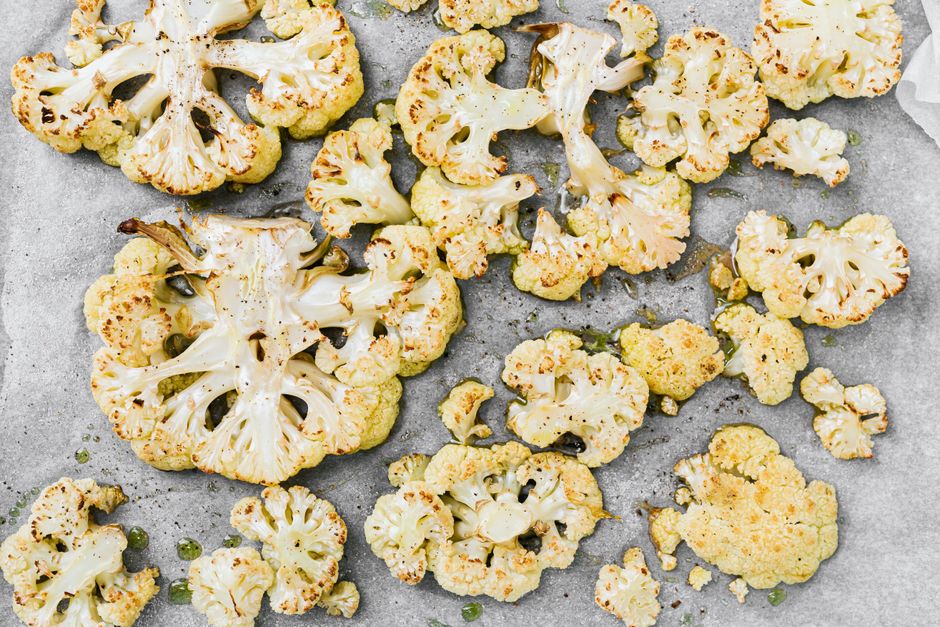
The Complete Guide to Vegetable Roasting
Roasting vegetables is one of the most transformative cooking techniques that can turn humble ingredients into culinary masterpieces. When vegetables are roasted, their natural sugars caramelize, intensifying their flavor and enhancing their texture, which results in a delicious dish. While the method may seem straightforward, mastering the art of roasting can elevate your cooking to new heights, allowing you to create vibrant sides, main dishes, and even salads that burst with flavor. Whether you aim to impress guests at a dinner party, create a comforting family meal, or just make a quick weeknight dinner, the roasting technique offers endless possibilities.
For many home cooks, the thought of roasting might bring to mind simple sheet pan meals, often done as an afterthought. However, there is a rich tapestry of techniques and flavors to explore within this cooking method. From understanding the nuances of proper temperature settings to selecting the right vegetables that complement one another beautifully, getting the most out of your roasted veggies requires not just the right ingredients but also a bit of finesse. In this guide, we’ll dive deep into the realm of roasting vegetables, demystifying the process and empowering you with knowledge to make every dish an aromatic delight.
At its core, roasting is about harnessing dry heat to cook food evenly. The joy of roasting lies in the transformation that occurs within the vegetables, turning them from crisp and raw into caramelized and tender. With its appealing flavor profile and aesthetically pleasing presentation, roasting can be utilized for a variety of seasonal vegetables, making it an incredibly versatile technique. Throughout this guide, we will unveil various tips, techniques, and mouth-watering recipes that inspire you to get creative while roasting vegetables.
The Science Behind Roasting
Understanding the science behind roasting is essential for perfecting the technique. When you roast vegetables, you engage in a chemical reaction called Maillard reaction, which occurs when sugars and proteins in the food react to heat. This process not only caramelizes sugars but also creates new flavors and a golden-brown color that is visually appealing. Additionally, the dry heat of the oven helps to evaporate moisture from the vegetables, concentrating their flavors.
Choosing the Right Vegetables
Not every vegetable roasts the same way. Some require more time, while others need less. Root vegetables, like carrots and potatoes, can withstand longer cooking times, while delicate options like asparagus and bell peppers tend to roast faster.
- Root Vegetables: Carrots, potatoes, sweet potatoes, beets, and parsnips.
- Cruciferous Vegetables: Broccoli, cauliflower, and Brussels sprouts.
- Nightshades: Eggplant, bell peppers, and tomatoes.
- Squash: Butternut, zucchini, and acorn squash.
Tip: Group vegetables with similar roasting times together on the same sheet pan or cook them separately to ensure perfect doneness.
The Role of Temperature
The temperature at which you roast your vegetables significantly affects the final product. A higher temperature (around 425°F to 450°F) promotes caramelization, while a lower temperature (about 350°F) can create a softer texture.
Overall, understanding the ideal temperature and timing is crucial for different types of vegetables.
"Roasting is about finding that sweet spot between temperature and time, ensuring that the vegetables are tender within while maintaining a lovely char on the outside."
Preparing Your Vegetables
Proper preparation is the foundation of excellent roasting. How you cut your vegetables can significantly impact their roasting time and texture. For instance, larger cuts may require more time and lead to a tender center, while smaller cuts roast quickly and can become crispy.
Cutting Techniques
Chef’s Tip: Exploit the natural shapes of vegetables. For example, cutting bell peppers into large strips rather than small squares can enhance the roasting process and allow for better caramelization.
Seasoning Your Vegetables
Seasoning is just as crucial as preparation and can transform your roasted vegetables from ordinary to extraordinary. Here are some guidelines to follow:
Basic Seasoning Ratio:
Marinating Vegetables
While simply oiling and salting is a great start, marinating vegetables beforehand can infuse them with flavor. A simple marinade can include olive oil, vinegar or citrus juice, and your choice of herbs and spices.
The result is an extra layer of flavor that pairs wonderfully with the caramelization achieved through roasting.
Roasting Techniques
Mastering the technique of roasting involves understanding your oven and applying different methods to get the desired results.
Sheet Pan Roasting
This is the most common method for roasting vegetables. Simply toss your prepared vegetables with oil and seasoning on a large baking sheet.
Tip: Line your baking sheet with parchment paper for easier cleanup and to prevent sticking.
Cast Iron Skillet Roasting
Using a cast iron skillet creates an environment that can hold and distribute heat beautifully. This method provides an excellent caramelization with a unique flavor.
Pro Tip: The skillet retains heat well, so reduce your cooking time slightly compared to sheet pan roasting.
Grilling Vegetables
Grilling vegetables can produce a lovely smoky flavor and appealing grill marks. Vegetables like zucchini, bell peppers, and corn are particularly suited for this technique.
Tip: Use skewers for smaller vegetables or cut large veggies into larger pieces to prevent them from falling through the grates.
Recipe Ideas for Roasted Vegetables
Now that you understand the techniques and tips for roasting vegetables, it's time to put your knowledge into practice. Here are some inspiring recipes that showcase the amazing results of roasted vegetables.
Classic Roasted Root Vegetables
This recipe is a comforting and easy way to enjoy the natural sweetness of root vegetables.
Ingredients:
Instructions:
"The natural sweetness of root vegetables shines through when roasted at a high temperature, creating a delightful caramelized crust."
Mediterranean Roasted Vegetable Medley
This vibrant medley brings together the best flavors of the Mediterranean, perfect for a summery side dish or a hearty salad base.
Ingredients:
Instructions:
Roasted Garlic and Herb Cauliflower
Cauliflower is incredibly versatile and absorbs flavors beautifully. This is a simple, yet impressive dish that pairs well with almost any main course.
Ingredients:
Instructions:
Troubleshooting Common Roasting Problems
Despite the straightforward nature of roasting, you may encounter a few common issues. Here are some solutions that can help you achieve perfect roasted vegetables every time.
Underwhelming Flavor
If your roasted vegetables taste bland, first check your seasoning. Under-seasoning or using low-quality oil can lead to dull flavors.
Ways to Enhance Flavor:
Soggy Vegetables
Soggy veggies often result from overcrowding the pan or using too much oil. Excess moisture will steam vegetables instead of roasting them.
Solutions:
Uneven Cooking
Uneven cooking might stem from inconsistently sized vegetable pieces or insufficient preheating of the oven.
Tips for Even Cooking:
Creative Uses for Roasted Vegetables
Once you have perfected your roasting skills, consider how you can use roasted vegetables creatively in your cooking. Their versatility extends beyond mere side dishes. Think outside the box!
Incorporate Into Salads
Roasted vegetables can add depth and warmth to salads. Combine them with fresh greens, nuts, and cheese for a hearty meal.
Add to Pasta
Diced roasted vegetables can be tossed with pasta for an easy, flavorful dish. A drizzle of olive oil and a sprinkle of cheese can elevate the flavors.
Puree into Soups
Roasted vegetables can form the base of delicious soups. Simply blend them with vegetable broth and seasonings for a quick and creamy soup.
Conclusion
Roasting vegetables is a skill that will serve you well in your culinary journey. The technique enhances flavors, transforms textures, and opens the door to innumerable dish possibilities, from seasonal celebrations to what can seem like mundane weeknight dinners. By understanding the science behind roasting, employing the right techniques, and experimenting with creative flavor combinations, you can create mouthwatering dishes that will delight your family and guests.
The beauty of roasted vegetables lies not just in their taste and texture, but in their versatility. They can adapt to various cuisines and fit nearly any dietary restrictions. From elegant dinner parties to simple weeknight meals, roasted vegetables can enhance any table. As you delve deeper into the world of roasting, remember to embrace creativity and explore the endless pairings and techniques available. With practice and experimentation, you’ll become a pro at this essential culinary skill, reaping the rewards of vibrant, earthy dishes that are simply irresistible. Happy roasting!
Word Count: 2,186



Get the Next Recipe
Weekly recipes, techniques, and gear picks — straight to your inbox.
