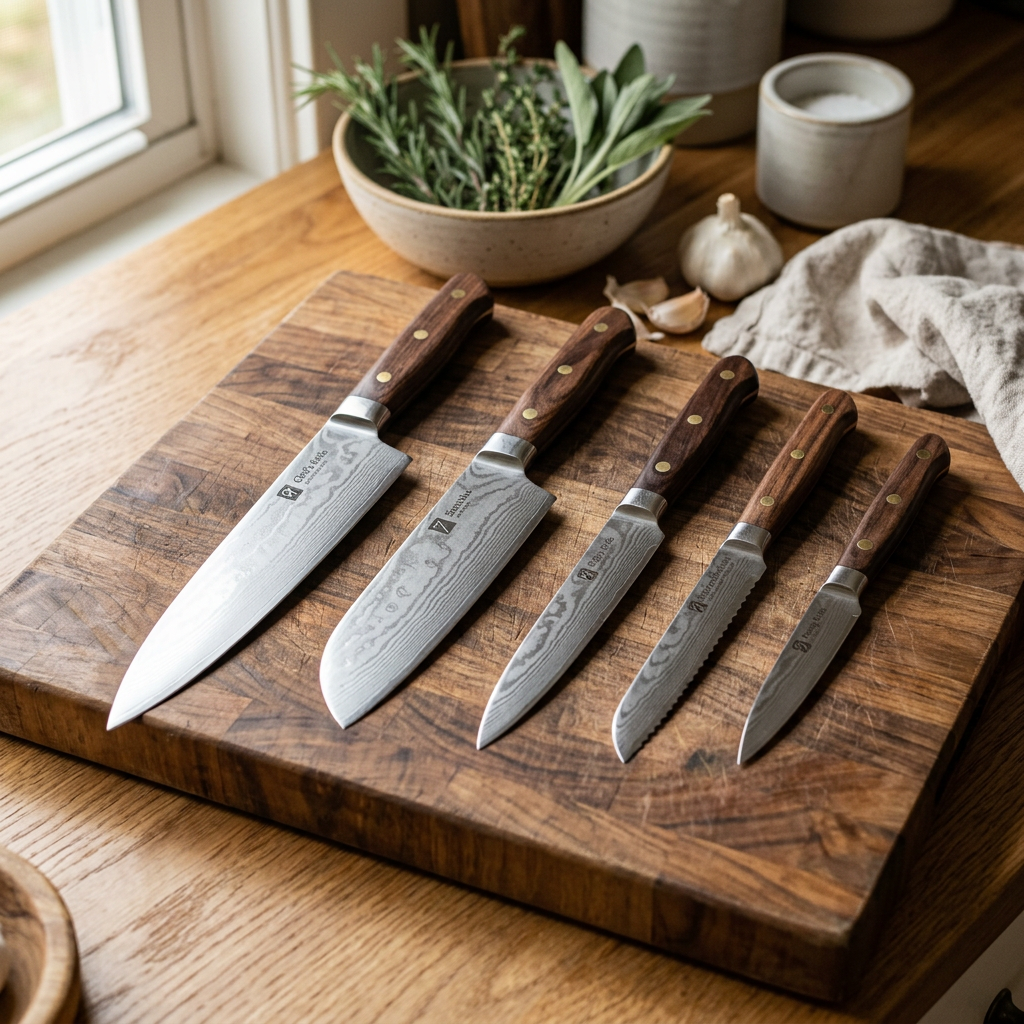
The Essential Guide to Kitchen Knives
The kitchen is often considered the heart of the home, and at the center of this bustling space lies the kitchen knife—a vital tool for chefs and home cooks alike. Understanding the various types of knives and how to use them effectively can dramatically change your cooking experience. This guide aims to demystify kitchen knives, offering insights into what makes each knife unique, essential tips for maintenance, and techniques for cutting, slicing, and dicing like a pro. Whether you’re preparing a simple weeknight dinner or a lavish holiday feast, the right knife can elevate your culinary creations.
Different knives serve different purposes in the kitchen, each designed with specific tasks in mind. A chef’s knife can handle most tasks, from chopping vegetables to slicing meat, while other specialized knives, such as paring knives and serrated knives, offer distinct advantages for certain techniques. By fully grasping the uses and nuances of each knife, you can enhance your efficiency and confidence in the kitchen, making food preparation less daunting and more enjoyable.
The investment in quality knives can seem intimidating, but it is essential to remember that more than just an expense, they are a long-term companion in your culinary journey. A well-chosen knife aligns with your cooking style, ensuring you not only have the right tools but also the necessary comfort and control when crafting different dishes. Whether you have a tight budget or are looking to splurge on premium Japanese knives, curating a collection that suits you will set the stage for a more fulfilling cooking experience.
Types of Kitchen Knives
Understanding the various types of kitchen knives is crucial for optimizing kitchen performance. Let’s explore the most common knives you will encounter, breaking down their unique features and uses.
Chef’s Knife
The chef’s knife is often referred to as the workhorse of the kitchen. Typically ranging from 6 to 12 inches in length, its broad and tapered blade allows for a variety of tasks, including chopping, slicing, and dicing. A well-balanced knife feels comfortable in hand and offers precision with every cut.
When selecting a chef's knife, consider the following:
Mastering the basic grip and technique of using a chef's knife will enable you to slice through vegetables, herbs, and proteins effortlessly. Practice the rocking motion to create a smooth rhythm, ensuring the tip of the knife remains anchored while the heel does the work.
Paring Knife
Next in line is the paring knife, a smaller knife typically measuring 3 to 5 inches. Ideal for intricate tasks such as peeling fruits, deveining shrimp, or creating garnishes, the paring knife offers precision like no other.
When using a paring knife, try these techniques:
Paring knives can also excel in performing tasks traditionally reserved for larger knives, such as segmenting citrus fruits or removing the seeds from bell peppers.
Serrated Knife
The serrated knife is easily recognizable with its saw-like edge, making it perfect for cutting through crusty bread and delicate items such as tomatoes. The serrations grip the surface and create minimal tear, allowing for clean slices without squishing the interior.
Here are some tips for cutting with a serrated knife:
A quality serrated knife is a kitchen essential, as it can also double for tasks like slicing cakes without damaging delicate layers.
Boning Knife
For more specialized tasks, the boning knife is designed to deftly separate meat from bone. Its slightly flexible blade, measuring around 5 to 7 inches, allows for precise cuts around bones and joints.
When using a boning knife, follow these guidelines:
Perfecting the use of a boning knife can elevate your meat preparation skills significantly, whether you are tackling a whole chicken or filleting a fish.
Utility Knife
The utility knife fills the gap between a chef’s knife and a paring knife, typically measuring between 4 to 7 inches. It is versatile and can handle everything from slicing cheese to cutting sandwiches.
This knife is especially handy for:
The utility knife is not strictly essential, but it can be a real asset to those who frequently prepare a variety of foods.
Knife Construction and Materials
Understanding knife construction is critical for choosing the right knives, ensuring quality, durability, and performance. In this section, we’ll take a closer look at the materials, construction types, and their impact on usability.
Blade Material
The blade material significantly influences a knife’s performance and durability. Here are the most common types:
Construction Types
Knife construction varies and offers different performance characteristics:
In general, forged knives are favored by professional chefs due to their robustness and performance, whereas stamped knives are an attractive option for home chefs seeking a lighter and more economic choice.
Handle Materials
The knife handle contributes significantly to comfort and control during use. Common materials include:
When selecting the right knife, don't overlook the handle—comfort and ergonomics are critical, especially when working on extensive prep tasks.
Caring for Your Knives
Caring for your kitchen knives is essential for maintaining their performance and longevity. From cleaning to sharpening, implementing a regular care routine will ensure your knives remain in top shape.
Cleaning
To keep your knives clean:
When storing your knives, consider using:
Sharpening Techniques
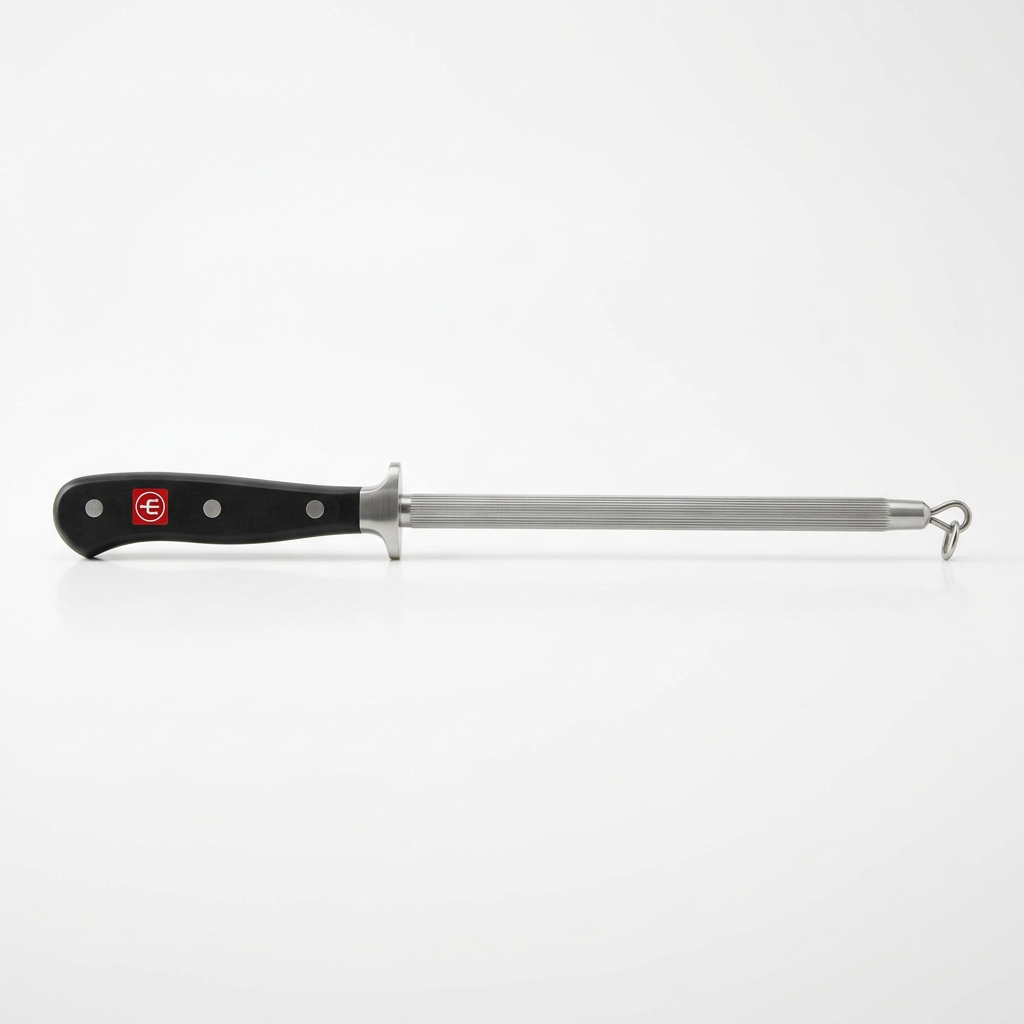
Keeping your blades sharp is crucial. A dull knife can be more dangerous than a sharp one, requiring more force to cut and increasing the chances of slipping. Here are essential sharpening methods:
- Soak the stone in water for about 10-15 minutes.
- Place the knife at a 20-degree angle and push it across the stone from base to tip, alternating sides.
- Do this for about 10 strokes on each side.
- These are user-friendly and convenient. Insert the blade and pull through the sharpener to hone the edge.
- Use with caution to avoid over-sharpening.
- Fast and easy, electric sharpeners offer quick honing but can sometimes be harsher on the blade.
Maintenance Tips
Here are some additional maintenance tips to ensure your knives last a lifetime:
“The best knife is the one you care for the most. Clean it, sharpen it, and it will serve you well for years.”
Specialty Knives
Beyond the basic essential knives, there exists a plethora of specialty knives designed for specific tasks. Each knife comes with unique features, enhancing functionality for particular purposes.
Santoku Knife
Originating from Japan, the Santoku knife is a versatile option with a shorter, wider blade ideal for slicing, dicing, and chopping. The knife is typically around 5 to 7 inches long and features a curved blade designed for a subtle rocking motion.
“A Santoku knife is perfect for a variety of kitchen tasks; it’s a great all-rounder for the modern cook.”
Cleaver
The cleaver, or butcher knife, is characterized by its hefty weight and wide blade. It’s primarily used for chopping through bones, but is also effective in smashing garlic cloves or scooping chopped ingredients.
Nakiri Knife
Another gem from Japan, the Nakiri knife features a straight edge, allowing for precise vegetable slicing. Its flat profile provides maximum contact with the cutting board, making it perfect for achieving thin, even cuts of vegetables.
Fish Knife
Designed for filleting fish, the fish knife often incorporates a flexible edge that allows the user to navigate around bones effectively. Understanding how to use this knife can significantly enhance your fish preparation skills.
Specialty Paring Knives
While the standard paring knife is suitable for most tasks, consider investing in various specialty paring knives for yogurt peeling, twisting, or more elaborate cuts, expanding your culinary skills further.
Conclusion
Indeed, the kitchen knife is a fundamental tool that elevates your cooking skills and experience. Understanding your knives' functions, from the versatile chef's knife to the delicate paring knife, empowers home cooks to progress in their culinary journeys confidently. Emphasizing care through cleaning, sharpening, and proper use will prolong the life of your knives and enhance their effectiveness in daily cooking.
As you embark on your culinary adventures, remember that the right tools paired with proper technique can create a world of difference. Invest time in learning how to wield each knife effectively, and you may find yourself enjoying cooking more than ever. A well-chosen knife and good technique truly contribute to a kitchen that brings joy and creativity, and before long, you'll be the chef others will blame for delectable dishes!
At the end of the day, the art of cooking, much like that of knife skills, requires patience, practice, and a willingness to experiment. So go forth, armed with your newfound knowledge about kitchen knives, and transform your culinary tasks from mundane to extraordinary.
Get the Next Recipe
Weekly recipes, techniques, and gear picks — straight to your inbox.
