The Essential Guide to Mastering the Art of Flavor Balancing: Techniques for Harmonizing Sweet, Sour, Salty, and Bitter in Your Cooking
Techniques

The Essential Guide to Mastering the Art of Flavor Balancing: Techniques for Harmonizing Sweet, Sour, Salty, and Bitter in Your Cooking

C
By The Chef
|June 16, 2026|13 Min Read

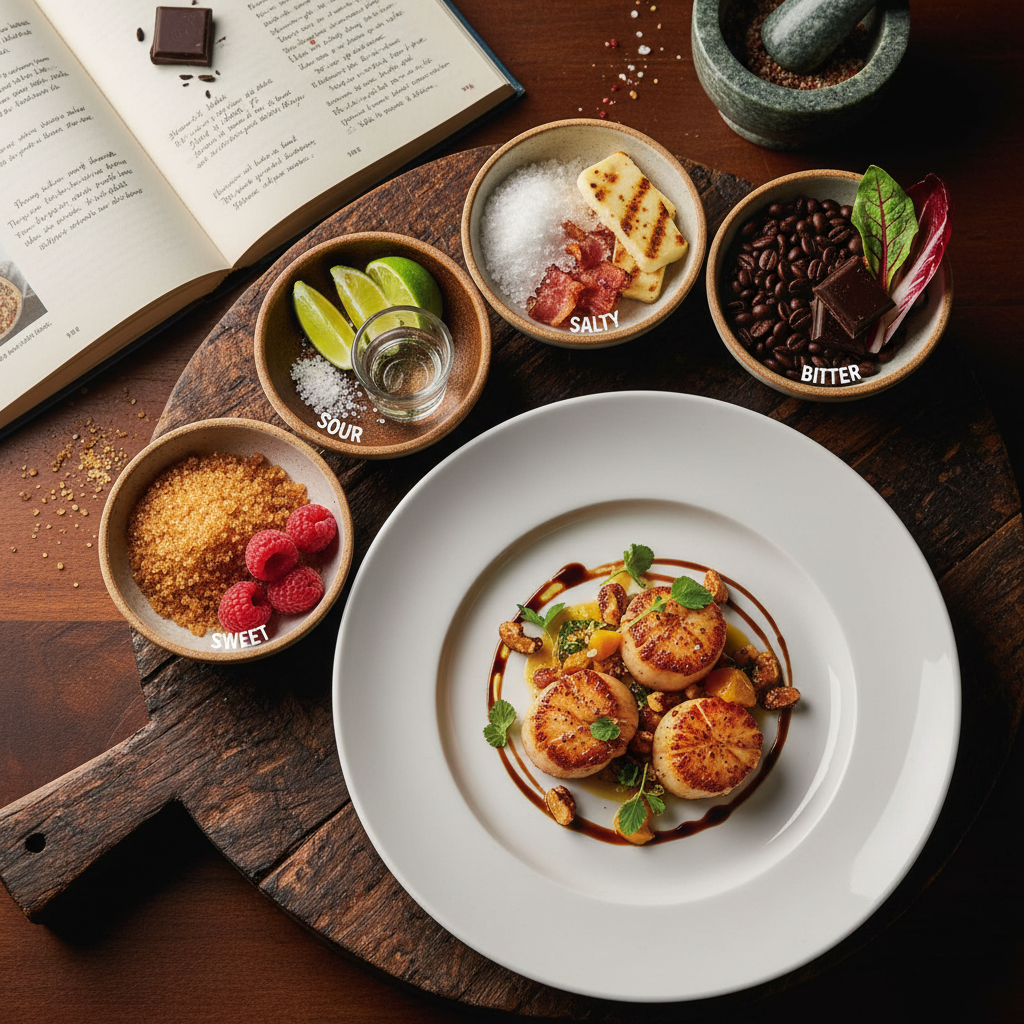
Cooking is an intricate dance, one where every ingredient plays a vital role in creating dishes that not only nourish but also delight the senses. Understanding the core principles of flavor balancing is essential for every aspiring chef, home cook, or food lover. It’s the difference between a meal that pleases the palate and one that captivates the entire dining experience. Successfully harmonizing the four fundamental flavors—sweet, sour, salty, and bitter—is the key to crafting mouthwatering dishes that resonate with everyone around the table.

When we speak about flavor balancing, we're referring to the art of adjusting these fundamental tastes to achieve a cohesive and satisfying dish. Unbalanced flavors can create confusion on the palate. Too much sweetness can overwhelm, while excessive bitterness might lead to distaste. Understanding how to measure and mix these flavors can elevate your cooking from mere meal preparation to a true culinary creation. Through practice and experimentation, mastering flavor balance is a skill that anyone can acquire, leading to more enjoyable dishes prepared at home.

This guide aims to equip you with various techniques, tips, and insights into harmonizing your cooking's sweet, sour, salty, and bitter elements. With careful attention and a detailed approach, you will learn not only how to identify these flavors but also how to manipulate them to achieve that perfect balance. You'll discover how to use common ingredients effectively and will gain valuable insights into the role each flavor plays in your culinary endeavors. Let's immerse ourselves in this savory world of flavors!

Understanding the Fundamental Flavors

At the heart of every culinary creation lies the essential flavors that define the very essence of our dishes. Understanding these fundamental components goes beyond mere knowledge; it requires an exploration of how they interact, complement, and sometimes counterbalance each other.

The Four Primary Flavors

Sweetness is one of the most recognized flavors, often associated with ingredients like sugar, honey, and certain fruits. This flavor can evoke feelings of comfort and pleasure, often found in desserts, but its role in savory dishes should not be overlooked. For instance, adding a sprinkle of sugar can enhance the flavor of tomatoes in a sauce, balancing the acidity beautifully.

Sourness, on the other hand, is a sharper flavor that can brighten a dish and provide tanginess. Ingredients such as citrus fruits, vinegar, and fermented products introduce this vital component. A squeeze of lemon juice not only adds flavor but can elevate the overall dish by cutting through fat and enhancing freshness.

Saltiness is a critical counterpoint to both sweetness and bitterness, heightening the sensory experience. Salt acts as a flavor enhancer, bringing forth the inherent flavors of ingredients. It's crucial to add the right amount of salt during cooking, which varies based on the dish and cooking method. A seasoned chef knows that finishing a dish with a pinch of flaky sea salt can elevate even the simplest salad.

Lastly, bitterness is often misunderstood and underappreciated, despite its significant role in flavor balancing. Ingredients such as dark leafy greens, coffee, and certain spices impart this flavor. Used strategically, bitterness can lend complexity and depth to dishes, rounding out the palate.

In learning to harness these flavors, cooks can transform their cooking into an art form, where each dish tells a story through its intricate balance and harmony.

Techniques for Flavor Balancing

Mastering the art of flavor balancing involves various techniques that every home chef should practice. Through experimentation with different proportions and combinations of flavors, one can discover their preferences and develop a signature style.

Taste as You Cook

One of the fundamental philosophies in cooking is to taste as you cook. This approach helps you understand how flavors evolve throughout the cooking process. Keep a spoon handy, and don’t hesitate to dip it into the pot or pan. Here's how to effectively implement this technique:

1.Initial Flavor Check: Before adding any seasoning or additional ingredients, taste the base of your dish. This is essential for understanding where you need to adjust.
2.Incremental Additions: When adding flavors, do so incrementally. For instance, if you're adding sugar to counter acidity in a sauce, start with a teaspoon, mix well, and taste before adding more.
3.Adjusting as You Go: As the dish simmers and develops flavors, regularly taste it again to ensure the balance remains intact. Adjust and adapt as needed based on what your palate indicates.
4.Final Seasoning: Once your dish is plated, don’t forget the last touch of seasoning. A sprinkle of salt or a dash of vinegar can make all the difference.

"The beauty of cooking is that it invites personal interpretation; no dish should be without the touch of its creator."

Ratios and Proportions

While cooking is both an art and a science, understanding ratios and proportions among flavors is crucial for achieving balanced dishes. Here’s a guideline to help you get started:

●Sweet vs. Sour: When balancing sweetness with sourness, a typical starting ratio could be 3:1. Begin with three parts sweetness (sugar or honey) to one part acidity (vinegar or lemon juice) and adjust from there.
●Salt to Sweet: For every tablespoon of sugar in a dish, remember to consider at least a generous pinch of salt to enhance the sweetness.
●Bitterness Adjustment: Often, bitterness can be tamed with a sweet counterbalance. For example, a dash of honey pairs well with bitter kale in salads.

Ingredient Pairing

Another effective technique for flavor balancing is understanding ingredient pairings. This knowledge transforms your cooking into a toolkit, where you can select specific elements known to work well together.

●Citrus and Greens: The bright acidity of citrus complements the bitter notes of dark leafy greens, enhancing their flavors.
●Sweet and Spicy: Using sweetness to counteract heat is a classic technique. For instance, adding honey or sugar to a spicy barbecue sauce can create a harmonious blend, elevating the overall profile.
●Nutty and Bitter: Ingredients like olive oil or nuts can reduce the biting quality of bitterness found in certain greens, allowing for a well-rounded dish.

By exploring various pairings, you can continually experiment and refine your understanding of flavor balancing.

Harnessing Sweetness in Cooking

Sweet flavors hold a unique position in culinary arts, often serving as the introduction to a dish's overall taste. While commonly associated with desserts, the role of sweetness in savory cooking cannot be overstated.

Sources of Sweetness

Many ingredients contribute natural sweetness to dishes. Here are some common sources:

●Fruits: Fresh fruits like apples, pears, and bananas are versatile sources of sweetness. For cooking, caramelized onions also deliver a rich, deep sweetness.
●Sugars: Different sugars—granulated, brown, and powdered—each provide unique flavors. Experimenting with these can add depth and complexity to sweet elements.
●Honey and Maple Syrup: These natural sweeteners offer a distinct flavor profile that can enhance dishes, adding both sweetness and a hint of earthiness. Honey, in particular, adds floral notes.

Balancing Sweetness

Even in desserts, balancing sweetness is essential. Too much sugar can cause a dish to taste cloying. Here’s how to maintain that balance:

1.Citrus Juices: Adding a splash of lemon or lime juice to desserts like fruit salads or baked goods can counteract overly sweet notes.
2.Salt: A pinch of salt in cookie dough or cake batter can enhance sweetness, resulting in a more complex flavor.
3.Acidic Ingredients: Ingredients like yogurt or sour cream can offset sweetness in creamy desserts without overshadowing the sugary elements.

"Sweetness is often seen as the foundation of comfort food; learning to temper it with other flavors is the key to culinary mastery."

Techniques to Enhance Sweetness

Getting the most out of your sweet ingredients involves employing the right techniques:

●Caramelization: Cooking sugars or sweet vegetables until they caramelize can deepen the sweetness, resulting in a pleasing smoky note. Aim for a temperature of around 320°F (160°C) to begin the caramelization process.
●Roasting: Roasting vegetables like carrots, beets, and sweet potatoes brings out their natural sugars, producing a sweeter flavor profile. Roasting at 425°F (220°C) for 30-40 minutes often yields sublime results.
●Infusion: Infusing sweetness can be done by steeping herbs or spices in honey or syrup. For example, try infusing rosemary into honey for a unique twist on a classic sweetener, perfect for drizzling over fresh bread.

Embracing Sour Flavors

Acidity in cooking delivers brightness and freshness, creating tension with sweetness and saltiness. Mastering sour flavors can invigorate and elevate a dish to unexpected heights.

Sources of Acidity

Acidity can be introduced through various ingredients:

●Citrus Fruits: Lemons, limes, and oranges provide a robust acidic quality that can brighten any dish.
●Vinegars: Wine, balsamic, apple cider, and rice vinegars each provide a different kind of acidity, allowing for flexibility in flavor profiles. Wine vinegar, for instance, pairs beautifully with raw fish dishes.
●Fermented Products: Ferments like sauerkraut, kimchi, and yogurt contribute not only acidity but also complexity and umami, enhancing the dish in unexpected ways.

Balancing Acidity

To balance the sourness, here are techniques to keep in mind:

1.Sweetening Agents: When acidity is dominant, adding a small amount of sugar or honey can help to soften sharp flavors without losing the desired brightness.
2.Fat as a Balancer: Incorporating fat, whether through olive oil in dressings or creamy elements in dishes, can mellow out aggressive acidity.
3.Umami Boosters: Adding ingredients rich in umami, such as tomatoes or mushrooms, can also balance sour flavors, creating a more rounded dish.

Techniques to Highlight Sourness

Using sour flavors effectively can transform a dish:

●Deglazing: Using vinegar or citrus juice to deglaze a pan after sautéing adds brightness to sauces, making them more complex.
●Marinades: Marinades containing acidic ingredients not only add flavor but also tenderize proteins. A common ratio is 3 parts oil to 1 part acid (such as vinegar or citrus) with your choice of spices.
●Pickling: Quick-pickling vegetables with vinegar, sugar, and salt can enhance dishes, adding both crunch and acidity.

Harnessing Saltiness in Cooking

Salty flavors are often the cornerstone of culinary arts, acting as a flavor enhancer that brings out the best in each ingredient. Properly employed, salt can elevate traditional dishes to gourmet status.

Sources of Saltiness

Salt can come from various sources:

●Table Salt: The most commonly used salt in cooking, essential for seasoning food, but it’s crucial to use it wisely to avoid over-salting.
●Sea Salt: Flaky sea salts carry a different texture and taste, often used for finishing dishes due to their unique crystals.
●Soy Sauce: A staple in many cuisines, soy sauce not only adds saltiness but also a umami kick, perfect for marinades and stir-fries.

Balancing Saltiness

Achieving the right amount of salt is vital, as too much can ruin a dish. Here are practical tips for balancing salt:

1.Taste Early and Often: Begin with a small pinch and add gradually while tasting, ensuring you don’t overpower the other flavors.
2.Combine with Other Flavors: If you find your dish becoming too salty, introduce sour flavors like vinegar to help counterbalance.
3.Fat for Balance: Adding butter or oil can help carry the salty flavor without making it overwhelming.

Techniques to Enhance Saltiness

For creating depth with saltiness:

●Dry Brining: Rubbing salt onto proteins several hours before cooking allows it to penetrate, enhancing juiciness and flavor. For example, a simple dry brine of kosher salt is effective for chicken.
●Finishing Salt: A sprinkle of finishing salt, like fleur de sel or Maldon, adds a burst of flavor that can heighten taste. Always apply just before serving for maximum crunch and impact.
●Salting Cooking Water: Adding salt to pasta or vegetable cooking water seasons them from the inside out. A good rule of thumb is to use about 1 tablespoon of salt per quart of water.

"Salt is the invisible hand that shapes culinary masterpieces; with it, every dish sings a harmonious note."

Understanding and Utilizing Bitterness

Bitterness, often an underappreciated flavor, plays a crucial role in generating balance and complexity in dishes. Learning how to utilize bitterness can set your cooking apart.

Sources of Bitterness

There are many ways to incorporate bitterness:

●Dark Greens: Ingredients like kale, arugula, and radicchio impart strong bitter notes that can add depth to salads and dishes.
●Coffee and Cocoa: Both provide not just bitterness but also earthiness and richness, making them ideal for both savory and sweet contexts.
●Herbs and Spices: Certain herbs, particularly those in the mint and basil families, can add a bitter profile, including rosemary and thyme.

Balancing Bitterness

Effectively balancing bitterness is key to avoiding overpowering flavors:

1.Acids: Utilize acidic ingredients to counteract bitterness. For instance, a splash of lemon juice can brighten a bitter green salad.
2.Sweetness: Incorporating a touch of honey or fruit can soften the perceived bitterness, creating a balance that enhances flavor.
3.Fat: Rich ingredients like cheese, avocado, or nuts can smoothen bitterness, adding creaminess to a dish.

Techniques to Highlight Bitterness

To use bitterness to your advantage:

●Blanching: Quickly cooking and then shocking bitter greens can help mellow their flavors. For instance, blanching kale for 2-3 minutes before tossing it with oil and garlic makes it more palatable.
●Grilling: Grilling vegetables can introduce a slightly charred flavor that can enhance and work with bitter notes, making them smokier and more appealing.
●Creating Complex Dishes: Combining bitter ingredients with sweet or savory counterparts—like arugula on pizza with sweet roasted vegetables or cocoa in chili—can create a rich, complex dish that excites the palate.

Final Thoughts

Mastering the art of flavor balancing is a thrilling journey that invites culinary exploration and creativity in the kitchen. Understanding how to harmonize sweetness, sourness, saltiness, and bitterness will not only elevate your cooking but also enhance the dining experience for everyone at your table.

As you continue to experiment and develop your palate, remember that cooking is a continuous learning experience. The more you practice these techniques and principles, the more instinctively you will begin to balance flavors. Observe and taste food critically, experimenting with various ratios and ingredient substitutions, allowing your creativity to take flight.

Cooking is an expression of personality and creativity. So take risks, be bold, and let your understanding of flavor drive you toward creating dishes that reflect your unique culinary voice. Through this knowledge and practice, you’ll be better equipped to impress family and friends with meals that aren’t just edible but truly enchanting. Happy cooking!

🧰 Gear for this recipe
Tools our chefs reach for when cooking this
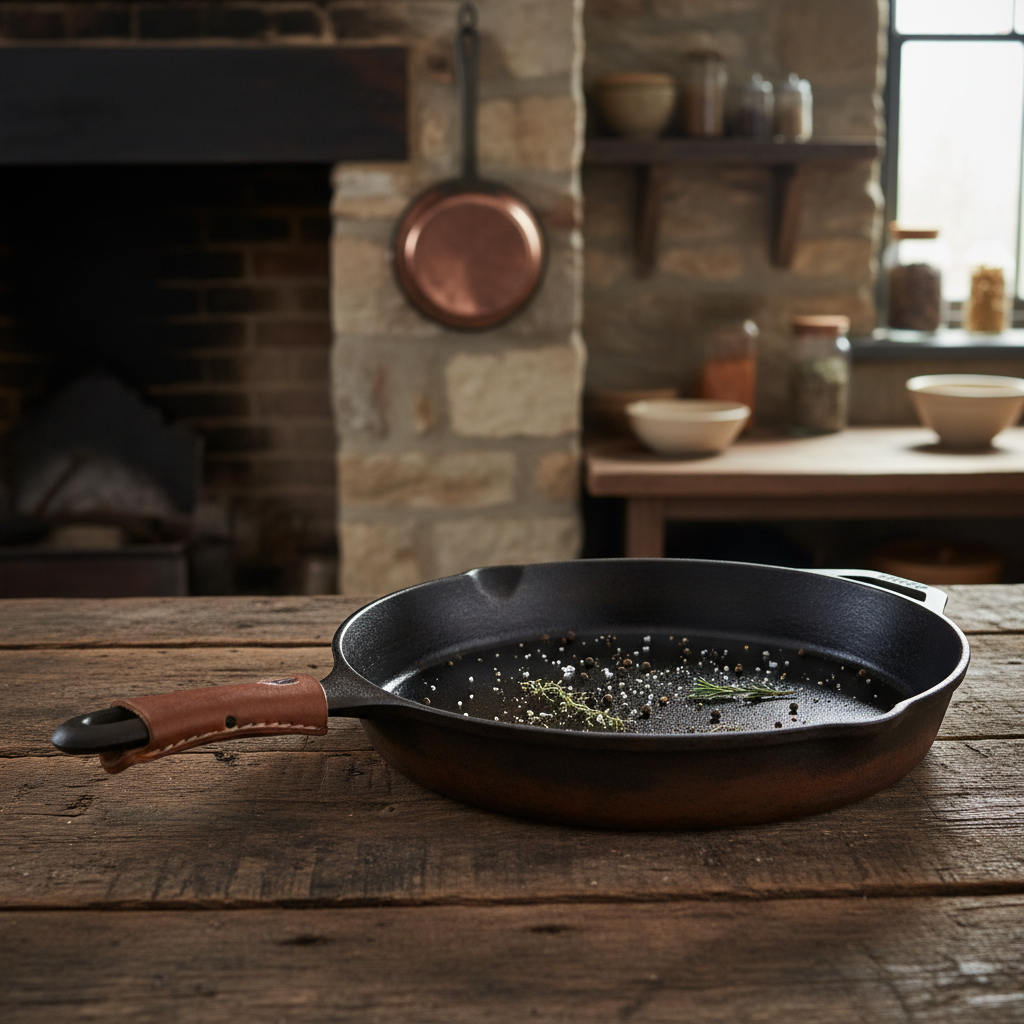
Lodge 12-Inch Cast Iron Skillet
Cookware
Lodge 12-Inch Cast Iron Skillet
★★★★★4.8
$25-$40
View on Amazon
Instant Pot Duo 7-in-1 Electric Pressure Cooker
Small Appliances
Instant Pot Duo 7-in-1 Electric Pressure Cooker
★★★★★4.7
$80-$100
View on Amazon
Victorinox Fibrox Pro Chef's Knife 8-Inch
Knives & Cutting
Victorinox Fibrox Pro Chef's Knife 8-Inch
★★★★★4.8
$40-$50
View on Amazon
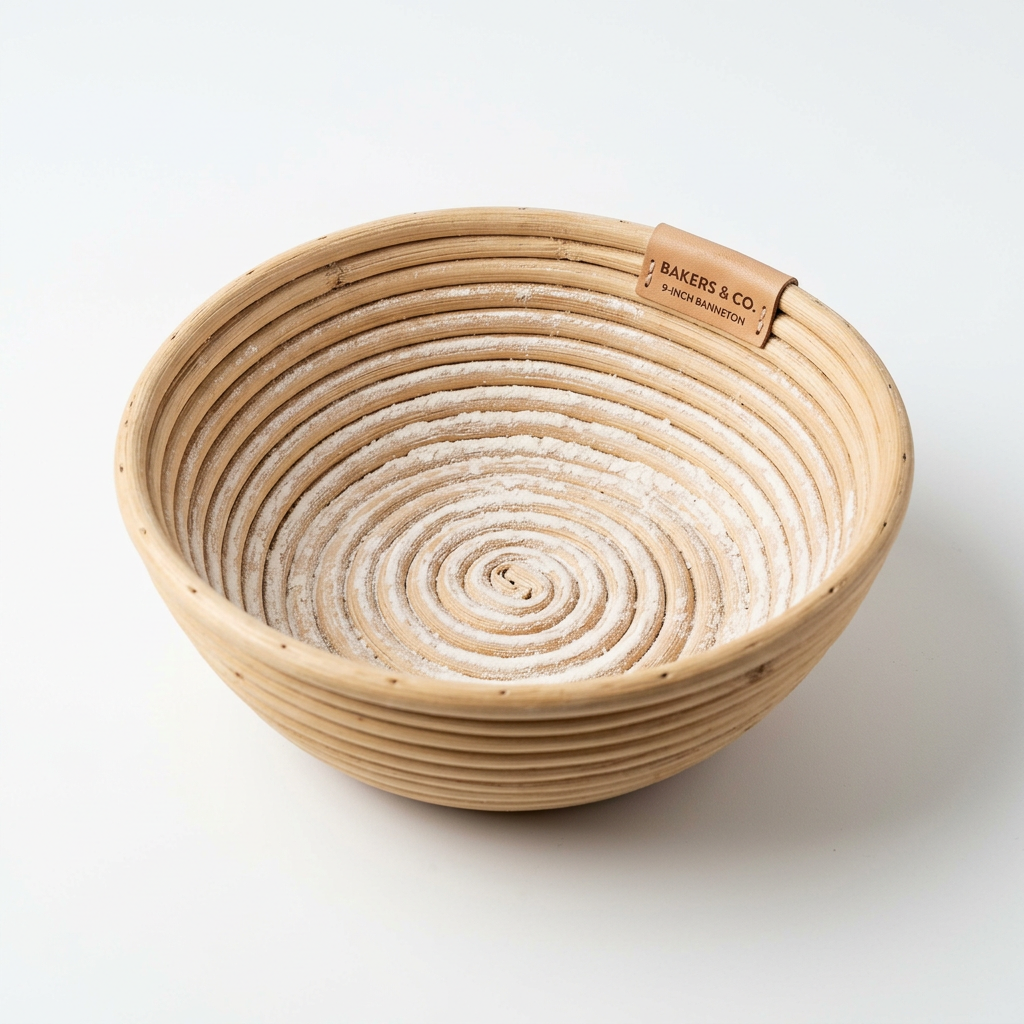
Round Banneton Proofing Basket 9-inch
Baking
Round Banneton Proofing Basket 9-inch
★★★★★4.7
$20-$30
View on Amazon

As an Amazon Associate we earn from qualifying purchases.

🍳

Get the Next Recipe

Weekly recipes, techniques, and gear picks — straight to your inbox.

No spam, ever. Unsubscribe anytime.

YesChef - Learn from the world's best chefs
© 2026 Blame The Chef
🍳

Never Miss a Recipe

Weekly recipes, kitchen tips, and gadget picks — straight to your inbox.

No spam, ever. Unsubscribe anytime.