The Essential Guide to Mastering the French Technique of Confit: Elevate Your Cooking Game
Mastering the art of cooking is a journey that many embark upon, but few achieve the depth of understanding required to truly elevate their dishes. If you're looking to take your culinary skills up a notch, diving into classic French techniques is an excellent place to start. Among these time-honored methods is the technique of confit, a method that dates back centuries, originally used as a means of preservation. However, beyond its historical roots, confit not only intensifies the flavors of your ingredients but also enhances their textures and overall appeal.
Confit is a technique that involves slow-cooking food in its fat, producing tender, flavorful results. While the method may seem daunting at first glance, with a few key steps and insights, you will find that it is quite manageable in a home setting. This comprehensive guide will walk you through everything you need to know about confit, including specific recipes for meats and vegetables, tips for troubleshooting, and ways to incorporate this technique into your regular cooking repertoire.
In this post, we will explore the principles of confit, how to successfully execute this method, and various applications that will impress your family and friends. While the concept of cooking in fat may initially feel indulgent, it's important to embrace this classic French technique for the depth and richness it can bring to your culinary creations. Once you start mastering confit, you’ll likely find it becoming a go-to in your kitchen, transforming your everyday meals into gourmet experiences.
Understanding the Basics of Confit
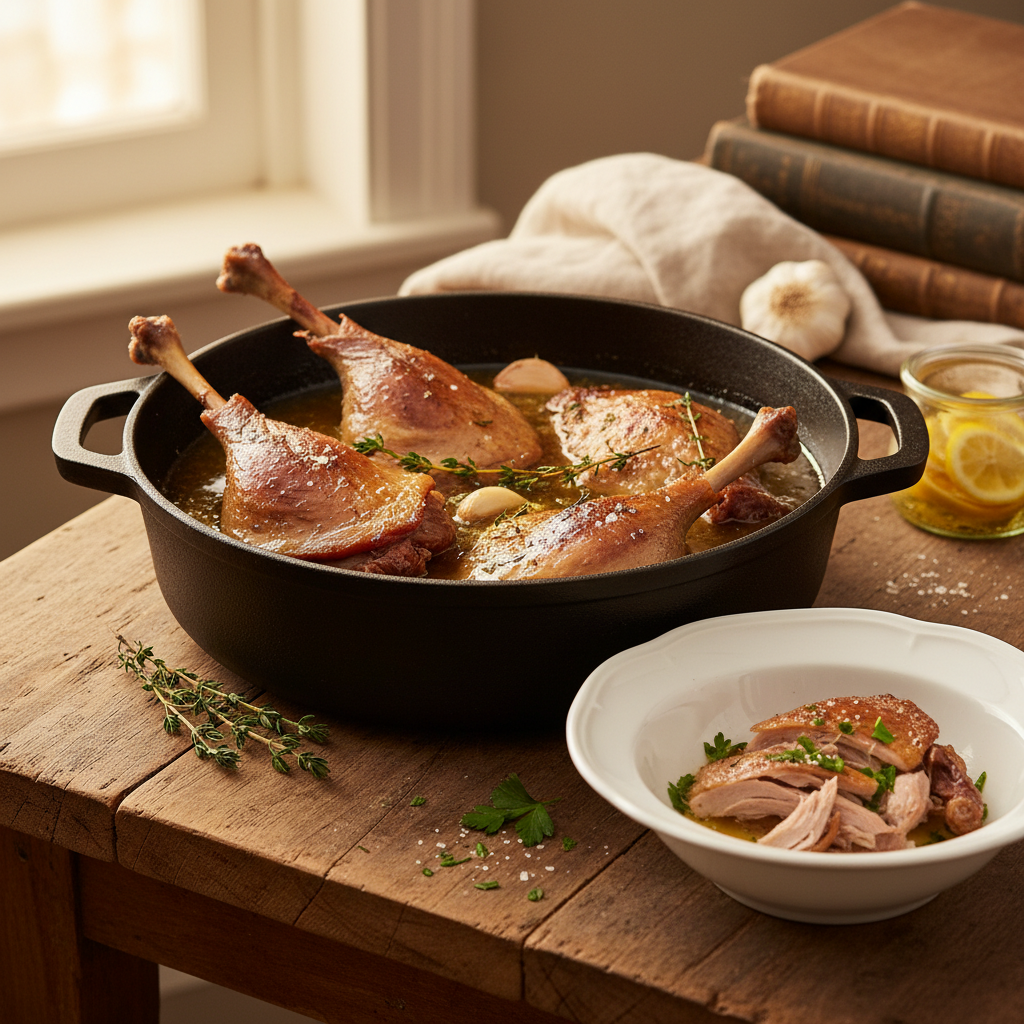
At its core, confit refers to a method of cooking where food is immersed in fat at a low temperature, tenderizing the ingredients while infusing them with flavor. This technique is most commonly associated with duck, but it can be applied to a variety of meats and vegetables. The process serves a dual purpose; not only does it preserve the food for extended periods, but it also results in a melt-in-your-mouth texture that elevates any dish.
The History of Confit
The origins of confit can be traced back to rural France, where preservation techniques were essential for survival. Before the advent of refrigeration, farmers and home cooks would prepare confit to ensure their harvest and meats lasted throughout harsh seasons. The slow cooking method rendered the fat from meat, which, when sealed and stored, acted as a natural preservative. Though modern conveniences have alleviated the need for such preservation methods, confit remains a culinary art form that showcases flavor enhancement and ingredient transformation.
Fundamental Techniques
#### Key Ingredients
#### Temperature is Key
The success of confit largely hinges on maintaining a low cooking temperature, typically between 190°F and 210°F (88°C to 99°C). Cooking at these temperatures allows the meat or vegetables to tenderize without boiling, ensuring the final result is saturated with flavor while retaining moisture.
Essential Equipment
To execute confit, you'll need a few key pieces of equipment:
The Confit Process
The confit process can be broken down into a few straightforward steps:
"Making confit is not just about cooking; it's about transformation and preservation."
The Classic Duck Confit
One of the most recognized applications of the confit technique is with duck legs. Duck confit is not only a delightful dish on its own, but it also acts as a building block for various gourmet creations.
Choosing the Right Duck
For an authentic duck confit, it is best to use whole duck legs from a young duck. Look for legs that have a good layer of fat, as this will render beautifully during the cooking process. You can often find duck legs at specialty butchers or farmers' markets.
Recipe for Duck Confit
#### Ingredients:
#### Instructions:
- Generously season the duck legs with sea salt and black pepper. You can also add minced garlic and thyme if desired.
- Cover the seasoned legs and refrigerate overnight. This step allows the flavors to meld and helps in moisture retention.
- Place the duck fat in a deep, heavy-bottomed pot.
- Slowly heat the fat over low heat until it melts completely.
- Once the fat has melted, add the duck legs skin-side down to the pot.
- Reduce the heat to maintain a temperature between 190°F and 210°F (88°C to 99°C), then cover the pot partially.
- Allow the duck to cook gently for 4 to 6 hours, or until the meat is tender and easily pulls away from the bone.
- You know the duck is done when it is fork-tender and yields easily.
- Once cooked, turn off the heat and let the duck legs cool in the fat for about an hour.
- Transfer the cooled duck legs to a clean jar.
- Pour the rendered fat over the legs, ensuring they are completely submerged. Seal and store in the refrigerator, where they can last for up to one month.
"Duck confit is a jewel of gastronomy; every bite tells a story of patience and flavor."
Serving Suggestions
Duck confit can be served in various ways:
Vegetable Confit: A Flavorful Alternative
While duck confit is iconic, the technique is versatile and can be applied beautifully to vegetables. Vegetable confit allows you to preserve the vibrant flavors of vegetables while making them extraordinarily tender and delicious.
Choosing Vegetables
While almost any vegetable can be used, here are some of the best options for vegetable confit:
Recipe for Garlic Confit
#### Ingredients:
#### Instructions:
- Place the peeled garlic cloves in a saucepan.
- Add the olive oil and herbs of your choice.
- Heat over low flame until the garlic starts to simmer.
- Maintain the simmer for about 45 minutes to 1 hour, until the garlic is tender and lightly golden. Ensure it doesn’t brown.
- Pour everything into a clean jar, ensuring that the garlic is submerged in the oil.
- The garlic confit can be stored in the fridge for up to two weeks. Use the infused oil in dressings or drizzles.
Applications of Vegetable Confit
The beauty of vegetable confit goes beyond just serving it as a side dish. Here are a few ways to incorporate it into your meals:
Confit Beyond Traditional Meats and Vegetables
Confit techniques can also be adapted beyond classic uses. We’re witnessing a resurgence of confit in innovative modern cuisine.
Fish Confit
Confit can be used beautifully for fish, particularly fattier varieties like salmon. The process enhances flavor and keeps the fish moist.
#### Salmon Confit Recipe
#### Ingredients:
#### Instructions:
- Season the salmon fillets with salt and pepper; let them rest for 30 minutes.
- Place the salmon in a shallow dish and submerge it with olive oil and dill.
- Heat in a sous-vide or a low oven (around 180°F (82°C)) for about 30-45 minutes until just opaque.
- Flake salmon confit over grain salads, serve in sandwiches, or enjoy as a standalone dish.
Creative Variations
Beyond protein, confit methods can be utilized in surprising ways. Consider:
Storing and Preserving Your Confit
A significant part of the confit process is learning how to store your creations correctly. Preserved properly, confit can not only elevate your dishes but extend the life of your ingredients.
Tips for Optimal Storage
How Long Can You Keep Confit?
"Good cooking is about patience, and confit epitomizes that principle in every bite."
Troubleshooting Common Issues
As with any culinary technique, confit may have its challenges. Here’s a troubleshooting guide to help you overcome common pitfalls.
Problem: Ingredients Burned
Problem: Flavors Are Weak
Problem: Textures are Off
Conclusion
The technique of confit is not just a cooking method; it’s an exploration of flavors, textures, and culinary traditions. By mastering confit, you equip yourself with a powerful tool in your culinary arsenal. Whether it’s a sumptuous duck confit that melts in your mouth or a vibrant vegetable confit that adds depth to a dish, this technique can elevate everyday meals into something special. As you explore and refine your skills, remember that cooking is about patience and passion. With confit, you can preserve, elevate, and transform—proving that great flavors take time and heart.
Embark on this confit journey. Experiment, adapt, and most importantly, savor the process. You’ll find the rewards are well worth the effort, and before long, you’ll be not only cooking confit but also sharing it with others, deepening your appreciation for one of the true gems of culinary traditions.

Get the Next Recipe
Weekly recipes, techniques, and gear picks — straight to your inbox.
