The Fat Factor: Choosing the Right Cooking Oil for Flavor, Smoke Points, and Texture
If you have ever stood in your kitchen, mid-sauté, watching a plume of acrid blue smoke rise from your pan while your garlic turns from fragrant gold to bitter charcoal, you know the frustration of choosing the wrong fat. For too many home cooks, the bottle of oil sitting nearest to the stove is the one that gets used for everything, from searing a thick ribeye to drizzling over a delicate spring salad. This is a culinary mistake that can completely undermine the hard work you put into selecting high-quality ingredients and refining your technique. Understanding the science of lipids is not about becoming a laboratory technician; it is about respecting the interaction between heat, flavor, and chemistry. When you master your pantry’s fat reserves, you transition from someone who merely follows recipes to a cook who understands the foundation of flavor.
The role of fat in cooking is multifaceted, serving as a medium for heat transfer, a flavor carrier, and a textural enhancer. When you drop a piece of protein into a hot pan, you aren't just cooking it; you are conducting a thermal symphony where the fat acts as the conductor. Fats protect delicate foods from burning, provide the luxurious mouthfeel we crave in a sauce, and emulsify ingredients that would otherwise remain stubbornly separate. Yet, not all fats are created equal, and their chemical structures dictate how they behave under the duress of a roaring flame or the gentle hum of a low-simmering sauce. Learning which oil to grab for a specific task is arguably the most impactful change you can make to improve the consistency of your cooking.
At "Blame The Chef," we believe that the best way to elevate your game is to strip away the myths surrounding culinary ingredients and get down to the brass tacks of why things work. You don't need a professional kitchen filled with obscure, expensive oils to produce restaurant-quality food, but you do need an intentional approach to your ingredient selection. By paying attention to factors like smoke points, flavor profiles, and saturated versus unsaturated fat content, you become the master of your own kitchen environment. Over the next few pages, we are going to demystify the shelf, explore the science of the sear, and give you the confidence to match the right fat to your next masterpiece.
Understanding the Smoke Point: The Gateway to Mastery
The smoke point of an oil is the specific temperature at which the fat begins to break down, emitting visible smoke and, more importantly, developing off-flavors and potentially harmful compounds. Every home cook has dealt with this at some point, usually when they’ve tried to sear a steak in cold-pressed extra virgin olive oil. When an oil reaches its smoke point, the fatty acids break down into glycerol and free fatty acids, which then produce acrolein, a compound that is as harsh on the palate as it is on the lungs. Knowing your oil’s limits is the difference between a golden-brown crust and a scorched, acrid mess.
Why Temperature Matters
Heat transfer is the primary job of cooking oil. When you introduce a high-moisture ingredient like a chicken breast or a vegetable into a hot pan, the oil acts as a barrier, facilitating the Maillard reaction, which is the chemical process that creates browned, savory deliciousness. If your oil is too cold, the food will absorb the fat like a sponge, leading to a greasy result. If the oil is too hot and exceeds its smoke point, you are effectively ruining the flavor profile before the food has had a chance to cook through. Always aim to get your pan and oil to the shimmering stage before adding ingredients; this is the visual cue that you have hit that "sweet spot" of temperature.
Categorizing Your Fats
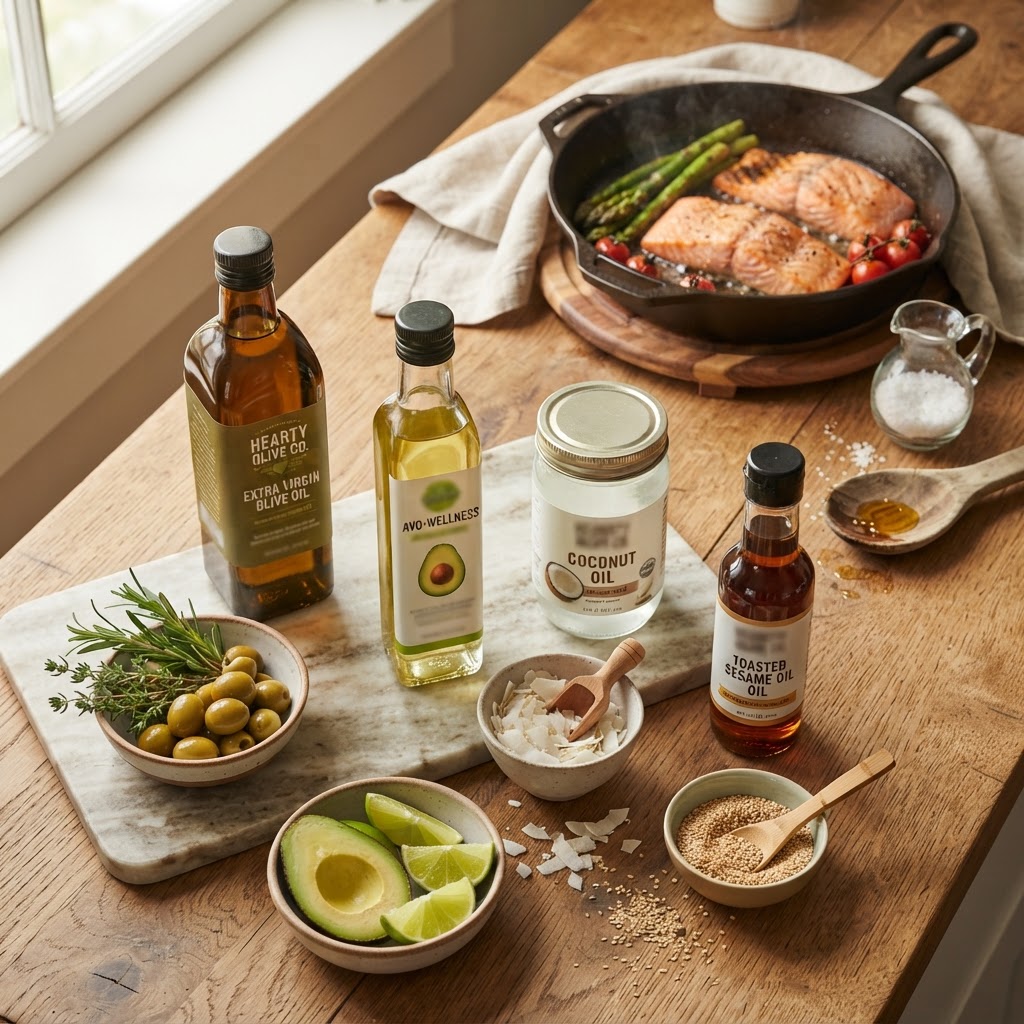
Generally, we categorize oils into three buckets: high-heat, medium-heat, and finishing oils. High-heat fats, such as refined avocado oil, grapeseed oil, or ghee, can handle temperatures upwards of 400°F (200°C) without breaking a sweat. Medium-heat oils, like standard olive oil or canola oil, are perfect for everyday sautéing where the heat remains moderate. Finishing oils, such as high-quality cold-pressed extra virgin olive oil, toasted sesame oil, or walnut oil, are meant to be treated as a seasoning rather than a cooking medium. Never subject these oils to high heat, as you will destroy the complex, delicate volatile compounds that give them their unique character.
The most overlooked rule in the home kitchen is that the smoke point is not just a safety threshold; it is a flavor threshold. If you burn your oil, you aren't just creating smoke—you are permanently scarring the flavor profile of the dish you are trying to perfect.
The Chemistry of Flavor: Neutral vs. Robust
One of the most common questions I get asked is whether a cook should prioritize flavor or utility in their oil choice. The answer is almost always "both," provided you are using the right product for the right job. Neutral oils serve as a clean canvas, allowing the natural flavor of the protein or vegetable to take center stage, while robust, flavorful oils act as a secondary ingredient that complements the profile of the final dish.
The Case for Neutrality
Refined oils—like grapeseed, sunflower, and vegetable oil—have had their impurities removed, which gives them a high smoke point and a near-invisible taste. These are your workhorses. If you are making a delicate stir-fry or a classic French omelet, you do not want the heavy, fruity notes of an olive oil competing with your dish. A neutral oil ensures that your seasonings, herbs, and aromatics are the stars of the show.
Embracing the Bold
Conversely, there are times when you want the fat to contribute to the overall flavor of the meal. Using a robust extra virgin olive oil to roast root vegetables adds a grassy, peppery depth that a neutral oil simply cannot replicate. Similarly, using toasted sesame oil in an Asian-inspired dressing provides a nutty, toasted aroma that is essential to the dish's identity. Don't be afraid to let your fats contribute to the narrative of the plate; just be mindful of how they interact with other ingredients.
Searing and Frying: The High-Heat Protocol
If you are aiming for that restaurant-grade crust on a protein, you need to operate at the higher end of the temperature spectrum. This requires fats that are stable, clean-burning, and capable of enduring sustained heat. The technique here is all about thermal density and consistency.
Choosing Your Sear Oil
For searing, skip the butter—at least at the start. Butter contains milk solids that burn at a relatively low temperature. Instead, use a high-heat stable oil like avocado oil or refined grapeseed oil. These oils have smoke points above 450°F (232°C), allowing you to get a cast-iron skillet ripping hot without filling your house with smoke. Sear your protein to develop that deep, mahogany-colored crust, and then, only in the last minute of cooking, toss in a knob of butter to baste the meat with aromatics like garlic and thyme. This "finish-with-fat" technique is a pro-chef staple for a reason.
The Mechanics of Deep Frying
Deep frying is a science that relies on maintaining the oil temperature between 350°F and 375°F (175°C-190°C). If the oil is too cold, the food will be greasy; if it is too hot, the outside will burn before the inside is cooked. Use a high-stability oil with a neutral flavor profile. Peanut oil is the gold standard for frying due to its high smoke point and clean flavor, but canola or refined sunflower oil are excellent, cost-effective alternatives.
The Nuance of Finishing Oils: A Final Flourish
Finishing oils are the jewelry of the culinary world; they should be added at the very end of the process to provide brightness, aroma, and mouthfeel. Because these oils are typically cold-pressed and unrefined, they are sensitive to light, heat, and air. Treat them with the same respect you would a fine wine or a top-shelf spice.
The Olive Oil Hierarchy
Not all olive oils are meant for the pan. High-end, cold-pressed extra virgin olive oil is a finishing ingredient. When you drizzle it over a finished soup, a plate of pasta, or a fresh caprese salad, the heat of the food releases the oil's aromatics, creating a sensory experience that cooking the oil would have destroyed. Look for oils that specify a harvest date and a clear region of origin; freshness matters immensely here, as these delicate oils can go rancid over time.
Experimenting with Nut and Seed Oils
Beyond olive oil, the world of finishing oils offers incredible variety. Toasted sesame oil, pumpkin seed oil, and hazelnut oil can add a dimension of flavor that transforms a simple dish into something extraordinary. A tiny drizzle of pumpkin seed oil over a butternut squash soup, for example, provides a nutty, intense richness that elevates the entire profile. Remember, a little goes a long way.
Cooking is not just about heat and time; it is about the careful layering of flavors. Finishing oils are the final layer, the bright, aromatic punch that makes a home-cooked meal taste like it came from a professional kitchen.
Healthy Fats and Lipid Stability
In the modern kitchen, we are more conscious than ever about the health implications of the fats we consume. The good news is that culinary quality and health often align. Monounsaturated fats, such as those found in olive oil and avocado oil, are generally more stable and healthier than highly processed industrial seed oils. Understanding the difference between these types of fats will help you make better choices for your family.
The Stability Factor
Saturated fats like ghee, tallow, and lard are incredibly stable at high temperatures because they lack the double bonds that make polyunsaturated fats prone to oxidation. While they offer a rich, traditional flavor—perfect for searing steaks or roasting potatoes—they should be used in moderation based on your dietary goals. For daily use, avocado oil stands out as an exceptionally stable, heart-healthy choice that works for everything from high-heat searing to salad dressings.
Storage and Shelf Life
The best oil in the world becomes useless if it is stored incorrectly. Heat, light, and oxygen are the three enemies of oil stability. Always store your oils in a cool, dark place, and ensure that the lids are tightly sealed. If you notice an oil has a slightly "off" or crayon-like smell, it has likely gone rancid. Don't be tempted to "cook it out"; if the fat has oxidized, the flavor is compromised, and it should be discarded.
Pantry Essentials: The "Blame The Chef" Baseline
If you are looking to streamline your pantry, you don't need fifty different bottles. A well-curated collection of three or four fats will cover 99% of your cooking needs. By mastering these essentials, you become more efficient, more confident, and ultimately, a better cook.
The Essential Four
Refined Avocado Oil:* Your go-to for high-heat searing and frying. It is neutral, stable, and highly versatile.
Extra Virgin Olive Oil:* Your workhorse for medium-heat sautéing and your primary choice for finishing dishes and dressings.
Ghee (Clarified Butter):* Perfect for high-heat cooking where you want a rich, nutty, buttery flavor without the burning milk solids.
Toasted Sesame Oil:* Your secret weapon for adding immediate depth and nutty aroma to finish dishes.
Organizing for Efficiency
Keep your oils near the stove but not directly over it. The heat from the burners will shorten their shelf life. I prefer to keep my high-heat oils in clear, easy-to-grab bottles near the prep area, and my delicate finishing oils in a cupboard to protect them from the ambient light. By organizing your workspace to prioritize the right fat for the right task, you remove the guesswork from your cooking process, allowing you to focus on the technique instead of searching through a cluttered pantry.
Troubleshooting Common Fat Failures
Even with the best intentions, things can go wrong. Maybe you forgot to check the heat, or perhaps you grabbed the bottle of delicate oil when you needed the high-smoke-point workhorse. Don't panic; most culinary "failures" are just opportunities to learn how heat and chemistry interact.
When Things Get Smoky
If your pan starts to smoke, take it off the heat immediately. Do not attempt to "cook through it." Once an oil has reached its smoke point, it has already begun to impart an acrid, bitter flavor to your food. Wipe the pan clean, start fresh, and adjust your burner to a lower setting. If you find your oil is constantly smoking, you are likely using an oil with too low a smoke point for the temperature you are trying to achieve, or you are simply running your stove too hot for the task at hand.
When Food Turns Greasy
Greasy food is usually a result of the oil not being hot enough when the food is added. The food acts like a sponge, absorbing the fat before the surface has a chance to seal. Always use the "shimmer test." If the oil isn't moving freely and shimmering when the pan is tilted, it isn't ready. Additionally, ensure you are not overcrowding the pan, as this causes the temperature to plummet.
The Importance of Seasoning
Remember that fat is a carrier for flavor. If you are sautéing vegetables, seasoning your oil with a pinch of salt or a clove of crushed garlic before adding the main ingredients can help infuse the fat with flavor from the start. This is a subtle trick that adds layers of complexity to even the simplest weeknight dinner. Practice this technique, observe the results, and you will start to see your dishes transform.
Final Thoughts
Mastering the use of fats is one of the most rewarding journeys a home cook can take. It moves you past the basic instructions of a recipe and into the realm of true culinary understanding. By respecting the smoke points, choosing the right fat for the texture you want to achieve, and understanding the role of fat as both a conductor of heat and a carrier of flavor, you are doing more than just feeding yourself—you are crafting a better meal.
We have covered a lot of ground today, from the chemistry of the sear to the delicate art of the finishing drizzle. Take these lessons back to your kitchen and start experimenting. Don't be afraid to try a new oil, to adjust your temperatures, or to take a moment to smell and taste the fat before you use it. You will find that with every meal, you become more intuitive, more efficient, and more capable of creating the food you’ve always dreamed of making.
The "Blame The Chef" philosophy is simple: keep it real, keep it tasty, and never stop learning. Cooking is a life-long pursuit, and the fats you choose are the foundation upon which all your future successes will be built. So, clear out those old, rancid bottles, invest in a few high-quality staples, and get back to the stove with the knowledge that you are now the master of your own culinary environment. Happy cooking!
***
As you continue to refine your kitchen skills, remember that perfection isn't the goal—consistency is. Every time you pick up a pan, you are engaging in a process of discovery. Perhaps you’ll find that you prefer the subtle peppery notes of a specific Spanish olive oil over an Italian variety, or that you love the way ghee interacts with a cast-iron-seared steak. These preferences are what define you as a cook. They are the fingerprints you leave on your food. Embrace the process, embrace the ingredients, and most importantly, enjoy the time you spend creating.
If you ever feel overwhelmed by the sheer number of options in the aisle, remember the "Essential Four" we discussed earlier. You don't need complexity to achieve brilliance. Often, the best dishes in the world are the ones that use simple ingredients with exceptional technique. The quality of your fat is the silent partner in every dish, working behind the scenes to create the textures and flavors that define a great meal. Treat it well, and it will treat your cooking well in return.
Finally, stay curious. The culinary world is constantly evolving, and there is always something new to learn, whether it’s a better way to store your oils or a new technique for emulsifying a vinaigrette. We are here to support that journey, providing the knowledge and the encouragement you need to keep pushing your boundaries. Keep the stove hot, keep the pantry organized, and keep your passion for great food front and center. You’ve got this, and we’ll be right here to help you every step of the way. Cheers to better cooking and even better meals.
Get the Next Recipe
Weekly recipes, techniques, and gear picks — straight to your inbox.
