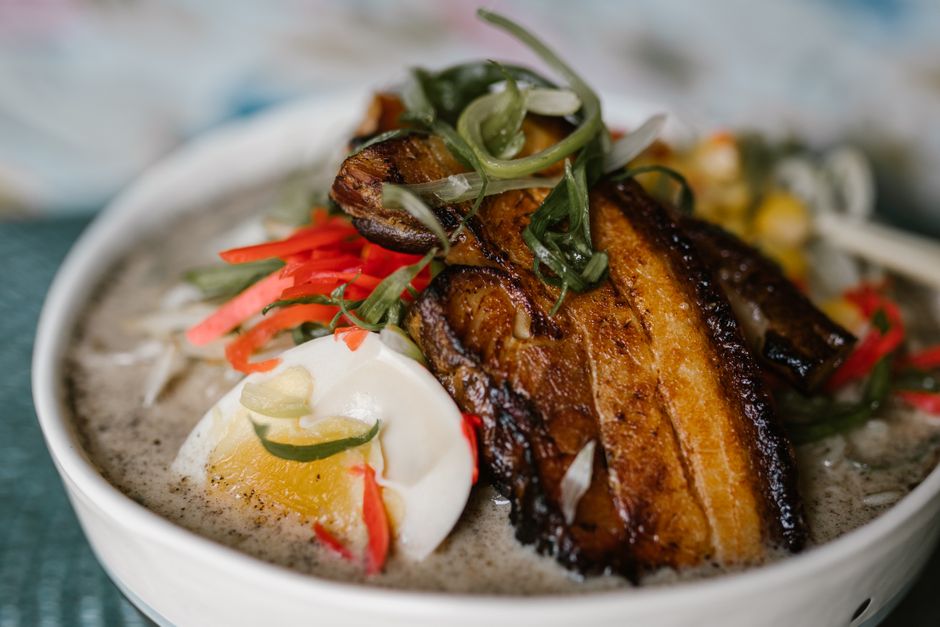
The Fifth Taste: Unlocking Umami Through Pantry Staples
There is a phantom flavor that haunts the edges of our palate, a sensory ghost that sits somewhere between the savory depth of a slow-cooked ragu and the lingering resonance of a perfectly aged Parmesan rind. We call this Umami, a Japanese term that translates loosely to a "pleasant savory taste," and it is the secret weapon of every chef who has ever made you wonder why their home-cooked meal tasted like it spent forty-eight hours in a professional kitchen. For years, western culinary theory relied on the four pillars—sweet, sour, salty, and bitter—but we have finally accepted that this fifth dimension is the true architect of satisfaction. It is the reason we crave mushrooms, why we douse our popcorn in nutritional yeast, and why a simple tomato sauce feels like a warm embrace rather than a mere garnish.
Understanding Umami is not about chasing rare ingredients or importing exotic pastes from the far corners of the globe; it is about recognizing the chemical signature of glutamates and nucleotides already residing in your pantry. When these compounds interact, they create a synergistic effect that amplifies the overall flavor profile of a dish, making it feel "complete" in a way that sugar or salt alone never could. Mastering this is the transition point from being a cook who follows a recipe to a chef who understands the molecular architecture of a plate. It is an act of alchemy, turning modest pantry staples into the foundations of culinary excellence, and once you start identifying these triggers, you will see the potential for depth in every cupboard shelf.
In this guide, we are going to dismantle the mystery of the savory taste and rebuild your approach to cooking from the bottom up. We will look at how to properly deploy common ingredients—from the humble anchovy to the misunderstood soy sauce—to build layers of flavor that persist long after the last bite. You will learn the precise temperature ranges that activate specific enzymatic reactions and the ratios that ensure your dish remains balanced rather than overwhelmed by salt or funk. By the time we are finished, you will stop blaming the chef for your lackluster results and start claiming the credit for the deep, resonant flavors you are about to create.
The Chemistry of Cravings: Glutamates and Nucleotides
The science behind Umami is rooted in two specific chemical compounds: L-glutamate and the ribonucleotides (specifically inosinate and guanylate). Glutamates are naturally occurring amino acids found in high concentrations in protein-rich foods, while ribonucleotides are breakdown products of RNA. While glutamate provides the initial savory hit, the presence of ribonucleotides acts as a force multiplier. When you combine high-glutamate ingredients like Parmesan cheese with high-nucleotide ingredients like dried shiitake mushrooms, the perceived intensity of the Umami sensation can be increased by as much as eight times.
This isn’t just a theoretical curiosity; it is a vital tool for any home cook looking to reduce their reliance on excessive salt. When you build a dish with a robust Umami backbone, your brain registers the flavor as "salty enough" even when the actual sodium content is significantly lower than a standard commercial meal. This is the physiological trick that makes slow-simmered stews feel so luxurious; the process of simmering breaks down cellular walls, releasing these amino acids into the liquid and creating a broth that carries flavor across the entire surface of the tongue.
"Umami is the bridge between a dish that is merely edible and one that is memorable. It is the invisible force that binds disparate ingredients into a singular, harmonious experience."
To maximize these effects, you must consider the temperature and time of your cooking. Glutamates are relatively stable, but they require heat to be extracted. A quick sauté of mushrooms will release some flavor, but a slow roast or a long simmer is required to fully unlock the potential locked within the cell structure. When preparing a broth or a base, always start with a cold liquid and bring it up to a slow, gentle simmer rather than a rolling boil, which can sometimes degrade the delicate aromatic compounds that accompany the savory base.
The Anchovy Advantage: Your Secret Weapon
There is a persistent myth among home cooks that anchovies are meant only for Caesar salad or the adventurous pizza enthusiast. In reality, the cured anchovy is the culinary equivalent of a master key. When cooked into a base, they completely dissolve, losing their "fishy" identity and leaving behind a concentrated, salty, Umami-rich infusion that provides a structural integrity to sauces, dressings, and braises that no other ingredient can mimic. The key is in the fat.
The Technique of Melting
To use an anchovy effectively, you must treat it with patience. Place two to four fillets into a pan with cold oil or butter and heat them over a medium-low flame. As the fat warms, add the fillets and use the back of a wooden spoon or a sturdy fork to gently press them against the bottom of the pan. Within two minutes, the flesh will disintegrate, creating a golden-brown emulsion. This is the foundation of a classic bagna càuda or a base for a bold tomato sauce.
Ratios:* Use 2 fillets for a medium-sized pasta sauce.
Safety:* Always ensure the oil is not smoking. High heat will char the anchovy before it has the chance to melt, resulting in a bitter, burnt fish flavor that will ruin your dish.
Persistence:* If you are nervous, start with one fillet. You will find that the flavor "disappears" into the dish, leaving only a lingering depth that guests will struggle to identify but will certainly enjoy.
By incorporating this simple technique, you are adding both the glutamate (from the fish) and a secondary layer of salt. Because the fish has been salt-cured, you must adjust your seasoning at the very end of the cooking process. Never add your final salt until the dish has reached its final consistency, as the reduction process can concentrate the salinity of the anchovies to an overwhelming degree.
The Magic of Fermentation: Soy and Miso
Fermentation is perhaps the most efficient way to achieve high Umami levels because the process does the work for you, breaking down complex proteins into free amino acids long before they hit your cutting board. Soy sauce and miso paste are the heavy hitters here. Unlike salt, which merely heightens existing flavors, these fermented products introduce new, complex dimensions of earthiness, sweetness, and acidity.
Selecting the Right Miso
Not all miso is created equal. Shiro (white) miso is mild, slightly sweet, and fermented for a shorter duration, making it ideal for dressings, glazes, and light soups. Aka (red) miso is fermented for months or even years, resulting in a much deeper, pungent, and salty flavor profile. Use red miso for robust stews, braised meats, or as an addition to a dark chocolate ganache if you are feeling truly experimental.
"A pantry without a tub of high-quality miso is a pantry that is only working at half its capacity. It is the single most effective way to add weight to a thin soup or depth to a pan sauce."
When using soy sauce, look for tamari if you want a richer, thicker consistency with a deeper depth of flavor, or traditional naturally brewed soy sauce for a more balanced profile. Avoid the "hydrolyzed vegetable protein" versions often found in low-cost bottles, as they lack the nuance and the clean finish of traditional brews. A splash of soy sauce added to a beef chili or even a bolognese sauce will work wonders, acting as an "under-flavor" that prevents the acidity of the tomatoes from becoming too sharp.
The Mushroom Matrix: Dried vs. Fresh
Mushrooms are the vegetable world's answer to steak. While fresh mushrooms provide a wonderful texture, dried shiitake mushrooms are the undisputed kings of the Umami pantry. The drying process causes a massive concentration of guanylate, meaning that a handful of dried mushrooms can pack more savory punch than a pound of their fresh counterparts.
Rehydration and Stock Production
Do not discard the water used to rehydrate your dried mushrooms! This liquid is essentially a concentrated "Umami bomb." Soak your dried shiitakes in warm water for at least 30 minutes, remove the stems (which are tough and woody), and then slice the caps. The soaking liquid should be strained through a coffee filter or fine-mesh sieve to remove any grit or sand before you use it as a base for risottos, gravies, or noodle soups.
The 30-Minute Rule:* Always soak in 120°F water to speed up the process without cooking the mushrooms prematurely.
Storage:* Keep dried mushrooms in an airtight jar in a cool, dark place. They will last for years, though their potency will peak within the first twelve months.
Mixing:* Combine the mushroom soak with a high-quality chicken or vegetable stock to create a hybrid base that carries both the brightness of poultry and the deep earthiness of the forest.
When cooking with fresh mushrooms, the key is the Maillard reaction. You must get your pan hot—around 400°F—and avoid overcrowding the pan. If the mushrooms are too close together, they will steam in their own moisture, resulting in a gray, rubbery mess. Give them space. By searing them until they are deeply browned, you encourage the caramelization of sugars and the release of their internal glutamates. Only salt them once they have achieved that golden-brown color, as adding salt too early will draw out their moisture and prevent the browning process.
Tomato Paste: Beyond the Squeeze Bottle
Many home cooks view tomato paste as a minor condiment to be added to a sauce for color. This is a missed opportunity. Tomato paste is, in effect, a highly concentrated reduction of the fruit's natural glutamates. To get the most out of it, you must "cook out" the raw, tinny taste that often accompanies store-bought versions.
The Caramelization Technique
Place your tomato paste in the center of your pan with your aromatics (onions, garlic, celery). Let it darken from a bright, fire-engine red to a deep, dark burgundy. This process—sometimes called "pinçage" in French kitchens—should take about 5 to 7 minutes over medium heat. You are looking for a slight crust to form on the bottom of the pan. This crust is where the magic happens; it is the manifestation of sugar and amino acid degradation, creating a savory foundation that will define the character of your entire dish.
The De-glazing Step: Once the paste has darkened, pour in a splash of dry red wine or stock. Scrape the pan vigorously to lift those browned bits (the fond*).
The Ratio:* For a standard pot of stew, use 2 tablespoons of paste per pound of meat. More than that, and you risk making the dish too acidic.
Storage:* To prevent waste, spread leftover tomato paste on a parchment-lined tray and freeze it in tablespoon-sized dollops. Once frozen, store them in a freezer bag. You now have instant flavor boosters ready to throw into any sauce or soup.
By treating tomato paste as a foundational ingredient rather than an afterthought, you ensure that your sauces have a gravitas that is hard to achieve with fresh tomatoes alone. The paste provides the long-chain flavor notes that carry the profile from the first bite to the finish, while fresh tomatoes (added later) provide the bright, acidic top notes that keep the dish from feeling heavy or one-dimensional.
The Secret Life of Parmigiano-Reggiano Rinds
If you are throwing away your Parmesan rinds, you are effectively throwing away the most potent Umami delivery system in your kitchen. These hard, waxy edges are essentially bricks of concentrated salt, protein, and crystallized amino acids. They are not edible in the traditional sense, but they are the ultimate "infusion agents."
Making a Rind Infusion
Keep a dedicated freezer bag in your refrigerator labeled "Stock Additions." Whenever you finish a wedge of authentic Parmigiano-Reggiano, place the rind in the bag. When you have three or four, drop them into your next batch of bean soup, minestrone, or even a slow-simmering beef stock.
This is the kind of professional secret that feels like a hack because it is so incredibly simple. It requires zero active preparation time, yet it provides a depth of flavor that would otherwise require hours of ingredient reduction. It is a testament to the fact that culinary greatness is often found in the things we are most tempted to throw away. By repurposing these scraps, you are not just being thrifty; you are engaging in the highest form of flavor engineering.
Balancing the Umami Profile
It is possible to have too much of a good thing. Umami is an enhancer, not a primary ingredient. If you combine anchovies, soy sauce, miso, and Parmesan rinds in a single dish without balancing the other four tastes, you will end up with a dish that is muddy, overly salty, and perhaps a bit "funky" in a way that is off-putting to the average diner.
The Four-Taste Balancing Act
If your dish has become too savory or "thick," you must introduce a balancing element. Acid is the most common remedy. A splash of apple cider vinegar, a squeeze of fresh lemon juice, or even a dash of high-quality sherry vinegar can cut through the density of an Umami-rich sauce and "lift" the flavor, making it feel fresh again.
"A truly balanced dish is a conversation between the intensity of the savory and the sharpness of the acidic. If the conversation sounds like a shout, add a squeeze of lemon. If it sounds like a whisper, add a dash of soy sauce."
Acid:* Use for brightness and to cut through fat.
Sweetness:* Use a tiny pinch of brown sugar or honey if your dish feels too bitter or metallic.
Salt: Always add this last. Since many Umami* sources (anchovies, soy, miso, cheese) are inherently salty, you will find you need significantly less table salt than you might have used before.
Fat:* Sometimes a dish that lacks depth simply needs a bit of fat to carry the flavor compounds across the tongue. A knob of cold butter finished at the very end of a cooking process can emulsify your sauce and create a lush finish.
Ultimately, building Umami is about developing your own intuition. Start with one ingredient—perhaps the anchovies in your next tomato sauce—and taste the difference. Once you get comfortable, begin to layer. The goal is not to taste "the soy sauce" or "the mushroom," but to create a finished dish where the flavor is so resonant that you find yourself pausing between bites, trying to understand why it feels so complete.
Conclusion
The journey to mastering the fifth taste is not one that requires a culinary degree; it requires only a shelf of well-chosen ingredients and a willingness to experiment. By viewing your pantry as a collection of savory triggers—glutamates waiting to be activated by heat, time, and technique—you change the fundamental way you approach a recipe. You move away from the rigid structure of "follow the measurements" and toward the fluid, responsive art of "seasoning to satisfy."
You have now learned the foundational techniques: the melting of anchovies, the tempering of miso, the searing of mushrooms, and the extraction of essence from cheese rinds. These are not merely tricks; they are the tools of a professional chef. When you combine them with an understanding of how acid and salt act as the referees for these powerful flavors, you become capable of producing restaurant-quality results in your own kitchen.
Do not be discouraged if your first attempts at layering these flavors result in an unbalanced dish. Every chef has accidentally over-salted a soup or over-reduced a sauce. The mark of a great cook is not perfection, but the ability to diagnose the problem and fix it. Taste as you go. Learn to recognize the difference between a dish that is salty and a dish that is savory. And most importantly, have the confidence to trust your palate. You are the chef now, and with these tools in your kit, you have everything you need to turn your next meal into an exploration of deep, resonant, and unforgettable flavor. Start small, stay consistent, and remember that the best dishes are the ones where every ingredient is working in service of the whole. Your pantry is waiting—go unlock it.
Get the Next Recipe
Weekly recipes, techniques, and gear picks — straight to your inbox.
