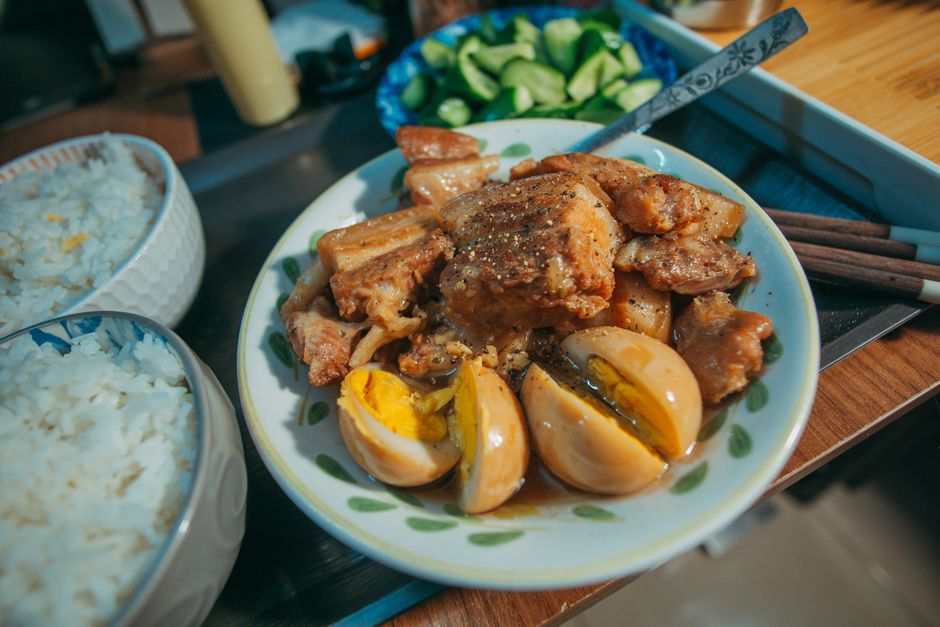
The Filipino Adobo: Vinegar, Soy, and the Soul of Island Cooking
The Filipino Adobo is more than just a recipe; it is the heartbeat of a nation, a culinary narrative that transcends geographical boundaries and family traditions. While many global cuisines boast a signature stew, few possess the defiant simplicity and profound complexity of this vinegar-and-soy-based classic. To understand the Adobo, one must look past the list of pantry staples and recognize the delicate interplay between acidic brightness and the deep, savory umami of fermented beans. It is a dish that relies not on exotic imported spices, but on the alchemy of time, patience, and the precise control of heat. Whether you are a seasoned home cook or an enthusiastic newcomer, mastering this dish requires an appreciation for the subtle nuance of the reduction process.
The history of this dish is a testament to the ingenuity of the Philippine archipelago, serving as a preservation technique long before the advent of modern refrigeration. Before the arrival of the Spanish, who actually gave the dish its name based on the term adobar (meaning to marinate or season), local cooks used vinegar and salt to ensure that proteins—most commonly pork and chicken—could survive the tropical heat. Over centuries, the integration of soy sauce transformed the profile, adding a salty depth that perfectly counterbalances the sharp sting of cane vinegar. This evolution reflects the resilience of Filipino culture, absorbing outside influences while stubbornly maintaining its own distinct, soulful identity.
For those of us at Blame The Chef, there is a sacred rule when it comes to preparing this dish: never rush the braise. This is not a weeknight meal that can be assembled in thirty minutes; it is a labor of love that rewards the cook who understands that flavor depth is built layer by layer. We are looking for the point where the fat from the protein renders completely, emulsifying with the vinegar and soy to create a luscious, mahogany-colored glaze. As we dive into the technicalities of this iconic recipe, keep in mind that the best version of this dish is the one that tastes like home, tailored to your own preference for tang, salt, and spice.
The Chemistry of the Marinade
Vinegar and Soy: The Balancing Act
The foundation of a great Adobo lies entirely within the ratio of your acidic component to your salty component. Traditionally, this is a one-to-one ratio, but professional chefs often tweak this based on the specific type of vinegar used. For a classic profile, I highly recommend using Philippine Cane Vinegar (Datu Puti is the industry standard), which offers a mild, slightly sweet acidity that is far less aggressive than white distilled vinegar or balsamic. When pairing this with a high-quality, aged soy sauce, you create a complex environment that begins to denature the proteins long before they hit the heat.
The Role of Aromatics
Aromatics are not merely garnish; they are structural components that define the soul of the sauce. Garlic is non-negotiable, and it should be used in abundance. I suggest smashing the cloves rather than mincing them finely; this allows the garlic to melt into the sauce over the long simmer, providing a subtle, mellow sweetness rather than a sharp, burnt edge. Fresh peppercorns, specifically the whole black variety, should be toasted lightly in a dry pan before being added to the marinade to unlock their volatile oils.
"The true magic of the Adobo lies in the marinade; it is a slow transformation where the vinegar doesn't just flavor the meat, it alters its very cellular structure, creating a tenderness that fork-work cannot replicate."
Marination Time
While some recipes suggest a quick soak, I insist on a minimum of four hours, with a preferred overnight marination in the refrigerator. This extended time allows the marinade to penetrate the bone-in pieces, ensuring that the finished dish is seasoned throughout rather than just on the surface. During this time, the acidity of the vinegar works to break down the collagen in the meat, which is vital for the eventual silky texture of the final glaze.
Selecting and Preparing Your Protein
The Case for Bone-In Meat
You might be tempted to use boneless, skinless chicken breast for convenience, but as a chef, I must advise against it. The bones contribute essential marrow and gelatin to the sauce, while the skin provides the rendered fat necessary to create a glossy finish. For a traditional Adobo, use a mixture of chicken thighs and pork belly. The pork belly provides the richness, while the chicken thighs provide the structure. Aim for high-quality, pasture-raised proteins whenever possible, as the quality of the fat significantly influences the depth of the sauce.
Trimming and Searing
Before the braise, you must pay attention to the fat cap. While we want the fat to render, we do not want an oil slick floating on top of our finished dish. Trim excess fat, but keep enough to coat the bottom of your heavy-bottomed Dutch oven or braiser. When searing the meat, do not crowd the pan. You want a deep, Maillard reaction crust on the skin—a dark, golden-brown color that adds a layer of complexity to the liquid as it reduces. If you steam the meat instead of searing it, you lose that vital foundational note.
Professional Tips for Texture
* Always pat your meat dry with paper towels before searing to ensure a proper crust.
* Sear the skin side first for at least 5-7 minutes over medium-high heat.
Do not discard the browned bits left on the bottom of the pot; these are called fond* and are essential for the sauce's body.
* If using pork belly, cut it into uniform 1.5-inch cubes to ensure even cooking times alongside the chicken pieces.
The Braising Process: Heat Control
Managing the Simmer
Once the meat is seared and the marinade is added, the goal is a low, gentle simmer. If you boil the mixture aggressively, the vinegar will become harsh and the meat will toughen. You are looking for a lazy bubble—a gentle movement in the liquid that keeps the proteins moving without tearing them apart. The temperature of your liquid should remain steady around 190°F to 200°F. Using a heavy, lid-fitted pot is crucial here, as it maintains consistent thermal mass and prevents unnecessary evaporation early in the process.
The Reduction Phase
This is where the amateur separates themselves from the expert. Toward the end of the cooking time, remove the lid to allow the liquid to reduce. This is not about boiling away the flavor; it is about concentrating the sugars and the proteins to create a syrupy glaze. You will know it is ready when the sauce coats the back of a spoon and the fat starts to separate slightly from the liquid. This process can take anywhere from 15 to 25 minutes depending on the width of your pot.
The Final Emulsification
When the sauce has reached the desired consistency, many chefs add a small knob of cold butter or a tablespoon of coconut cream at the very last second. This technique, borrowed from French sauce-making, helps to stabilize the sauce and adds a sheen that makes the Adobo look restaurant-quality. It adds a final layer of richness that rounds out the sharpness of the vinegar, leaving a lingering, savory finish on the palate.
"Patience in the reduction is the final test of the chef. If you pull the pot too early, you have a soup; if you pull it at the perfect moment of caramelization, you have a legacy."
Variations Across the Archipelago
Adobong Puti (The White Adobo)
Not all Adobos are dark. The Adobong Puti is a vinegar-forward version that omits the soy sauce entirely, using sea salt to provide the seasoning. This version is prized for its clean, sharp, and intensely savory flavor profile. Because it lacks the dark color of the soy, it relies heavily on the quality of the garlic and the peppercorns, which shine brightly against the pale, tender meat. It is a sophisticated, minimalist take that highlights the purity of the vinegar.
The Coconut Influence
In regions like Bicol, you will frequently find Adobo sa Gata, which incorporates thick coconut milk into the reduction. The fat from the coconut milk softens the vinegar’s edge, creating a creamy, luxurious sauce that clings to the meat. This version is particularly effective when cooking with seafood or squid, as the coconut milk balances the briny nature of the proteins. When making this, ensure you add the coconut milk only in the final stages of cooking to prevent it from splitting or curdling.
Adding Depth with Sugar
While traditionalists might argue against it, a small amount of palm sugar or brown sugar can be used to balance the vinegar if your specific batch is particularly acidic. Use this sparingly; you do not want a sweet dish, but rather a balanced one. The sugar also aids in the caramelization process during the final reduction, helping the sauce achieve a deeper, more complex color and a stickier consistency.
Building the Perfect Plate
The Vessel of Choice: Jasmine Rice
The Adobo is nothing without its partner: perfectly steamed Jasmine rice. The floral, slightly sticky grains of rice are the perfect vehicle for the rich, salty, acidic sauce. In many Filipino households, the rice is used to soak up every single drop of the sauce, and there is no greater compliment to the chef than an empty plate with a clean swipe of rice. Ensure your rice is fluffy and properly aerated before serving to allow it to absorb the glaze effectively.
Balancing with Freshness
Because the dish itself is quite rich and savory, it is vital to serve it with something fresh to cut through the intensity. I recommend a side of sliced tomatoes, a simple cucumber salad with vinegar, or even pickled papaya (atchara). These additions add a crunch and a burst of brightness that resets the palate between bites, ensuring that each mouthful of the Adobo feels as delicious as the very first.
Plating Techniques
When plating for guests, try to arrange the meat so that the glazed skin is facing upward. Spoon the remaining sauce from the pot over the meat just before serving, rather than plating the meat in a pool of liquid. This ensures that the diner experiences the texture of the glaze immediately. Garnish with a few fresh scallions or toasted garlic bits to provide a contrasting color and a fresh, herbaceous note.
Common Pitfalls and Troubleshooting
Why is my meat tough?
Toughness usually stems from two things: improper heat or undercooking. If you use high heat, the proteins contract and squeeze out their moisture. If you don't cook the meat long enough, the collagen won't have time to break down into gelatin. Aim for a long, slow braise. If you find your meat is still tough after an hour, check your liquid levels; if the sauce has reduced too quickly, add a splash of water or stock and continue to simmer.
The sauce is too sour
If your sauce is overwhelmingly sour, don't panic. You can temper the acidity by adding a small amount of liquid fat, such as a tablespoon of neutral oil or even a bit of coconut milk. Alternatively, introduce a small amount of sugar or honey to counteract the acidity. Always start with half a teaspoon and taste as you go; it is easy to add more, but impossible to remove.
The sauce is too salty
Soy sauce has a high sodium content, and as it reduces, the saltiness intensifies. If the sauce becomes too salty, the best remedy is to dilute it slightly with a small amount of water or unsalted chicken stock and re-reduce. If you find yourself in this situation frequently, consider swapping half of your regular soy sauce for a low-sodium variety or using a lighter, less concentrated fermented sauce.
Mastering Your Own House Recipe
Documenting Your Ratios
The best way to elevate your cooking is to keep a culinary journal. Write down the exact volume of vinegar and soy you used, the type of protein, and the total time the dish simmered. Over time, you will develop a "house ratio" that reflects your personal taste. Perhaps you prefer a more aggressive, tangy finish, or maybe you love a sweeter, stickier glaze. This journal will allow you to replicate your successes and understand your failures.
The Importance of Equipment
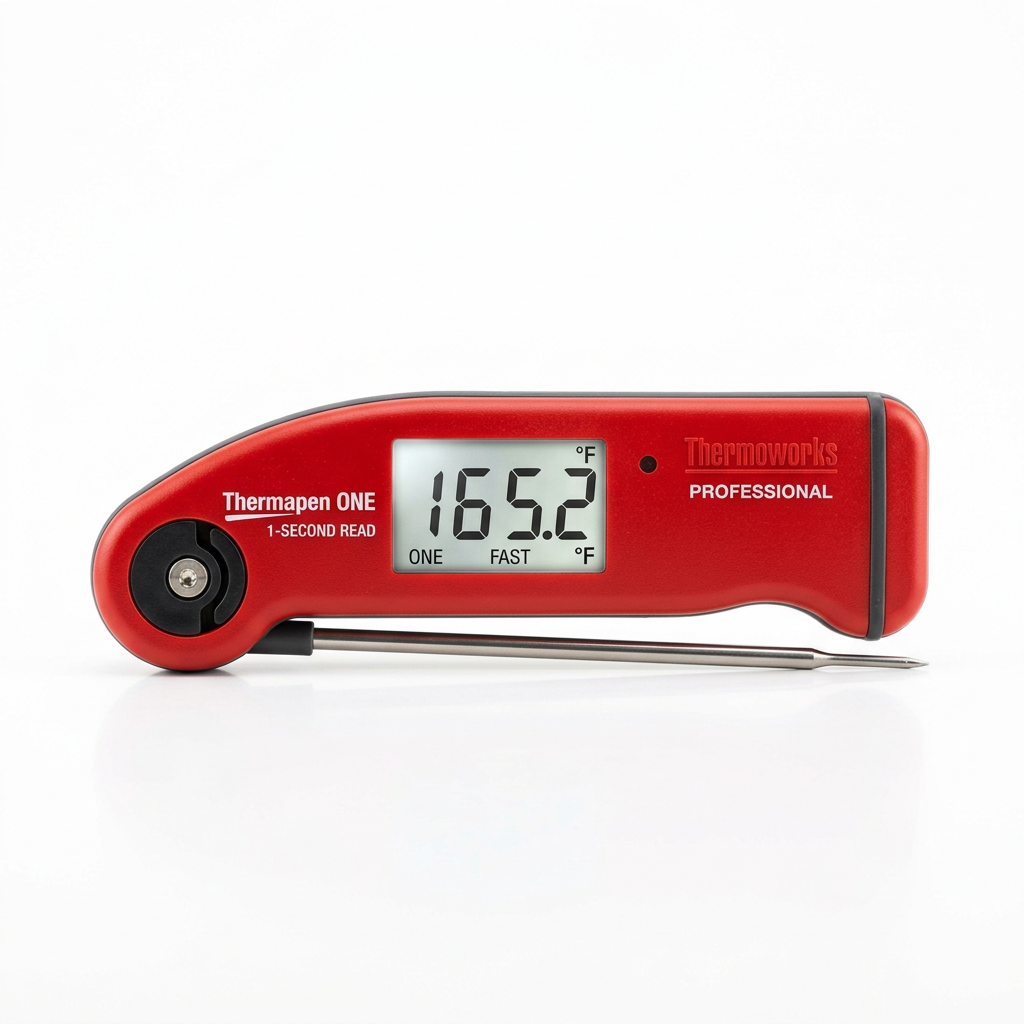
While you can make Adobo in a standard pot, a heavy-duty enameled cast-iron Dutch oven is the superior choice. The thick walls provide an even distribution of heat, preventing hot spots that could scorch the bottom of the sauce. Additionally, the tight-fitting lid is perfect for braising, ensuring that the moisture stays inside the pot throughout the cooking process. Invest in a good thermometer as well to ensure your braise stays within the optimal temperature zone of 190°F to 200°F.
Sharing the Tradition
Food is meant to be shared, and there is no better way to learn than by cooking for others. Host an Adobo dinner where you experiment with different ratios or proteins—perhaps swapping the chicken for quail or adding hard-boiled eggs in the last 10 minutes of cooking, a classic Filipino technique. Listen to the feedback, observe what gets eaten first, and refine your approach. Remember, the journey of culinary mastery is an ongoing process, one that never truly ends, just as the history of this dish continues to evolve with every kitchen it enters.
Conclusion
The Filipino Adobo is a lesson in minimalism, demonstrating that when you start with high-quality ingredients and a deep understanding of basic techniques, you do not need a pantry full of complex spices to create a world-class dish. By focusing on the science of the marinade, the precision of the searing, and the patience required for a proper reduction, you are not just making dinner; you are participating in a storied culinary tradition that celebrates the beauty of simplicity.
As you stand at your stove, watching the sauce darken into a glossy, fragrant lacquer, remember that you are the final curator of this history. Taste, adjust, and allow your own intuition to guide the process. Whether you serve it with a humble heap of steaming rice or share it as the centerpiece of a family gathering, the Adobo will always serve as a reminder that the best food comes from a place of respect for the ingredients and a desire to feed the soul. May your pots be heavy, your heat be low, and your dinner table be full of the joy that only a truly great Adobo can bring. Happy cooking, and remember: if the flavor isn't quite right, you can always blame the chef, but once you master this technique, you will have no one to blame but yourself for making it so delicious. Keep experimenting, keep tasting, and keep the fire burning.
Get the Next Recipe
Weekly recipes, techniques, and gear picks — straight to your inbox.
