The Forgotten Grains: Cooking with Sorghum, Millet, and Teff for Ancient Nutrition
In the sprawling, modern culinary landscape, we have become obsessed with convenience, often sacrificing the rich tapestry of history that lies at the root of human nourishment. For decades, our pantry staples have been narrowed down to the "big three": wheat, corn, and rice. While these grains have their place, they represent a mere fraction of the botanical diversity that has sustained civilizations for millennia. It is time to look back toward the forgotten heroes of the field—sorghum, millet, and teff—which offer not only superior nutritional profiles but also textures and flavors that can transform a mundane meal into a gastronomic event. By reintegrating these ancient grains, you are not just cooking; you are honoring a lineage of agriculture that thrived long before the industrialization of our food systems.
Transitioning to these grains requires a shift in perspective, moving away from the "boil-and-drain" mentality toward a more nuanced approach to hydration, starch gelatinization, and flavor extraction. These are ingredients that demand respect, each possessing unique physical characteristics that behave differently under the influence of heat and moisture. Whether you are aiming to add a nutty, complex profile to a breakfast porridge or looking for a gluten-free foundation for a sophisticated grain bowl, the learning curve is gentle yet deeply rewarding. My goal with this guide is to strip away the mystery surrounding these ancient crops and provide you with the professional techniques necessary to handle them with the confidence of a seasoned line cook.
As we peel back the layers of these grains, you will discover that they are far more than mere substitutes for the status quo. They are culinary canvases, capable of absorbing aromatic stocks, crisping up in a hot pan, or thickening a hearty autumn stew. In the pages that follow, we will explore the science behind their composition, the specific toasting techniques that unlock their latent essential oils, and the precise ratios required to achieve the perfect bite. Welcome to the evolution of your pantry; it is time to stop blaming the chef for uninspired meals and start mastering the raw materials that build the foundation of truly great cooking.
The Resurgence of Ancient Grains: Why Now?
The resurgence of these grains is not merely a trend for the health-conscious; it is a vital shift toward agricultural resilience. Sorghum, often referred to as a "climate-resilient" crop, requires significantly less water than traditional wheat, while millet thrives in arid soils that would leave most modern crops withered. By incorporating these into our diet, we support biodiversity and encourage a more sustainable food ecosystem. Home cooks are beginning to realize that the diversity of our ancestors' diets was not just for survival—it was for flavor, complexity, and nutrient density that modern processing has stripped away.
When we talk about ancient nutrition, we are discussing the bioavailability of minerals and the structural integrity of complex carbohydrates. Unlike highly refined grains that spike insulin levels, these ancient seeds maintain a low glycemic index, providing sustained energy that carries you through the day without the lethargy associated with processed flour. The culinary professional looks at these grains and sees versatility; the nutritionist sees a powerhouse of fiber and plant-based protein. Bridging this gap is where the true joy of home cooking lies, as we rediscover the satisfaction of working with ingredients that provide nourishment in its most honest form.
"The true measure of a chef is not just how they handle the prime cuts of meat, but how they elevate the humble seed that has sustained humanity since the dawn of agriculture."
Understanding the "ancient" designation is simple: these crops have remained largely unchanged by modern genetic modification. They are the same seeds that were harvested in the Horn of Africa and the Indus Valley thousands of years ago. When you cook with them, you are participating in an unbroken chain of culinary tradition. This isn't about eating like a caveman; it is about utilizing the most refined, tried-and-tested ingredients in human history to create modern masterpieces that satisfy the palate of the twenty-first century.
Sorghum: The Versatile Powerhouse
Sorghum is the chameleon of the grain world. Its chewy, firm texture is reminiscent of Israeli couscous or farro, making it an ideal candidate for cold salads, hearty soups, and even popped like miniature popcorn. It is naturally gluten-free, which makes it a godsend for home cooks navigating dietary restrictions without sacrificing the "mouthfeel" that wheat-based grains provide. To get the best out of sorghum, you must treat it like a long-simmering project—it is not a grain you can rush.
The Art of the Soak and Simmer
The first rule of working with whole grain sorghum is the soak. Much like dried beans, a pre-soak of at least four to six hours, or even overnight, significantly reduces the cooking time and ensures that the grain cooks evenly from the center out. Without a soak, you risk the exterior becoming mushy while the center remains unpleasantly chalky.
Beyond the Bowl: Sorghum Techniques
Once cooked, sorghum becomes a blank slate. I recommend sautéing the cooked grains in a hot skillet with a touch of brown butter and fresh sage until the edges become slightly caramelized. This maillard reaction adds a layer of depth that pairs perfectly with roasted root vegetables or grilled chicken. You can also incorporate sorghum flour into your baking; it adds a subtle sweetness and a tender crumb that is often missing in gluten-free recipes. Remember, when baking, a little goes a long way—start by substituting 20% of your flour volume with sorghum to gauge the difference in hydration requirements.
Millet: The Fluffy Master of Porridge
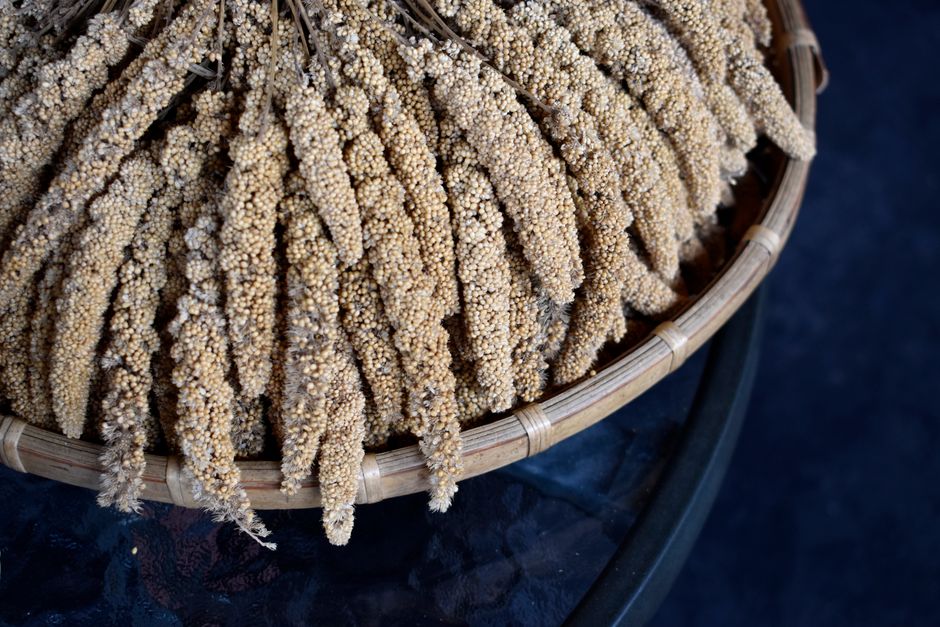
If sorghum is the sturdy backbone of a grain bowl, millet is the ethereal cloud. It is tiny, round, and incredibly efficient, often cooking in under 20 minutes. Historically a staple across Asia and Africa, millet has a mild, corn-like flavor that works exceptionally well in both savory and sweet applications. Because of its small size, it tends to be more absorbent than larger grains, making it the perfect vehicle for creamy coconut milk or savory bone broths.
Achieving Perfect Texture
The secret to working with millet is deciding on your final desired texture before you turn on the burner. If you want a fluffy, individual grain texture similar to quinoa, you must dry-toast the raw grain first.
* Heat a dry skillet over medium-high heat.
* Add the millet and toast, stirring constantly, until it smells slightly nutty and fragrant (about 3-4 minutes).
* Add boiling water in a 1:2 ratio.
* Cover the pot, turn the heat to the lowest setting, and cook for 15 minutes.
* Remove from heat and let it sit, covered, for another 10 minutes to finish steaming.
Creamy Millet Porridge
For a luxurious morning porridge, ignore the "fluffy" method. Instead, use a 1:4 ratio of grain to liquid and allow the millet to break down slightly. Stirring frequently while it simmers creates a creamy, porridge-like consistency that rivals the finest Italian polenta. Stir in a touch of honey, toasted pecans, and a pinch of sea salt to create a breakfast dish that feels more like a decadent dessert. If you have leftovers, pour the cooked, thickened millet into a flat baking dish, chill until firm, and then cut it into squares to pan-fry for a crispy, savory breakfast cake.
"Texture is the hidden language of the kitchen; by mastering the preparation of millet, you gain the ability to shift from the airy fluff of a side dish to the velvety comfort of a breakfast bowl."
Teff: The Tiny Titan of Ethiopia
Teff is the smallest grain in the world, yet it holds a massive nutritional punch. Famous for being the base of the Ethiopian flatbread injera, this grain is rich in iron, calcium, and protein. Because of its tiny size, it cooks much faster than other grains, but it can also turn into a paste if you aren't careful. Its flavor is bold, earthy, and slightly fermented, offering a complexity that can stand up to strong spices like berbere, cumin, and coriander.
Cooking with Teff: A Delicate Balance
Because teff is so fine, it acts almost like a thickener. When preparing it as a porridge or a base, think of it less like rice and more like cooking a hot cereal.
The Ratio:* Use 1 part teff to 3 parts water for a porridge consistency.
The Method:* Combine in a saucepan, bring to a boil, then reduce to a very low simmer.
The Watch:* Unlike other grains, teff needs to be watched closely. It will thicken rapidly. Once the water is absorbed, take it off the heat immediately.
Chef’s Tip: If you want a lighter texture, use a fork to fluff it after it has rested. If you are making injera*, you will need to ferment the batter for several days to achieve that signature tang, but for a simple grain dish, a quick 10-minute boil is plenty.
Integrating Teff into Modern Baking
Teff flour is perhaps the most exciting part of using this grain. Because it has such a high nutritional density, it brings a deep, chocolatey color and a molasses-like flavor to baked goods. I often use a mix of teff flour and almond flour when making brownies or dark chocolate tortes. The earthiness of the teff balances the sugar perfectly, preventing that "cloying" sweetness that plagues many gluten-free desserts. If you are a fan of savory baking, try adding a tablespoon of teff flour to your sourdough starter; the wild yeasts love the additional nutrients, and your bread will develop a deeper, more robust crust.
The Science of Toasting and Hydration
Understanding the chemical reactions occurring in your pan is what separates a home cook from a home chef. When you apply dry heat to a grain, you are initiating a toasting process that toasts the outer bran layer. This caramelizes the natural sugars and activates the essential oils within the grain. This is not a step you should skip, particularly when working with ancient grains, as they can sometimes have a "grassy" raw flavor. By toasting, you neutralize those raw notes and replace them with a deep, toasted nutty quality.
Heat Control and Oils
Always use a heavy-bottomed pan, such as cast iron or stainless steel, when toasting grains. The thick base distributes heat evenly, preventing hot spots that might burn the tiny seeds while leaving others raw. If you feel bold, add a teaspoon of high-smoke-point oil (like grapeseed or avocado) to the pan after the grains have warmed up. This helps toast the grains more uniformly and imparts a slight richness that makes the final product feel much more luxurious.
Liquid Absorption
The liquid you choose is just as important as the technique. While water is standard, you are missing an opportunity to build flavor. Always consider the profile of your meal.
Flavor Pairing and Building the Perfect Meal
To truly master these grains, you must learn to pair them with ingredients that complement their unique profiles. Sorghum’s chewyness pairs exceptionally well with bright, acidic ingredients—think pomegranate arils, citrus-marinated kale, or a sharp feta cheese. Because the grain itself is hearty, it can handle heavy dressings without becoming soggy. When building a grain bowl, ensure you have a variety of textures; a soft, cooked grain needs the crunch of toasted nuts, the creaminess of avocado, and the pop of pickled onions.
The Role of Aromatics
Do not underestimate the power of a base. Before you add your liquid, sauté your aromatics. Finely diced shallots, garlic, ginger, or even a tablespoon of tomato paste, cooked until caramelized in the pot, will permeate every grain as it absorbs the liquid. This is the secret to professional-grade grain preparation. It turns a boring side dish into a foundation of flavor that is so good you could eat it on its own.
The Importance of Acid
Ancient grains, particularly millet and teff, can sometimes taste "flat" if they are not properly finished. A squeeze of fresh lemon juice or a dash of high-quality vinegar right before serving acts as a flavor catalyst. It brightens the profile of the grain, lifting the earthiness and making the dish feel fresh. If you are serving a hearty sorghum salad, a dressing based on balsamic reduction or sherry vinegar will highlight the grain's natural sweetness and make the flavors pop.
Troubleshooting Common Issues
Even the best chefs encounter issues. If your sorghum turns out too hard, simply add a half-cup of hot water, cover, and continue to simmer until tender. There is no shame in adjusting as you go; cooking is a dynamic process, not a rigid set of rules. If your millet turns out too mushy, don't throw it out—you’ve essentially made porridge. Embrace it. Add some maple syrup, toasted seeds, and fruit, and turn it into a dessert. The key to being a great cook is the ability to adapt to what is in the pan rather than forcing it to conform to a recipe.
Dealing with Rancidity
Because these grains are whole and unprocessed, they contain healthy oils that can turn rancid if stored improperly. Always store your grains in airtight containers in a cool, dark place. If you buy in bulk, keep a portion in the pantry and the rest in the freezer. This preserves the freshness of the oils and ensures that your grains taste as vibrant as the day they were harvested. A quick sniff test is your best tool—if the grain smells "musty" or "metallic" rather than earthy or nutty, it’s time to move on to a fresh batch.
The "Al Dente" Standard
Always aim for al dente. Much like pasta, you want a slight bite to the grain. It provides a tactile experience that keeps the meal interesting. If you overcook your grains into a mash, you lose the texture that makes these ingredients so special. Keep a small mesh strainer nearby, and if you feel the grains are approaching the limit, drain any excess liquid immediately. This allows you to stop the cooking process precisely when you want.
The Nutritional Symphony
Beyond the flavor and texture, we cannot ignore the sheer nutritional density of these crops. In a world where nutrient deficiencies are common, millet stands out for its high levels of magnesium and phosphorus. Sorghum is packed with antioxidants, specifically polyphenols, which help fight inflammation in the body. Teff is arguably the most impressive, offering a significant dose of iron and fiber that is essential for blood health and digestive regularity.
By incorporating these into your weekly rotation, you are providing your body with a broad spectrum of nutrients that are not found in highly processed wheat products. This is not about restriction; it is about abundance. When you fill your plate with these grains, you are fueling your body with complex carbohydrates that break down slowly, keeping your energy levels stable. It is the kind of sustainable fuel that allows you to cook, create, and live with more vigor.
"A well-stocked pantry is a map to a healthy life. By choosing ancient grains, you are not only selecting ingredients for their flavor but for their profound ability to nourish the body from the inside out."
A New Culinary Standard
As you start your journey with these ingredients, remember that the most important tool in your kitchen is your own intuition. Taste your grains as they cook. Feel the texture between your fingers. Listen to the sound of the simmer. These grains have been with us for millennia, and they are patient teachers. They don't require fancy equipment or expensive techniques; they only require your attention and a willingness to step outside the familiar bounds of white rice and wheat flour.
When you master the prep of these grains, you will find your repertoire expanding naturally. You will start to see grain bowls, salads, and porridge as foundations for endless creativity. Perhaps you will toss cooked sorghum into a pan with roasted grapes and thyme. Maybe you will fold teff flour into a pancake batter for a hearty, nutrient-dense breakfast. The possibilities are restricted only by your imagination, and the results will be a testament to your growing culinary skills.
Conclusion
The decision to cook with sorghum, millet, and teff is a decision to reclaim the depth and diversity of the human culinary experience. We have allowed our diet to become stagnant, governed by convenience rather than quality, but the path back to flavor is simple. By understanding the unique hydration requirements, the essential toasting techniques, and the flavor profiles of these ancient seeds, you are elevating your home cooking to a level that respects both the history of the ingredient and the health of the eater.
Stop blaming the chef for uninspired results; instead, arm yourself with the ingredients that have fueled civilizations for ages. Whether it is the chewy robustness of sorghum, the airy comfort of millet, or the deep, earthy richness of teff, these grains are ready to transform your kitchen. Take the time to experiment, to fail, and to eventually succeed. Your palate—and your body—will thank you for the effort. Happy cooking, and may your pantry always be filled with the goodness of the ancient world.
As you move forward, keep a journal of your successes and observations. Note which cooking times produced the perfect texture for your family’s preferences. Observe how the different liquid bases change the character of the grain. Cooking is an iterative process, and every batch of sorghum or millet is an opportunity to refine your craft. There is a deep, quiet satisfaction in knowing how to prepare a simple, nourishing meal from the most basic, ancient materials. Embrace the process, appreciate the texture, and keep pushing your culinary boundaries. You are now part of a long lineage of cooks who understood that greatness is found in the foundation of the meal. The table is set, the grains are ready, and the kitchen is yours to master. Enjoy the bounty of the field, and may your future meals be defined by the timeless nutrition and unparalleled flavor of these forgotten treasures. The next time someone asks you where you learned to cook such incredible, healthy food, you can confidently tell them that you simply looked to the past to define your future. This is the art of the intentional chef, and it is a path that starts with the very next pot of grain you simmer. Let the transformation of your pantry begin today.


Get the Next Recipe
Weekly recipes, techniques, and gear picks — straight to your inbox.
