
The Global Spice Rack: Essential Spices from Around the World
Imagine opening a cookbook from a faraway country and being immediately transported — not by photographs or stories, but by the sheer act of reading the ingredient list. Saffron. Sumac. Szechuan peppercorn. These aren't just flavoring agents; they're geographic coordinates, cultural timestamps, and centuries of agricultural wisdom compressed into seed, bark, root, and flower. Every great cuisine on earth is defined, in large part, by the spices it claims as its own, and understanding those spices is the single fastest way to transform your cooking from competent to genuinely extraordinary. If you've ever wondered why your homemade curry doesn't quite taste like the one from that little restaurant on the corner, or why your attempts at Moroccan food feel somehow flat, the answer almost always lives in your spice rack — or more accurately, in what's missing from it.
The good news is that building a global spice collection isn't an expensive or overwhelming undertaking. It's an adventure that pays dividends every single time you cook. Unlike specialty produce or exotic proteins that require specific sourcing and careful timing, spices are shelf-stable, widely available, and remarkably forgiving for the home cook willing to experiment. A $4 jar of smoked paprika can unlock an entire tradition of Spanish cooking. A small bag of dried fenugreek leaves — available at virtually any Indian grocery store — will change the way you think about weeknight chicken forever. This guide is your passport. We're going to travel through the world's great spice traditions, learn what makes each ingredient unique, and give you the practical tools to start using them tonight.
---
Why Spices Matter More Than You Think
Most home cooks treat spices as an afterthought — a pinch of this, a dash of that, shaken over a finished dish like a benediction that arrives too late to do any real work. This is the single biggest mistake standing between you and genuinely delicious food. Spices don't just add flavor; they build it, layer by layer, through a series of chemical reactions that are sensitive to heat, fat, moisture, and timing. Understanding how spices work at a fundamental level will immediately change how you cook.
The key concept every serious home cook needs to internalize is bloom. Spices contain volatile aromatic compounds — terpenes, aldehydes, esters — that are fat-soluble, meaning they release their most complex flavors when introduced to hot oil or butter rather than water. When you add ground cumin directly to a tomato sauce, you get a fraction of its potential. When you first bloom that cumin in a tablespoon of ghee over medium heat for 30-45 seconds, watching it darken just slightly and fill your kitchen with that warm, earthy aroma, you're unlocking something dramatically different. This technique is foundational in Indian, Mexican, North African, and Middle Eastern cooking traditions, and adopting it will immediately elevate your food.
Toasting whole spices before grinding them is the other technique that separates confident spice users from casual ones. A dry skillet set over medium-low heat is all you need. Add your whole coriander seeds, cumin, or cardamom pods and shake them gently for 2-4 minutes until fragrant and very lightly colored. Let them cool completely before grinding — a small coffee grinder dedicated to spices works beautifully here, producing fresher, more vibrant powder than anything you'll buy pre-ground. The difference in flavor is not subtle. It's the difference between reading about a place and actually going there.
---
The Indian Subcontinent: The Spice World's Center of Gravity
If there is a single culinary tradition that has done the most to shape the global spice trade and the way the world cooks, it is the cuisine of the Indian subcontinent. The complexity and sophistication of Indian spice usage is staggering — a professional chef working in this tradition spends years learning to balance heat, earthiness, sweetness, and astringency in ways that seem almost alchemical to the uninitiated.
The Big Four: Cumin, Coriander, Turmeric, and Cardamom
These four spices form the backbone of South Asian cooking and are genuinely indispensable additions to any global spice rack:
Garam Masala: The Art of the Blend
Garam masala is not a single spice but a tradition — a warm spice blend whose composition varies by region, family, and occasion. A classic North Indian version might include toasted cumin, coriander, black pepper, cinnamon, cloves, cardamom, and nutmeg. Unlike most spices, garam masala is typically added at the end of cooking, stirred in during the last few minutes to preserve its delicate aromatic top notes that would otherwise cook off. Making your own from freshly toasted and ground whole spices will produce a blend so superior to commercial versions that you may never go back.
"A spice blend is a chef's signature. It tells you where they're from, what their grandmother cooked, and what they believe food should feel like." — Madhur Jaffrey
---
North Africa and the Middle East: Complexity in Every Pinch
The spice traditions of North Africa and the Levant represent some of the most sophisticated flavor-building in world cuisine, built on centuries of trade route history that saw ingredients from across Asia, sub-Saharan Africa, and Europe converge and transform into something entirely new.
Ras el Hanout and the Moroccan Pantry
Ras el hanout translates roughly to "top of the shop" — the spice merchant's finest blend — and it can contain anywhere from 12 to 30+ individual spices. Common components include cumin, coriander, cinnamon, ginger, paprika, turmeric, allspice, and rose petals. It is used to season lamb tagines, rub onto chicken before roasting, and stir into couscous dishes with dried fruit and preserved lemon. If you can only buy one Moroccan spice blend, this is it, but approach commercial versions with healthy skepticism and supplement with individual high-quality spices as your confidence grows.
Sumac is the ingredient you didn't know was missing from your cooking. These deep burgundy-red berries are ground into a coarse, intensely sour powder that delivers brightness and acidity without any of the sharpness of vinegar or the assertiveness of citrus. Sprinkle it over hummus, grilled fish, roasted vegetables, or fattoush salad. Once you start using sumac, you'll find yourself reaching for it constantly as a finishing spice that adds complexity and visual drama simultaneously.
Za'atar, the blend of dried thyme, sesame seeds, sumac, and salt, is arguably the most versatile condiment in the Middle Eastern kitchen. Mixed with olive oil to make a dipping paste, used as a rub for flatbread, or scattered over labneh (strained yogurt), it bridges the gap between spice blend and condiment in a way that makes it perpetually useful.
The Power of Saffron
No spice on earth commands the attention — or the price — of saffron. The dried stigmas of Crocus sativus must be harvested entirely by hand, with each flower producing only three threads. Genuine saffron from Iran, Kashmir, or Spain carries a flavor that is simultaneously floral, honeyed, metallic, and deeply savory — a combination that sounds impossible until you taste it in a proper paella or Persian rice dish. The technique for using saffron properly is important: crush a pinch of threads between your fingers and steep them in two tablespoons of warm (not boiling) water or stock for at least 15 minutes before adding to your dish. This blooming in liquid releases the characteristic golden pigment (crocin) and the full aromatic profile in a way that adding dry threads directly to a hot pan simply cannot achieve.
---
East and Southeast Asia: Fragrance, Heat, and the Art of Balance
Asian spice traditions are extraordinarily diverse, ranging from the fiery, numbing intensity of Szechuan cuisine to the subtle, fragrant delicacy of Vietnamese cooking. What unites them is a philosophical approach to balance — not just between flavors, but between physical sensations.
Szechuan peppercorn (Zanthoxylum simulans) is not a true pepper at all but the dried berry husk of a prickly ash tree. Its defining characteristic is málà — the combination of numbing (má) and spicy/tingly (là) that creates a uniquely electric sensation on the palate. Toast them in a dry pan, grind coarsely, and use them in dry rubs for duck, in stir-fries, or in the classic Szechuan preparation of mapo tofu. Start with a small amount — about half a teaspoon in a dish for four people — until you calibrate your tolerance for the buzzing, lip-tingling sensation.
Five spice powder is one of Chinese cuisine's great gifts to the global pantry. The classic combination of star anise, Szechuan peppercorn, Chinese cinnamon (cassia), cloves, and fennel seed creates a flavor profile that is simultaneously sweet, savory, warm, and anise-forward. It is extraordinary rubbed onto pork belly before slow roasting, stirred into braising liquids, or used as a seasoning for roasted nuts. A little goes a very long way — begin with a quarter teaspoon and build from there.
From Southeast Asia, lemongrass, galangal, and makrut lime leaves form the aromatic trinity of Thai and Indonesian cooking. While not technically dried spices in the traditional sense, dried and powdered versions of lemongrass and galangal are available and genuinely useful for adding complexity to spice pastes, curry powders, and marinades. Fresh is always preferred when available, but the dried versions — used judiciously — can approximate those floral, citrusy, gingery notes in ways that transform a dish from adequate to authentic.
---
The Americas: Smoke, Heat, and Indigenous Wisdom
The culinary contributions of the Americas to the global spice rack are both profound and frequently underappreciated. Before European contact, indigenous civilizations of Mesoamerica and South America had developed some of the most sophisticated flavor systems in human history, centered largely on the extraordinary diversity of the chili pepper.
Smoked paprika (pimentón de la Vera) technically arrived in Spain via the Americas but has become so thoroughly integrated into Spanish and Portuguese cooking that it warrants its own consideration. Made from peppers slowly dried and smoked over oak wood for up to two weeks, it comes in three varieties — dulce (sweet), agridulce (bittersweet), and picante (hot). The smoky, sweet, deeply savory quality of good pimentón is irreplaceable in chorizo, patatas bravas, romesco sauce, and countless braises. Keep both the sweet and hot varieties in your pantry at all times.
Dried Mexican chilies represent one of the most underutilized resources in the home kitchen. Understanding the flavor differences between just a handful of them opens up an entire world:
The standard technique for preparing dried chilies is to toast them briefly in a dry pan — 20-30 seconds per side — then remove the stem and seeds and soak them in hot water for 20-30 minutes until pliable. Blend them with some of their soaking liquid into a smooth paste that becomes the base for sauces, marinades, and braises of extraordinary depth and complexity.
---
Building and Storing Your Global Spice Collection
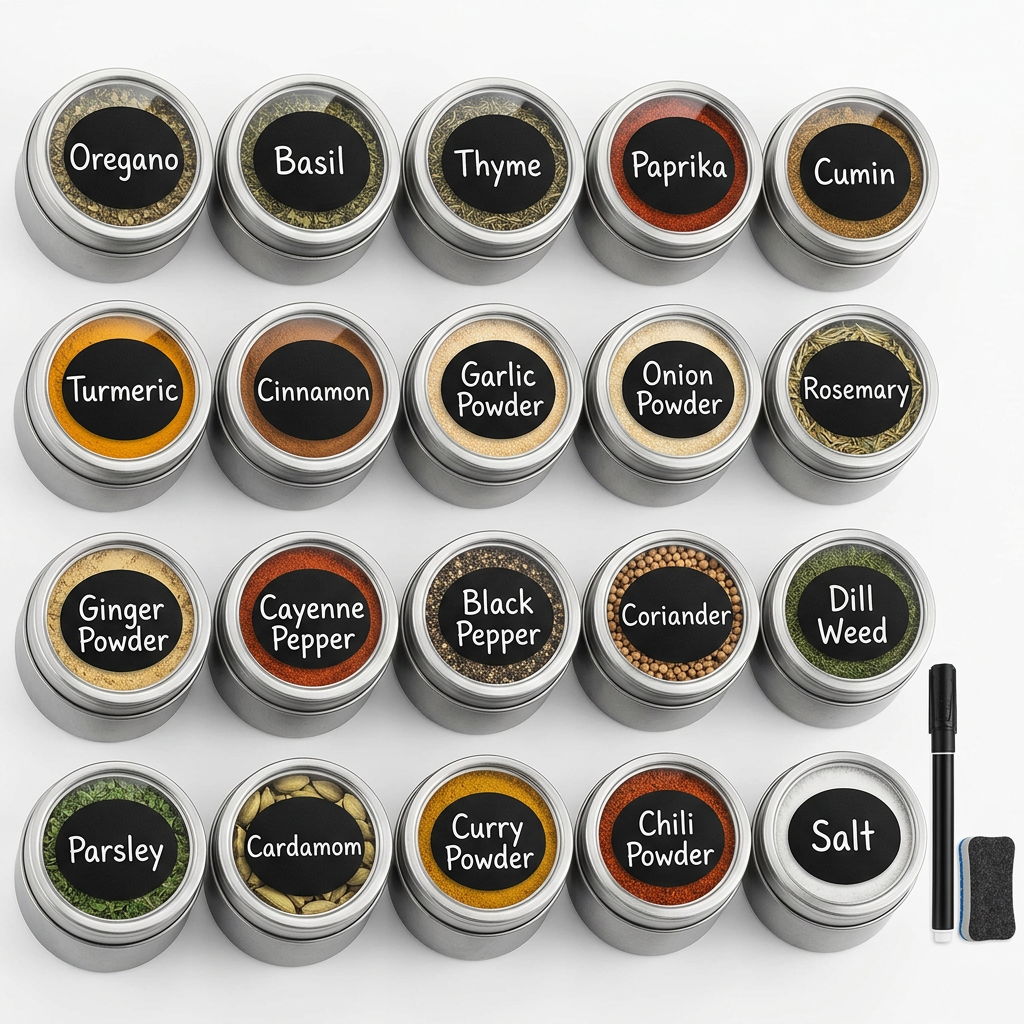
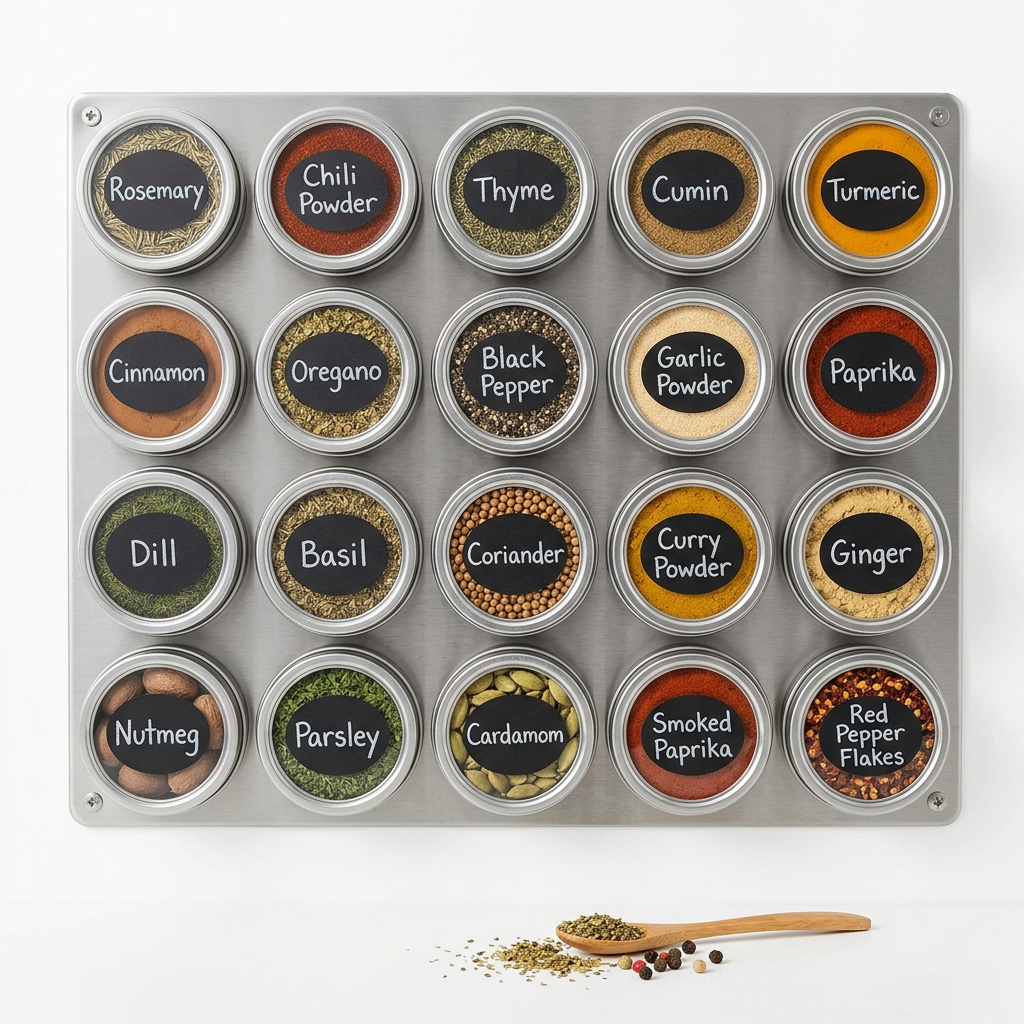
All the knowledge in the world about spices means nothing if your collection is stale, disorganized, and underutilized. The single most important thing you can do for your spice rack is simple: throw away anything that's been open for more than two years, and anything that doesn't smell immediately, vibrantly fragrant when you open it.
Here is a practical approach to building your collection:
---
Your Spice Journey Starts Tonight
The gap between where your cooking is right now and where it could be is not bridged by expensive equipment, professional training, or obscure techniques available only to culinary insiders. It is bridged, in large part, by what's sitting on your shelf — or more accurately, by what should be sitting on your shelf and isn't yet. Every spice tradition we've explored in this guide represents a doorway: through Indian cuisine into the architecture of flavor layering, through North African cooking into the beauty of complexity through blending, through East Asian traditions into the philosophy of sensory balance, and through the Americas into the profound, smoky heat of indigenous ingredient wisdom.
Start small if you need to. Pick one tradition that excites you — maybe it's the warmth of Moroccan cooking, maybe it's the electric buzz of Szechuan peppercorn — and commit to building that corner of your spice rack properly. Buy the whole spices. Toast them. Bloom them in fat before adding liquids. Pay attention to what changes in your food when you do these things carefully, and you will have learned something fundamental about how flavor actually works. That knowledge compounds with every dish you make.
The best cooks in the world — whether they're working in three-Michelin-star kitchens or feeding their families in modest home kitchens — share one characteristic: they treat spices with respect and curiosity rather than obligation. They understand that reaching for the right spice, used at the right moment, in the right way, is not a minor detail. It is, in the most literal sense, the whole point. Your global spice rack is waiting. Go build it.
Get the Next Recipe
Weekly recipes, techniques, and gear picks — straight to your inbox.
