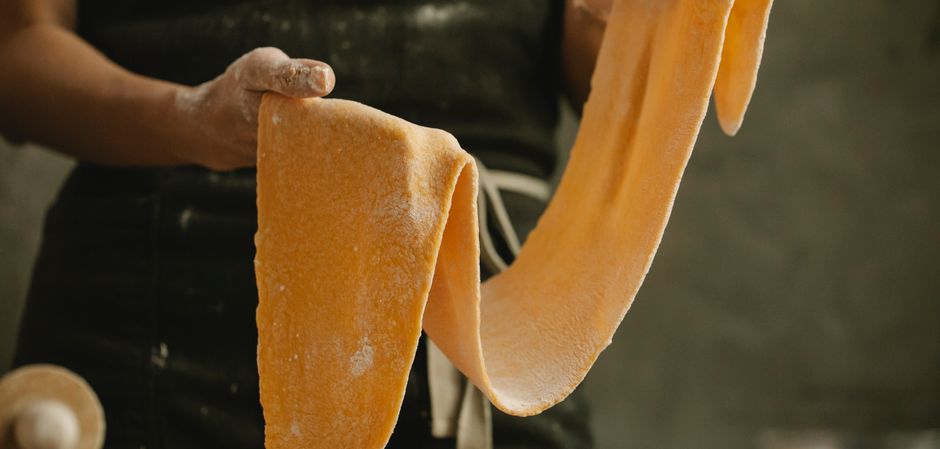
The Golden Ratio: Mastering Italian Pasta Dough with Perfect Hydration
Italian cuisine is a rich tapestry of flavors, traditions, and techniques that has captivated home cooks and professional chefs alike for centuries. Among its most beloved treasures is pasta, a simple yet profoundly versatile centerpiece of Italian meals. At the heart of pasta lies its dough, an alchemical blend of flour, water, and sometimes eggs, which, when handled with precision and care, transforms into silky, tender noodles. Mastering the art of making pasta dough is essential for any aspiring chef who wants to elevate their culinary repertoire and understand the true essence of Italian cooking.
An often overlooked aspect of pasta-making is the golden ratio—the perfect balance of flour to hydration, which in turn dictates the texture and pliability of the dough. The right ratios ensure that your pasta behaves not just like a mass of combined ingredients but becomes a cohesive, flexible canvas for myriad flavors and sauces. Understanding this ratio will not only enhance your pasta-making skills but will also empower you to innovate. Whether you're creating tagliatelle for a luscious ragu or ravioli filled with seasonal vegetables, every choice you make starts with mastering the dough.
Throughout this guide, we’ll delve deep into the intricacies of pasta dough hydration, exploring the key ingredients, techniques, and common pitfalls that often trip up even experienced cooks. With a step-by-step approach, you’ll learn how to formulate the right dough for your pasta dishes while gaining insights into how to adjust based on the ambient environment and your desired pasta type. This journey is less about adhering strictly to recipes and more about developing an intuitive understanding of pasta-making that you can apply across countless dishes and styles.
The Foundation of Pasta Dough: Ingredients Matter
To embark on your pasta-making journey, the quality of your ingredients will significantly influence the final product. Traditional pasta recipes are simple, usually comprising just two or three ingredients, yet each plays a crucial role.
Flour Types and Their Importance
The type of flour you choose is paramount. While different regions of Italy have distinct preferences, the most common flour used for homemade pasta is 00 flour, known for its ultra-fine grind and versatility. However, semolina flour and all-purpose flour can also be incorporated, depending on the texture you desire.
"Choosing the right flour is as important as the hydration itself. It's the very backbone of your pasta."
Water and Egg: Balancing Hydration
Water is the other substantial ingredient in your pasta dough, and the amount used can significantly affect its performance. The general rule of thumb for hydration is to use 1 cup of water for every 2 cups of flour; however, factors such as humidity and flour type can alter this ratio.
If you’re making egg pasta, which includes a significant amount of liquid from the yolk, you'll want to adjust your hydration accordingly. A typical ratio for egg pasta is about 1 egg per cup of flour, with some recipes calling for extra egg yolks for richness.
The Role of Salt and Other Enhancements
While traditional pasta dough is often made without salt, adding a pinch can enhance flavor. Some chefs also incorporate olive oil for added richness. If you choose to add salt or oil, do so sparingly, as too much will alter the dough's elasticity.
Mastering the Golden Ratio of Hydration
Understanding hydration is where many home cooks trip up. Perfect hydration leads to a smooth, pliable texture, while too little can create a dry, crumbly result. Conversely, too much hydration can lead to a sticky mess.
General Ratios
Here’s a simple rule to follow:
Adjusting for Humidity
Humidity levels can dramatically alter the hydration needs of your pasta dough. In particularly dry climates, you may find that your dough requires a little more water, while in humid environments, you may need less. Here’s how you can adjust:
"Feel the dough as much as you see it; it guides you to the right hydration."
Visual Cues to Perfect Pasta Dough
To gauge if your dough has the right consistency, rely on visual and tactile cues. Here’s what to look for:
Kneading Techniques for Optimal Texture
Once you have the ideal hydration, the next step is to knead your dough properly. Kneading activates gluten, giving your pasta the elasticity it needs to hold its shape while cooking.
Kneading by Hand vs. Machine
While many prefer to knead by hand, using a pasta machine can offer consistent results, especially for beginners. Here are the pros and cons of each method:
#### Hand Kneading
Pros:
Cons:
How to Hand Knead:
#### Machine Kneading
Pros:
Cons:
How to Use a Mixer:
The Resting Phase
Once kneaded, it’s essential to allow your dough to rest. This simple step is often overlooked but is crucial for developing the gluten structure, leading to easier rolling and better texture.
Rolling and Shaping: The Art of Pasta
After your dough has rested and achieved that ideal consistency, it’s time to roll and shape. This stage is where creativity truly comes into play, allowing you to manipulate your pasta into various forms for different dishes.
Rolling Techniques
You can roll pasta by hand with a rolling pin or use a pasta machine. Each method has its merits, and the choice depends on your comfort level and desired thickness.
#### Hand-Rolling
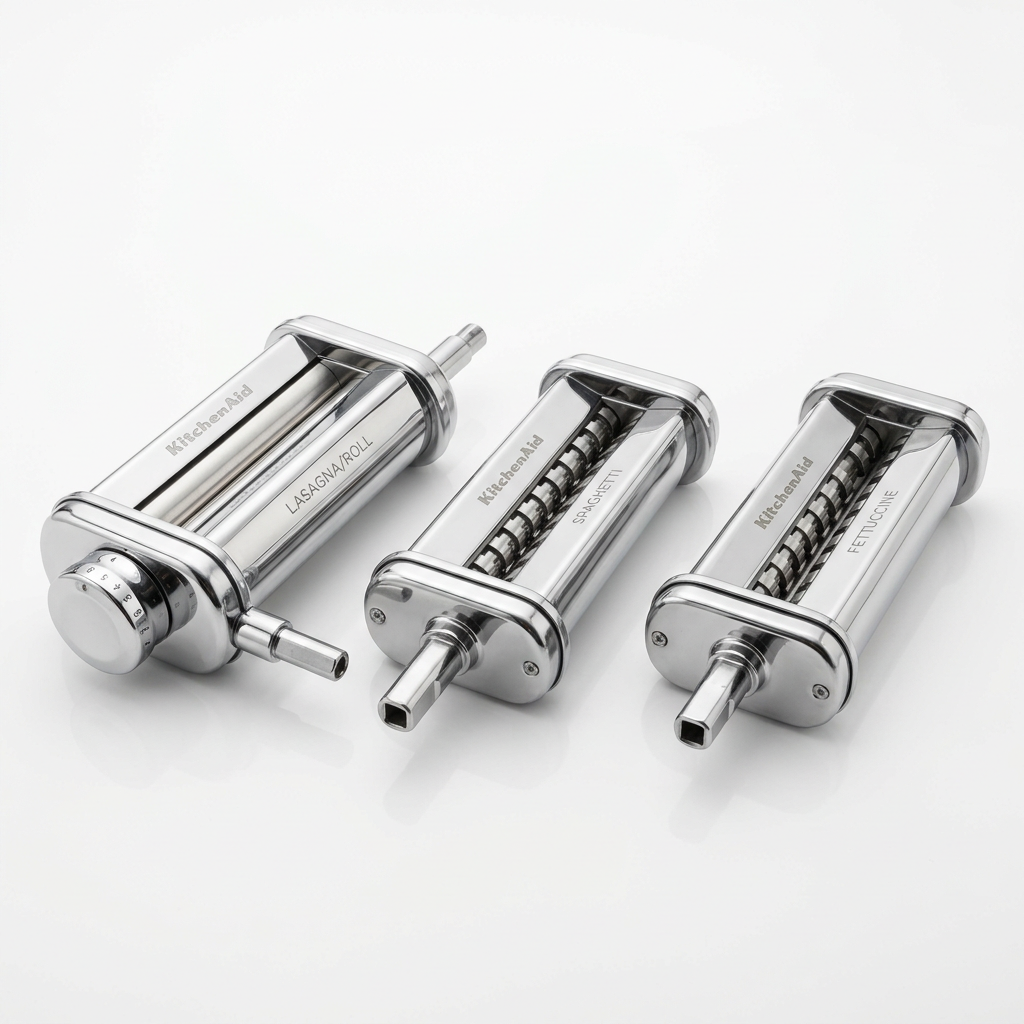
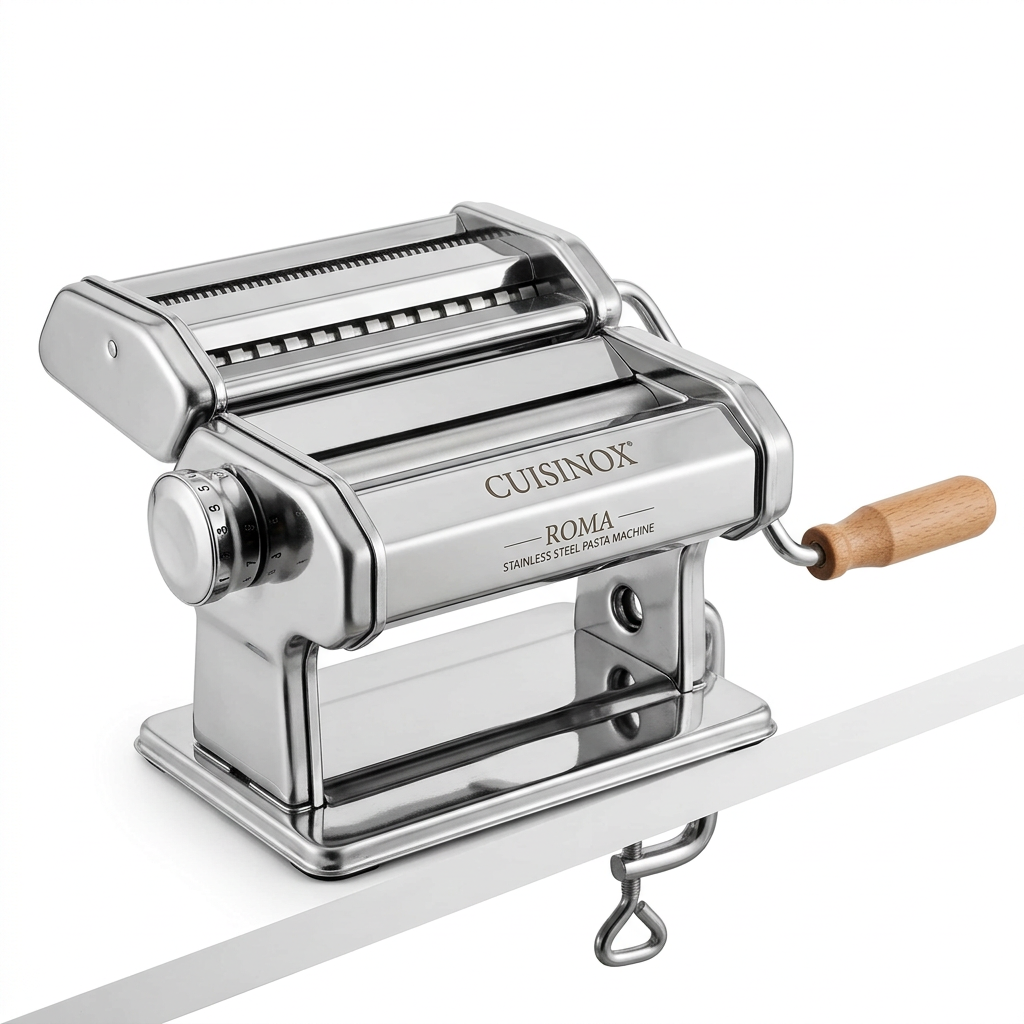
#### Using a Pasta Machine
Shaping Your Pasta
Now, you can create all sorts of delicious pasta shapes! Here are a few classic types:
"Each shape tells a story, echoing the place from which it originates. Take your time to explore."
Cooking Fresh Pasta to Perfection
Cooking fresh pasta is a nuanced skill, requiring attention to detail to achieve that coveted al dente texture. Unlike dried pasta, fresh pasta cooks more quickly and requires different techniques.
Boiling Water
Always start with a large pot of boiling, salted water:
Cooking Times and Techniques
Cooking times can vary depending on thickness and shape:
Always taste your pasta a minute before the stated cooking time; if it’s tender but still has a bite, it’s done!
Finishing with Sauce
Once cooked, pasta should be combined with sauce immediately for the best flavor. Reserve a little pasta water before draining; this starchy liquid can help bind your sauce to the pasta.
Experimenting with Flavors and Shapes
Once you have mastered the basic dough, the world of flavors is yours to explore. Infusing your pasta with different ingredients not only adds color but also alters the flavor profile.
Vegetable and Herb Infusions
Incorporating pureed vegetables or herbs can elevate your pasta dough:
Experimenting with Different Shapes
As you grow more confident, consider trying intricate shapes that challenge your skills:
"Don’t hesitate to let your creativity shine through. Italian pasta is a canvas waiting for your brush."
Conclusion
Mastering the hydration and preparation of pasta dough is a journey that transforms your understanding of Italian cooking. By paying close attention to the ingredient ratios, kneading techniques, and cooking methods, you’ll create beautiful, delicious fresh pasta that elevates any meal into a culinary experience.
As you explore the world of pasta-making, remember that each attempt brings a wealth of knowledge, allowing you to refine your technique further. Don’t shy away from making mistakes, as they often yield the most valuable lessons. Embrace the versatility that pasta offers, and let it inspire you to create your own dishes, rooted deeply in the age-old traditions of Italy yet infused with your unique touch.
Now, armed with knowledge of the golden ratio, cooking practices, and creative inspirations, it's time to roll up your sleeves, dust your workspace with flour, and embark on your pasta-making adventure. Buon Appetito!
Get the Next Recipe
Weekly recipes, techniques, and gear picks — straight to your inbox.
