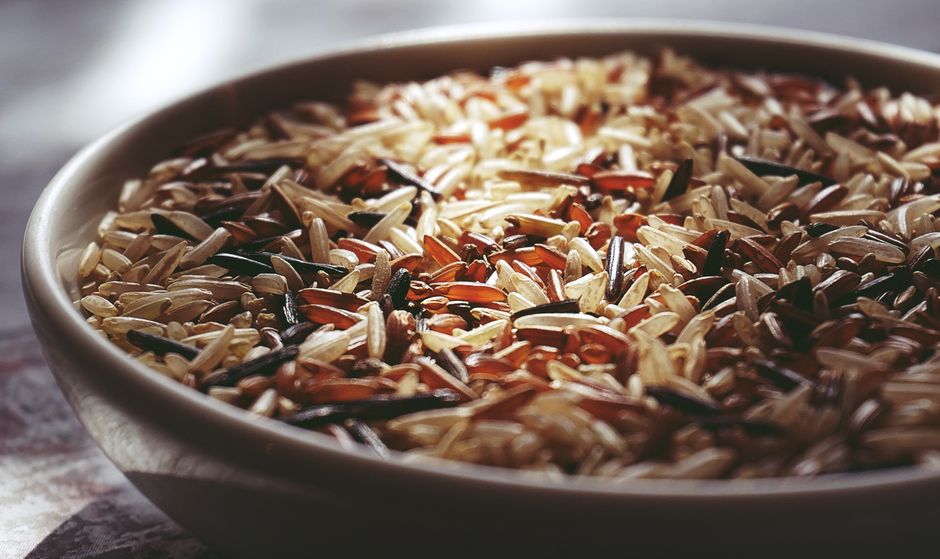
The Guide to Cooking Grains
Cooking grains is an art that every home cook should master. While some may view grains as mere side dishes or fillers, they are in fact versatile, nutritious, and can elevate any meal when prepared correctly. From the comforting warmth of a fluffy bowl of rice to the nutty undertones of quinoa, understanding the diverse world of grains can transform your cooking repertoire. Whether you're looking to incorporate healthier options into your diet or simply wanting to expand your culinary skills, this guide offers an in-depth look at how to cook various grains to perfection.
It's essential to start with the basics: knowing which grains are commonly used, what nutritional values they offer, and how they differ in their cooking methods. Grains have been a staple in diets worldwide, serving as a primary source of energy and nutrients. Whole grains, in particular, are rich in fiber, vitamins, and minerals, making them an excellent choice for health-conscious individuals. However, the journey to a perfectly prepared grain involves more than just boiling water and throwing in some seeds; it requires care, attention, and a bit of knowledge about the specific needs of each type of grain.
As you delve into cooking grains, you will soon discover that each variety has unique qualities and methods. In this guide, we will explore popular grains, their specific cooking techniques, flavor pairings, and tips for unearthing their potential. Get ready to unlock a culinary treasure trove as we delve into the world of grains, revealing the secrets to cooking them to enhance your meals and please your palate.
Understanding Different Types of Grains
Whole Grains vs. Refined Grains
Before you start cooking, it's essential to understand the difference between whole grains and refined grains. Whole grains retain all parts of the grain kernel – the bran, germ, and endosperm. This means they come packed with nutrients, including dietary fiber, B vitamins, and antioxidants. Examples of whole grains include brown rice, quinoa, barley, and farro.
On the contrary, refined grains have been milled to remove the bran and germ, resulting in a finer texture but stripping away many nutrients. Common refined grains include white rice, white flour, and certain types of pasta. While they can be more palatable and have a longer shelf life, incorporating whole grains into your diet can significantly contribute to your overall health.
"Choosing whole grains is not just about enhancing your nutrition; it can transform the way your meals taste and feel."
Nutritional Benefits of Grains
When it comes to nutrition, grains are powerhouses. They provide complex carbohydrates, essential for sustained energy throughout the day. Whole grains contribute to digestive health due to their high fiber content, which promotes regularity and can aid in maintaining a healthy weight. Moreover, they have been linked to a reduced risk of several chronic diseases, including heart disease, type 2 diabetes, and certain cancers.
Furthermore, grains contain valuable nutrients such as:
By incorporating a variety of grains into your cooking, you not only enhance the nutritional value of your meals, but you also introduce a diversity of flavors, textures, and culinary experiences.
The Culinary Versatility of Grains
Beyond their nutritional benefits, grains shine through their versatility. They can serve as side dishes, main components, or even breakfast staples. For example, you can enjoy quinoa as a salad base, bulgur as a breakfast porridge, and brown rice as a hearty side dish. The options are nearly endless!
When pairing grains with other ingredients, consider the texture and flavor profiles. An earthy barley can balance beautifully with a rich stew, while the light, fluffy nature of white rice can soak up delicious sauces. By understanding and experimenting with various grains, you can create meals that are not only nutritious but also pleasing to the palate.
Cooking Basics: Equipment and Techniques
Essential Cooking Tools
Before diving into specific grains, let’s discuss the essential tools that make the cooking process smoother:
"The right tools in your kitchen can make a world of difference when cooking grains."
Basic Cooking Method for Most Grains
While each grain has its own unique cooking method, many follow a basic formula that can be adapted:
This method serves as a reliable foundation, but keep in mind the specific cooking requirements of different grains for optimal results.
Flavor Enhancements
Elevating the flavor of your grains can be as simple as infusing them while they cook. Consider using:
By adding these elements, you can turn a simple grain into a flavorful base that complements your dish beautifully.
Cooking Specific Grains: A Deep Dive
Rice: The Staple Grain
Rice is one of the most universally consumed grains worldwide, and understanding how to cook it properly is paramount. Whether you’re preparing jasmine, basmati, or long-grain brown rice, here are some tips:
Cooking Guide for Jasmine Rice:
Quinoa: The Supergrain
Quinoa has gained tremendous popularity due to its high nutritional profile. It’s gluten-free and packed with protein, making it a favorite among health enthusiasts. Here’s how to cook it:
Cooking Guide for Quinoa:
Barley: The Nutty Delight
Barley, often overlooked, is a chewy grain that adds depth to soups and salads. It’s also packed with fiber, making it beneficial for digestion. Here’s how to cook barley:
Cooking Guide for Pearled Barley:
Farro: The Ancient Grain
Farro is an ancient grain that’s nutty and chewy, perfect for salads or warm bowls. While it requires a longer cooking time, its texture is well worth the wait. Here’s what to do:
Cooking Guide for Semi-Pearled Farro:
Millet: The Versatile Option
Millet is a gluten-free grain that acts like rice and can be used in a variety of dishes. It’s packed with nutrients and can be sweet or savory. Here’s how to cook millet:
Cooking Guide for Millet:
Incorporating Grains into Meals
Grains as Main Dishes
Grains can seamlessly transform into main dishes. Consider preparing grain bowls topped with various proteins and vegetables. Here’s how to build a grain bowl:
Grains in Soups and Stews
Grains can also enhance the heartiness of soups and stews. Adding barley to a vegetable soup or quinoa to a chicken broth creates a filling and satisfying meal. Just remember:
Salads with Grains
Grain salads can provide a nutritious, filling option for lunch or dinner. They not only pack texture but also boost the nutritional profile of traditional salads. Here are some tips for creating a grain salad:
Common Mistakes in Cooking Grains
Not Rinsing Grains
Many home cooks skip the rinsing step, especially with quinoa. This is a mistake! Rinsing grains helps to remove excess starch or bitterness, yielding a better final texture and taste.
Incorrect Water Ratios
Using the wrong water-to-grain ratio can lead to undercooked or mushy grains. It's always advisable to consult a reliable source or recipe for the specific grain you're working with.
Overcooking
Grains like quinoa and rice can easily go from perfectly cooked to mushy if overcooked. Using a timer and the recommended cooking times is crucial for achieving the right texture.
"Mastering the art of cooking grains is about more than just timing; it's an experience that enriches your culinary journey."
Conclusion
Cooking grains can open up a world of culinary possibilities. They are not just side dishes but can serve as the heart of a meal. From perfectly fluffy rice to nutty farro, mastering the cooking techniques for various grains transforms them into delectable components of your plate. By incorporating a variety of grains, you can create not only balanced and nutritious meals but also exciting flavor combinations that will impress your family and friends.
As you explore the attributes of different grains, remember to experiment with flavors, textures, and presentations. Embrace the cooking process, and with each grain you master, you’ll gain not only skills but also confidence in the kitchen. So gather your ingredients, reach for your tools, and let the grains take your cooking to new heights. After all, elevating your grain dish could lead to the next big culinary adventure in your home cooking journey!

Get the Next Recipe
Weekly recipes, techniques, and gear picks — straight to your inbox.
