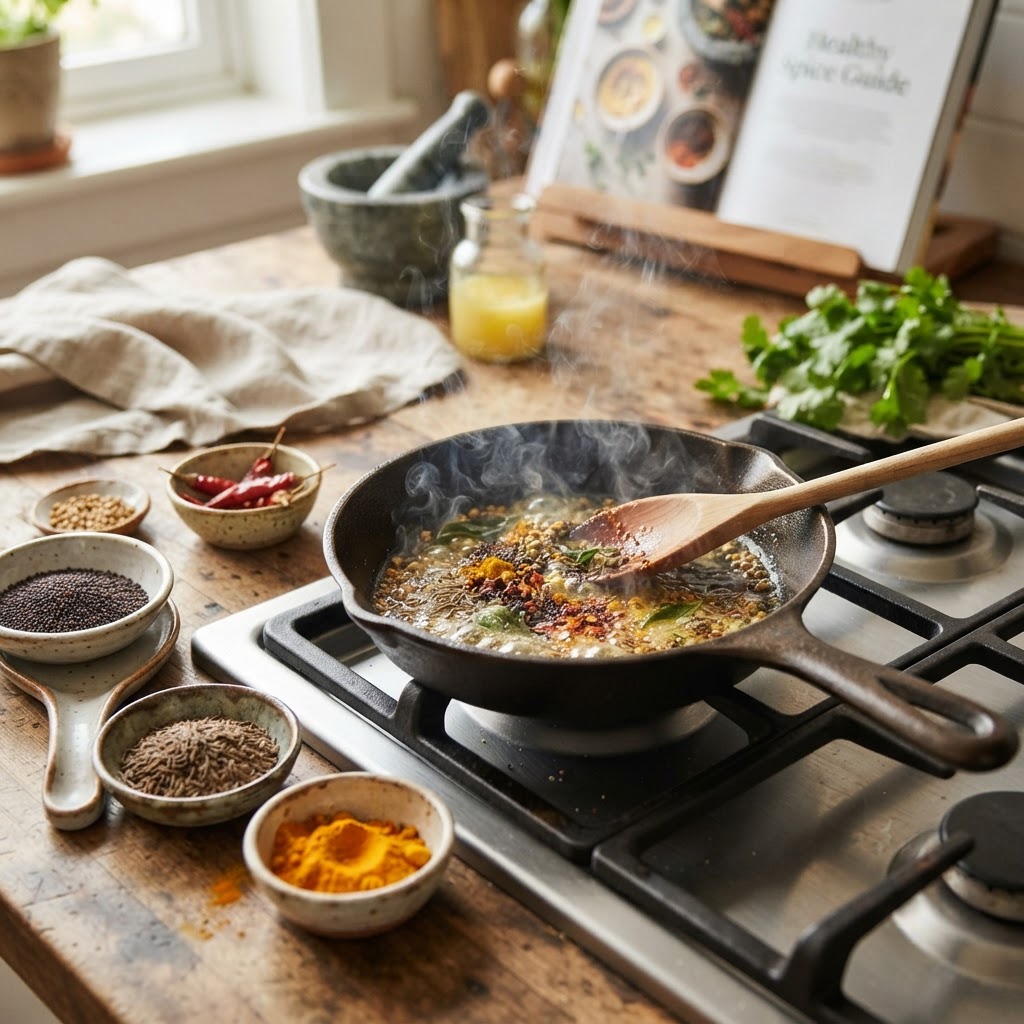
The Healthy Home Cook’s Guide to "Active-Cooking" Spices: How to Boost Antioxidant Capacity Through Toasting and Tempering
There is a prevailing myth in the culinary world that healthy eating is synonymous with deprivation, where the goal is to strip away flavor in favor of nutritional purity. As a professional chef, I have spent years debunking this notion by demonstrating that the most potent medicinal compounds in our pantry are often the very same ones that make our taste buds dance with excitement. When we speak about spices, we aren't just talking about aesthetic garnishes or simple flavor additives; we are dealing with complex phytochemical powerhouses that have been used for millennia to support human longevity. The secret, however, lies in how we treat these delicate botanical ingredients before they ever touch our proteins or grains. By mastering the art of active-cooking, you can fundamentally transform a standard weeknight meal into a robust, health-supporting experience that feels like a decadent indulgence.
The technique of unlocking flavor isn't merely a matter of culinary preference; it is a chemistry lesson that happens right on your stovetop. Many home cooks make the mistake of dumping dry, room-temperature spices into a liquid-heavy stew, which often results in a "raw" or "dusty" flavor profile that fails to activate the beneficial oils contained within the plant matter. By utilizing heat-driven techniques like toasting and tempering, you are essentially performing a form of culinary alchemy that renders nutrients more bioavailable while simultaneously deepening the sensory experience of the dish. Whether you are working with the earthy warmth of turmeric or the sharp, pungent bite of black mustard seeds, understanding the thermal limits of these ingredients is the difference between a mediocre meal and a restaurant-quality triumph. This guide is designed to shift your perspective on your spice rack, turning it from a static collection of jars into an active, functional, and deeply nourishing toolset.
In this deep dive into active-cooking, we will explore the precise scientific mechanisms that govern how heat alters the antioxidant capacity of our favorite spices. We will look beyond the surface level of simple recipes and into the foundational techniques of professional kitchens, focusing on how heat exposure affects volatile compounds and phytochemical stability. My goal is to equip you with the confidence to manipulate these ingredients with precision, ensuring that you are extracting the maximum possible health benefits from every pinch and dash. We will walk through the exact temperatures, timing, and sensory cues required to master the art of the tadka and the dry roast, all while maintaining the integrity of the delicate essential oils that provide these spices with their protective, health-promoting properties. Prepare to look at your spice drawer with newfound respect, because today, we are turning your kitchen into a laboratory for wellness.
The Chemistry of Flavor: Why Heat Matters
When you toast a spice, you are facilitating a series of chemical reactions, most notably the Maillard reaction and the thermal degradation of inhibitory enzymes. These processes don't just change the flavor; they often break down tough cellular walls within the spice, which allows for the release of lipophilic antioxidants that might otherwise remain trapped. For the healthy home cook, this means that the act of "waking up" your spices is a critical bridge between a simple meal and a functional food. By understanding these shifts, you gain control over the bioavailability of compounds like curcumin in turmeric or piperine in black pepper.
Toasting, specifically, is a dry-heat method that removes residual moisture from the spice, which acts as a protective shield against flavor degradation over time. As the water evaporates, the volatile oils—the concentrated essence of the spice—become more prominent. When these oils are heated, they expand and break out of the spice’s fibrous structure, scenting the air and signaling that the active compounds are ready to be integrated into your dish. If you fail to toast, you are often serving your body a "muted" version of the spice, missing out on the full synergy of its nutritional profile.
The goal here is consistency. You should view heat as a catalyst. When a spice is added to a fat—a process we call tempering—those volatile oils are immediately dissolved into the lipid medium, essentially creating a seasoned infusion that can permeate every aspect of your recipe. This is far more effective than just sprinkling spices on top at the end, as the fat acts as a delivery vehicle, helping your body absorb fat-soluble antioxidants more efficiently. By mastering the balance between temperature and time, you ensure that you are never burning the spices, which would create bitter, acrid compounds that counteract the very health benefits you seek.
Understanding Thermal Thresholds
Every spice has a "smoke point" or, more accurately, a point of degradation. Fine powders like cinnamon or ground ginger have a high surface area and can burn in seconds if added to a dry pan that is too hot. Conversely, whole seeds like cumin, coriander, or mustard possess a dense, protective outer husk that requires longer, moderate-heat exposure to reach its aromatic peak. Always start with a cool or moderately heated pan, and remember that spices will continue to cook for several seconds even after being removed from the heat.
The secret to a dish that glows with health isn't in adding more spices; it is in how you treat the ones you already have. A well-toasted seed is a medicinal dose; a burnt one is merely ash.
Mastering the Dry Roast: Technique and Precision
The dry roast is the cornerstone of a vibrant culinary practice, particularly when working with whole spices. The technique requires a heavy-bottomed skillet—cast iron or stainless steel are ideal—to ensure even heat distribution. You want to toast your spices over medium-low heat, constantly agitating the pan to prevent localized burning. The visual cue is a slight darkening of color and, more importantly, an immediate, intense aroma that fills your kitchen. Once you smell that "punch" of fragrance, you must immediately remove the spices from the pan.
The Sensory Cues of Success
Timing is everything in the dry roast. You are looking for a transition: when the spices move from a "raw/earthy" smell to a "nutty/toasted" smell, that is your window of opportunity. This usually takes between 90 seconds and three minutes, depending on the density of the seed. If you see smoke, you have gone too far; the essential oils have oxidized, and the antioxidants are likely being destroyed. When you nail the timing, the texture of the spice changes, becoming slightly more brittle, which makes them much easier to grind into a fine, flavorful powder.
The Professional’s Workflow for Grinding
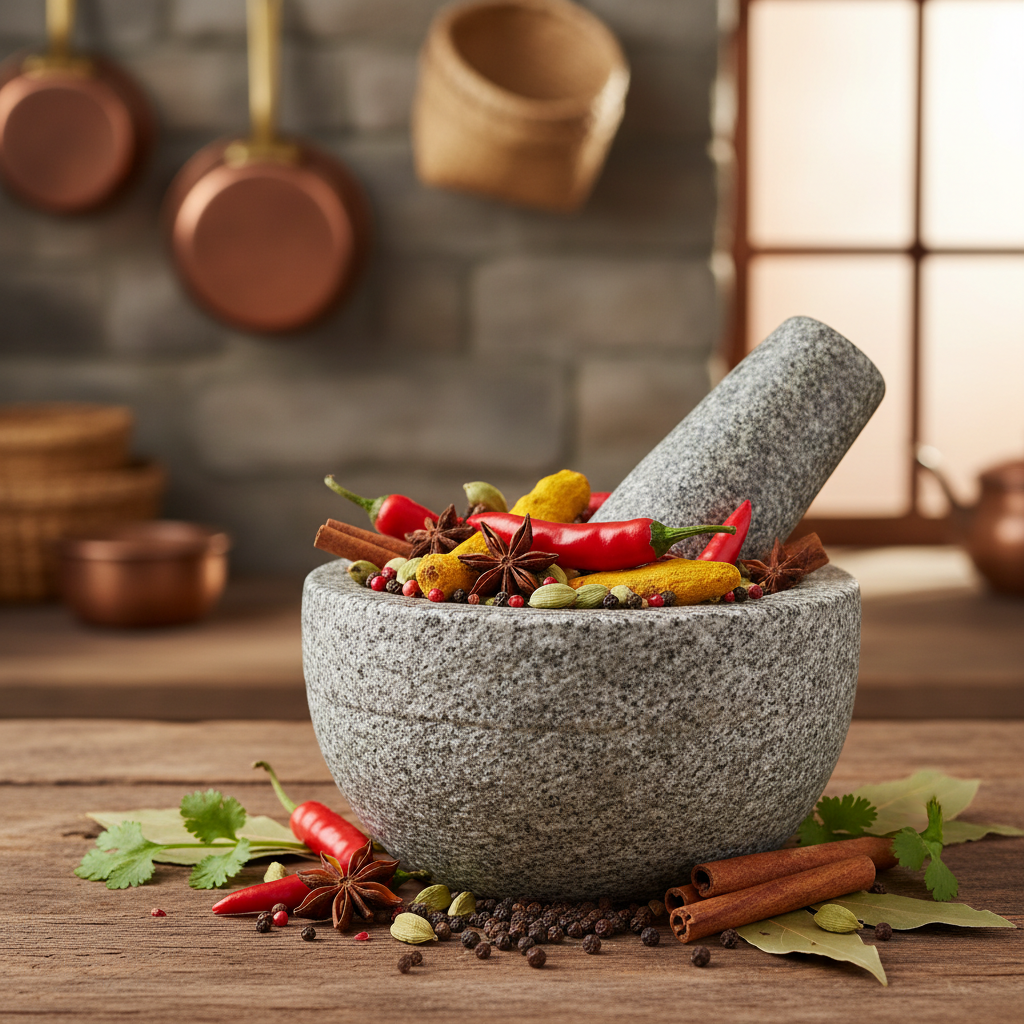
After dry roasting, allow the spices to cool completely on a ceramic plate before grinding. Cooling is essential because hot spices grind unevenly and can cause the essential oils to evaporate into the air of your blender or mortar rather than staying within the powder. I recommend using a dedicated spice grinder or a granite mortar and pestle to preserve the integrity of the volatile compounds. If you are using a mortar and pestle, the rhythmic crushing motion actually helps to release even more aromatic oils, a step you miss with high-speed electric blades.
The Art of Tempering: Using Fat as a Conduit
Tempering, often referred to as tadka or chhonk in Indian cuisine, is the act of frying whole or ground spices in a small amount of hot fat—ghee, coconut oil, or high-quality olive oil. This is perhaps the most efficient way to maximize the antioxidant capacity of your food. Because many beneficial compounds, such as carotenoids and curcuminoids, are lipophilic, they require a fat medium to travel through the digestive system and be absorbed by the body. By heating these spices in fat, you are creating a "nutritional extraction" that is then poured over your finished lentils, vegetables, or proteins.
The "Sizzle" Factor
The process of tempering is auditory. You know your fat is at the correct temperature when you add your spices and they immediately begin to pop or sizzle. If they sink without a sound, the oil is too cold, and you are merely soaking the spices rather than activating them. If they turn black the moment they hit the oil, you have overheated the pan. Aim for a medium-heat setting and keep your spices close by, as the entire tempering process should take no longer than 30 to 60 seconds.
Choosing Your Fat
For healthy home cooking, choose fats that have a stable smoke point. Ghee (clarified butter) is a classic choice for tempering because it handles high heat well and adds a nutty, rich undertone. If you prefer plant-based fats, avocado oil or refined coconut oil are excellent alternatives. Avoid extra-virgin olive oil for high-heat tempering, as its delicate phenolic compounds can break down when subjected to the temperatures required for a proper tadka. Reserve your cold-pressed oils for finishing drizzles, not for the heat-intensive activation of your spices.
Tempering is the culinary equivalent of an ignition key. It takes the latent, sleeping potential of a dry spice and converts it into a vibrant, bioavailable engine of health that fuels your body from the inside out.
Antioxidant Synergy: Why Mix Your Spices?
In the world of nutrition, we often focus on "superfoods" in isolation, but the real magic happens through synergy. Certain spices are better together. For example, adding black pepper to turmeric is a classic functional pairing because the piperine in the pepper increases the bioavailability of curcumin by up to 2,000%. When you toast these together in a fat medium, you aren't just making a tasty meal; you are creating a synergistic health supplement. This is the beauty of active-cooking—it allows you to craft combinations that work in concert to fight inflammation and oxidative stress.
The "Big Three" Combinations for Daily Health
I encourage my clients to start with these three core "activation" blends:
Balancing Intensity
When creating your own blends, always lead with a "base" spice and accent with a "top note." Base spices are heavy, earthy flavors like coriander or cumin. Top notes are sharp or pungent, like mustard seed, cloves, or black pepper. A good rule of thumb is a 3:1 ratio of base to top note. This prevents one flavor from overpowering the dish while ensuring that you get a well-rounded nutritional benefit from the variety of botanical compounds present.
Storage and Integrity: Protecting Your Investment
Even the most perfectly toasted spice will lose its potency if it is stored improperly. Light, heat, and moisture are the enemies of antioxidant stability. If you are serious about active-cooking, your spice collection should be kept in opaque, airtight glass containers in a cool, dark cupboard. Avoid keeping your spices right next to the stove, as the constant fluctuations in temperature will cause the essential oils to degrade rapidly. If you buy spices in bulk, keep the majority of your supply in the freezer and refill your daily-use jars as needed.
The Shelf-Life Reality Check
Whole spices have a longer shelf life, usually six to twelve months, because the protective husk keeps the oils inside. Once you grind them, that surface area increases, and the oxidation process accelerates. For the healthiest results, aim to grind only what you need for the week. If you have been keeping a tin of ground cumin for three years, it is time to discard it. It provides no nutritional value and has likely become oxidized, which can actually produce free radicals that you are trying to avoid.
Signs of Oxidation
How do you know if your spices have "gone bad"? Trust your nose. A fresh, high-quality spice should have a distinct, bright, and heady aroma. If you open a jar and have to stick your nose right up to the rim to catch a faint, dusty scent, the spice has lost its volatile oils. It is essentially flavorless filler at that point. When you invest in high-quality, organic, whole-seed spices, you are investing in your long-term health, so do not let them linger past their prime.
Troubleshooting Common Culinary Blunders
Even experienced chefs run into issues when manipulating spices. The most common mistake is impatience. Beginners often crank the heat to high to speed up the process, resulting in scorched spices that leave a bitter, medicinal aftertaste. If this happens, there is no "fixing" it—the bitter compounds have already permeated the oil or the dish. You must discard it and start over. Learn to work with the residual heat of your pan; if the pan is too hot, take it off the flame entirely before adding your seeds.
The "Too Much" Problem
Another frequent error is over-seasoning. When you toast and temper, the flavor of the spice is amplified significantly. A teaspoon of "raw" cumin is very different from a teaspoon of "tempered" cumin. When you first start using these techniques, start with half the amount the recipe calls for, then taste as you go. You can always add more, but you cannot subtract the intensity once the aromatics have been fully infused into the dish.
Understanding Bloom
A "bloom" refers to the stage where the spice has successfully released its flavors into the fat. You will notice the color of the fat changing, becoming golden or reddish, and the aroma will shift from "raw" to "cooked." This is the peak of the bloom. Once you hit this, you should immediately introduce your liquid or base ingredients (like onions, tomatoes, or proteins) to stop the cooking process and capture those flavors. Do not let the tempered spices sit in the oil for more than a minute.
You are not just cooking to satisfy hunger; you are cooking to satisfy the body's need for complex, protective nutrients. Master the spice, and you master the health of your home.
The Future of Healthy Home Cooking
As we look toward the future of home kitchens, the trend is moving away from processed "flavor enhancers" and toward the intentional use of botanical power. Active-cooking is not a trend; it is a return to traditional culinary wisdom backed by modern nutritional science. By treating your kitchen as a place of precision and care, you are taking an active role in your own health. You are choosing to move away from the bland and the pre-packaged, opting instead for a vibrant, spice-forward life that celebrates the complexity of nature.
Why This Matters for Longevity
Chronic inflammation is a significant driver of modern health concerns, and the consistent, daily intake of diverse phytochemicals—achieved through proper spice preparation—is a powerful intervention. You are essentially creating a internal environment that is more resilient. By making these small adjustments to your technique—toasting, tempering, and grinding fresh—you are not just cooking; you are building a biological defense system. It is a small investment of time for a massive payoff in long-term wellness.
Your Culinary Journey
I encourage you to spend this weekend experimenting. Take a single spice—let's say coriander seed—and try it three ways: raw, lightly toasted, and then tempered in a small amount of ghee. The difference will be immediate and profound. You will taste the story of the spice in each version, and you will understand, on a sensory level, why professional chefs insist on these techniques. This is the moment your cooking transforms from a chore into a craft.
Final Thoughts
The journey toward a healthier, more vibrant home-cooking practice does not require a culinary degree or an expensive kitchen renovation. It requires curiosity, a bit of patience, and a willingness to engage with your ingredients on a deeper level. By embracing the techniques of toasting and tempering, you are fundamentally upgrading the nutritional value of your meals while elevating the flavor profile to levels that most home cooks only dream of. Remember that every spice in your pantry holds a potential that is waiting for the right thermal trigger to be unleashed.
As you move forward, keep a record of your favorite combinations. Note the temperatures that yielded the best results and the textures that you personally prefer. The art of active-cooking is personal; it is an exploration of how you relate to your food and how you choose to nourish your body. Do not fear the heat, and do not underestimate the power of a simple, well-executed spice base. You are the architect of your kitchen, and with these tools in your hand, you are well on your way to becoming the master of your own culinary health.
Take this guide as a starting point. Experiment with new spices, try different oils, and never stop questioning how the methods you use impact the final product on your plate. Whether you are sautéing a simple handful of spinach or slow-cooking a nutrient-dense stew, the principles remain the same. The heat, the timing, and the care you put into the process are what define the quality of the meal. Keep your spices fresh, your techniques sharp, and your commitment to your health as your primary focus. The result will be a home filled with the most incredible aromas and a body that truly benefits from every delicious bite. Your journey toward the perfect, health-supportive meal begins with that first, fragrant sizzle in the pan. Embrace it, master it, and above all, enjoy the process of becoming a truly active, informed, and inspired home cook.
Get the Next Recipe
Weekly recipes, techniques, and gear picks — straight to your inbox.
