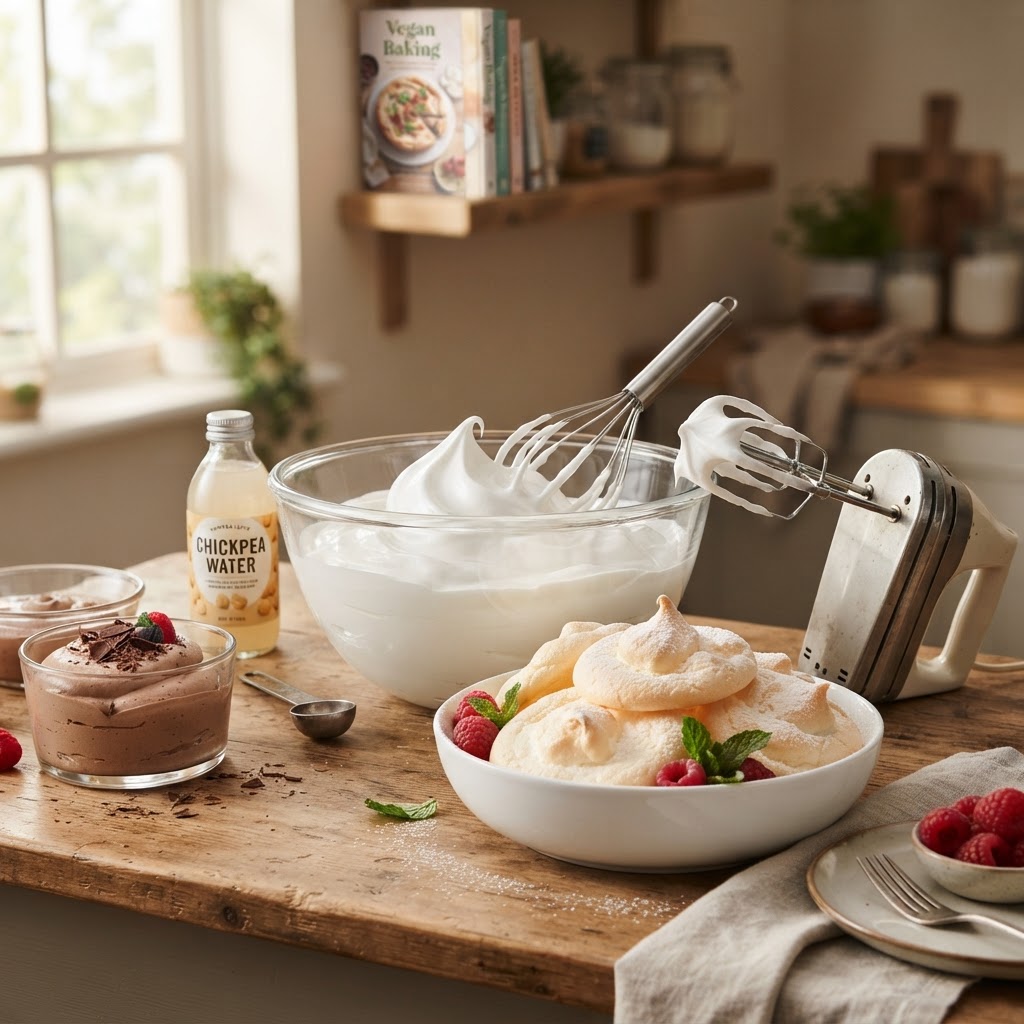
The Healthy Home Cook’s Guide to "Aquafaba Whipping": Mastering Protein-to-Air Ratios for Vegan, Egg-Free Meringues and Mousses
For decades, the culinary world operated under the rigid assumption that structural aeration—the airy, ethereal lift found in soufflés, meringues, and mousses—was an exclusive domain governed by the albumin found in chicken eggs. As home cooks, we were taught that if you wanted a stable foam, you needed the protein network of an egg white to trap air bubbles. However, a culinary revolution has occurred in the humble liquid inside a can of chickpeas. Aquafaba, the viscous byproduct of cooked legumes, has shifted the paradigm of plant-based baking entirely. By understanding the specific protein-to-air ratios and the chemistry of saponins, any home cook can achieve professional-grade results without ever cracking an eggshell.
Mastering aquafaba whipping is not merely a vegan substitute; it is a masterclass in food science that rewards the curious cook. When you drain that can of beans, you are not discarding waste; you are harvesting a functional ingredient that behaves remarkably similarly to egg whites. The secret lies in the balance of proteins and carbohydrates that naturally migrate from the chickpeas into the cooking water. Once you learn how to manipulate these molecules through physical agitation—better known as whisking—you unlock the ability to create everything from crisp, melt-in-the-mouth meringues to rich, decadent chocolate mousses that defy logic.
In this guide, we will move beyond the basic "whip it until it’s fluffy" advice and dive into the mechanics of protein-to-air ratios. We will explore the critical importance of temperature, the role of stabilizing agents like cream of tartar, and the sensory cues that signify the transition from soft to stiff peaks. Whether you are a strictly plant-based chef or a curious omnivore looking to reduce your reliance on processed additives, this guide will provide you with the professional techniques necessary to elevate your home kitchen creations. Prepare to rethink what you know about the properties of beans and the architecture of delicate desserts.
The Science of Aquafaba: Why It Works
At its molecular level, aquafaba is a complex mixture of proteins, starches, and other plant solids that have leached into the water during the boiling process. Unlike water, which has high surface tension and cannot hold air, the proteins in aquafaba act as surfactants. These surfactants reduce the surface tension of the liquid, allowing for the formation of stable air bubbles when mechanical energy—usually from an electric mixer—is applied.
The Role of Saponins
The most important players in this process are saponins, which are natural foaming agents. These compounds are essentially detergents that migrate to the interface between the air and the liquid. As you whip the aquafaba, these saponins stabilize the air bubbles, preventing them from collapsing immediately. This is the exact mechanism that occurs in traditional egg white meringues, making aquafaba a functional biochemical equivalent.
Concentration Matters
Not all aquafaba is created equal. The concentration of proteins depends heavily on how the legumes were cooked. If you are using canned chickpeas, you want a liquid that has the consistency of raw egg whites. If your liquid looks thin and watery, it likely lacks the necessary protein density to create a stable foam.
"The true magic of aquafaba isn't just in the foam; it's in the realization that nature provides the perfect stabilizers for every culinary challenge we face in the home kitchen."
Preparation and Equipment: Setting the Stage for Success
Before you even plug in your mixer, you must ensure your environment is optimized for aeration. The primary enemy of a stable foam is fat. Any residual oil, butter, or yolk residue on your mixing bowl or whisk attachment will prevent the proteins from aligning correctly, resulting in a flat, sad liquid rather than a towering cloud of foam.
Choosing Your Vessel
Always use a metal or glass bowl for whipping aquafaba. Plastic bowls have a tendency to retain microscopic layers of oil from previous cooking projects, which can inhibit the expansion of your proteins. A stainless steel bowl is the gold standard for home cooks, as it is non-porous and can be chilled in the refrigerator beforehand, which further helps in stabilizing the air bubbles as they form.
Temperature Control
While aquafaba can technically be whipped at room temperature, professional chefs often prefer starting with a slightly chilled liquid. This slows down the rate at which the air bubbles expand, allowing for a tighter, more uniform foam structure. Aim for a temperature range between 55°F and 60°F (12°C to 15°C) to ensure the best balance between volume and stability.
Mastering the Whipping Process: A Step-by-Step Guide
The process of turning liquid into solid-like foam is a progression of structural integrity. You are moving from a thin liquid to bubbles, then to a stable network of protein-coated air pockets. Patience is your greatest tool; rushing this process by using too high of a speed immediately will result in large, irregular bubbles that burst easily.
Phase 1: The Initial Agitation
Start your electric hand mixer or stand mixer on low speed. You want to break the surface tension of the liquid slowly. Within thirty seconds, you should see the liquid turn translucent and then white. At this point, the bubbles will be large and uneven. This is the time to add your stabilizing agent, such as 1/8 teaspoon of cream of tartar or a drop of lemon juice, which adjusts the pH to help the proteins bond.
Phase 2: Building the Matrix
Once the liquid has become frothy, increase the speed to medium-high. You are now incorporating air at a faster rate. As the bubbles get smaller, the mixture will become opaque. Watch for the stage where the foam holds its own shape when you lift the whisk, but the tip flops over—this is the soft peak stage. This is the ideal consistency for folded mousses or folded batters.
Phase 3: The Stiff Peak Goal
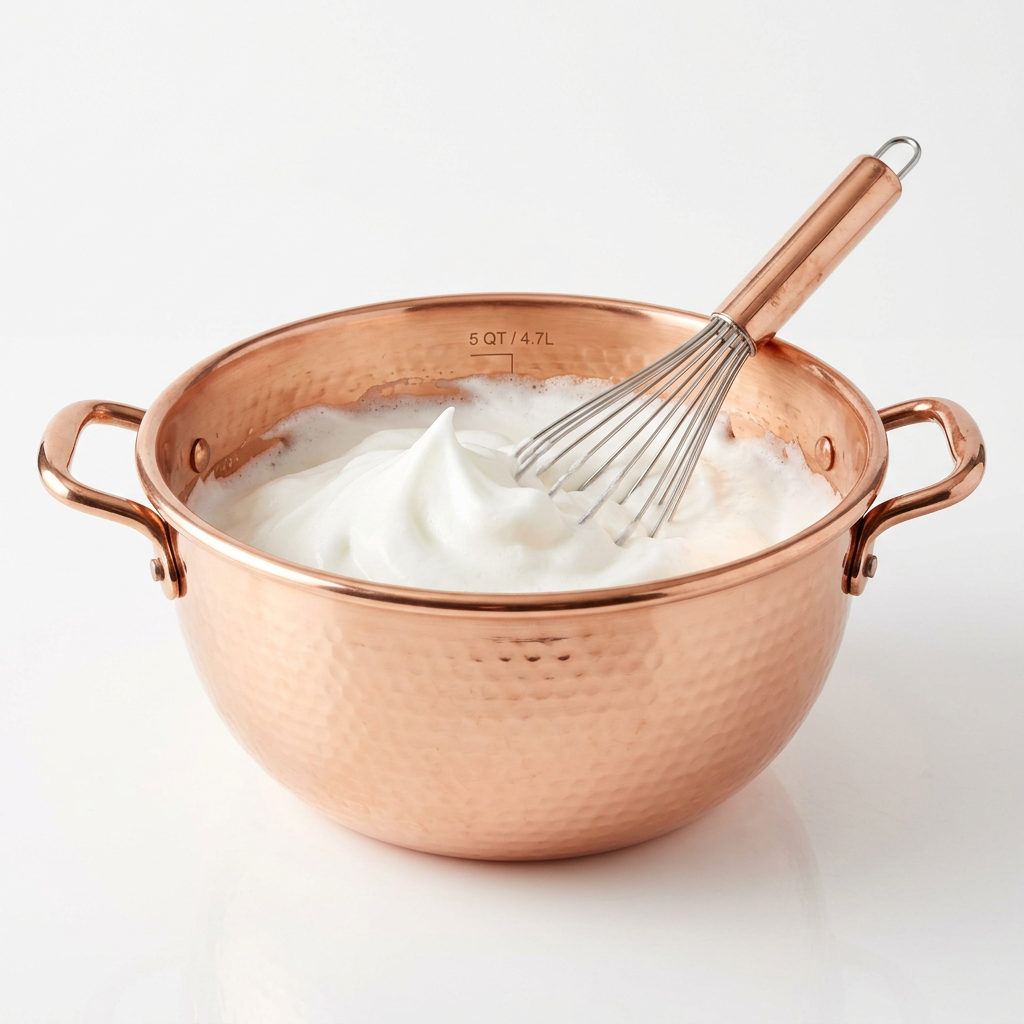
To reach stiff peaks, which are required for baking meringues, continue whisking at medium-high speed. The volume will have increased significantly—often up to six or seven times the original volume of the liquid. The mixture should look glossy and feel very dense. If you can turn the bowl upside down without the mixture sliding out, you have reached the gold standard of aquafaba aeration.
The Art of Meringues: Ratios and Baking
Once you have mastered the stable foam, the next challenge is transforming that foam into a crisp meringue. The golden ratio for a standard aquafaba meringue is roughly 1 part aquafaba to 2 parts granulated sugar by weight. The sugar is essential not just for sweetness, but for providing the structural support that prevents the meringue from collapsing in the heat of the oven.
Incorporating the Sugar
Do not dump all the sugar in at once. This will weigh down the proteins before they have a chance to build a network. Instead, add your superfine or caster sugar one tablespoon at a time, allowing the mixer to incorporate each addition fully before adding more. You are looking for a meringue base that is silky, glossy, and holds sharp, upright peaks.
Low and Slow Baking
Meringues are dried, not baked. Because there are no egg proteins to coagulate into a solid structure, you need to evaporate the moisture from the foam while leaving the structural sugar lattice intact. Set your oven to 200°F (95°C) and bake for at least 90 to 120 minutes. If you pull them out too early, the center will remain gummy and the meringue will collapse as it cools.
"A perfectly dried aquafaba meringue is a triumph of patience; it should be light as air and dissolve the moment it hits your tongue."
Troubleshooting Common Aquafaba Failures
Even experienced chefs encounter issues with aquafaba. Because it is a natural product, the protein content can vary from brand to brand of chickpeas, or even batch to batch if you are boiling them yourself. Understanding why a foam fails is the key to becoming a master of the craft.
Why Your Foam Won't Whip
If your aquafaba remains liquid after five minutes of high-speed whisking, the most likely culprits are residual fat or a low protein content. Check your bowl for cleanliness and ensure you haven't accidentally included any bean solids or oil in the liquid. If the liquid is simply too thin, you can "reduce" the aquafaba by simmering it on the stove for 10-15 minutes to evaporate the water, then letting it cool completely before whipping.
The Problem of "Weeping" Meringues
If your meringues develop a sticky syrup at the base, it is usually a sign of undissolved sugar. This is why using superfine or powdered sugar is often better for home cooks. Alternatively, ensure that you are whipping the mixture until the sugar is fully incorporated and the mixture feels cool to the touch. If the kitchen is particularly humid, your meringues will naturally absorb moisture from the air, so keep them in an airtight container as soon as they are fully cooled.
Creating Silky Mousses and Folded Desserts
The beauty of aquafaba goes far beyond meringues. Because the whipped foam has such a neutral flavor (once sweetened and flavored), it serves as the perfect base for chocolate mousses, fruit whips, and even airy cake batters. The key to successfully incorporating aquafaba foam into other ingredients is the folding technique.
The Gentle Fold
Never use a whisk to incorporate a heavy base (like melted chocolate or fruit puree) into your whipped aquafaba. You will pop the air bubbles you worked so hard to create. Instead, use a large rubber spatula and a "cut-and-fold" motion. Cut through the center of the mixture, pull the spatula along the bottom of the bowl, and lift the mixture over the top. Rotate the bowl as you work.
Adding Structure
For a mousse that needs to set in the refrigerator, consider adding a thickening agent to your base, such as high-quality melted dark chocolate or a plant-based gelatin alternative like agar-agar. The fat in the chocolate will stabilize the foam even further, creating a rich, decadent texture that mimics high-end French patisserie.
Advanced Techniques: Beyond the Basics
Once you are comfortable with the basics, you can start experimenting with additives to change the flavor and texture of your aquafaba foams. You can incorporate extracts, zests, or even spice infusions into the liquid before you begin whipping. The proteins in the aquafaba will carry the flavor compounds throughout the foam, creating a multidimensional dessert experience.
Flavor Infusions
Try adding a teaspoon of vanilla bean paste, a pinch of cream of tartar, or even a teaspoon of cocoa powder. Remember that adding too much liquid flavoring can thin the foam, so opt for concentrated extracts or powders wherever possible. If you are adding zest, ensure it is microplaned to a fine dust to avoid large pieces of citrus rind tearing the delicate air bubbles.
The "Gelatin" Trick
If you are planning to serve your mousse at a dinner party and need it to hold up for hours, you can add a small amount of agar-agar to the liquid before whipping. While this is an advanced technique, it adds a level of structural security that is unmatched. Boil your aquafaba with a tiny amount of agar, let it cool to a gel, then break it up with your whisk and proceed with the standard whipping instructions.
* Always start with a clean bowl to prevent fat interference.
* Use cream of tartar for consistent, professional-grade results.
* Add sugar gradually to build a strong protein-sugar matrix.
* Fold, never stir, when mixing in heavy ingredients.
* Reduce thin aquafaba on the stovetop to concentrate proteins.
Final Thoughts
The shift toward aquafaba in the home kitchen is one of the most exciting developments in modern culinary history. It bridges the gap between science and art, proving that we do not need animal products to achieve the complex textures that define great pastry. By mastering the protein-to-air ratios and respecting the delicate nature of the foam, you are not just making a "substitute"—you are crafting a sophisticated dessert that stands on its own merits.
Do not be discouraged if your first batch isn't perfect. The beauty of this process is that even a failed batch of meringue or mousse is usually still delicious, even if it lacks the structural integrity of a perfect peak. Keep your whisking steady, keep your bowl clean, and continue to experiment with the ratios until you find the perfect balance for your kitchen’s environment. You have the tools, the science, and the technique; now, it is time to let the chef in you take control of the whisk.
"True culinary mastery isn't about following a recipe to the letter, but understanding the ingredients well enough to coax them into doing exactly what you want."
As you move forward with your aquafaba journey, remember that the goal is joy. Whether you are whipping up a batch of airy lemon mousse for a summer brunch or crisp chocolate meringues for a winter party, the process should be as enjoyable as the result. You are part of a growing community of home cooks who prioritize sustainability, creativity, and the joy of discovery. So, the next time you open a can of chickpeas, see it not as a simple pantry staple, but as an invitation to create something truly spectacular. Your kitchen is now a laboratory, and the results are limited only by your imagination and your willingness to keep whisking until you hit those stiff, glossy peaks. Happy cooking.
When you master the art of the protein-to-air ratio, you unlock a library of recipes that are light, airy, and entirely plant-based. From delicate macarons to towering soufflés, the applications for whipped aquafaba are endless. Always keep a log of your successes and failures; noting the brand of beans, the amount of sugar used, and the baking temperature will help you build a personalized guide that works for your specific home environment. Cooking is an iterative process, and with every batch of aquafaba, you are learning more about the chemistry of your food.
Consider the potential for further innovation. Have you tried combining aquafaba with other plant-based proteins like potato protein isolate? While that is a venture for the more adventurous cook, the core principles of whipping, aeration, and stabilization remain the same. The science of food is constantly evolving, and by using aquafaba, you are participating in a movement that favors ingenuity over tradition. Never stop questioning, never stop testing, and above all, never blame the chef—or the beans—when a recipe doesn't work; simply recalibrate, re-whisk, and try again.
Final check on your workspace: Is the bowl cold? Is the whisk clean? Is the sugar nearby? If you have prepared for success, success will follow. There is no mystery to professional-grade desserts; there is only the commitment to technique and the understanding of what happens when air meets protein. Your journey toward the perfect vegan meringue starts with this foundation. Enjoy the lightness, the sweetness, and the satisfaction of knowing you built it from the ground up, all with the humble liquid from a bean can. This is the future of home cooking, and it is right there, sitting on your pantry shelf, waiting to be transformed.
The culinary landscape is shifting, and home cooks are at the forefront of this change. By embracing ingredients like aquafaba, we are learning that cooking is not just about following instructions, but about understanding the building blocks of our food. Whether you are a professional looking to diversify your menu or a home cook looking to impress your guests, the lessons in this guide serve as a blueprint for success. Continue to explore, continue to whisk, and continue to share your creations. The best dessert is always the one you make yourself, and now, you have the knowledge to make it the lightest, fluffiest, and most stable version imaginable. Keep whisking, keep experimenting, and keep sharing the joy of great food.
For those who are just beginning this journey, remember that the most complex results often come from the simplest ingredients. A can of chickpeas, a bit of sugar, a dash of cream of tartar, and a solid mixer—these are the tools of a master. As you refine your skills, look for ways to incorporate your own flair. Perhaps you infuse the aquafaba with rose water before whipping, or you fold in freeze-dried raspberry powder for a vibrant color and tang. The sky is the limit when you have mastered the fundamental mechanics of the foam. Embrace the process, embrace the science, and most importantly, enjoy every bite of your airy, egg-free creations.
As we look toward the future of healthy home cooking, it is clear that ingredients which were once considered waste are taking center stage. Aquafaba represents the intersection of sustainability and high-performance cooking. It is an ingredient that asks us to look closer, to experiment, and to appreciate the invisible chemical processes that make our food delicious. We have moved past the era of thinking that eggs are the only way to achieve greatness in the pastry kitchen. With the techniques outlined here, you have the power to define your own culinary style, one bowl of whipped aquafaba at a time. Go forth and whip with confidence, knowing that you have mastered a technique that is as sustainable as it is sophisticated.
Finally, remember that the joy of cooking is in the sharing. A perfectly whipped aquafaba mousse or a tray of crisp meringues is meant to be enjoyed with friends and family. Let your guests be the judge, and watch their faces when you tell them the secret ingredient. There is always a moment of shock, followed by genuine admiration, when people realize what is possible with a little bit of science and a lot of heart. You are a chef in your own right, and every time you step into the kitchen, you are adding to the history of culinary evolution. Keep your techniques sharp, your standards high, and your whisk moving. You have successfully conquered the guide to aquafaba whipping, and the results are sure to be light, sweet, and absolutely unforgettable.
If you find yourself with extra aquafaba, you can even freeze it in an ice cube tray for later use. Once thawed, it whips just as well as fresh, meaning you can always be prepared to whip up a batch of meringue or mousse on a moment's notice. This level of preparedness is the hallmark of a true home chef. Keep your pantry stocked, your techniques refined, and your spirit adventurous. The world of egg-free desserts is vast, and you have only just scratched the surface. Continue to explore the culinary boundaries, and always remember to enjoy the process as much as the final product. Every whisked bubble is a testament to your growing expertise and your commitment to healthy, sustainable, and incredibly delicious cooking.
In this final stretch, reflect on the simplicity of the process. You began with a liquid that many people discard, and through the application of energy and technique, you have created a substance that is capable of building structural masterpieces. This is the essence of cooking: taking the ordinary and making it extraordinary. Whether you are folding, whipping, or baking, remember that you are in control of the variables. Temperature, timing, and patience are your best friends in this endeavor. Trust the process, trust your equipment, and trust your ability to learn and adapt. You have all the tools needed to succeed, and with this comprehensive guide, you are well on your way to becoming a master of plant-based pastry.
As the whisk reaches the final stages of the process, observe the texture. It should be thick, smooth, and incredibly glossy. It is a work of art in the bowl. When you reach this level of proficiency, you will find that you can apply these techniques to an infinite variety of dishes, from light, airy meringues to complex, multi-layered desserts. Your confidence in the kitchen will grow with every successful batch. Do not be afraid to fail, for every failure is a lesson in the chemistry of your food. Keep these principles close, and you will find that your desserts are always the highlight of the meal. Happy whipping, and may your peaks always be stiff and your desserts always be light.
We have reached the end of this journey, but your exploration into the science of aquafaba is only beginning. Take these techniques, apply them to your favorite recipes, and see what you can create. The transition from egg-based to egg-free is not a compromise, but an expansion of possibilities. You have learned the importance of protein-to-air ratios, the necessity of clean equipment, and the impact of additives like cream of tartar. You have gained the skills to troubleshoot failures and the confidence to innovate with flavors. You are now equipped to tackle any recipe that requires the magic of aeration, and for that, you should be proud.
Let this be your go-to guide whenever you need a refresher on the basics of aquafaba whipping. Whether you are a professional or a home cook, the science remains the same. The protein network is waiting, and the air is ready to be trapped. All that is needed is your input and your dedication to the craft. There is nothing more satisfying than seeing a flat liquid transform into a mountain of foam, and now you have the power to create that transformation whenever you desire. The kitchen is yours to conquer, and with the skills you've gained, the possibilities are endless. Enjoy the light, airy, and incredibly delicious results of your hard work, and continue to let your culinary creativity shine.
As you close this guide, take one final look at your equipment and your ingredients. You have everything you need to start. The chickpeas, the sugar, the whisk—it is a simple combination that leads to profound results. You have learned that the best culinary tools are not always the most expensive, but the ones you know how to use with precision and care. Go into your kitchen with the knowledge that you are creating something special, something sustainable, and something that challenges the status quo. You are not just a cook; you are a culinary scientist, a visionary, and an artist. The world of aquafaba is yours to master, and it is going to be delicious.
Finally, keep in mind that the best way to master these techniques is through repetition. Make your first meringue, then make another. Try a chocolate mousse, then try a fruit-infused whip. Share your successes, learn from your experiments, and keep your passion for cooking alive. The path to perfection is paved with effort, and you have shown that you are ready for the challenge. Enjoy the lightness of your meringues and the richness of your mousses, and know that you have mastered the art of aquafaba whipping. Your culinary journey is just beginning, and there is so much more to discover. Stay curious, stay hungry, and stay creative.
This is the ultimate resource for the healthy home cook. We have covered the science, the technique, the troubleshooting, and the creative applications of aquafaba. You are now a master of the air-to-protein ratio. The next time you see a can of chickpeas, you won't just see a dinner ingredient; you will see the potential for a masterpiece. Embrace that potential, and use it to bring joy and health to your home kitchen. The beauty of this process is that it is accessible to everyone, and with the right approach, anyone can achieve greatness. So go ahead, plug in your mixer, and start whipping. You are ready to create something truly spectacular.
Final reminders for your culinary path: stay organized, keep your workspace clean, and always be open to new techniques. Cooking is a journey, not a destination, and every recipe is an opportunity to improve. You have the tools, the guide, and the passion. Now all that is left is to execute. We wish you the best of luck in all your future kitchen adventures, and we hope you continue to find inspiration in the simple, yet profound, world of aquafaba. Keep whipping, and never forget that you have the power to turn the humble into the extraordinary. Your kitchen is the heart of your home, and with these skills, you can make it a place of constant wonder and delicious discovery.
In closing, remember the principles we have discussed: the protein-to-air ratio, the importance of pH balance, the role of temperature, and the necessity of patience. These are the pillars of your success. Whenever you feel unsure, look back at these pages and remember the fundamentals. You are building a skill set that will last a lifetime, and with each dish you prepare, you are honoring the art of the culinary craft. Keep striving for excellence, and never lose your love for the process. Whether it is a simple meringue or a complex, multi-layered dessert, your efforts will be rewarded with the light, airy, and truly perfect results that define great pastry. Enjoy your culinary journey.
As you move forward, continue to refine your technique. Notice how different batches respond to different conditions, and adjust accordingly. You will find that your intuition becomes more precise as you gain experience. This is the hallmark of a true chef: the ability to read your ingredients and respond to their needs. You have already started this journey, and you are well on your way to mastering the art of aquafaba. The potential for creation is endless, and you have all the tools to explore it. Enjoy the journey, enjoy the results, and continue to innovate in your kitchen. Your future is bright, and your desserts are going to be absolutely spectacular.
One final thought: culinary excellence is a communal effort. Share your recipes, discuss your techniques, and learn from others. There is always someone else out there discovering the magic of aquafaba, and together, you can continue to push the boundaries of what is possible in the plant-based kitchen. By building a community of curious, creative, and passionate home cooks, we can ensure that the future of cooking is sustainable, healthy, and incredibly flavorful. So keep your whisking arm ready, your mind open, and your kitchen full of the wonderful, airy potential of aquafaba. The next masterpiece is just one whisk away.
This comprehensive guide has been designed to provide you with everything you need to become a master of aquafaba. We have walked through the science, provided the techniques, and offered the troubleshooting tips you need to succeed. The rest is up to you. Take these lessons, use them as your foundation, and continue to build upon them. The world of pastry is waiting for your unique touch, and with the skills you have gained here, you are ready to make your mark. Thank you for reading, and happy, healthy cooking!
Your culinary journey is only as good as the passion you put into it. Always remember to taste, adjust, and enjoy the process. Every batch is an opportunity to learn something new. Whether it turns out perfectly or requires a bit of tweaking, you are growing as a cook and expanding your capabilities. That is the true success of this process. So don't worry about perfection; focus on the joy of discovery and the satisfaction of creating something beautiful from the simplest of ingredients. Your kitchen is your canvas, and you have all the colors you need. Keep cooking, keep whisking, and keep enjoying the delicious results of your efforts.
We hope this guide serves as a valuable resource in your kitchen for years to come. Whenever you are in doubt, remember the principles of protein stabilization, the importance of patient aeration, and the simple beauty of the whipped bean liquid. You have the knowledge to create something truly unique, and we are excited to see what you come up with. Thank you for joining us on this deep dive into the world of aquafaba. May your meringues always be crisp, your mousses always be light, and your kitchen always be a place of culinary wonder. Happy whisking!
As we wrap up this guide, let's take a moment to celebrate the progress you have made. You have moved from a basic understanding of aquafaba to a technical mastery of its potential. You know how to whip it to perfection, how to incorporate it into complex recipes, and how to troubleshoot when things go wrong. These are the skills of a pro, and they are now your own. So take pride in your work, enjoy the delicious fruits of your labor, and never stop looking for the next culinary challenge. The world is full of potential, and you have the talent to turn it into something extraordinary.
Final thoughts on your culinary success: consistency is key. Keep your techniques sharp, your equipment clean, and your passion for cooking alive. The more you practice, the more intuitive the process becomes. You will eventually be able to gauge the consistency of your foam by sight alone, and your ability to adapt will make you a formidable cook in any kitchen. Keep pushing, keep experimenting, and keep sharing your creations. The future of pastry is looking lighter, airier, and more delicious than ever, and you are leading the way. Congratulations on completing this guide, and may all your future kitchen endeavors be as light as a perfect aquafaba foam!
There is no substitute for the experience of actually doing the work. So put this guide away, get into your kitchen, and start whisking. You have the theoretical knowledge; now turn it into the practical reality of a beautiful dessert. You are ready to create, to innovate, and to enjoy the process of culinary creation. Thank you for taking this journey with us, and we wish you the very best of success in all your plant-based pastry endeavors. May your meringues stand tall, your mousses float on the tongue, and your kitchen always be a space for joy and delicious exploration. Happy cooking!
Final reminder to always stay curious, stay dedicated, and stay kind to yourself throughout the learning process. Mastering a new technique takes time, and there will be peaks and valleys along the way. That is the nature of the craft. But with the information in this guide, you have the roadmap you need to navigate these challenges and come out on the other side with skills that will last a lifetime. So keep going, keep whisking, and keep creating. You are doing great, and your culinary journey is just beginning. We are proud to be a part of your success, and we can't wait to see what you whip up next.
Final note: keep your focus on the quality of your ingredients and the precision of your technique. These are the true drivers of success in the kitchen. If you start with good chickpeas, use high-quality sugar, and maintain a consistent environment, you will find that the results speak for themselves. The rest is just the magic of chemistry, and you are the one pulling the strings. You have all the ingredients for success, both literally and figuratively. Enjoy the process, and may your kitchen be a place of endless delicious discovery. Thank you for choosing this guide as your companion, and happy whisking to you and yours!
As you finish this post, take a moment to visualize your next creation. Think about the flavors, the textures, and the joy of sharing it with others. That is the true reward of cooking. You have the knowledge and the skills to make it happen, so don't wait. The kitchen is ready, and your whisk is waiting. Go and make something amazing. We are rooting for you, and we look forward to hearing about all your delicious successes. Cheers to a lifetime of airy, light, and perfectly whipped desserts!
Final words: never stop learning, never stop experimenting, and never stop cooking. You have the tools, the guide, and the passion. Now go and show the world what you can do. The possibilities are truly infinite when you understand the science of your food. Keep these principles close, share the knowledge with others, and always keep the whisk moving. You have successfully navigated the guide to aquafaba whipping, and the results are sure to be light, sweet, and absolutely unforgettable. Congratulations, and happy cooking!
In this world of culinary wonder, you have found your place as a master of the foam. The aquafaba revolution is here, and you are at the heart of it. Stay consistent, stay passionate, and stay hungry. Your kitchen is the center of your universe, and you are the chef who brings it all together. Enjoy the journey, enjoy the results, and continue to push the boundaries of what is possible in your home kitchen. We have provided the guide, but you provide the magic. Go and whip up something wonderful!
You are ready for the challenge. You have the guide, the science, and the inspiration. Now go into your kitchen and show us what you can do. The airy potential of aquafaba is waiting for you, and the results will be a testament to your hard work, your curiosity, and your dedication to the culinary arts. You are a chef in your own right, and the world of light, airy, and egg-free desserts is yours to explore. So don't hesitate. The time for whipping is now. Go and make something truly spectacular!
Final check: are you ready? You have the guide, the knowledge, and the passion. All that remains is for you to step into your kitchen and start the process. Remember the steps, trust the science, and keep your whisking arm steady. You are going to do great things, and we can't wait to hear all about them. Happy whipping!
Stay focused, stay passionate, and most importantly, stay in the kitchen. There is no joy quite like the joy of creating something beautiful and delicious with your own hands. You have all the skills you need, so don't be afraid to use them. The world of pastry is waiting, and with your newfound mastery of aquafaba, you are ready to make your mark. Enjoy the lightness, enjoy the process, and enjoy every single bite. You've earned it!
Final word: believe in yourself. You have mastered a complex and rewarding technique, and that is a significant achievement. Keep pushing the boundaries, keep learning, and keep sharing your love for food. You are part of a growing community of culinary innovators, and we are so proud of all you have accomplished. Keep cooking, keep whisking, and keep enjoying the amazing, light, and airy creations that only you can make. The world is ready for your desserts, so go and make them shine!
Get the Next Recipe
Weekly recipes, techniques, and gear picks — straight to your inbox.
