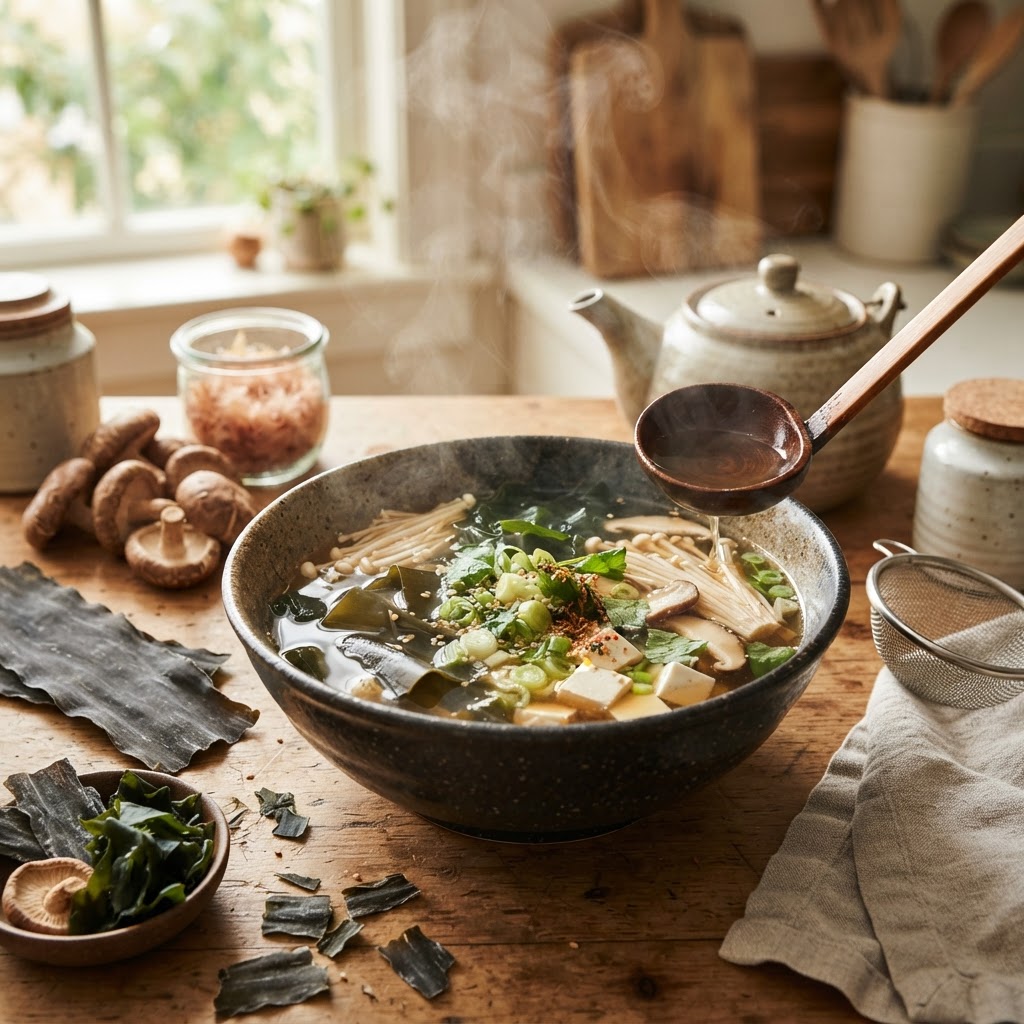
The Healthy Home Cook’s Guide to "Aquatic Aromatics": Mastering Seaweed-to-Stock Ratios for Mineral-Dense, Umami-Rich Soups
There is a quiet, oceanic hum that defines the world’s most profound soups, a depth of flavor that transcends mere seasoning and enters the realm of the elemental. For the home cook, the bridge between a lackluster broth and a restaurant-quality foundation is often found in the humble, sun-dried fronds of seaweed. We call this "Aquatic Aromatics," a culinary practice that prioritizes the delivery of concentrated minerals and complex umami directly into your stock pot. By mastering the delicate dance between water volume and seaweed surface area, you unlock a pantry staple that is as medicinal as it is delicious. This isn't just about making soup; it’s about infusing your kitchen with the very essence of the tide.
Many beginners shy away from seaweed because they fear the "fishy" stereotype that plagues poorly handled ocean vegetables, but when treated with the correct technique, these ingredients provide a clean, savory backbone. When you steep kombu or wakame with purpose, you aren’t just adding salt; you are introducing glutamates and iodine in a bioavailable format that satisfies the palate on a primal level. The goal is to reach that "Goldilocks zone" where the broth is fortified with oceanic depth but remains light enough to serve as a base for everything from miso to ramen. Once you understand the chemistry of the extraction, the seaweed aisle of your local market will become your most reliable source of culinary alchemy.
In this guide, we are going to dissect the ratios, the temperatures, and the timing required to transform water and dried sea vegetables into a powerhouse of nutrition. We will move past the basic dashi recipes found in standard cookbooks and explore how different varieties of seaweed interact with varying protein and vegetable stocks. We will look at how heat management—specifically the prevention of boiling—protects the delicate volatile oils that give seaweed its signature brightness. Prepare to elevate your soup game, sharpen your palate, and blame the chef when your guests demand to know exactly how you achieved such an intoxicating, umami-rich result.
The Chemistry of Oceanic Extraction
The secret to a perfect broth lies in the cold-infusion method, a technique that honors the structural integrity of the seaweed cells. When you drop a sheet of dried kelp into boiling water, you cause a rapid release of surface-level sugars that can result in a slimy texture and an overly muddy flavor. By allowing the seaweed to soak in cold water for at least four to six hours—or even overnight in the refrigerator—you encourage a slow, osmotic pressure release. This process ensures that you are extracting the sweet, clean umami of the plant before the bitter notes trapped deeper in the cellular matrix have a chance to escape.
Understanding Umami Ratios
To achieve a mineral-dense foundation, you must stick to a rigid ratio until your intuition takes over. A good rule of thumb for a basic kombu-based stock is approximately 10 grams of dried kombu for every one liter of filtered water. This ratio is specifically calibrated to provide a sophisticated baseline that supports, rather than overwhelms, subsequent ingredients like miso paste, soy sauce, or mirin. If you are using a more aggressive seaweed like dulse or arame, you should reduce this volume by half, as their flavor profiles are significantly more potent and can quickly turn a broth into an astringent experience.
The Role of Temperature
Once the cold soak is complete, the application of heat must be carefully monitored. The ideal temperature for seaweed extraction is between 160°F and 180°F (70°C–80°C). At this stage, the enzymatic reactions that produce inosinate and guanylate are at their peak. You must pull the seaweed out just as the water begins to shimmer and small bubbles start to form around the edges of the pot, but before a rolling boil occurs. Boiling the seaweed releases excess alginic acid, which is the compound responsible for that unpleasant, mucus-like film that ruins the clarity and mouthfeel of a refined soup.
"True culinary artistry begins with the understanding of temperature control; by keeping your seaweed infusion below the boiling point, you preserve the delicate, volatile aromatics that define a world-class stock."
Selecting Your Seaweed Varieties
Not all seaweed is created equal when it comes to stock-making, and your selection should be dictated by the type of soup you intend to prepare. Kombu (Saccharina japonica) is the gold standard for dashi, favored for its thick, leathery structure and high concentration of glutamic acid. It offers a subtle, almost sweet finish that serves as the perfect canvas for clear soups or noodle broths. Because of its structural durability, it can withstand longer soak times and provides the most consistent results for beginner home cooks looking to establish a reliable routine.
Exploring the Spectrum
If you are looking for a more robust, iron-rich broth, consider incorporating Wakame or Dulse. These varieties bring a much stronger oceanic presence to the pot. Wakame is particularly effective in miso-based soups, as it rehydrates rapidly and softens into a tender, silky texture that contrasts beautifully with firm tofu. Dulse, on the other hand, carries a faint smoky undertone when cooked, making it an excellent secret ingredient for hearty stews or chowders that require a savory depth without the need for animal-based bones or fats.
Sourcing and Storage Tips
Always look for high-quality, sun-dried seaweed that still retains its natural white powdery coating, known as mannitol. This white film is not mold, but rather a naturally occurring sugar that provides much of the signature umami flavor you are striving for. Never wash this powder off! Store your dried seaweed in airtight containers, away from direct sunlight and humidity. If stored properly, your seaweed can last for up to a year, though its potency—specifically the mineral content—is best utilized within the first six months of opening the package.
The Art of the Synergy: Pairing Aromatics
While seaweed provides the savory anchor, it is the addition of complementary aromatics that turns a simple stock into a culinary masterpiece. You want to bridge the gap between the briny notes of the ocean and the earthy notes of the garden. Ginger, scallions, and dried shiitake mushrooms are the "holy trinity" of aquatic aromatics. The ginger provides a sharp, cleansing heat that cuts through the viscosity of the seaweed, while the shiitake mushrooms act as a powerhouse for secondary umami, creating a synergistic effect that makes the final broth feel much "meatier" than it actually is.
The Shiitake Connection
When pairing seaweed with shiitake mushrooms, you are essentially doubling down on the glutamates. Use dried shiitake stems in your base stock, as they are often discarded but contain the highest concentration of flavor. Simply crush them, add them to your cold-infusion stage, and let them steep alongside your seaweed. The combination of the oceanic minerals from the kelp and the earthy, woody compounds from the mushrooms creates a complex, layered flavor profile that is nearly impossible to replicate with store-bought bouillon cubes or processed flavor enhancers.
Balancing with Acids and Salts
Once your stock is infused, the final step involves adjusting the balance with small, controlled additions. A tablespoon of high-quality mirin or a splash of rice vinegar can brighten the broth, lifting the heavy mineral notes and making them pop on the tongue. If you find the stock feels one-dimensional, a pinch of sea salt (not table salt) will heighten the existing flavors. Remember to season at the very end of the process; adding salt during the extraction phase can interfere with the breakdown of the seaweed and lead to a less balanced final result.
Technique: The "Slow-Build" Infusion
The "slow-build" is a professional technique that maximizes extraction while minimizing wastage. Instead of throwing away the seaweed after the initial infusion, you can actually save it for a second, lighter extraction or repurpose it into a tsukudani (a traditional condiment made by simmering seaweed in soy sauce and sugar). By being efficient with your ingredients, you respect the labor involved in harvesting these marine vegetables and ensure your kitchen remains a model of both sustainability and refined technique.
Step-by-Step Infusion Process:
Managing Large Batches
If you find yourself making large batches for the week, ensure you store the stock in glass containers once it has fully cooled. Because this stock is nutrient-dense, it is a perfect medium for bacterial growth if left at room temperature for too long. A well-made stock should remain clear and golden in color; if it begins to turn cloudy or takes on an overly bitter taste, it is a sign that the seaweed was cooked for too long or at too high a heat. Treat your stock like a delicate tea, and it will reward you with unparalleled depth.
"A well-executed broth is the silent hero of the kitchen; it doesn't need to shout to be heard, as its depth speaks for itself in every spoonful."
Troubleshooting Common Stock Pitfalls
Even with the best intentions, the home cook can run into issues when mastering the aquatic aromatic method. The most common mistake is the "bitter extraction," which happens when the seaweed is left in the water while it boils. If your stock tastes unpleasantly bitter, it is usually because the internal structure of the seaweed has been compromised. To fix this, always start your heat low and stay tethered to your stovetop. If you are prone to distractions, set a timer for the moment you reach your target temperature so you don’t accidentally exceed the threshold.
Addressing Cloudiness
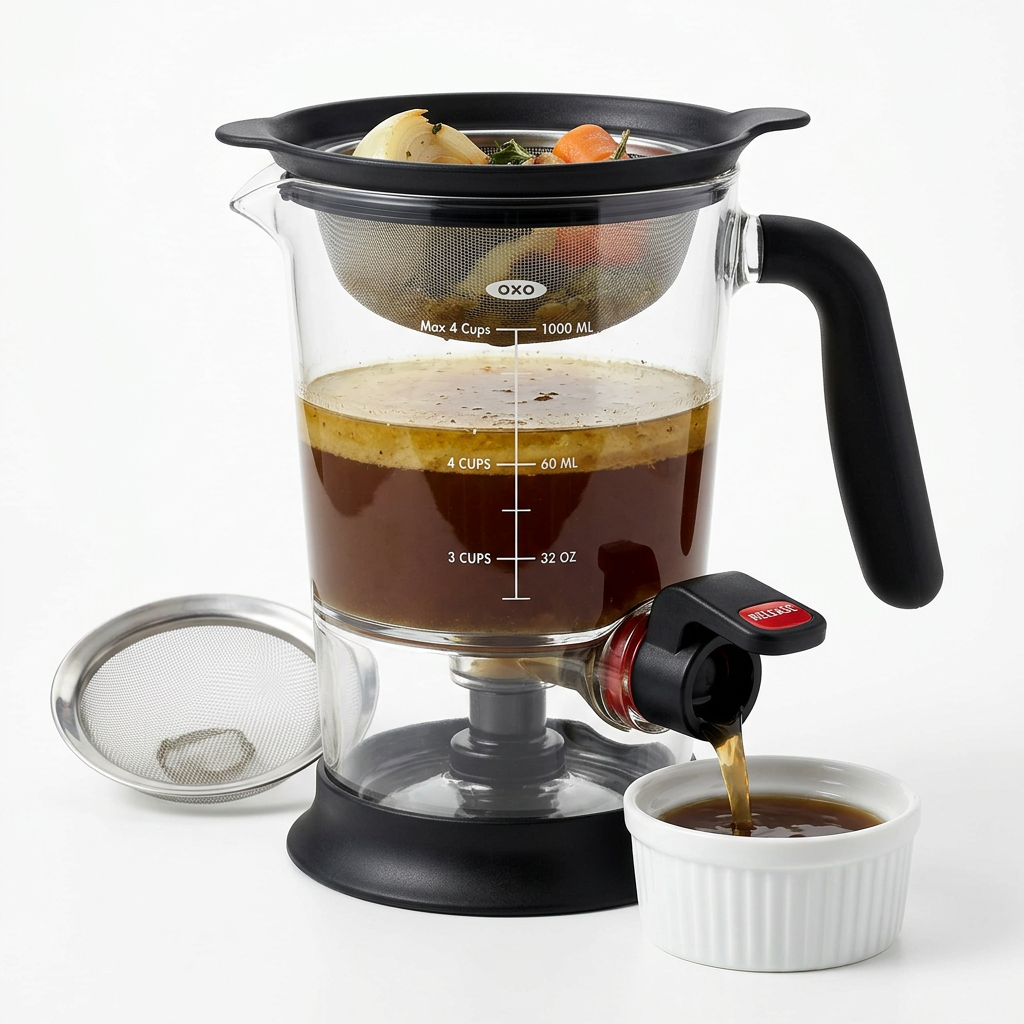
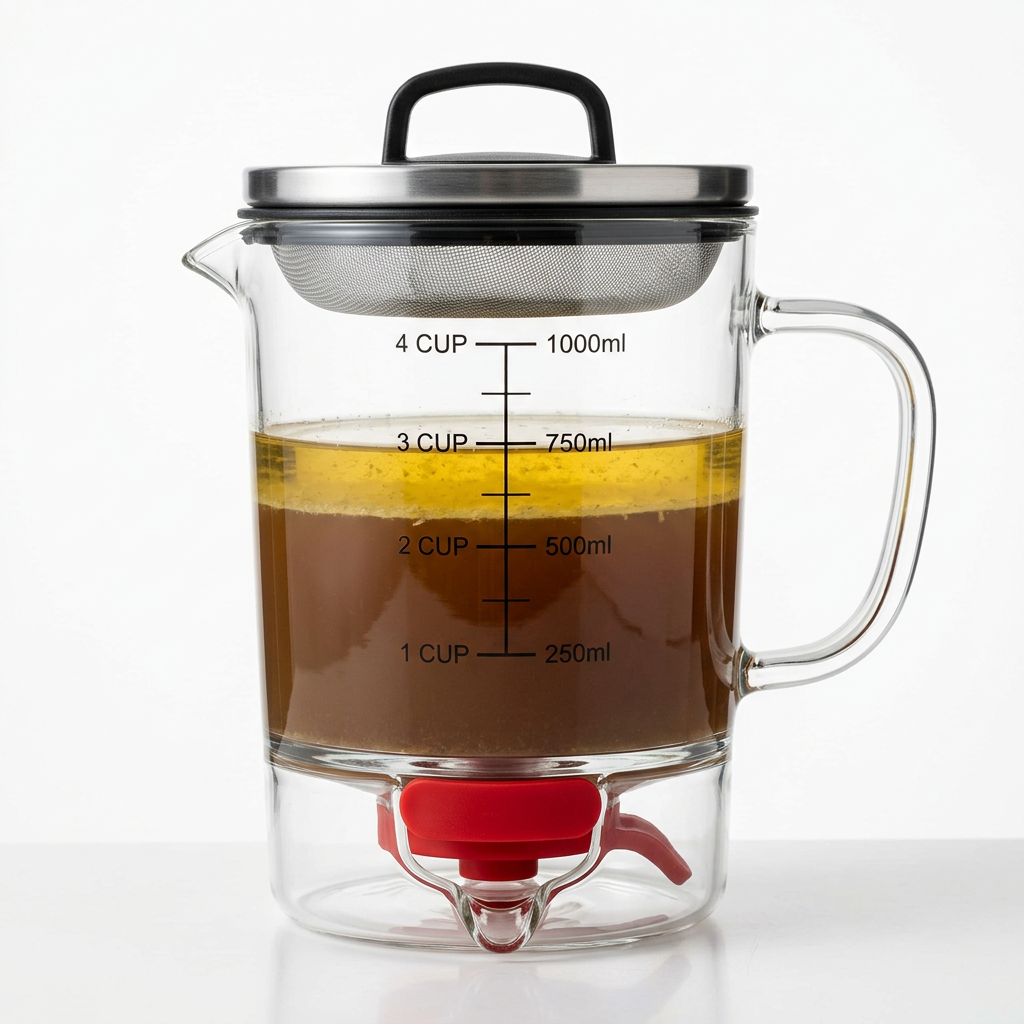
If your stock appears cloudy, it may be due to using unfiltered water or improper straining. Always use a fine-mesh sieve lined with cheesecloth or a clean muslin towel to strain your stock after the infusion. This step removes the microscopic particles of sediment that can dull the clarity of the broth. If your water source is particularly high in minerals (hard water), consider using distilled water for your seaweed stocks to allow the true flavor of the ocean to shine through without interference from limestone or chlorine.
Adjusting for Intensity
Sometimes, despite following the ratios, the broth feels "weak." This is often a result of using seaweed that has aged past its prime or using an insufficient surface area. If your broth lacks impact, don't just add more salt. Instead, consider adding a small piece of dried bonito (if you aren't strictly plant-based) or a few extra pieces of sun-dried tomato to bridge the umami gap. The key is to build the profile in layers rather than relying on a single ingredient to do all the heavy lifting.
Culinary Applications Beyond Soup
Once you have mastered the art of the seaweed-infused stock, you will find that it becomes a foundational component of your entire culinary repertoire. This liquid is essentially a "umami booster" that can be used to cook grains, braise vegetables, or thin out sauces. Imagine replacing the water in your next quinoa or rice pilaf with this seaweed stock; the grains will absorb the oceanic minerals, resulting in a side dish that is far more flavorful and nutritionally dense than anything boiled in plain water.
The "Umami Bomb" Braise
Try using your stock as a braising liquid for hearty greens like kale, chard, or bok choy. The combination of the mineral-rich seaweed liquid and the fibrous greens creates a dish that is deeply satisfying and incredibly healthy. Add a splash of sesame oil and toasted sesame seeds at the end for a textural contrast that rounds out the dish. This technique demonstrates how "Aquatic Aromatics" can elevate humble pantry staples into a meal that feels intentional and well-structured.
Creative Sauce Bases
You can also reduce your stock by half to create a concentrated umami syrup. By whisking this reduction into a bit of cold butter or olive oil, you create an emulsified sauce that can be drizzled over grilled fish, tofu steaks, or roasted root vegetables. This is the mark of a truly seasoned cook: the ability to take a base component and manipulate it into a variety of textures and concentrations, ensuring that nothing goes to waste and every meal is punctuated with that signature, deep-sea intensity.
Final Thoughts
Mastering the balance of "Aquatic Aromatics" is a journey toward more intuitive cooking. It requires you to step away from the rigidity of complex recipes and move toward a deeper understanding of the ingredients themselves. By respecting the seaweed, the water, and the thermal limitations of the process, you are doing more than just making a meal—you are building a framework for health and flavor that can be adapted, expanded, and shared. Don't be afraid to experiment with different varieties of dried seaweed or to adjust your ratios to suit your personal palate.
The beauty of this method lies in its simplicity. It is an honest approach to food that relies on the natural, dense nutritional profile of the ocean to do the hard work for you. Whether you are brewing a quick miso broth for a Tuesday night dinner or crafting a complex base for a weekend ramen project, remember that the "Blame The Chef" philosophy is all about empowerment through technique. Once you have tasted the difference that a properly infused seaweed stock makes, you will never look at a standard vegetable broth the same way again.
Keep your water clean, keep your heat controlled, and stay curious. The ocean is vast, and its potential for your home kitchen is nearly limitless. When your friends and family take that first spoonful and pause to ask, "What is that flavor?", you will know that you have successfully harnessed the power of aquatic aromatics. It is an intoxicating, earthy, and profound addition to your culinary toolkit, and it is entirely within your control. So, clear a spot on your stovetop, gather your kombu, and get ready to transform your home cooking into something truly extraordinary.
Remember, cooking is a dialogue between you and your ingredients. By listening to the subtle cues of the seaweed as it hydrates and the water as it approaches its boiling point, you are building a deeper, more profound relationship with your food. Keep testing, keep tasting, and don't hesitate to push the boundaries of what you thought was possible in a simple bowl of soup. The secret is out, the technique is yours, and the kitchen is waiting. Go forth and create something beautiful.
In the weeks to come, look for ways to integrate these mineral-dense stocks into your daily routine. Perhaps it's a breakfast bowl using a seaweed-infused broth to poach an egg, or a lunchtime vegetable soup that keeps you sustained throughout a busy afternoon. The versatility is the true reward for the time spent mastering the process. You have now moved beyond the basics and entered a higher echelon of home cookery, one where every ingredient is a purposeful addition to the whole. Enjoy the process, enjoy the depth of flavor, and always, always keep the pot simmering gently.
Ultimately, this is about reclaiming the health of your home kitchen. We live in a world where convenience often replaces quality, but by taking these few hours to properly infuse your water with the gifts of the sea, you are choosing a path that prioritizes both vitality and pleasure. It is a small act, yet one that ripples through every meal you prepare. Thank you for embarking on this culinary deep dive with me—may your pots always be full of flavor and your soups always be the talk of the table.
Now, as you stand over your next batch of broth, consider the thousands of years of tradition that have brought this practice into your home. From the coastal foragers of Japan to the modern-day wellness-minded chef, the appreciation for sea vegetables as a source of foundational flavor is universal. You are continuing that legacy every time you submerge a sheet of dried kelp. Embrace that history, respect the ingredients, and most importantly, enjoy the incredible, savory richness that only a perfectly executed seaweed stock can provide. Your culinary journey is just beginning.
As you become more comfortable with these ratios, you will start to notice the subtle differences in terroir and harvest that make each variety of seaweed unique. You will begin to notice when a stock needs just a little bit more time to reach its full potential, or when the aromatics are perfectly in sync. This is the transition from "following a recipe" to "possessing a skill." It is the most rewarding part of the home cooking process, and it is a point of pride that you should carry with you into every meal you prepare.
Never be afraid of making mistakes. If the first batch is too briny, adjust for the next. If it lacks depth, add more shiitake. This is how we learn, how we grow, and how we become better cooks. The kitchen is a laboratory of flavor, and you are the head scientist. Let the seaweed be your guide, let the aromatics be your inspiration, and let your palate be the final judge. You have the tools, the knowledge, and the passion. Now, go and let the symphony of the sea fill your home with the most nourishing, umami-rich soups you have ever tasted. You have truly earned your place at the head of the kitchen.
Finally, do not forget to share these results. Cooking is meant to be a communal experience, and there is nothing quite like the look of surprise on a guest's face when they realize that the secret to that restaurant-level soup is nothing more than water, patience, and the incredible, mineral-rich bounty of the ocean. Share your failures, share your successes, and continue to seek out the best ingredients you can find. Your kitchen is the heart of your home—make sure it is beating with the freshest, most vibrant flavors possible. Until next time, happy brewing and may your stocks always be clear, bright, and deeply satisfying.
One last tip: keep a small notebook in your kitchen specifically for your stock experiments. Note the variety of seaweed used, the soaking time, the total volume of water, and the final flavor profile. Over the course of a few months, you will build a database of personal preferences that will serve you for years to come. This kind of systematic approach is exactly what separates the casual cook from the master. You are well on your way to mastery. The sea is your oyster—or rather, your kelp—so make the most of it. Cheers to your health, your kitchen, and your culinary growth.
Before we close, consider the environmental impact of your seaweed choices. Look for brands that prioritize sustainable wild-harvesting or regenerative aquaculture. The health of our oceans is directly tied to the quality of the food we pull from them. By making conscious, informed choices about your ingredients, you are supporting a global movement toward healthier, more sustainable ecosystems. It is one more way that "Blame The Chef" encourages you to think critically about every ingredient that passes through your pantry.
Stay consistent, stay curious, and keep the umami flowing. There is no limit to what you can achieve when you start with a base as strong as a well-crafted seaweed stock. It is the silent, essential foundation upon which all great soups are built. Whether you are using it for a simple miso, a complex ramen, or as a savory liquid for your favorite stew, you are now equipped to create something truly special. Enjoy every drop, and take comfort in the knowledge that you have mastered the art of "Aquatic Aromatics." This is your kitchen, your craft, and your masterpiece. Every bowl counts, and now, every bowl will be extraordinary.

Get the Next Recipe
Weekly recipes, techniques, and gear picks — straight to your inbox.
