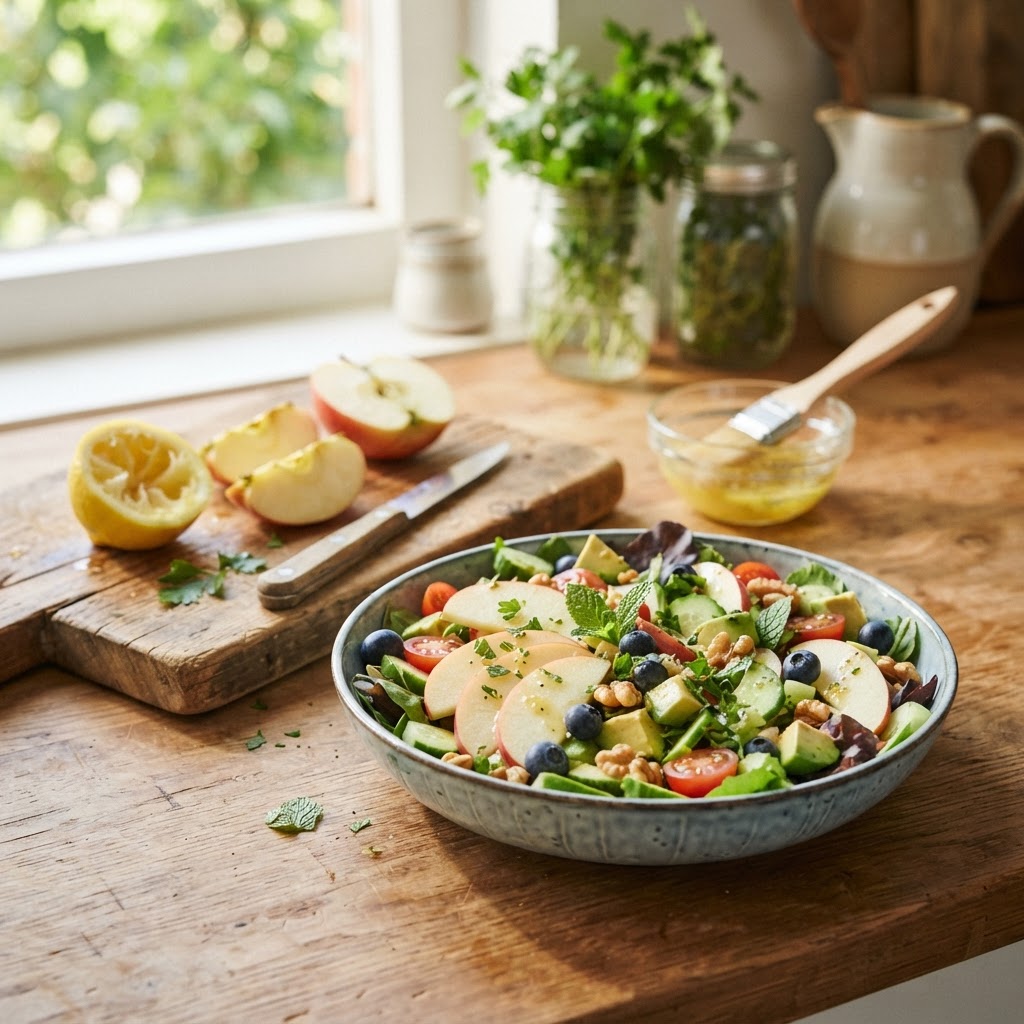
The Healthy Home Cook’s Guide to "Controlled Oxidation": Mastering Enzymatic Browning and Nutrient Preservation in Fresh Produce
Every home cook has experienced the sinking feeling of cutting into a pristine, vibrant apple, only to watch it succumb to a dull, rusted hue within mere minutes. We have all rushed to squeeze lemon juice over avocado halves in a desperate bid to preserve that fleeting, brilliant green. These moments are not just culinary annoyances; they are a masterclass in the science of enzymatic browning, a natural phenomenon that transforms the chemistry of the produce we cherish. As health-conscious cooks, we often view this oxidation as a sign of degradation, an enemy to be defeated before dinner service even begins. Yet, understanding the mechanics behind this process allows us to shift from a mindset of frantic preservation to one of confident, informed manipulation.
In this guide, we will peel back the layers of biochemistry that govern the life and death of your fruits and vegetables once they are sliced, diced, or julienned. You will learn that the "browning" you see is actually a defense mechanism, a sophisticated series of chemical reactions designed to protect the plant, not to ruin your salad. By mastering the variables of pH, temperature, and atmospheric exposure, you can take control of your kitchen workflow. We aren't just talking about keeping things looking pretty for the dinner table, although aesthetics certainly play a role; we are talking about maximizing the bioavailability of the phytonutrients we prize. When we treat our ingredients with the respect their internal chemistry demands, the result is a plate that tastes better, looks fresher, and packs a more potent nutritional punch.
Welcome to the intersection of culinary artistry and rigorous food science, a place where the home kitchen becomes a laboratory for better living. We will explore the role of polyphenol oxidase (PPO), the enzyme largely responsible for these color changes, and how you can manage its activity with household staples like salt, sugar, and organic acids. Whether you are prepping a complex crudité platter, batch-prepping smoothies, or just trying to get a head start on tomorrow's lunch, these techniques will change the way you interact with your produce. Stop blaming the chef—or the knife—for the browning of your harvest. Instead, let us dive deep into the fascinating, microscopic world of controlled oxidation and learn how to bend these natural laws to our favor.
The Chemistry of the Cut: Understanding Polyphenol Oxidase
At the heart of the browning phenomenon is an enzyme known as polyphenol oxidase, or PPO for short. Think of PPO as a latent guardian waiting for a security breach. It resides safely within the cellular compartments of fruits like apples, pears, potatoes, and bananas. When you take a knife to these items, you are effectively destroying the cellular walls, allowing the enzyme to escape and come into direct contact with the oxygen in the surrounding air. This is the "breach" that triggers the reaction. Once exposed to oxygen, the PPO oxidizes the phenols present in the plant, turning them into quinones, which subsequently polymerize into the brown pigments we know as melanin.
It is important to understand that this process is a plant's way of healing its "wounds." In the wild, if a piece of fruit is damaged by a bird or a falling branch, this rapid browning and the resulting chemical shield act as a natural antimicrobial barrier. It prevents the damaged tissue from becoming a breeding ground for bacteria and fungi. However, in our kitchens, this biological ingenuity is exactly what we want to avoid. We aren't looking for a protective barrier; we are looking for a crisp, vibrant salad that stays fresh for the duration of a potluck.
The Variables of Velocity
The rate at which browning occurs is not uniform; it is dictated by several key factors. The concentration of phenols, the level of PPO activity inherent in the specific cultivar, and the availability of oxygen all play a part. Some fruits, like the Granny Smith apple, are relatively resistant due to their higher acidity, which naturally inhibits the enzyme. Others, like the Red Delicious or the avocado, are highly susceptible. As a chef, knowing which ingredients need a little extra protection and which can stand on their own is the first step in mastering your prep time.
"The kitchen is the only place where biology, physics, and chemistry meet to create art that we consume. Understanding the science of browning is not about preventing change; it is about managing the speed at which that change occurs."
Mastering the Acid Barrier: PH Manipulation
The most common technique for stopping enzymatic browning is the application of an acidic solution. This is a classic professional chef technique that works because PPO is highly sensitive to pH levels. Most enzymes have an "optimal" environment in which they function, and for PPO, that environment is typically neutral to slightly alkaline. By lowering the pH of the surface of the fruit or vegetable, you create an environment where the enzyme is effectively deactivated or, at the very least, severely slowed down.
Citric acid is the gold standard here, which is why lemon and lime juice are ubiquitous in the culinary world. But you don't need to rely solely on citrus. Any food-grade acid will do, provided it doesn't clash with the flavor profile of the dish. Vinegar, for instance, can work, but its distinct flavor profile can overpower delicate fruits. In a savory application, such as raw potato or artichoke hearts, a splash of white wine vinegar is often perfectly acceptable. For apples or pears, reach for lemon, orange, or even a diluted solution of ascorbic acid (Vitamin C powder).
The Ascorbic Acid Advantage
If you want to move beyond the flavor profile of citrus, ascorbic acid is your best friend. It is an antioxidant that essentially "donates" electrons to the quinones, converting them back into colorless phenols before they have a chance to turn brown. You can buy pure ascorbic acid crystals at many health food stores or online. Dissolving a small pinch in a quart of cold water creates a powerful "antioxidant bath." Dip your slices for 30 to 60 seconds, drain them, and pat them dry. This treatment is often superior to lemon juice because it is completely flavorless and lasts significantly longer in terms of efficacy.
Temperature and Thermal Deactivation
If you are prepping produce for a cooked dish, heat is your most powerful ally in managing oxidation. This process is known as blanching, and it is essential for more than just preserving color. Blanching involves submerging vegetables—like broccoli, snap peas, or potatoes—into rapidly boiling water for a short duration, followed by an immediate plunge into an ice-water bath. This rapid spike in temperature is sufficient to denature the PPO enzyme, effectively "turning it off" permanently.
The timing here is critical. If you blanch for too long, you cook the vegetable through, destroying its structural integrity and causing it to lose its crunch. If you don't blanch long enough, the heat may only penetrate the surface, leaving the enzyme in the center active and ready to continue the browning process once the vegetable cools. For most vegetables, a "blanching window" of 30 seconds to 3 minutes is ideal. The goal is to reach an internal temperature that renders the enzyme inert without compromising the cellular architecture of the produce.
Precision Timing for Blanching
Snap Peas / Green Beans:* 1–2 minutes in boiling water.
Potatoes (for salads):* 5–7 minutes, depending on the dice size.
Artichoke Hearts:* 3–4 minutes in acidulated water.
Stone Fruits (for preserving):* 30–45 seconds, then immediately into the ice bath.
Always ensure your ice bath is truly "ice" cold. A bowl of tepid water will not stop the cooking process quickly enough, leading to mushy textures. This thermal shock is the professional chef’s secret to perfectly vibrant, bright-green produce that remains firm even after several hours of service.
Oxygen Displacement: The Art of the Seal
If you cannot change the pH and you do not want to use heat, the only variable left to control is oxygen. PPO needs oxygen to function, so if you remove the air, you remove the catalyst. This is the logic behind vacuum sealing and air-tight storage. However, for the home cook, there are easier ways to achieve this without an expensive vacuum sealer. The most effective method for smaller batches is the water-immersion technique.
When storing sliced fruits or vegetables, place them in a glass or airtight container and cover them completely with cold, filtered water. This creates an oxygen-free environment. For items like potatoes or parsnips, this is standard practice in professional kitchens; you will often see chefs keeping cut potatoes in a hotel pan filled with water until the moment they hit the fryer. This not only prevents oxidation but also helps to draw out excess starch, which creates a crisper final product.
The Sugar Syrup Strategy
For fruit, you can take this one step further by using a light sugar syrup. A simple syrup (a ratio of 1 part sugar to 4 parts water) creates a protective layer that is denser than water and helps prevent the absorption of oxygen. Furthermore, sugar has its own osmotic properties that help draw water out of the fruit cells while simultaneously sealing the exterior surface. This is a common technique for preparing fruit salads or poaching pears, keeping the produce bright and flavorful for hours or even days.
"True mastery in the kitchen isn't just about following a recipe; it's about understanding the biological limits of the ingredients you work with. When you control the environment, you control the outcome."
Salt and Osmosis: A Surprising Ally
While we often think of salt in terms of seasoning, it is also a potent tool for oxidation control. In higher concentrations, salt can inhibit enzyme activity by changing the osmotic pressure of the solution. This is not about brining in the traditional sense, but about creating a light saline solution—about 1 tablespoon of sea salt per liter of cold water—that acts as a barrier to the enzymatic reaction.
This technique is particularly useful for produce that is naturally prone to browning, such as apples, pears, and eggplant. After a quick soak in the salt bath, rinse the produce thoroughly under cold, running water. You will find that the salt does not leave a discernible flavor if rinsed properly, but it provides a significant "browning buffer" that can keep your sliced fruit looking freshly cut for up to two hours. This is an excellent trick for prepping school lunches or snack boxes where oxidation is the primary enemy.
When to Use Salt vs. Acid
Storage Techniques for the Long Haul
Even with the best preparation, how you store your produce makes all the difference. Oxygen is always present in the atmosphere, and if your storage container is half-empty, you are giving the PPO plenty of air to work with. For leftovers, use the smallest container possible to minimize the volume of air (headspace). If you must use a larger container, press a piece of plastic wrap directly onto the surface of the fruit or vegetable before sealing the lid. This surface-clinging technique is a classic chef's hack that eliminates the air gap entirely.
Another pro tip involves the type of container. While plastic is convenient, glass or stainless steel are superior for freshness. They are non-porous and do not retain odors from previous ingredients, which is essential if you are storing fruits like apples that can easily pick up the scent of, say, onions or garlic from the fridge. Always ensure that your containers are clean and dry, as residual moisture (outside of a planned water bath) can actually accelerate decay and bacterial growth.
The "Freshness Protocol" Checklist
Nutrient Preservation: Beyond Aesthetics
It is a common misconception that enzymatic browning only affects the appearance of food. While we focus on the brown color because it is visible, the reality is that the oxidation process is also breaking down important phytonutrients. Polyphenols are powerful antioxidants, and when they are oxidized into quinones, their health benefits can be reduced. Therefore, by preventing browning, you are not just making your plate look better; you are literally preserving the nutritional integrity of the food.
Vitamin C, for example, is highly sensitive to oxidation. When you see an apple turn brown, you are seeing the result of chemical reactions that are also consuming or degrading some of the vitamins and antioxidants present in that fruit. By using the techniques outlined above—keeping the fruit cool, limiting oxygen exposure, and applying mild acidic barriers—you are protecting these valuable nutrients. Think of your kitchen techniques as a way to "lock in" the health benefits that the plant worked so hard to produce during its growth.
Nutrient Retention Tips
Keep skins on whenever possible:* The skin of a fruit or vegetable is nature's own vacuum seal.
Use the sharpest blade:* A dull knife crushes cells rather than cutting them, which releases more PPO and accelerates browning.
Store whole:* If you don't need to slice it immediately, don't. Keep produce whole until the very last second.
Avoid high-heat processing when possible:* While blanching is necessary for enzymatic control, over-boiling leaches water-soluble vitamins into the cooking liquid.
Final Thoughts
Mastering the science of controlled oxidation is a journey toward becoming a more conscious and efficient home cook. It is about moving away from the "blame the chef" mentality and into a space of understanding and precision. When you realize that the browning of a potato or an apple is not a failure of your skill, but a response from the ingredients to their environment, you gain the power to manage that environment.
Remember, the goal is not to stop life processes entirely—after all, we are dealing with biological organisms—but to slow the clock. Whether you are using a simple squeeze of lemon, a precise ice-water bath, or the meticulous technique of vacuum-tight storage, you are acting as the conductor of your ingredients' chemistry. By applying these professional methods, you ensure that the vibrancy of your produce is maintained from the cutting board to the dinner plate.
As you continue your culinary journey, treat each slice as a small experiment. Note how different fruits react to different treatments. Notice how your choice of knife affects the speed of browning. Observe how quickly your produce loses its luster in the fridge compared to the counter. This level of attention to detail is what separates a good cook from a great one. It is the practice of intentional cooking, where every step is informed by knowledge and every technique is applied with purpose. Keep your tools sharp, your acids handy, and your kitchen environment controlled. Your ingredients—and your health—will thank you for it. Happy cooking, and remember that even in the most technical kitchen, the most important ingredient is your own curiosity.
Get the Next Recipe
Weekly recipes, techniques, and gear picks — straight to your inbox.
