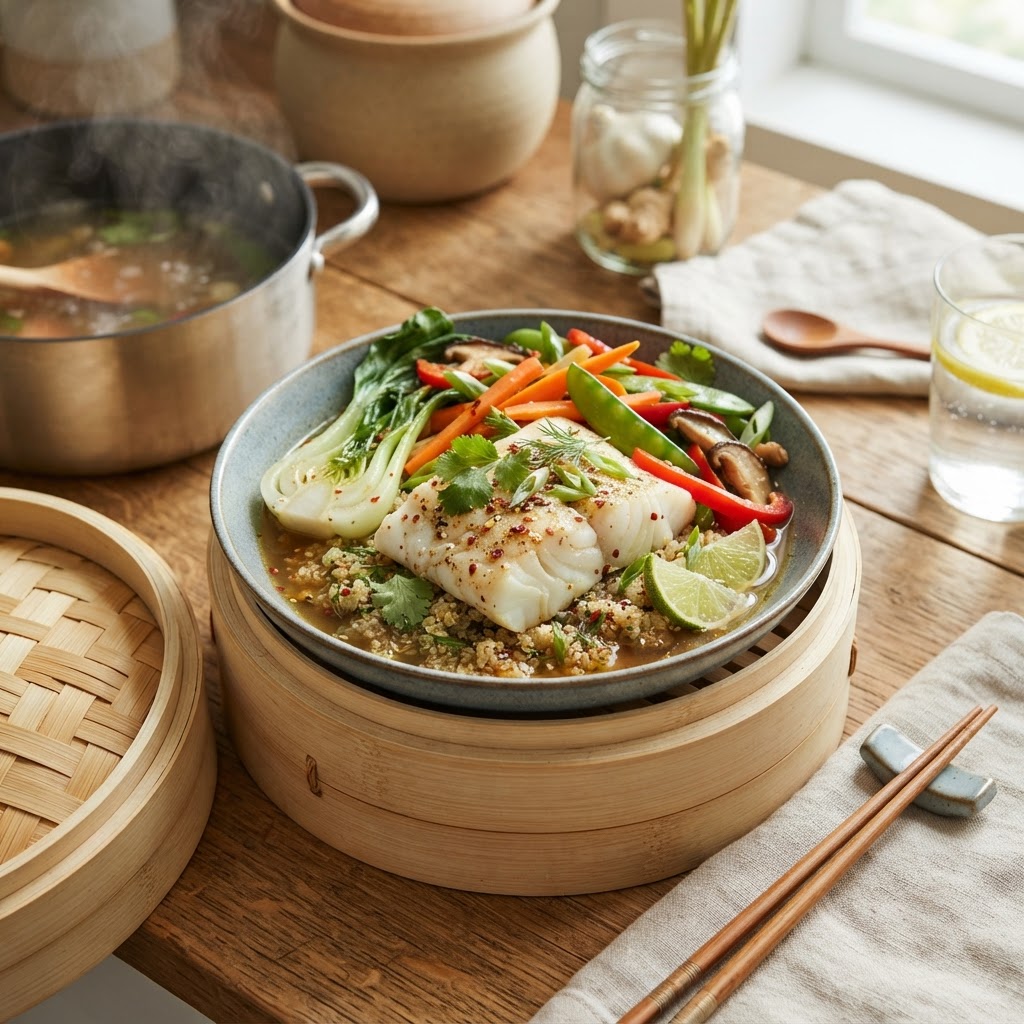
The Healthy Home Cook’s Guide to "Flavor-First" Steaming: How to Use Aromatics and Broths to Infuse Maximum Depth into Lean Proteins
The realm of healthy eating often conjures images of bland, uninspired meals – boiled chicken breasts and steamed broccoli that leave your taste buds feeling neglected. For many home cooks, embracing a healthier lifestyle means sacrificing the rich, complex flavors that make food truly exciting. We envision a world where "health-conscious" translates to "flavor-deprived," a culinary landscape devoid of the aromatic dance and savory depth that truly satisfies. But what if I told you that you could achieve restaurant-quality flavor and incredible depth in your lean proteins, all while adhering to the principles of healthy cooking? It’s not about elaborate sauces or copious amounts of fat; it's about unlocking the power of simple, yet profound, techniques that have been utilized by chefs for centuries.
This is where the humble act of steaming, often relegated to the background of culinary techniques, steps into the spotlight. Far from being a one-dimensional method, steaming, when approached with intention and a focus on flavor, becomes a transformative process. We're not talking about just dropping some fish into a pot of boiling water and hoping for the best. Instead, we're diving deep into the art of flavor-infusion through intelligent use of aromatics and carefully chosen cooking liquids. Imagine tender, succulent chicken or delicate, flaky fish, not just cooked through, but permeated with the essence of ginger, garlic, herbs, and spices, all gently coaxed out by the rising steam. This approach elevates lean proteins from mere sustenance to a genuinely enjoyable dining experience, proving that healthy and delicious are not mutually exclusive.
Our journey today will be dedicated to transforming your understanding of steaming. We'll move beyond the idea of steaming as a purely functional cooking method and embrace it as a canvas for creating vibrant, nuanced flavors. By understanding how to layer aromatics and leverage the power of flavorful broths as our steaming medium, we can unlock a world of culinary possibilities that are both good for you and incredibly satisfying. Prepare to be surprised by the depth and complexity you can achieve without resorting to heavy ingredients, all from the comfort of your own kitchen.
The Foundation: Why Steaming for Flavor?
Steaming is a cooking method that utilizes the heat of steam to cook food. Unlike boiling or simmering, where food is submerged in water, steaming cooks food indirectly, suspended above the liquid. This indirect heat transfer is crucial for preserving both nutrients and moisture within the food. When it comes to lean proteins like chicken breast, fish fillets, and even tofu, this gentle cooking method prevents them from drying out, a common pitfall when pan-frying or grilling. The inherent moisture of the food is better retained, resulting in a more tender and succulent final product.
Furthermore, the absence of direct contact with boiling water means that delicate flavors and aromas are less likely to be leached away. Think of it as a gentle embrace of heat rather than an aggressive immersion. This is particularly beneficial when working with lean proteins, which can sometimes have a milder flavor profile. Steaming allows these subtle notes to shine through, creating a cleaner taste that is often lost in other cooking methods. When we pair this inherent advantage with deliberate flavor-building strategies, the potential for creating deeply satisfying meals becomes immense.
"Steaming is not just about cooking; it's about a gentle coaxing of flavor. It's the silent partner in a symphony of aromas."
The true magic of steaming for flavor, however, lies in its ability to act as a perfect vehicle for aromatic infusion. Because the food is enveloped in a moist, heated environment, it readily absorbs the volatile compounds released by aromatics placed in the steaming liquid or directly with the protein. This means that the fragrant oils from ginger, the pungent notes of garlic, the bright zest of citrus, and the herbaceous perfume of fresh herbs can be deeply embedded into the very fibers of your protein. It’s a subtle yet powerful way to build layers of complexity, transforming a simple steamed chicken breast into an exotic culinary adventure.
The Science of Steam and Aroma
The process of steaming relies on the phase change of water from liquid to gas. When water reaches its boiling point (100°C or 212°F at sea level), it transforms into steam. This steam, carrying a significant amount of thermal energy, then surrounds the food. The moisture in the steam also helps to tenderize proteins by breaking down some of their connective tissues without toughening them, which can happen with higher, drier heat. The key to flavor infusion here is the concept of volatilization. Many aromatic compounds, particularly those found in herbs, spices, and alliums, are volatile organic compounds. This means they readily evaporate at relatively low temperatures. As the steam rises and heats up, it carries these volatile compounds, making them available for absorption by the food.
Think about how a strong aroma fills a room when you're cooking. That's the scent of volatile compounds being released into the air. In steaming, these same compounds are captured within the confines of your pot or steamer basket, creating a highly concentrated aromatic environment. The moist heat facilitates the solubilization of these compounds, allowing them to dissolve into the surface moisture of the protein and then penetrate deeper. This is why placing aromatics directly with the protein, or within the steaming liquid, is so effective. The steam acts as a carrier, delivering these flavor molecules directly to the food.
The temperature of steam is also crucial. At 100°C, it’s hot enough to cook proteins efficiently and tenderize them, but it's generally not so high that it aggressively denatures proteins in a way that leads to toughness, unlike a very high-heat dry-roasting or searing. This gentle heat allows for a slower, more controlled infusion of flavors. The water molecules in the steam can also interact with the flavor compounds, helping to extract and carry them. This is a cooperative effort between heat, moisture, and the chemical properties of the aromatics.
Moisture Retention: The Silent Benefit
Beyond flavor, the most significant benefit of steaming for lean proteins is its unparalleled ability to retain moisture. Lean proteins, by their nature, have less fat to act as a natural lubricant. When subjected to harsh cooking methods, this limited fat can't protect the protein from drying out. Steaming, however, cooks food in a moist environment. The steam gently envelops the protein, preventing its surface from drying out and sealing in the natural juices. This means that chicken breast, often maligned for its dryness, can become incredibly succulent and tender when steamed correctly.
Consider the difference between a pan-fried chicken breast and a steamed one. The pan-fried version often requires careful monitoring to avoid overcooking, and even then, it can end up slightly dry. The steamed version, on the other hand, offers a much larger window of forgiveness. The constant presence of moisture acts as a buffer against rapid moisture loss. This is especially true when steaming whole pieces or thicker cuts, where the internal temperature rises more gradually, allowing for even cooking and maximum moisture retention throughout.
The moisture retained also plays a critical role in the final texture. A moist protein will feel more tender and luxurious in the mouth. It contributes to a smoother mouthfeel and a more satisfying eating experience. This is particularly important for those who are accustomed to richer, fattier cuts of meat. By mastering the art of moisture retention through steaming, we can achieve a similar level of satisfaction with significantly less fat and fewer calories. It's a win-win for both health and palate.
The Aromatic Arsenal: Building Blocks of Flavor
When we talk about "aromatics," we're referring to ingredients that are primarily used to add fragrance and flavor to food, rather than being the main component of the dish. For steaming, our aromatic arsenal needs to be diverse and thoughtfully selected. The goal is to create a fragrant steam that will gently perfume and infuse our lean proteins. We want to avoid anything that might impart a bitter or harsh flavor, focusing instead on ingredients that release pleasant, complex scents when heated. This includes a wide range of fresh herbs, spices, alliums, and citrus.
The beauty of aromatics is their versatility. A simple combination of ginger and garlic can transform a piece of cod into something reminiscent of classic Asian preparations. Adding lemongrass and kaffir lime leaves can evoke the vibrant flavors of Southeast Asia. Even familiar herbs like parsley, thyme, and rosemary can lend a rustic, earthy depth to steamed chicken. The key is to understand how these ingredients behave when heated and to choose combinations that complement the specific protein you are cooking.
"Don't just season the surface; infuse the soul of your protein with the essence of aromatics."
The form in which you present your aromatics also matters. Slicing, bruising, or even lightly crushing ingredients can increase their surface area, allowing them to release their volatile oils more readily into the steam. For instance, a bruised stalk of lemongrass will yield more fragrance than a whole one. Similarly, a crushed clove of garlic will be more potent than a whole one. This simple preparation step is often overlooked but can make a significant difference in the intensity of flavor infusion.
Fresh Herbs: The Perfume of the Garden
Fresh herbs are absolute powerhouses when it comes to imparting delicate, nuanced flavors. Their essential oils are highly volatile and readily vaporize in steam, creating a beautiful fragrance that permeates the food. For steaming, some of the best choices include:
Cilantro:* Its bright, citrusy, and slightly peppery notes are fantastic with fish and chicken. Use both the leaves and the stems, as stems often carry a lot of flavor.
Parsley:* Flat-leaf parsley offers a clean, slightly peppery flavor. It’s a versatile herb that complements almost any protein.
Dill:* Its feathery fronds lend a distinctive, slightly anise-like flavor that is superb with fish, especially salmon.
Mint:* Offers a cooling, refreshing contrast, particularly good with lamb (though less common for lean proteins, it can work) or even chicken in certain preparations.
Basil:* Sweet basil adds a lovely aromatic sweetness, wonderful with chicken and milder fish.
Thyme and Rosemary:* While more robust, these can be used sparingly with chicken or heartier fish for an earthy, woody aroma. Bruise them slightly to release their oils.
Lemongrass:* When bruised and cut into segments, it imparts a bright, citrusy, and slightly floral aroma, a staple in many Asian steaming recipes.
Kaffir Lime Leaves:* Similar to lemongrass, these offer an intense citrus fragrance, often used in Thai-inspired dishes. Gently tear them to release their oils.
When using fresh herbs, it’s best to add them towards the end of the steaming process or place them directly with the protein. Some delicate herbs, like cilantro and dill, can lose their vibrant color and flavor if overcooked. For a more intense infusion, you can create a simple herb sachet by tying a few sprigs together with kitchen twine. This makes them easy to remove after cooking and ensures they don't become stringy. Alternatively, you can chop them finely and place them directly on or around the protein.
Alliums and Spices: The Pungent Powerhouses
Alliums (onions, garlic, ginger, etc.) and spices are the workhorses of flavor building. When steamed, their pungent qualities mellow into complex, savory notes.
Garlic:* Sliced or lightly smashed cloves release a sweet, savory aroma. Roasting garlic first can add another layer of complexity, though it's less common in direct steaming.
Ginger:* Sliced or julienned fresh ginger is indispensable. It offers a warm, spicy, and slightly citrusy note that cuts through richness and brightens flavors.
Scallions/Green Onions:* The white and light green parts can be bruised or sliced and added to the steaming liquid or placed with the protein for a mild oniony flavor.
Chiles:* Thinly sliced fresh chiles (like bird's eye or jalapeño) add a gentle warmth and subtle fruity notes. Remove seeds and membranes for less heat.
Cinnamon Sticks:* A small piece of cinnamon stick can add a subtle, warm sweetness, particularly good with certain chicken dishes or even richer fish like salmon.
Star Anise:* Use sparingly. One star anise can impart a licorice-like aroma that is very potent and excellent with richer proteins or in Asian-inspired preparations.
Peppercorns:* Whole black or Sichuan peppercorns can add a gentle, fragrant heat.
When using spices, whole spices are generally preferred over ground for steaming. Ground spices can become pasty and may not fully dissolve, potentially creating a gritty texture. Whole spices, like peppercorns or a sliver of cinnamon stick, will release their flavor more gradually and cleanly. For an intense spice infusion, consider making a "spice bomb" by wrapping whole spices in a piece of cheesecloth tied with kitchen twine. This makes them easy to remove and prevents them from getting loose in your dish.
Citrus Zest and Juice: The Bright Finish
Citrus is a fantastic way to add brightness and acidity, which can lift the flavors of lean proteins and cut through any perceived blandness.
Lemon/Lime/Orange Zest:* Use a microplane or fine grater to zest the fruits. The zest contains the essential oils that provide the most aromatic punch. Avoid the white pith, which is bitter.
Citrus Slices:* Thin slices of lemon, lime, or orange can be placed directly with the protein or in the steaming liquid. They release their juice and oils as they steam.
The acidity from citrus can also help to denature proteins slightly, contributing to a more tender texture. This is a subtle effect, but combined with the steam, it adds to the overall succulence. Using a combination of zest and slices can provide both immediate aromatic impact and a gentle, lingering citrus note. For example, adding lemon slices and zest to a steamed cod fillet will create a bright, clean flavor profile that is both refreshing and satisfying.
The Broth Bath: Elevating Steaming Liquids
While plain water can be used for steaming, it’s a missed opportunity for flavor. By replacing water with a flavorful broth or stock, we introduce a deeper layer of umami and complexity from the very beginning of the cooking process. The steam generated from these liquids will carry not only the aromatics we add but also the inherent flavors of the broth itself, infusing the protein with a richness that water alone cannot provide. This is where we truly elevate the humble steamed dish into a gourmet experience.
The type of broth you choose will significantly impact the final flavor profile. A well-made chicken stock will lend a savory, foundational flavor that pairs well with chicken and many vegetables. A delicate fish fumet or vegetable broth can be perfect for lighter proteins like white fish or scallops. Even a mushroom broth can add an earthy depth that is surprisingly versatile. The key is to use a good quality broth that is not overly salty, as you can always adjust seasoning at the end.
"Water is the canvas, but broth is the first stroke of flavor."
Beyond commercially available broths, you can also create your own flavorful steaming liquids by simmering water with vegetable scraps, herb stems, or even a small amount of dried mushrooms. This is a fantastic way to utilize ingredients that might otherwise be discarded and to build a custom flavor base for your steaming. The goal is to create a liquid that will impart desirable flavors as it vaporizes and surrounds your protein.
Savory Stocks and Broths: The Umami Foundation
Chicken, vegetable, and fish stocks are your go-to for a savory foundation.
Chicken Stock:* Provides a comforting, savory depth. Use a good quality, low-sodium chicken stock for the best results. It pairs exceptionally well with chicken breast, thighs, and even white fish.
Vegetable Broth:* A lighter, often brighter option. A good vegetable broth can add subtle earthy and herbaceous notes. It's ideal for fish, tofu, and lighter poultry.
Fish Fumet/Stock:* Delicate and clean, this is perfect for steaming white fish like cod, sole, or tilapia. It enhances the natural flavors of the fish without overpowering them.
Beef Broth (Use Sparingly):* While not typically used for lean proteins like chicken or fish, a very light beef broth might be an interesting experiment for pork tenderloin, but be mindful of its strong flavor.
When using broth, consider its sodium content. Most commercial broths are high in sodium. Opt for low-sodium versions and season your dish with salt after steaming, allowing you to control the final saltiness more effectively. This also prevents the protein from absorbing too much salt during the cooking process. The infused flavor from the broth will be present, and you can then enhance it with additional seasoning as needed.
Infused Waters: DIY Flavor Bases
If you don't have broth on hand or want a lighter option, you can easily create your own flavored steaming liquids by infusing water.
Aromatic Water:* Simmer water for 10-15 minutes with aromatics like ginger slices, garlic cloves, star anise, cinnamon sticks, dried mushrooms, or herb stems. Let it cool slightly before using it as your steaming liquid. This is a budget-friendly and highly customizable approach.
Tea Infusions:* For a truly unique flavor, consider using unsweetened herbal teas or even green tea as your steaming liquid. A jasmine green tea can lend a subtle floral aroma to steamed fish or chicken. Be sure to use good quality tea and avoid anything too bitter.
The process is simple: bring about 2-4 cups of water to a simmer in your pot, add your chosen aromatics or tea, and let it steep for about 10-15 minutes. Strain out the solids if you wish, or leave them in for a more rustic presentation. This method allows you to control the exact flavor profile you're aiming for, from earthy and warming to light and refreshing.
The "Aromatic Broth" Combo: Maximum Impact
The ultimate flavor strategy is to combine the benefits of broth with the power of fresh aromatics directly in the steaming liquid.
This layered approach ensures that the steam is rich with the flavors of both the broth and the fresh ingredients, leading to a profoundly flavored steamed protein. The steam will carry these complex aromas and flavors directly into the food, creating a dish that is both healthy and incredibly delicious.
Strategic Steaming: Techniques for Perfection
Achieving perfectly steamed, flavor-infused proteins requires a bit of technique and attention to detail. It’s not just about throwing ingredients into a pot and hoping for the best. Understanding how to prepare your ingredients, how to set up your steamer, and how to manage the steaming process will make all the difference in the final outcome. We want to ensure even cooking, maximum flavor absorption, and a beautiful presentation.
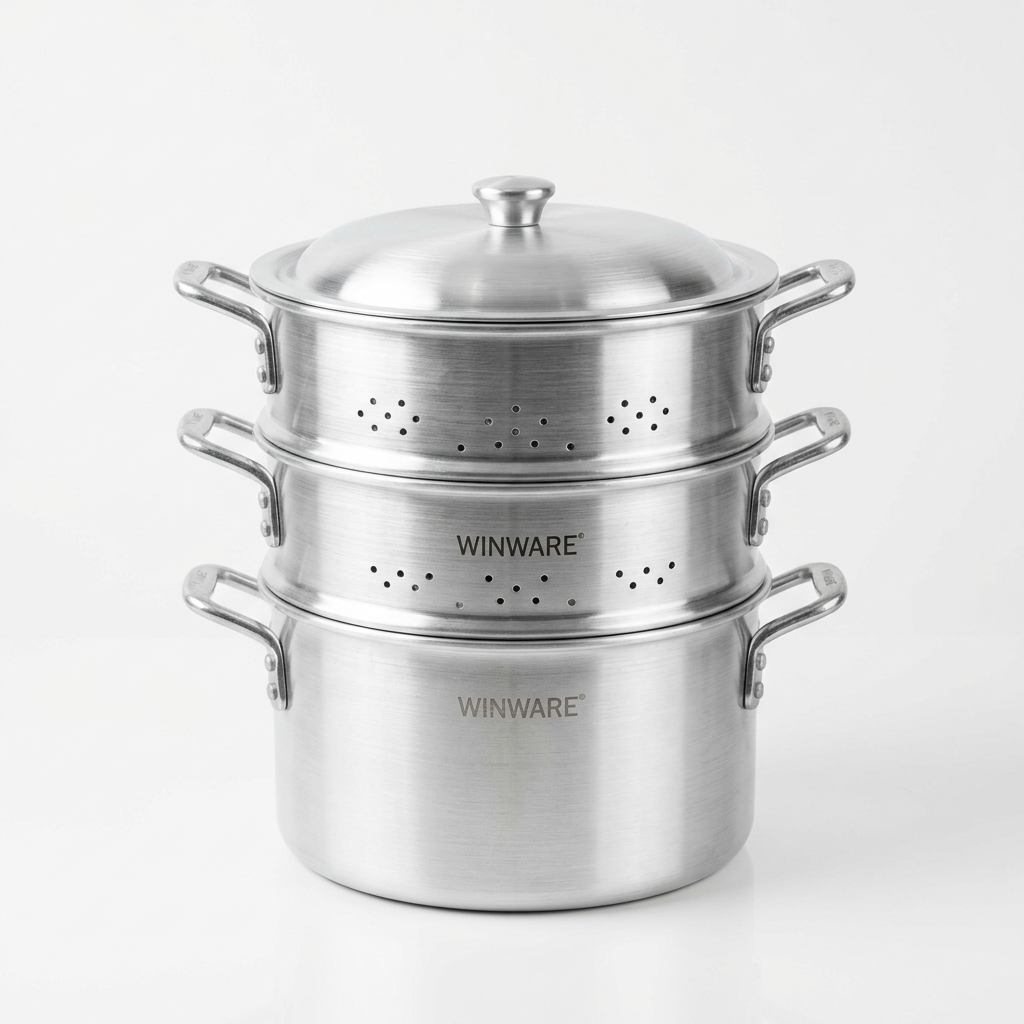
The type of steamer you use can also influence the process. Whether you're using a bamboo steamer, a metal steamer basket that fits into a pot, or a dedicated electric steamer, the principles remain the same: create an environment where moist heat can circulate freely around the food. Ensuring that the liquid in the base doesn't touch the food is paramount. This is why most steaming methods involve suspending the food above the liquid.
"Steaming is an art of patience and precision, allowing heat and aroma to work their magic."
Preheating your steamer is also an important step. Just like preheating an oven, preheating your steamer ensures that the food begins to cook immediately upon contact with the steam. This helps to maintain a consistent temperature and prevents the food from releasing too much liquid and becoming waterlogged. A properly preheated steamer is key to achieving that tender, succulent texture we're after.
Preparing Your Protein for Infusion
Before your protein even hits the steamer, a little preparation goes a long way.
Pat Dry:* Always pat your lean proteins thoroughly dry with paper towels. This is crucial for any cooking method, but especially for steaming, as excess surface moisture can dilute the flavors you're trying to infuse.
Consider Marinades (Lightly):* While we're focusing on infusion via steam, a very light marinade can be used. However, avoid heavy oil-based marinades, as they can interfere with the steam's ability to penetrate. A quick marinade of soy sauce, ginger, garlic, and a touch of sesame oil (for chicken or fish) can add an initial flavor boost. Marinate for no more than 30 minutes, as longer marination can alter the protein's texture.
Score Delicate Proteins:* For thicker fish fillets, lightly scoring the surface can help the steam and aromatics penetrate more effectively. Make shallow, diagonal cuts across the flesh.
Even Thickness:* For chicken breast, pounding it to an even thickness ensures that it cooks uniformly. This prevents the thinner parts from drying out while the thicker parts are still raw.
The way you position the protein in the steamer is also important. Avoid overcrowding the steamer basket, as this can impede the circulation of steam. If steaming multiple pieces, ensure they have enough space between them. If you are steaming on a plate within the steamer, make sure the plate is elevated slightly so steam can circulate around it.
Setting Up Your Steamer for Success
A well-set-up steamer is fundamental to effective flavor infusion.
Liquid Level: Add your chosen broth or aromatic water to the base of your pot or steamer. The liquid level should be sufficient to generate steam for the entire cooking time, but crucially, it should not touch the bottom of the steamer basket or the plate* holding your food. A good rule of thumb is to fill it about 1-2 inches deep.
Aromatics in the Liquid:* Place your chosen aromatics (ginger, garlic, citrus, herbs, spices) directly into the liquid at the bottom of the pot. This is where they will release their fragrant oils as the liquid heats up.
Food Placement:* Arrange your prepared protein in the steamer basket or on an oven-safe plate that fits inside the steamer. Ensure there is space between the pieces for steam circulation. You can also place additional aromatics directly on top of or around the protein, such as ginger slices, herb sprigs, or chile slices.
Cover Tightly:* Use a tight-fitting lid on your pot or steamer. This is essential to trap the steam, allowing it to build up and circulate effectively. If your lid has a vent, you may want to partially cover it to maintain more steam pressure.
For electric steamers, follow the manufacturer's instructions for water levels and steaming times. The principle remains the same: create a contained environment where moist heat can cook and infuse the food.
Temperature and Timing: The Sweet Spot
The correct temperature and timing are critical for perfectly cooked, moist, and flavorful steamed proteins.
Preheat: Always preheat your steamer* over medium-high heat until a good amount of steam is visibly rising before you add your food. This should take about 5-10 minutes.
Maintain Heat: Once you add the food, you’ll want to maintain a consistent medium to medium-high heat*. Too low and you won't generate enough steam; too high and the liquid might boil away too quickly, or the exterior of your protein could become tough.
Cooking Times (Approximate):* These are general guidelines and will vary based on the thickness of your protein and your specific steaming setup.
Fish Fillets (e.g., Cod, Salmon, Tilapia):* 8-15 minutes for fillets 1-inch thick. They are done when they flake easily with a fork and are opaque throughout.
Chicken Breast (Boneless, Skinless): 15-25 minutes for a standard 6-8 ounce breast, pounded to even thickness. It's done when the internal temperature reaches 165°F (74°C)* and the juices run clear.
Tofu (Firm or Extra-Firm):* 10-15 minutes. Steaming firm tofu helps to tenderize it and prepare it for further flavor absorption.
Chef's Tip: Use an instant-read thermometer to check for doneness, especially with chicken. This is the most reliable way to ensure your protein is cooked through without being overcooked. For fish, gentle pressure with a fork should cause it to flake.
Monitor the liquid level periodically, especially for longer steaming times. If it gets low, carefully add more hot broth or water to maintain the steam. Avoid lifting the lid too often, as this releases steam and prolongs cooking time.
The "Aromatic Parcel" Technique: Concentrated Flavor
Sometimes, you want to create a really intense, concentrated flavor experience within your steamed protein. This is where the "aromatic parcel" technique comes in. Instead of relying solely on the steam generated from the base liquid, you create individual flavor packets that cook directly with the protein. This method is particularly effective for delicate proteins like fish or lighter cuts of chicken, where you want distinct, focused flavors.
The concept is simple: wrap your protein and a carefully chosen blend of aromatics in a parchment paper or foil parcel. This parcel is then placed in the steamer basket, allowing the ingredients inside to steam and "braise" in their own juices and released aromas. The tight seal of the parcel traps all the volatile flavor compounds, creating a highly concentrated infusion. It’s like a mini, moist oven within your steamer.
"The parcel method is like gifting your protein a concentrated burst of aromatic essence."
This technique is also excellent for portion control and for creating individual flavor profiles within a single steaming session. You can make one parcel with ginger and soy for one person, and another with lemon and dill for someone else, all steaming away together. The key is to ensure the parcel is well-sealed to prevent steam from escaping prematurely.
Building Your Aromatic Parcel
The construction of your parcel is where the creativity truly shines.
Fish:* Thin slices of lemon, sprigs of dill, a few capers, a drizzle of white wine.
Chicken:* Thinly sliced garlic, julienned ginger, scallions, a splash of soy sauce or tamari, a few shiitake mushroom slices.
Vegetarian (Tofu):* Sliced bell peppers, onions, a bit of chili paste, cilantro.
The size of your parcel should be appropriate for the steamer basket you are using. You want to be able to fit one or more parcels without overcrowding.
Steaming the Parcels: The Gentle Cook
Once your parcels are assembled, they go into the steamer.
Prepare the Steamer:* Fill the base of your steamer with about 1-2 inches of water or a flavorful broth. Bring it to a simmer over medium-high heat.
Place the Parcels:* Carefully place the sealed parchment parcels into the steamer basket. Ensure they are not directly touching each other if possible, to allow for even steam circulation.
Cover and Steam:* Cover the steamer tightly and reduce the heat to medium. The goal is to maintain a steady, consistent steam.
Cooking Times:* The cooking time will depend on the thickness of your protein and how many parcels you are steaming.
Fish Fillets:* 12-18 minutes for 1-inch thick fillets.
Chicken Cutlets:* 18-25 minutes.
Tofu:* 15-20 minutes.
Chef's Tip: Before sealing the parcel completely, you can add a small amount of finishing salt or a drizzle of your favorite healthy oil (like olive or sesame oil) just before folding the final edge. This ensures the seasoning is fresh and vibrant.
To check for doneness, carefully open one of the parcels (watch out for the burst of steam!). The protein should be cooked through and tender. If you're unsure, an instant-read thermometer is your best friend. Once cooked, you can serve the parcels directly to your guests, allowing them to open their own fragrant packet at the table – a truly delightful presentation.
Beyond Water: The Versatility of Other Liquids
While broth is an excellent choice for infusing flavor, the world of steaming liquids extends far beyond just water and standard stocks. By experimenting with different liquids, you can impart subtle yet distinct flavor profiles to your lean proteins, opening up a whole new dimension of culinary possibilities. This is where the home cook can really start to play and discover unique combinations.
Think about how different liquids contribute to flavor. Wine, for instance, adds acidity, fruit notes, and complexity. Even a light beer can contribute a malty undertone. Certain fermented beverages or even fruit juices can offer intriguing possibilities. The key is to choose liquids that complement the protein and the desired flavor profile, and to be mindful of their inherent sweetness or acidity.
"Don't be afraid to experiment with your steaming liquid; it's the silent symphony conductor."
When using liquids other than water or broth, it's often a good idea to dilute them slightly, especially if they have a strong flavor or are high in alcohol or sugar. For example, a rich red wine might be too overpowering on its own, but diluted with water or a lighter broth, it can lend a beautiful, subtle complexity.
Wine and Other Fermented Beverages: Complexity and Depth
Wine, in particular, is a fantastic addition to the steaming liquid.
White Wine:* Dry white wines like Sauvignon Blanc, Pinot Grigio, or a dry Riesling are excellent choices for steaming fish and chicken. They add a bright acidity and subtle fruity notes that enhance the natural flavors of the protein.
Red Wine (Use Sparingly):* A light-bodied red wine, like a Pinot Noir, can be used for richer proteins like duck or even certain cuts of pork, but for lean chicken and fish, it can be too dominant. If using red wine, consider diluting it significantly.
Cider:* A dry hard cider can add a subtle apple-like sweetness and gentle tang, particularly good with pork or chicken.
Beer:* A light lager or pilsner can impart a faint malty note that works surprisingly well with chicken or even firm tofu. Avoid heavily hopped or bitter beers.
Pro Tip: When using wine or other alcoholic beverages, remember that the alcohol will largely evaporate during the steaming process, leaving behind the complex flavors. You can often dilute these beverages with equal parts water or a light broth to moderate their intensity and achieve a more balanced flavor infusion.
Fruit Juices: A Touch of Sweetness and Tartness
Certain fruit juices can add a unique dimension to steamed dishes, especially when paired with specific proteins.
Apple Juice (Unsweetened):* Can lend a gentle sweetness and a hint of apple flavor, ideal for chicken or pork.
Grapefruit or Orange Juice (100% Juice):* A splash of grapefruit or orange juice, perhaps diluted with water, can add a lovely citrusy brightness to fish. Be mindful of the natural sugars, and avoid overly sweet juices.
Pineapple Juice:* For a tropical twist, a small amount of unsweetened pineapple juice can work well with chicken, imparting a subtle sweetness and tenderizing quality. Use sparingly to avoid an overly sweet dish.
When using fruit juices, it's often best to combine them with water or a mild broth to prevent the sweetness from becoming overwhelming. The goal is to use the juice to complement and enhance, not dominate, the flavor of the protein.
Coconut Milk: Creaminess Without the Cream
For a subtle creaminess and a hint of tropical flavor, light coconut milk can be a fantastic addition to your steaming liquid.
Light Coconut Milk:* Dilute full-fat coconut milk with water or use pre-diluted "light" coconut milk. This adds a subtle richness and a delicate tropical aroma that pairs beautifully with fish, shrimp, and chicken.
Pairings:* Consider adding lemongrass, ginger, and a touch of chili to your coconut milk-infused steaming liquid for an authentic Southeast Asian flavor profile.
Chef's Note: Ensure you use unsweetened coconut milk. Sweetened versions will significantly alter the flavor of your dish. Diluting the coconut milk also helps to keep the fat content lower, aligning with our healthy cooking goals.
The key to using these alternative liquids is moderation and thoughtful pairing. Taste your chosen liquid before using it as your steaming medium. Consider its sweetness, acidity, and overall flavor profile, and how it will interact with the aromatics and the protein you are cooking. This experimentation is where the true joy of healthy home cooking lies.
Serving and Finishing Touches: The Final Flourish
Once your flavor-infused steamed protein is cooked to perfection, the final step is to bring it all together with thoughtful serving and finishing touches. Even the most beautifully steamed dish can be elevated by a well-executed garnish and a carefully considered sauce or accompaniment. The goal is to enhance, not mask, the delicate flavors you've painstakingly infused.
Consider the visual appeal of your dish. A sprinkle of fresh herbs, a drizzle of a light sauce, or a side of vibrant steamed vegetables can transform a simple steamed protein into a restaurant-quality presentation. The contrast of colors, textures, and temperatures can make the meal more appealing and satisfying. Remember, we're aiming for a healthy and delicious experience, and presentation plays a significant role in that.
"The final flourish is not an afterthought; it's the signature of your culinary intention."
The beauty of steaming lean proteins is that they create a clean palate for other flavors. This means you can get creative with your garnishes and sauces. Think about adding a touch of acidity, a hint of spice, or a burst of freshness to complement the infused flavors.
Garnishes: The Final Burst of Freshness and Color
Garnishes are the jewels of any dish, adding visual appeal and a final layer of flavor.
Fresh Herbs:* A generous sprinkle of freshly chopped cilantro, parsley, dill, or chives adds a vibrant green color and a burst of fresh flavor.
Toasted Sesame Seeds:* For Asian-inspired dishes, toasted sesame seeds provide a nutty crunch and visual appeal.
Thinly Sliced Chiles:* For a touch of heat and color, a few thinly sliced rings of red or green chile can be a beautiful garnish.
Microgreens:* These delicate greens add a sophisticated touch and a fresh, peppery flavor.
Citrus Zest:* A final sprinkle of lemon, lime, or orange zest over the protein adds an immediate aromatic lift.
When garnishing, consider the flavor profile of your dish. If you've used ginger and soy, sesame seeds and scallions would be a natural fit. If you've opted for lemon and dill, fresh parsley or chives would be a lovely addition.
Light Sauces and Drizzles: Flavor Amplifiers
While steaming is a low-fat cooking method, you don't have to forgo sauces entirely. Opt for light, flavorful sauces that complement, rather than overwhelm, the steamed protein.
Ponzu Sauce:* A classic Japanese citrus-based soy sauce, perfect for fish and chicken. You can buy it pre-made or make your own.
Ginger-Scallion Oil:* A fragrant oil infused with fresh ginger and scallions, often used in Cantonese cuisine. Drizzle a small amount over steamed fish or chicken.
Lemon-Tahini Dressing:* A creamy, savory dressing made with tahini, lemon juice, garlic, and water. Excellent for steamed chicken or tofu.
Herbed Vinaigrette:* A light vinaigrette made with olive oil, vinegar (like white wine or apple cider), Dijon mustard, and fresh herbs. Drizzle over steamed chicken or fish.
Yogurt-Based Sauces:* A simple sauce made with plain Greek yogurt, lemon juice, garlic, and fresh herbs can be a cooling and flavorful accompaniment to steamed chicken.
Pro Tip: For a truly healthy option, consider making a "flavor drizzle" by lightly warming a tablespoon of good quality olive oil or sesame oil with a minced garlic clove and a pinch of chili flakes. Drizzle this sparingly over your finished dish.
When serving, consider the plate. A clean, simple presentation will let the colors and textures of your food shine. If you're serving vegetables alongside, ensure they are also steamed to perfection and complement the protein.
Final Thoughts
Steaming lean proteins doesn't have to be a bland affair. By embracing the power of aromatics and the depth of flavorful broths, you can transform this healthy cooking method into a canvas for creating incredibly delicious and satisfying meals. It's about understanding how heat, moisture, and fragrant ingredients work in synergy to infuse flavor directly into the food. From the subtle perfume of fresh herbs to the pungent warmth of ginger and garlic, the possibilities are endless.
The techniques we've explored – from infusing the steaming liquid to creating aromatic parcels – are designed to maximize flavor without adding excess calories or unhealthy fats. This is the essence of smart, healthy cooking: making conscious choices that elevate both taste and well-being. So, the next time you reach for a lean protein, don't relegate it to the realm of the boring. Instead, think of it as an opportunity to experiment, to infuse, and to create something truly special.
"Healthy cooking is not about deprivation; it's about intelligent flavor building."
So, go forth and steam with confidence! Experiment with different aromatics, try various broths and liquids, and don't be afraid to get creative with your parcel creations. You'll be amazed at the depth and complexity you can achieve, proving that healthy eating can be incredibly flavorful and deeply satisfying. Your taste buds – and your body – will thank you.

Get the Next Recipe
Weekly recipes, techniques, and gear picks — straight to your inbox.
