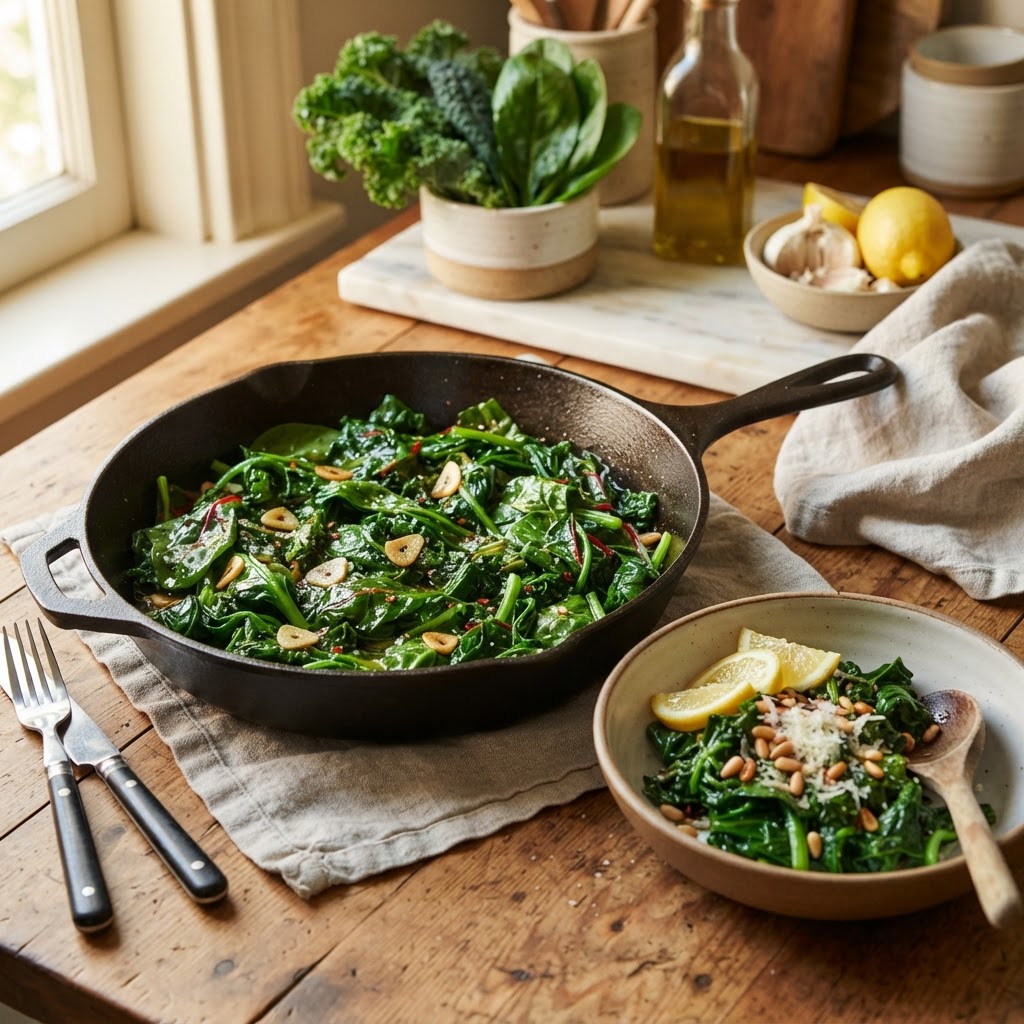
The Healthy Home Cook’s Guide to "Nitrate-Rich Greens": Mastering Blanching and Sautéing Ratios for Maximum Bioavailability and Vibrant Color
The world of healthy eating can sometimes feel like a labyrinth, filled with conflicting advice and an overwhelming array of ingredients. Among the most misunderstood and yet incredibly beneficial food groups are the so-called "nitrate-rich greens." These leafy powerhouses, from spinach and kale to arugula and beet greens, are nutritional champions, packed with vitamins, minerals, and those potent nitrates that our bodies can convert into beneficial nitric oxide. However, unlocking their full potential – their vibrant color, their tender texture, and crucially, their maximum bioavailability – often hinges on mastering a couple of fundamental cooking techniques: blanching and sautéing. Understanding the nuances of these methods, from precise timings to optimal heat application, can transform a humble bunch of greens from a potentially bitter or tough side dish into a culinary revelation that truly nourishes.
For the home cook aiming to elevate their everyday meals, delving into the science and art of preparing these greens is a rewarding endeavor. It's not just about throwing them into a pan or a pot; it's about understanding how heat interacts with their delicate cellular structures and how different cooking methods can either preserve or diminish their valuable nutrients and appealing characteristics. Blanching, a quick dip in boiling water followed by an ice bath, is a fantastic way to shock the greens, locking in their bright green hue and tenderizing them without overcooking. Sautéing, on the other hand, offers a more direct flavor infusion, caramelizing natural sugars and creating a delightful textural contrast when done correctly, but it requires careful attention to oil temperature and cooking duration to avoid a greasy or burnt outcome.
This guide aims to demystify the process, providing you with the knowledge and confidence to transform any nitrate-rich green into a star player on your plate. We'll explore the optimal ratios of ingredients, the precise temperatures and timings that make all the difference, and the secret chef tips that ensure your greens are not only incredibly healthy but also utterly delicious. Whether you're a seasoned home cook looking to refine your skills or a beginner embarking on a healthier culinary journey, by mastering the techniques of blanching and sautéing, you'll unlock a new level of appreciation for these humble, yet mighty, leafy vegetables, ensuring you get the most nutritional bang for your buck with every vibrant bite.
Understanding Nitrate-Rich Greens
Let's first address what we mean by "nitrate-rich greens." This category encompasses a broad spectrum of leafy vegetables that are naturally high in dietary nitrates. These are not the same as the nitrates found in processed meats, which have been linked to health concerns. Dietary nitrates are a beneficial precursor to nitric oxide, a molecule that plays a crucial role in regulating blood pressure, improving blood flow, and enhancing exercise performance. Think of beloved staples like spinach, which is a classic example, boasting a significant amount of nitrates. Then there's kale, a superfood for a reason, offering a robust nutritional profile alongside its nitrate content. Arugula, with its peppery bite, is another excellent source, adding a zesty kick to salads and cooked dishes. Don't forget beet greens, often discarded but incredibly nutrient-dense, and Swiss chard, with its colorful stems and earthy leaves. Even less common greens like mustard greens and collard greens fall into this category, each offering a unique flavor and texture profile.
The magic of these greens lies not only in their nitrate content but also in their impressive array of other vitamins and minerals. They are typically rich in Vitamin K, essential for blood clotting and bone health, and Vitamin A, vital for vision and immune function. Many also provide a good dose of Vitamin C, an antioxidant that supports the immune system and collagen production, and folate, crucial for cell growth and repair. Furthermore, they are packed with minerals like iron, important for oxygen transport, calcium, for bone strength, and magnesium, involved in hundreds of biochemical reactions in the body. The fiber content in these greens is also substantial, aiding digestion and promoting a feeling of fullness, which can be beneficial for weight management. Their low calorie count makes them an ideal choice for anyone looking to boost nutrient intake without adding significant calories to their diet.
"These humble leafy greens are nutritional powerhouses, a vibrant tapestry of vitamins, minerals, and beneficial compounds that can significantly enhance your well-being. Mastering their preparation is key to unlocking their full potential, transforming them from a simple side dish into a cornerstone of a healthy diet."
The diversity within this group is astounding, offering cooks a wide palette to play with. The mild, almost buttery texture of spinach contrasts sharply with the sturdy, slightly bitter leaves of kale. The sharp, peppery notes of arugula add an exciting dimension to otherwise mild dishes, while the earthy depth of beet greens offers a grounding flavor. Understanding these individual characteristics will help you choose the right green for the right dish and the right cooking method. For instance, delicate spinach wilts almost instantly and is best suited for quick sautéing or a brief blanch, whereas tougher kale may benefit from a longer cooking time or a more robust sauté to break down its fibrous structure. This guide will equip you with the tools to not only cook them but to understand them, allowing you to make informed decisions in the kitchen that align with your health goals and culinary preferences.
Blanching: The Art of Preservation and Preparation
Blanching is a foundational technique that involves briefly submerging food in boiling water, then rapidly cooling it in ice water. For nitrate-rich greens, this process is a game-changer, primarily for two reasons: color retention and pre-tenderization. When greens are plunged into boiling water, the heat causes chlorophyll to break down. However, the subsequent rapid cooling in an ice bath halts the cooking process almost immediately, preserving that vibrant, almost electric green color that signals freshness and vitality. This is crucial for visually appealing dishes, transforming a potentially dull-looking pile of leaves into something that looks as good as it tastes. Beyond aesthetics, blanching also begins the process of tenderizing the tougher fibers within greens like kale or collard greens, making them more palatable and easier to digest without sacrificing their structural integrity entirely.
The ratio of water to greens is less about precise measurements and more about ensuring the greens are fully submerged and have room to move freely. You want a large pot filled with plenty of water – at least enough to cover the greens generously. A common mistake is overcrowding the pot, which lowers the water temperature too drastically and leads to uneven cooking, resulting in some leaves being overcooked while others remain raw. The "ice bath" is equally important; it should be a large bowl filled with a generous amount of ice and cold water. This is where the rapid cooling, or shocking, happens, preventing further cooking and locking in that bright color. The speed is key here; the transition from boiling water to ice bath should be swift to maximize the preservation of the green pigment and nutrients.
The Blanching Process: Step-by-Step
Here's a straightforward method to achieve perfectly blanched nitrate-rich greens:
Spinach, Arugula, young Swiss Chard:* 30-60 seconds.
Kale, Collard Greens, mature Swiss Chard, Beet Greens:* 1-3 minutes, depending on desired tenderness.
You'll know they're ready when they are wilted and have turned a bright green.
"The ice bath is not just for cooling; it's the secret weapon in the blanching arsenal, a rapid deceleration that locks in the vibrant essence of your greens, preserving their color and preventing that dreaded mushy texture."
Blanched greens can be used immediately in various dishes or stored for later use. They are excellent in salads (served chilled or at room temperature), incorporated into pasta dishes, or used as a base for dips and spreads. Blanching can also make it easier to remove the tough outer leaves of some greens or to chop them more finely once they have been tenderized. This technique is particularly valuable if you're aiming to use large quantities of greens but want to manage their volume and texture, making them more manageable for recipes that call for finely chopped or pureed greens.
Sautéing: Flavor Infusion and Textural Delight
Sautéing is a high-heat cooking method that involves cooking food quickly in a small amount of fat. When it comes to nitrate-rich greens, sautéing is all about developing flavor and achieving a delightful textural contrast. Unlike blanching, which primarily preserves, sautéing actively transforms. The heat from the pan, combined with the fat (typically olive oil, butter, or avocado oil), causes the natural sugars in the greens to caramelize slightly, deepening their flavor and adding a subtle sweetness. The leaves themselves become tender and slightly crisped at the edges, offering a pleasing chewiness that many find more satisfying than the soft texture of simply boiled or steamed greens. This method is perfect for everyday meals, quick weeknight dinners, and adding a vibrant, flavorful component to any dish.
The ratio of greens to fat is crucial here. You don't want to drown the greens in oil, as this will result in a greasy, unappetizing dish. Conversely, too little oil will lead to sticking and uneven cooking. A good starting point for sautéing a pound of greens is about 1-2 tablespoons of fat. The fat acts as a conductor of heat, ensuring even cooking and carrying flavor. The type of fat you use will also influence the final taste; olive oil provides a fruity note, while butter adds richness and a slightly nutty aroma when browned. For high-heat sautéing, a stable oil like avocado oil or a good quality olive oil (not extra virgin if the heat is very high) is often preferred to prevent burning.
Mastering the Sauté: Temperature and Timing
The success of sautéing greens lies in achieving the right balance of high heat and quick cooking.
"Sautéing is a dance of heat and speed. The high temperature caramelizes the natural sugars in the greens, transforming their flavor profile and creating a delightful textural contrast that simply steams or boils can't replicate."
For tougher greens like kale or collard greens, you might want to sauté them for a minute or two longer, or even give them a quick blanch beforehand to jumpstart the tenderizing process. This ensures they become tender without becoming mushy. For delicate greens like spinach or arugula, the cooking time is much shorter, often just 1-2 minutes, as they wilt very quickly. The key is to watch them closely and remove them from the heat as soon as they reach your desired level of tenderness. Properly sautéed greens are incredibly versatile, serving as a fantastic side dish, a topping for bruschetta, an addition to omelets, or a filling for quesadillas.
The Role of Temperature and Time in Nutrient Bioavailability
When we talk about cooking nitrate-rich greens, we're not just talking about taste and texture; we're also deeply concerned with nutrient bioavailability. This refers to the extent to which our bodies can absorb and utilize the nutrients present in the food we eat. For many vitamins and minerals found in these greens, like Vitamin C, folate, and certain antioxidants, excessive heat or prolonged cooking times can lead to significant degradation. This is where understanding the precise role of temperature and timing in blanching and sautéing becomes paramount for the health-conscious home cook. The goal is to apply enough heat to break down any anti-nutrients, tenderize the greens for better digestion, and enhance flavor, without obliterating the beneficial compounds.
Blanching, with its very short cooking duration and rapid cooling, excels at preserving water-soluble vitamins like Vitamin C and folate. The quick immersion in boiling water followed by an immediate ice bath minimizes nutrient leaching into the cooking water, and the subsequent chilling prevents further heat-induced degradation. While some minimal loss might occur, it's generally considered a gentle method that retains a high percentage of these delicate nutrients. Sautéing, when done correctly, can also be quite good for bioavailability. The moderate heat and short cooking time for most greens mean that many nutrients remain intact. In some cases, the heat can even break down cell walls, making certain nutrients more accessible to the body. For example, the carotenoids (precursors to Vitamin A) found in greens can be more easily absorbed when cooked.
"Maximizing nutrient bioavailability is about finding the sweet spot where cooking enhances digestibility and flavor without sacrificing the very compounds that make these greens so healthy. Precision in temperature and timing is your greatest ally."
The key here is to avoid overcooking. Limp, brown, and mushy greens are not only unappetizing but also indicative of significant nutrient loss. For sautéing, this means using high heat for a short period, just enough to wilt and slightly tenderize. For blanching, it means adhering to the brief timings mentioned earlier, ensuring the greens are vibrant and tender, not soft and faded. Furthermore, incorporating raw greens in salads or smoothies, where appropriate for the specific green (e.g., spinach, arugula), is another excellent way to consume them in their most nutrient-dense state, bypassing cooking entirely for some beneficial compounds. However, for greens like kale, a quick cook is often recommended to break down tough fibers and make them easier to digest.
Ratios for Flavor and Balance: Beyond the Greens
While the greens themselves are the stars, the supporting cast of ingredients plays a critical role in transforming them into a truly delicious and well-rounded dish. This is where understanding ratios for aromatics, fats, and seasonings comes into play, ensuring that the natural flavors of the greens are enhanced, not masked, and that the overall dish achieves a harmonious balance. For any sautéed or blanched green dish, the fundamental elements are the greens themselves, a cooking fat, aromatics, and seasoning. Getting these ratios right ensures a consistently excellent result, making your culinary creations both healthy and crave-worthy.
For aromatics, the ratio to greens is usually quite modest. A common guideline for sautéing a pound of greens is to start with 1-2 cloves of minced garlic. If using shallots or onions, aim for about 1/4 to 1/2 cup of thinly sliced or chopped aromatics per pound of greens. The goal is to impart a subtle layer of flavor that complements the greens, not to overpower them. Similarly, for seasonings, salt is essential for bringing out the natural flavors. A good starting point is about 1/2 teaspoon of salt per pound of greens, but this is highly subjective and should be adjusted to taste. Black pepper adds a pleasant warmth, and a pinch of red pepper flakes can provide a gentle heat that cuts through any potential bitterness.
Building Flavor: The Supporting Cast
Let's break down the role of each component in building a flavorful green dish:
Fat: As mentioned, for sautéing, 1-2 tablespoons of fat per pound of greens is a good starting point. This can be adjusted based on the desired richness and the cooking method. For blanching, fat isn't directly used in the cooking process, but it's often added after* to finish the dish, perhaps a drizzle of olive oil or a pat of butter.
Aromatics:*
Garlic:* 1-2 cloves per pound of greens. Use fresh garlic for the best flavor. Consider slicing it thinly for a milder infusion or mincing it finely for a more pungent kick.
Onions/Shallots: 1/4 - 1/2 cup, thinly sliced or finely chopped. Sauté these before* adding the greens to allow them to soften and sweeten.
Ginger:* A small knob (1/2 to 1 inch), grated or minced, can add a wonderful zing, especially to Asian-inspired green dishes.
Acids: A splash of lemon juice, lime juice, or vinegar (red wine vinegar, apple cider vinegar, or even balsamic) added at the end of cooking can significantly brighten the flavors and cut through any richness. A ratio of 1-2 teaspoons of acid per pound of greens* is a good starting point.
Umami Boosters: For an extra layer of savory depth, consider adding a splash of soy sauce, tamari, or a pinch of nutritional yeast* towards the end of cooking.
"The magic of a truly memorable dish often lies in the subtle interplay of flavors. Don't underestimate the power of well-balanced aromatics and seasonings to elevate your simple greens from ordinary to extraordinary."
When you’re blanching, the greens are typically drained and then dressed or incorporated into other dishes. Here, the ratio of dressing components becomes important. A simple vinaigrette for blanched greens might be a 3:1 ratio of olive oil to vinegar, seasoned with salt, pepper, and perhaps a touch of Dijon mustard or honey. For sautéed greens, the addition of these complementary flavors directly in the pan creates a cohesive and deeply flavored side dish that can stand on its own. Experimentation is key, and as you become more comfortable, you'll develop your own intuition for these ratios, tailoring them to your personal preferences and the specific greens you're using.
Professional Chef Tips for Peak Performance
To truly master the art of cooking nitrate-rich greens, it's beneficial to incorporate some professional chef tips that go beyond basic instructions. These are the little secrets and techniques that chefs use to achieve consistently superior results, ensuring vibrant color, perfect texture, and maximum flavor. Many home cooks overlook certain crucial steps, leading to less-than-ideal outcomes, but with a few key insights, you can elevate your greens game considerably. These tips often revolve around preparation, heat management, and finishing touches, all designed to bring out the best in these nutritional powerhouses.
One of the most significant tips is the importance of thoroughly drying greens after washing, especially before sautéing. Excess water will steam the greens rather than allowing them to sauté properly, leading to a watery, less flavorful result. Chef Tip #1: Use a salad spinner to remove as much water as possible, and then consider laying them out on a clean kitchen towel or paper towels to air dry further. For tougher greens, another valuable tip is to remove the tough, fibrous stems. For kale, collard greens, and Swiss chard, slicing down each side of the central stem with a sharp knife effectively separates the tender leaf from the tougher part, ensuring more even cooking and a more pleasant texture.
"Never underestimate the power of a dry pan and dry greens for a perfect sauté. Excess moisture is the enemy of crispness and flavor development, turning your pan-searing dreams into a steamy nightmare."
Another professional technique relates to how greens are added to the pan. Chef Tip #2: Add greens in stages, especially when sautéing. Don't dump the entire bunch in at once. Add a portion, let it wilt down slightly, then add more. This prevents overcrowding the pan, which lowers the temperature and leads to steaming instead of sautéing. It also allows you to better control the cooking process and ensure even heat distribution. For blanching, Chef Tip #3: Don't over-blanch. The goal is just to brighten the color and slightly tenderize, not to cook them through. The ice bath is crucial for stopping the cooking process immediately. Finally, Chef Tip #4: Finish with acidity and fat. A final drizzle of good quality olive oil, a squeeze of fresh lemon juice, or a splash of vinegar right before serving can awaken the flavors and add a delightful brightness and richness that ties the dish together.
Consider also Chef Tip #5: Taste and adjust seasoning throughout the process. Don't wait until the very end to add salt. A little salt added early in the sautéing process can help draw out moisture and encourage browning. However, be mindful of the salt content if you're adding other salty ingredients like soy sauce. Professional chefs are constantly tasting and adjusting, and this is a habit that will significantly improve your results. By incorporating these tips, you're not just cooking greens; you're applying culinary expertise to achieve optimal flavor, texture, and nutritional value.
Creative Applications for Blanched and Sautéed Greens
Once you've mastered the fundamental techniques of blanching and sautéing nitrate-rich greens, the culinary possibilities expand dramatically. These versatile ingredients can be incorporated into a vast array of dishes, moving beyond the simple side dish to become integral components of a balanced and flavorful meal. The way you prepare them – whether blanched or sautéed – will often dictate their best use, allowing you to tailor your approach to the desired outcome and the specific recipe you're creating. Embracing this versatility is key to making healthy eating exciting and sustainable for the home cook.
Blanched greens are particularly well-suited for applications where they will be mixed with other ingredients or served cold or at room temperature. Think of vibrant green additions to salads, where they provide a tender, nutrient-dense base or mix-in. They can be chopped and added to dips and spreads, such as a healthy spinach and artichoke dip or a creamy avocado spread. Pasta dishes benefit greatly from blanched greens; they can be stirred in at the end of cooking to wilt gently, or layered into lasagna and baked pasta dishes. For soups and stews, blanched greens can be added in the final minutes of cooking to retain their bright color and a slight bite. They also lend themselves beautifully to frittatas and quiches, providing a tender, well-distributed layer of greens.
"Don't let your blanched or sautéed greens be an afterthought. They are culinary chameleons, capable of transforming a simple dish into something vibrant, nutritious, and utterly delicious."
Sautéed greens, with their slightly crisped edges and intensified flavor, are equally adaptable. They make a fantastic filling for savory pastries, such as empanadas or turnovers, and can be added to stir-fries for a quick burst of flavor and texture. Sautéed greens are a classic accompaniment to proteins like grilled chicken, fish, or steak, adding a healthy and flavorful counterpoint. They can be piled onto sandwiches and wraps for an extra layer of goodness, or used as a topping for bruschetta or crostini. Even a simple scrambled egg or omelet is elevated with a handful of flavorful sautéed greens. Consider them as a base for gourmet pizzas or as a component in grain bowls, adding both nutrients and a satisfying chewiness. The possibilities are truly endless, limited only by your culinary imagination.
Bringing It All Together: Recipe Ideas
Here are a few ideas to spark your creativity:
Lemon-Garlic Sautéed Kale with Toasted Pine Nuts:* Sauté kale with garlic, olive oil, red pepper flakes, then finish with lemon juice and toasted pine nuts.
Blanched Spinach and Ricotta Stuffed Shells:* Blanch spinach, chop it finely, and mix with ricotta cheese, Parmesan, nutmeg, salt, and pepper. Use as a filling for pasta shells.
Arugula and White Bean Salad with Sautéed Mushrooms:* Sauté mushrooms with garlic and thyme, then toss with blanched white beans, fresh arugula, a light lemon vinaigrette, and shaved Parmesan.
Swiss Chard and Sausage Skillet:* Sauté crumbled Italian sausage with onions and garlic, then add chopped Swiss chard and a splash of chicken broth to wilt and tenderize.
Green Power Smoothie:* Blend blanched spinach (cooled and squeezed dry) with fruits, yogurt or plant-based milk, and a touch of honey for a nutrient-packed smoothie.
By understanding how to prepare these greens effectively, you unlock their potential to be far more than just a side dish. They become a versatile ingredient that can enhance the nutritional profile and flavor of almost any meal.
Final Thoughts
Embarking on a journey with nitrate-rich greens is a delicious and incredibly rewarding endeavor for any home cook. We've explored the foundational techniques of blanching and sautéing, understanding how precise control over temperature, timing, and ratios can unlock their vibrant color, tender texture, and crucially, maximize their bioavailability. From the immediate shock of an ice bath to the quick caramelization in a hot pan, each method offers unique benefits for preserving and enhancing these nutritional powerhouses. Remember, the goal is to work with the greens, not against them, allowing their natural goodness to shine through with every bite.
"The kitchen is a laboratory of flavor and nutrition. By mastering simple techniques like blanching and sautéing, you equip yourself to create dishes that are not only delicious but also profoundly nourishing, transforming humble greens into culinary stars."
As you continue to experiment in your kitchen, remember the chef's tips: start with dry greens, manage your heat effectively, consider removing tough stems, and always finish with a touch of acidity and healthy fat. These small adjustments make a significant difference. Don't be afraid to play with different types of greens and discover your favorites. Whether you're crafting a vibrant salad, a hearty grain bowl, or a comforting pasta dish, these nitrate-rich greens are poised to become a staple in your healthy cooking repertoire. So, go forth, embrace the greens, and enjoy the delicious, healthy results!


Get the Next Recipe
Weekly recipes, techniques, and gear picks — straight to your inbox.
