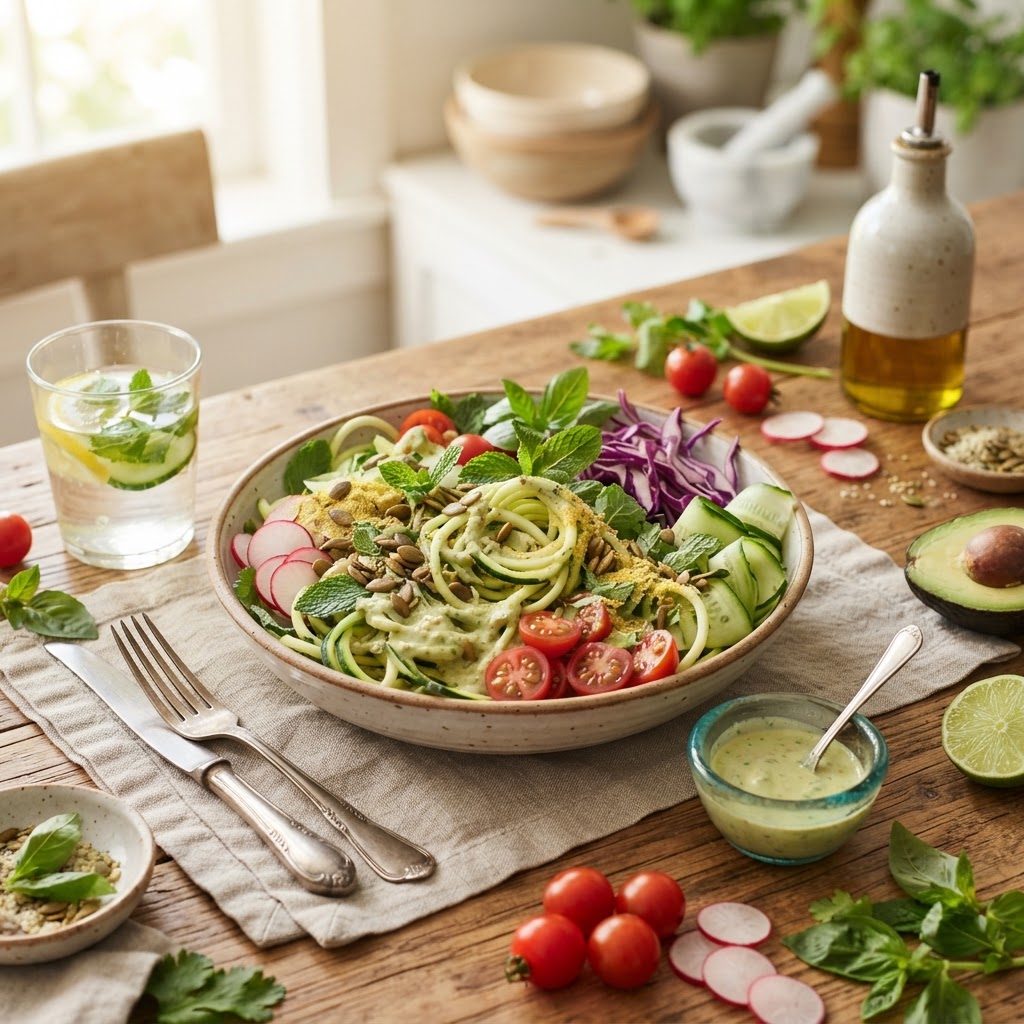
The Healthy Home Cook’s Guide to "No-Cook" Meals: Maximizing Micronutrient Density with Raw, Seasonal Ingredients
There is a persistent, nagging myth in the modern culinary world that to create a "real" meal, one must spend hours tethered to a hot stove or obsessively monitoring a roasting oven. We are told that flavor is a commodity exclusively purchased through the Maillard reaction—that crusty, caramelized transformation of proteins and sugars that only high heat can provide. Yet, for the home cook seeking to optimize their health and vitality, this obsession with heat-processed food often comes at a steep price: the degradation of heat-sensitive micronutrients. When we shift our focus toward the raw, vibrant world of seasonal produce, we discover that the most sophisticated flavors are often those that haven't been altered by fire.
Embracing the "no-cook" philosophy is not an admission of culinary defeat or a surrender to blandness; it is an act of intentionality that preserves the structural integrity of your ingredients. By eliminating the high-heat processing of delicate vitamins, enzymes, and phytonutrients, you are essentially treating your kitchen as a laboratory for cellular health. Raw vegetables, fruits, nuts, and seeds offer a complex topography of textures and bitter, sweet, or acidic profiles that are frequently muted when exposed to boiling water or scorching pans. This guide is designed to bridge the gap between simple assembly and true culinary artistry, ensuring that your raw meals feel as indulgent as a five-course dinner.
To master the art of the no-cook meal, one must develop a refined palate for the marriage of acid, fat, and salt. Without the crutch of searing, you must lean into techniques that mechanically break down fibers—such as macerating, fermenting, and aggressive seasoning—to achieve the depth we crave. When you strip away the heat, you are forced to engage with the inherent character of your produce, allowing the crisp snap of a garden-fresh radish or the velvety creaminess of a perfectly ripe avocado to take center stage. Let us begin this journey of maximizing nutrient density, where the only thing firing up is your imagination and your appetite for vitality.
The Architecture of Nutrient Density: Beyond the Stove
The foundational principle of no-cook cuisine is the preservation of bioavailability. Many vitamins, particularly Vitamin C and various B-complex vitamins, are water-soluble and highly thermolabile, meaning they evaporate or denature when exposed to sustained heat. By keeping ingredients in their raw state, you ensure that you are consuming the complete nutritional payload of every leaf, root, and seed. However, to make these nutrients accessible, we must employ culinary techniques that mimic the digestive breakdown usually achieved through cooking.
The Role of Mechanical Breakdown
When we talk about "no-cook," we are not implying that the ingredients arrive on your plate exactly as they were plucked from the field. You must learn the importance of structural manipulation. This includes techniques like chiffonade for hearty greens, micro-planing for fibrous roots, or the classic mandoline slice for creating ribbons of vegetables that feel delicate rather than woody. By increasing the surface area of your vegetables, you allow dressings and marinades to permeate the cells more effectively, creating a synergy of flavor that is truly transcendent.
Balancing the Palate
Without the mellowing effect of heat, raw ingredients can sometimes be overwhelming. The sharpness of an onion or the extreme crunch of raw kale can be aggressive. This is where your pantry staples—specifically high-quality vinegars, cold-pressed oils, and sea salts—become your most important tools. A well-balanced no-cook meal should always aim for a "triple-threat" flavor profile: the brightness of an acid (citrus or vinegar), the richness of a healthy fat (nut butter or olive oil), and the depth provided by a mineral-rich salt.
"The kitchen is not merely a place for heat; it is a workshop of alchemy where time, acidity, and mechanical friction perform the heavy lifting that the stove usually provides."
Selecting and Preparing Seasonal Produce
The success of any raw-focused diet hinges entirely on the quality and seasonality of your ingredients. Because there is nowhere to hide poor quality behind heavy sauces or long braises, your choice of produce is paramount. You are looking for peak ripeness, vibrant colors, and local origins whenever possible. An apple picked yesterday and stored in your kitchen for an hour will always outshine a mass-market apple that has spent weeks in a cold-storage unit.
Understanding the Raw Pantry
Your pantry should be stocked with items that provide texture and nutrient density without requiring a burner. Keep a variety of raw nuts—walnuts, almonds, and macadamias—which should be soaked and dehydrated if possible to remove phytates, making their minerals more absorbable. Additionally, keep high-quality sea salts, cold-pressed extra virgin olive oil, apple cider vinegar, and various herbs. These items provide the "soul" of the dish, allowing the vegetables to act as the vessel for complex, mouth-watering flavor.
The Technique of Maceration
Maceration is the secret weapon of the raw-food chef. By tossing thinly sliced fruits or vegetables in a mixture of salt, acid, and sometimes a touch of honey or maple syrup, you draw out moisture through osmosis. This process softens the cellular walls, making the produce tender and deeply flavorful. For instance, tossing sliced fennel with grapefruit segments and a pinch of sea salt for 20 minutes transforms a rigid bulb into a delicate, succulent salad ingredient that rivals anything cooked.
Building the Perfect Raw Salad and Bowl
Many home cooks fall into the trap of thinking a salad is simply a pile of greens with dressing on top. A professional-grade raw bowl is a study in texture and density. You need a base of bitter greens for digestion, a source of healthy fats for satiety, a complex carbohydrate source (like sprouted grains or thinly shaved roots), and a fermented component for gut health. This structure ensures that you stay full for hours while feeling light and energized.
The Art of the Dressing
A dressing is the glue that binds a meal together. Never reach for a store-bought, shelf-stable bottle. Instead, use a blender or a mason jar to create emulsions that reflect the season. A classic base is two parts high-quality oil to one part acid. For richness, incorporate a spoonful of tahini, raw almond butter, or mashed avocado. These emulsifiers turn a thin dressing into a velvety sauce that clings to every ingredient, ensuring every bite is a complete experience.
Layering for Success
When assembling your bowl, think about the hierarchy of ingredients.
"True health is not found in the restriction of ingredients, but in the intelligent preparation of the natural world, allowing the vitamins to shine with the vibrancy they held while growing in the sun."
Fermentation: The No-Cook Flavor Booster
Fermentation is the ultimate culinary hack for the no-cook home chef. By allowing wild bacteria or starter cultures to process your vegetables, you are pre-digesting the fibers and creating a depth of savory, umami-rich flavor that is usually only associated with slow-cooked meats or stocks. Lacto-fermentation is a simple, no-heat process that utilizes salt to create an environment where beneficial bacteria can thrive while pathogenic bacteria are inhibited.
Simple Lacto-Fermentation Basics
To start, you need nothing more than a glass jar, water, salt, and your favorite vegetables. A standard ratio for a brine is roughly 2-3% salt by weight. For example, if you have 500 grams of cabbage and water combined, you should use about 10-15 grams of sea salt. Simply submerge the vegetables, ensure they are weighed down so they stay beneath the liquid, and leave them at room temperature for 3 to 7 days.
Why Fermentation Matters
Beyond the extraordinary flavor, the probiotic density of fermented foods is unmatched. By incorporating these into your daily raw meals, you are actively supporting your gut microbiome, which is the seat of your immune system and metabolic health. Whether it is a quick-pickled radish or a traditional kimchi, these additions provide that necessary "funk" and acidity that makes a meal feel complete and satisfying.
Mastering Raw Techniques: Sprouting and Soaking
One of the most significant arguments against a raw diet is the presence of anti-nutrients like phytic acid, which can block the absorption of minerals. However, this is easily mitigated through the ancient techniques of soaking and sprouting. By soaking raw nuts, seeds, and grains in filtered water for 8 to 24 hours, you effectively "wake up" the dormant seed, neutralizing many of these anti-nutrients and increasing the availability of vitamins and enzymes.
The Sprouting Process
Sprouting is a simple, no-cook way to increase the nutrient density of your meal by hundreds of percent. Whether it is alfalfa, broccoli, or mung bean sprouts, you are essentially creating a mini-vegetable that is bursting with life.
The Benefits of Activated Nuts
Never eat raw almonds or walnuts straight from the bag without at least a quick soak. Soaking not only improves the nutritional profile but also significantly alters the texture, making the nuts creamier and more palatable. When you incorporate these "activated" fats into your no-cook meals, you provide your body with the clean fuel it needs to function at a high level without the inflammation often associated with processed cooking oils.
Professional Chef Tips for the No-Cook Home Kitchen
Even in a kitchen without a stove, there are professional techniques that can elevate your output. The first is knife skills. Because you aren't masking your ingredients with cooking, the way they are cut matters immensely. A carrot diced into thick, clumsy chunks is far less pleasant than one shaved into ribbons that provide a soft, noodle-like texture. Invest in a sharp chef's knife and a high-quality mandoline, and learn how to use them with confidence.
The Power of Emulsions
Learn to make a proper vinaigrette. Do not just throw vinegar and oil into a bowl and hope for the best. Use a whisk to vigorously combine your oil and acid with a touch of Dijon mustard or honey as a stabilizer. The resulting emulsion should be thick, creamy, and opaque. This is the difference between a salad that looks like it came from a school cafeteria and one that looks like it was plated in a high-end bistro.
Plating and Presentation
Eat with your eyes first. The visual beauty of raw, colorful vegetables is a major component of the satisfaction of a meal. Use varying heights, textures, and colors to create a composition on the plate. Arrange your elements so that the greens act as a canvas for the vibrant reds of beets or the bright oranges of shaved carrots. When you put effort into the visual presentation, you are mentally preparing your body for digestion, which enhances nutrient absorption.
"Complexity in the kitchen does not require heat; it requires the deliberate layering of texture, the precise application of acid, and the respect for the vibrant, living energy within your ingredients."
No-Cook Meal Plans: Putting It Into Practice
To truly integrate these concepts, let’s look at a sample day of eating. Start your morning with a "Superfood Porridge" made from soaked chia seeds, raw almond butter, and macerated berries. For lunch, create a "Rainbow Ribbon Salad" featuring mandolined zucchini, carrot ribbons, and massaged kale, tossed in a lemon-tahini emulsion with sprouts and hemp hearts. For dinner, construct a "Raw Tostada" using large, crisp lettuce leaves as a shell, topped with a seasoned "meat" made from pulsed walnuts, sun-dried tomatoes, and spices, finished with a generous dollop of lime-spiked avocado crema.
Example: The Zucchini Ribbon Noodle Bowl
Ingredients:
Execution Steps
The Importance of Variety
Do not rely on the same five ingredients. Rotate your vegetables based on what is in season. If it is summer, lean into cucumbers, tomatoes, and stone fruits. In the winter, focus on hearty root vegetables shaved thinly, bitter greens, and fermented krauts. The key to long-term health is the diversity of your gut microbiome, which thrives on the vast spectrum of plant-based nutrients you provide it.
Final Thoughts
Transitioning to a no-cook philosophy is not just a change in your menu; it is a fundamental shift in how you relate to your nourishment. It demands that you slow down, appreciate the quality of the earth, and embrace the vibrant, raw potential of your ingredients. By moving away from the stove, you are not losing flavor; you are uncovering it. You are uncovering the crisp, clean notes of spring produce, the earthy, grounding qualities of root vegetables, and the sophisticated complexities that only arise when these elements are left uncompromised by fire.
As you cultivate your skills in this arena, remember that the most important ingredient is your own intention. Whether you are prepping a simple breakfast or an elaborate evening bowl, treat the process as a form of meditation. When you honor the structural integrity of your food, you are honoring your own biology, providing your cells with the highest possible quality of fuel. The kitchen, even when cool and quiet, remains the most important room in your home for health, vitality, and true culinary satisfaction.
Start small. Commit to one no-cook meal a day for a week. Notice how you feel after your meal—the sustained energy, the clarity, and the absence of the "post-meal slump" that so often follows heavy, cooked meals. Listen to your body as it thrives on the dense concentrations of micronutrients you are now providing it. As you master these techniques, you will find that you don't miss the stove at all. You will be too busy savoring the life-affirming, vibrant, and perfectly balanced flavors that only the raw world can provide. Blame the chef for the heat, but thank the produce for the health. Keep your knives sharp, your ingredients fresh, and your mindset open to the infinite possibilities of the no-cook kitchen. This is the new standard of home cooking—a standard defined not by heat, but by the relentless pursuit of peak, raw, seasonal perfection. You have everything you need to start today, one bowl at a time. The garden is waiting, and the pantry is stocked; it is time to eat with intention.

Get the Next Recipe
Weekly recipes, techniques, and gear picks — straight to your inbox.
